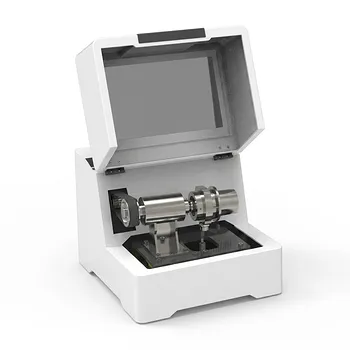
What is the primary role of a planetary ball mill in AZ91-HA prep? Achieve Microscopic Homogenization
Updated 4 months ago
The planetary ball mill is the primary mechanism for achieving a uniform, micro-scale dispersion of hydroxyapatite (HA) particles within the AZ91 magnesium alloy matrix. By utilizing high-speed rotation to generate intense impact and shear forces, the mill breaks down particle agglomerates and embeds the bioactive HA reinforcement into the alloy powder surface. This foundational step ensures a homogeneous material composition and refines the powder particles to increase their reactivity for subsequent metallurgical processes.
The planetary ball mill serves as a high-energy processor that transforms raw powder components into a refined, uniform mixture. Its core role is to eliminate component segregation and provide a high-reactivity foundation for solid-phase reactions and sintering.
Achieving Microscopic Homogenization
The primary challenge in preparing AZ91-HA composites is ensuring that the ceramic HA particles are evenly distributed throughout the metallic magnesium matrix.
Eliminating Particle Agglomeration
Hydroxyapatite particles often clump together due to inter-particle forces, which can create weak spots in the final composite. The high-energy impacts of the ball mill effectively de-agglomerate these clusters, ensuring each HA particle is separated and surrounded by the AZ91 alloy.
Embedding Reinforcements
Beyond simple mixing, the shear forces generated by the mill mechanically embed the HA particles into the surface of the magnesium matrix powder. This creates a high-quality mixed powder where the reinforcement is physically locked into the matrix, preventing separation during the compaction or pouring stages.
Enhancing Chemical and Physical Reactivity
The milling process does more than just move particles around; it fundamentally changes the physical state of the powders to improve future processing.
Mechanical Refinement and Grain Size
The continuous cycle of high-energy impact leads to the refinement of particle size, often reaching the nanocrystalline level. This reduction in grain size is critical for improving the diffusion kinetics during subsequent heat treatments or sintering.
Inducing Lattice Defects
Mechanical alloying through a planetary mill introduces significant lattice defects and plastic deformation into the powder. These defects increase the stored energy of the material, which significantly enhances the reactivity of the resulting composite during solid-state reactions.
The Mechanics of the Milling Process
The efficiency of the planetary ball mill is derived from its unique rotational dynamics, which differentiate it from standard mixers.
Impact and Shear Forces
The mill jars rotate around their own axis while simultaneously orbiting a central sun wheel in the opposite direction. This "planetary" motion creates high-frequency impact and shear forces that are powerful enough to flatten, fracture, and cold-weld the metal powders.
Providing a Diffusion Foundation
By achieving a molecular-level uniform mixture, the mill provides a superior diffusion foundation. This is essential for solid-phase reactions, as it ensures that the different chemical components are in close enough proximity to react efficiently when heat is applied.
Understanding the Trade-offs and Pitfalls
While planetary ball milling is essential for uniformity, it introduces specific technical risks that must be managed.
Risk of Contamination
The high-energy collisions between the grinding balls, the jar walls, and the powder can lead to media wear and contamination. If the milling duration is too long or the ball material is inappropriate, traces of the grinding media can leach into the AZ91-HA composite, potentially altering its biocompatibility.
Magnesium Reactivity and Oxidation
Magnesium is highly sensitive to oxygen and heat; the energy generated during high-speed milling can trigger unwanted oxidation. To prevent this, milling is often conducted under an inert atmosphere or with specific process control agents to manage the temperature and chemical stability.
How to Apply This to Your Project
To optimize the preparation of magnesium alloy composites, your milling strategy should align with your specific material requirements.
- If your primary focus is Bioactivity: Ensure the milling speed is high enough to embed the HA particles into the AZ91 surface without over-refining them, which preserves the bioactive properties of the hydroxyapatite.
- If your primary focus is Mechanical Strength: Prioritize longer milling durations at moderate speeds to maximize grain refinement and the introduction of lattice defects, which enhances the final structural integrity.
- If your primary focus is Chemical Purity: Use high-purity grinding media (such as zirconia) and shorter milling cycles to minimize the risk of elemental contamination from the mill jars.
By mastering the high-energy dynamics of the planetary ball mill, you create the essential uniform foundation required for high-performance magnesium-based composites.
Summary Table:
| Key Function | Mechanism | Impact on Composite |
|---|---|---|
| Homogenization | High-energy impact & shear | Eliminates HA agglomeration for a uniform matrix. |
| Grain Refinement | Repeated fracturing/cold-welding | Creates nanocrystalline structures for better strength. |
| Surface Embedding | Mechanical shear forces | Physically locks reinforcements into the alloy surface. |
| Reactivity Boost | Inducing lattice defects | Enhances diffusion kinetics during sintering/reactions. |
Elevate Your Material Research with Precision Powder Solutions
Achieving the perfect AZ91-HA composite requires more than just mixing—it demands high-energy precision and controlled compaction. At [Brand Name], we provide complete laboratory sample preparation solutions specifically designed for advanced material science.
Our expertise in powder processing and compaction ensures you achieve the grain refinement and structural integrity your research demands. Our extensive product line includes:
- Milling & Grinding: High-performance planetary ball mills, jet mills, and cryogenic grinders for nanocrystalline refinement.
- Sieving & Mixing: Precision sieve shakers and high-efficiency powder/defoaming mixers.
- Advanced Compaction: A full spectrum of hydraulic presses, including Cold/Warm Isostatic Presses (CIP/WIP), vacuum hot presses, and XRF pellet presses.
Whether you are refining bioactive composites or developing high-strength alloys, our equipment delivers the reliability and performance you need. Contact our technical experts today to find the ideal solution for your laboratory workflow!
References
- Kimia Jamshidi, Hamed Jamshidi Aval. Microstructure and corrosion resistance of AZ91- Hydroxyapatite composites processed via deformation-driven metallurgy. DOI: 10.1007/s10856-025-06942-y
Mentioned Products
- Vertical Semi Circular Planetary Ball Mill for Laboratory Precision Grinding
- High Energy Planetary Ball Mill for Nano Scale Grinding and Mechanical Alloying
- Vertical Production Planetary Ball Mill for High Throughput Powder Processing
- Heavy Duty Horizontal Planetary Ball Mill for Efficient Industrial Grinding and Sample Preparation
- 360° Rotating Omnidirectional Laboratory Planetary Ball Mill for Homogeneous Ultra-Fine Grinding and Mixing
People Also Ask
- What role does a planetary ball mill play in the synthesis of Li6PS5Cl (LPSCl)? Unlock High Ionic Conductivity
- Why is a planetary ball mill essential for SiBCN-rGO wet-spinning? Achieve Superior Dispersion and Spinnability
- Why is an intermittent grinding process required for perovskites in a planetary ball mill? Ensure Stability & Purity
- Why is a planetary ball mill required for PET micronization? Ensure Accurate Chemical Analysis of Reprocessed PET
- How does mechanized planetary ball milling compare to manual agate grinding? Optimize sulfide standard material precision.

Tech Team · PowderPreparation
Last updated on Jun 03, 2026
Related Products
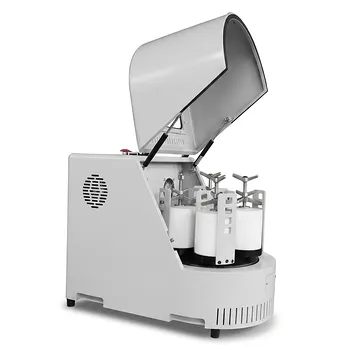
Vertical Semi Circular Planetary Ball Mill for Laboratory Precision Grinding
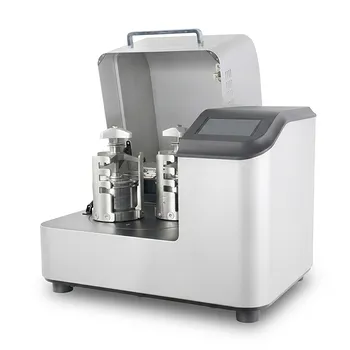
High Energy Planetary Ball Mill for Nano Scale Grinding and Mechanical Alloying
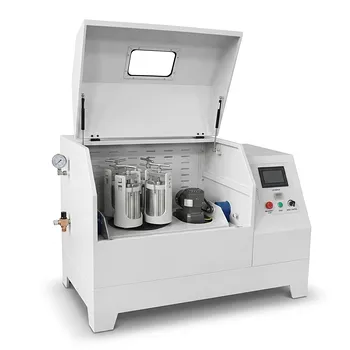
Vertical Production Planetary Ball Mill for High Throughput Powder Processing
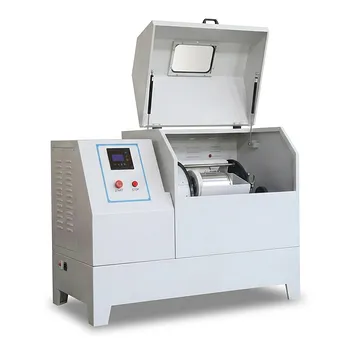
Heavy Duty Horizontal Planetary Ball Mill for Efficient Industrial Grinding and Sample Preparation
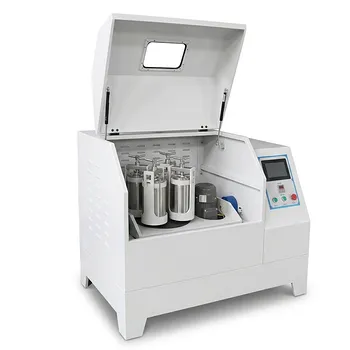
360° Rotating Omnidirectional Laboratory Planetary Ball Mill for Homogeneous Ultra-Fine Grinding and Mixing
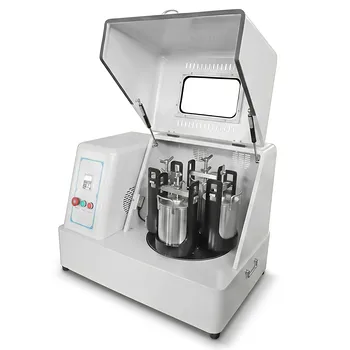
Vertical Square Planetary Ball Mill for Laboratory Sample Preparation and Nanoscale Grinding
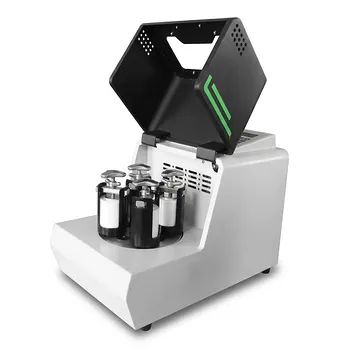
Miniature Planetary Ball Mill with Vacuum Grinding and High Efficiency for Laboratory Sample Preparation
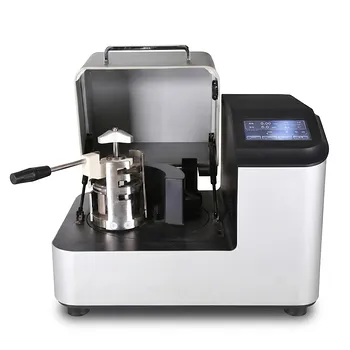
High Energy Laboratory Planetary Ball Mill for Nano Grinding and Material Science Sample Preparation
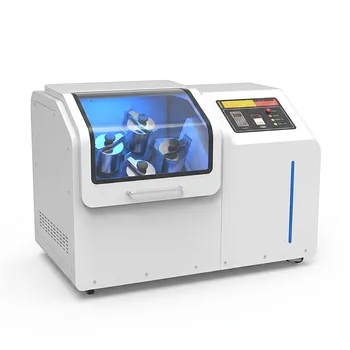
High Energy Omnidirectional Planetary Ball Mill 16L
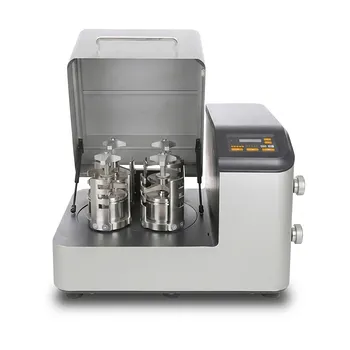
High Energy Planetary Ball Mill for Nano Scale Grinding and Colloidal Mixing in Material Science Research
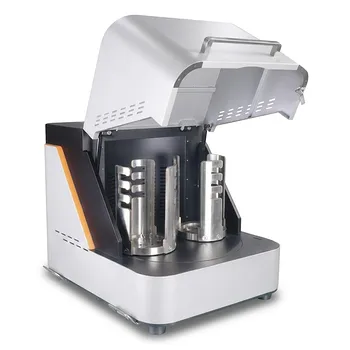
High Energy Laboratory Planetary Ball Mill for Nano Grinding and Colloidal Mixing of Hard and Brittle Materials
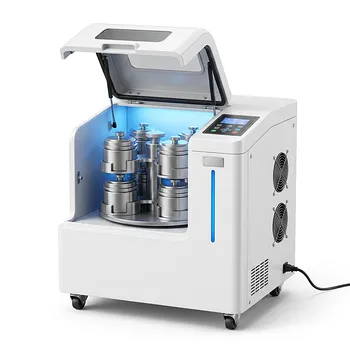
High Energy Omnidirectional Planetary Ball Mill 20L
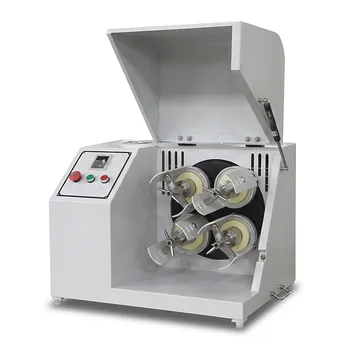
Horizontal Light Duty Planetary Ball Mill for Laboratory Sample Preparation

8L Planetary Ball Mill for Laboratory Grinding and Sample Preparation
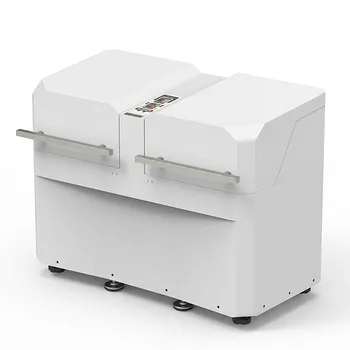
Dual Station Planetary Ball Mill 24L
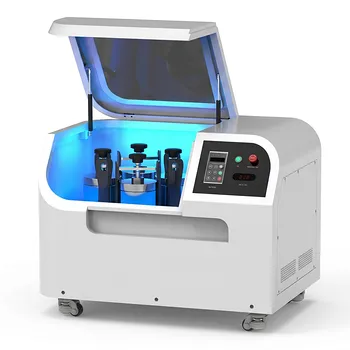
Planetary Ball Mill 12L

Nano High Energy Vibratory Ball Mill for Laboratory Sample Preparation
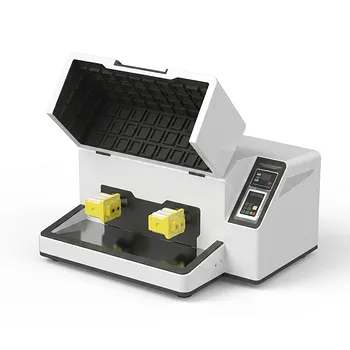
Multi-Platform Nanoscale High-Energy Vibratory Ball Mill

High Energy Hybrid Vibratory Ball Mill for Grinding Mixing and Cell Disruption