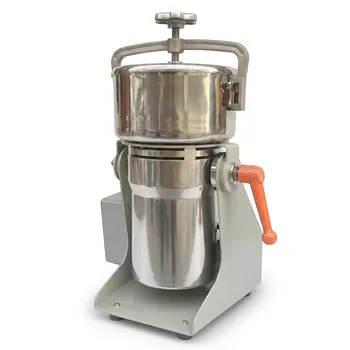
Why Grind Coal to -60 Mesh for Humic Acid Extraction? Maximize Surface Area & Chemical Reactivity for Higher Yields
Updated 5 months ago
The primary purpose of using high-energy grinding equipment to reduce coal samples to -60 mesh (250 micrometers) is to maximize the specific surface area available for chemical interaction. This process increases the number of reactive sites on the coal particles, ensuring sufficient contact with oxidants like hydrogen peroxide to significantly improve the conversion rate of humic acid.
Grinding coal to a micrometer-level fineness transforms the material from a bulk solid into a highly reactive powder. This ensures that chemical characterization is accurate and that the oxidation process is both efficient and reproducible.
Enhancing Chemical Reactivity and Conversion
Maximizing Specific Surface Area
Reducing coal to -60 mesh dramatically increases the total surface area relative to the mass of the sample. This physical transformation is essential because humic acid extraction is a surface-dependent chemical reaction.
Increasing Reactive Site Density
High-energy grinding exposes internal pores and surfaces that were previously inaccessible within larger coal chunks. These newly exposed "reactive sites" allow oxidants to attack the coal structure more effectively, facilitating the breakdown into humic substances.
Optimizing Oxidant Interaction
When coal particles are fine and uniform, liquid oxidants like hydrogen peroxide can achieve near-instantaneous and total contact with the sample. This prevents "clumping" and ensures that no part of the sample remains unreacted, leading to a higher overall yield of extracted humic acid.
Improving Analytical Accuracy and Consistency
Ensuring Sample Homogenization
Inconsistent particle sizes lead to uneven adsorption and irregular reaction rates, which can skew experimental data. Grinding to a specific mesh size ensures that the sample is homogenized, making the results of the extraction representative of the entire batch.
Precision in Chemical Characterization
Achieving a -60 mesh fineness is a prerequisite for advanced analytical techniques such as X-ray diffraction (XRD) and specific surface area testing. Uniform particles minimize deviations in diffraction peak intensity, allowing for a more precise understanding of the coal’s molecular structure.
Facilitating Material Flow
In industrial and laboratory settings, finely ground powder exhibits better flowability than raw coal. This allows the material to move smoothly through precision sieving and fractionation systems, which is critical for maintaining a narrow particle size distribution.
Understanding the Trade-offs
The Risk of Over-Grinding
While fineness increases reactivity, grinding beyond the necessary threshold (e.g., into the sub-micron range) can lead to excessive energy consumption and potential thermal degradation of the sample. Excessive heat generated during high-energy grinding may prematurely oxidize some organic components.
Handling and Dust Management
Fine powders at the -60 mesh level are highly susceptible to becoming airborne, which poses both a loss-of-material risk and a respiratory hazard. Proper containment and specialized grinding equipment are required to maintain sample integrity and operator safety.
Structural Alterations
Mechanical stress from high-energy mills can occasionally alter the crystalline or amorphous structure of the coal. While this often aids reactivity, researchers must be careful that the grinding process doesn't fundamentally change the chemical properties they intend to measure.
How to Apply This to Your Project
When preparing coal or similar organic materials for extraction or analysis, the grinding strategy should be tailored to your specific end-goal.
- If your primary focus is maximum extraction yield: Utilize high-energy rotor or disc mills to ensure the sample strictly passes the -60 mesh threshold to maximize available reactive sites for oxidation.
- If your primary focus is analytical reproducibility: Focus on the uniformity of the grind and use standard sieves to ensure a narrow particle size distribution, which minimizes noise in XRD and surface area testing.
- If your primary focus is material characterization: Minimize grinding time to prevent heat-induced structural changes while still achieving the fineness required for your specific instrumentation.
By precisely controlling the physical dimensions of the coal sample, you ensure that the chemical potential of the material is fully accessible for efficient humic acid conversion.
Summary Table:
| Key Objective | Mechanism | Impact on Extraction |
|---|---|---|
| Maximize Surface Area | Reduction to -60 mesh (250μm) | Increases area available for chemical interaction |
| Enhance Reactivity | Exposing internal pores/sites | Faster and more complete oxidation by agents like $H_2O_2$ |
| Ensure Accuracy | Sample homogenization | Improves reproducibility and XRD/analytical precision |
| Optimize Processing | Improved material flow | Facilitates efficient sieving and fractionation |
Optimize Your Sample Preparation with Precision Equipment
Achieving the perfect -60 mesh grind is critical for successful humic acid extraction and accurate material characterization. At [Your Brand Name], we provide complete laboratory sample preparation solutions tailored for material science and coal chemistry.
Our extensive range of high-energy powder processing equipment ensures your samples meet exact specifications without compromising structural integrity:
- Grinding & Milling: Planetary ball mills, jet mills, and liquid nitrogen cryogenic grinders for heat-sensitive organic materials.
- Crushing & Sieving: Heavy-duty jaw/roll crushers and precision air-jet sieve shakers to ensure narrow particle size distribution.
- Compaction & Pelleting: A full spectrum of hydraulic presses, including CIP/WIP and XRF pellet presses for advanced analytical testing.
Ready to enhance your lab's extraction efficiency and analytical accuracy? Contact our experts today to find the ideal equipment for your specific material processing needs.
References
- Muhammad Asif. Comparative Study on Extraction of Humic Acid from Pakistani Coal Samples by Oxidizing the Samples with Hydrogen Peroxide. DOI: 10.17509/ajse.v2i1.35521
Mentioned Products
- High Energy Planetary Ball Mill for Nano Scale Grinding and Mechanical Alloying
- Vertical Square Planetary Ball Mill for Laboratory Sample Preparation and Nanoscale Grinding
- High Energy Laboratory Planetary Ball Mill for Nano Grinding and Material Science Sample Preparation
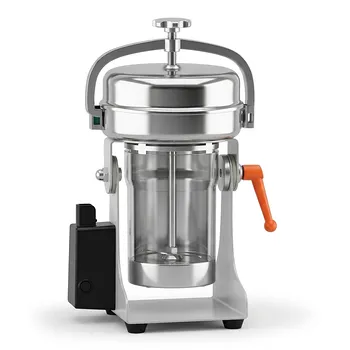
- High Efficiency High Speed Grinder 2200W 25000 RPM Laboratory Sample Preparation
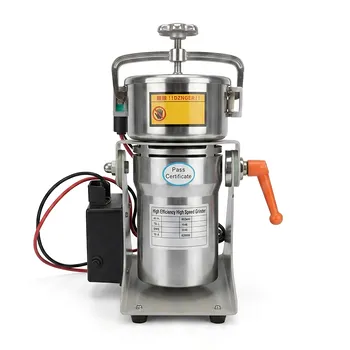
- High Efficiency High Speed Grinder Laboratory Mill 1300W 25000rpm
People Also Ask
- Why is a high-energy planetary ball mill used for nano-milling As4Se3? Achieve Expert Structural Transformation
- What role do high-energy planetary ball mills play in FDM composite filament preparation? Optimize Material Performance
- What is the role of a high-energy planetary ball mill in the exfoliation of modified WSe2? Achieve Nano-Precision
- What is the function of a planetary ball mill in glass-ceramic sintering? Optimize Reactivity and Uniformity
- What is the role of a high-energy planetary ball mill in the preparation of high-performance nano-ceramics? Key Guide

Tech Team · PowderPreparation
Last updated on May 14, 2026
Related Products
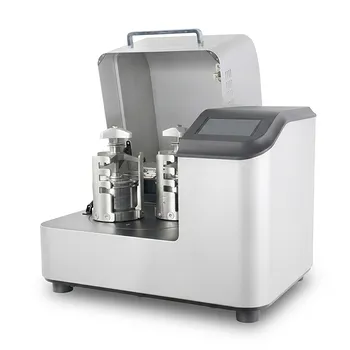
High Energy Planetary Ball Mill for Nano Scale Grinding and Mechanical Alloying
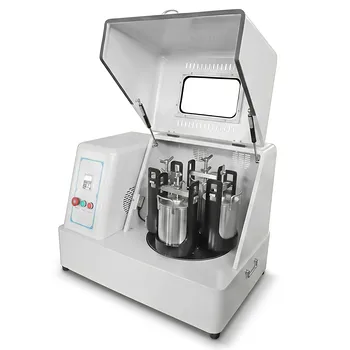
Vertical Square Planetary Ball Mill for Laboratory Sample Preparation and Nanoscale Grinding
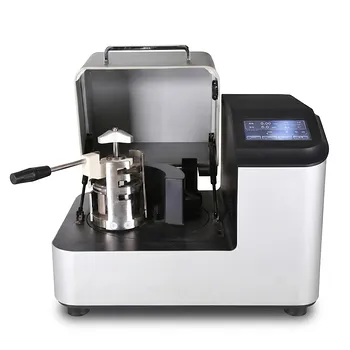
High Energy Laboratory Planetary Ball Mill for Nano Grinding and Material Science Sample Preparation
High Efficiency High Speed Grinder 2200W 25000 RPM Laboratory Sample Preparation
High Efficiency High Speed Grinder Laboratory Mill 1300W 25000rpm
Laboratory Hammer Mill for Coal Quality Analysis and Brittle Mineral Grinding
Laboratory Disc Mill Medium Hard Material Grinding Coal Coke Ore Pulverizer
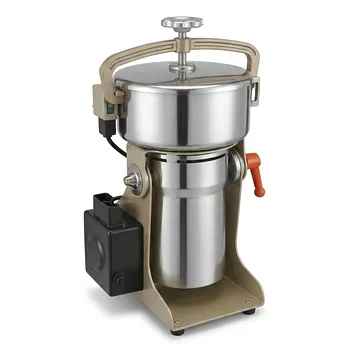
Multifunctional High Efficiency High Speed Laboratory Grinder
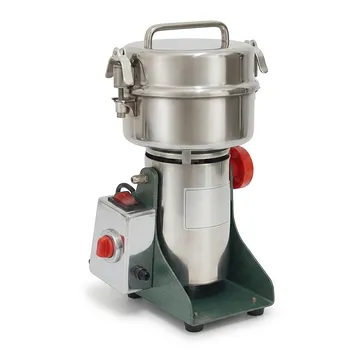
Small High Speed Grinder for Laboratory Sample Preparation
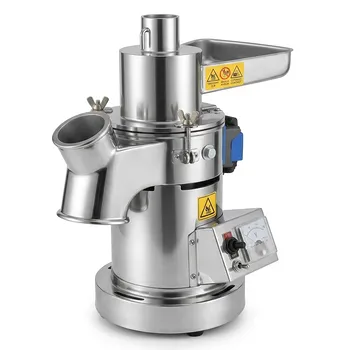
Continuous Feeding Grinder High Efficiency Pulverizer for Lab Sample Preparation
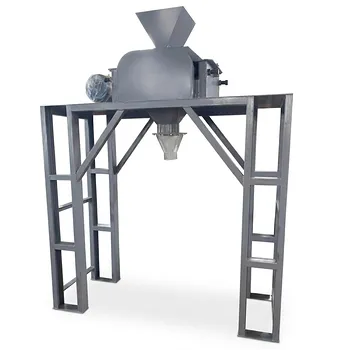
Heightened Customized Laboratory Double Roll Crusher for Coal Ore Rock Crushing
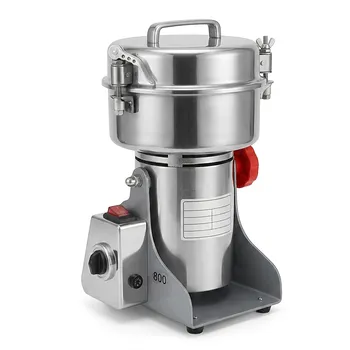
Small High-Speed Laboratory Grinder for Rapid Sample Preparation
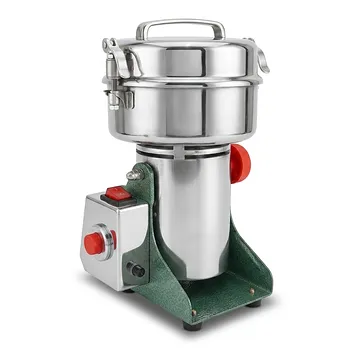
Small High-Speed Laboratory Grinder for Powder Processing
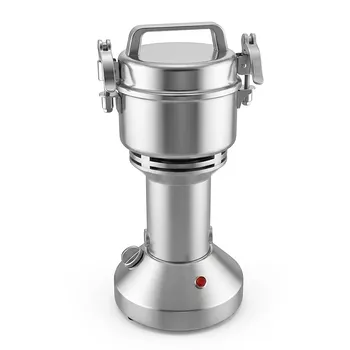
Small High Speed Upright Grinder for Laboratory Sample Preparation
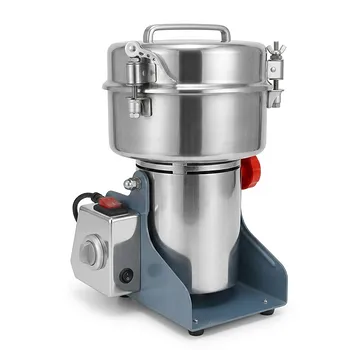
Small High-Speed Grinder for Efficient Laboratory Sample Preparation
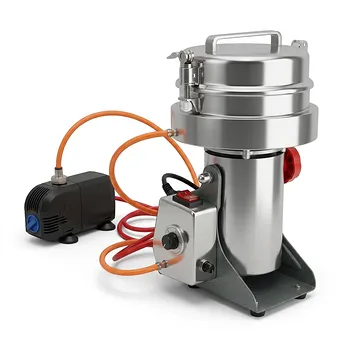
Water Cooled High Speed Grinder with Cryogenic Option for Laboratory Sample Preparation
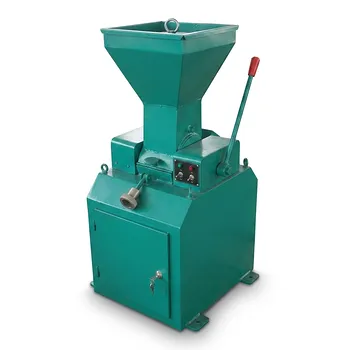
Laboratory Sealed Hammer Crusher for Coal and Mineral Sample Preparation
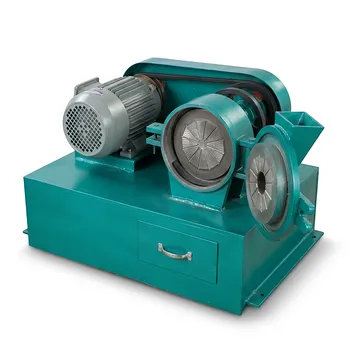
Laboratory Disc Pulverizer for Coal Coke Ore and Medium Hard Materials Sample Preparation
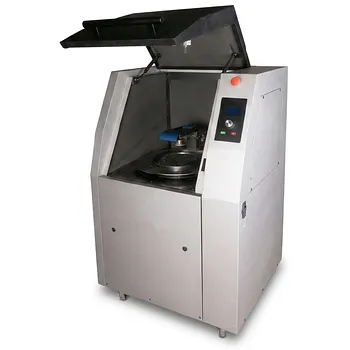
High Speed Vibratory Disc Mill for Spectral Analysis Sample Preparation and Rapid Powder Grinding