What is the purpose of grinding equipment in bentonite processing? Maximize Surface Area & Chemical Reactivity.
Updated 4 months ago
The primary purpose of grinding equipment in bentonite processing is to mechanically transform raw, lumpy ore into a fine, high-surface-area powder. This physical refinement is a mandatory prerequisite that ensures the mineral can be effectively screened, chemically modified, and dispersed in industrial applications.
Core Takeaway: Grinding serves as the critical "activation" step for bentonite. By reducing particle size, it exponentially increases the material's specific surface area, which is essential for maximizing the efficiency of subsequent chemical reactions and ensuring consistent performance in downstream products.
Physical Refinement and Standardization
Breaking Down Mineral Agglomeration
Raw bentonite is typically extracted as dry, dense lumps or hard rock fragments that are unsuitable for direct industrial use. Grinding equipment, such as jaw crushers and impact mills, uses physical mechanical force to pulverize these blocks.
This process breaks down the physical agglomeration of the minerals. By reducing a 10 kg fragment into uniform micron-scale particles, the equipment creates a standardized physical state necessary for predictable processing.
Preparation for Screening and Sieving
Preliminary grinding is the gateway to quality control. Refined particles must reach specific dimensions before they can proceed to the screening and sieving phases.
Standardization of particle size (often targeting thresholds like 63μm) ensures that the raw material is free of oversized contaminants. This uniformity is vital for the continuity and efficiency of the entire material preparation workflow.
Maximizing Chemical and Reactive Potential
Increasing Specific Surface Area
The most significant technical benefit of grinding is the massive increase in specific surface area. By breaking one large lump into millions of tiny particles, more of the mineral's internal structure is exposed to the environment.
This exposure is critical for bentonite because its value lies in its surface chemistry. A higher surface area allows for more thorough contact between the mineral and chemical agents during refinement.
Facilitating Efficient Ion Exchange
Bentonite often undergoes chemical modification, such as sodium activation, to improve its properties. The increased surface area provided by grinding facilitates higher efficiency and completeness of ion exchange reactions.
When the specific surface area is maximized, chemical additives can react more rapidly and deeply with the mineral lattice. This results in a more stable and high-performing final product, particularly in specialized fields like rare metal extraction.
Understanding the Trade-offs
Energy Consumption vs. Particle Size
While finer grinding increases reactivity, it also significantly increases operational costs. Achieving micron-level particles requires high-energy impact forces and prolonged processing times.
Operators must balance the need for high reactivity with the energy expenditure of the mills. Over-processing can lead to diminishing returns where the cost of grinding outweighs the performance benefits of the resulting powder.
Risk of Over-Grinding and Fines
Excessive grinding can sometimes produce an overabundance of "fines"—particles that are too small for certain filtration or screening systems. This can lead to equipment clogging or material loss during transport.
Maintaining a precise particle size distribution is more important than simply achieving the smallest size possible. Precision ensures the material remains manageable throughout the remaining production stages.
How to Apply This to Your Project
Optimizing Processing for Specific Goals
The intensity and type of grinding equipment you choose should align with your final product requirements. Different applications demand different levels of physical refinement.
- If your primary focus is Ion Exchange Efficiency: Prioritize high-energy milling to maximize specific surface area, ensuring chemical agents can fully penetrate the mineral structure.
- If your primary focus is Drilling Fluid Stability: Focus on achieving a consistent micron-scale powder (e.g., 63μm) to enhance dispersion in water and optimize rheological performance.
- If your primary focus is Preliminary Ore Preparation: Utilize heavy-duty jaw crushers to provide a uniform feed for secondary grinders, focusing on workflow continuity rather than extreme fineness.
By mastering the mechanical reduction of bentonite, you unlock the chemical potential required for high-performance industrial applications.
Summary Table:
| Process Phase | Key Objective | Recommended Equipment |
|---|---|---|
| Physical Refinement | Breaking ore lumps into uniform powder | Jaw Crushers, Roll Crushers |
| Standardization | Preparing for precise screening/sieving | Vibratory Sieve Shakers, Impact Mills |
| Activation | Increasing specific surface area | Planetary Ball Mills, Jet Mills |
| Chemical Modification | Facilitating efficient ion exchange | Disc Mills, Rotor Mills |
Elevate Your Material Science Research with Precision
At [Brand Name], we specialize in providing complete laboratory sample preparation solutions tailored for high-performance material processing. We understand that the quality of your final product depends on the precision of your preliminary grinding and compaction.
Our Comprehensive Product Line Includes:
- Powder Processing: High-efficiency crushers (jaw/roll) and a wide range of mills (planetary ball, jet, sand/bead, disc, and rotor).
- Sieving & Mixing: Vibratory and air-jet sieve shakers, alongside advanced powder and defoaming mixers.
- Advanced Compaction: A full spectrum of hydraulic presses, including Cold/Warm Isostatic Presses (CIP/WIP), standard lab presses, XRF pellet presses, and vacuum hot presses.
Unlock the full chemical potential of your raw materials and ensure consistent, high-quality results. Contact us today to discuss your project needs and discover how our specialized equipment can optimize your laboratory workflow!
References
- Ameloko Anthony Aduojo, Babalola Aisosa Oni. Assessment of clay materials for suitability in drilling mud formulation from part of Ondo State, South-West Nigeria. DOI: 10.1007/s13202-020-00947-9
Mentioned Products
- Cross Beater Mill for Brittle Material Grinding and Continuous Fine Crushing Industrial Sample Preparation
- Laboratory Hammer Mill for Coal Quality Analysis and Brittle Mineral Grinding
- Heavy Duty Horizontal Planetary Ball Mill for Efficient Industrial Grinding and Sample Preparation
- Laboratory Disc Mill for Fine Sample Preparation of Hard and Brittle Materials
- High Energy Laboratory Planetary Ball Mill for Nano Grinding and Material Science Sample Preparation
People Also Ask
- Why use lab mills for corncob size reduction? Boost activated carbon surface area and activation efficiency.
- How does an industrial grinding mill contribute to groundnut shell powder preparation? Enhance Polymer Filler Performance
- What is the technical significance of the relative collision velocity of grinding media? Maximize Milling Efficiency
- What is the role of industrial crushers and grinding equipment in waste glass pretreatment for eco-friendly bricks?
- What Role Does Lab Grinding Play in Banana Fiber Thermal Coatings? Optimize Waste Into High-Performance Barriers

Tech Team · PowderPreparation
Last updated on Jun 03, 2026
Related Products
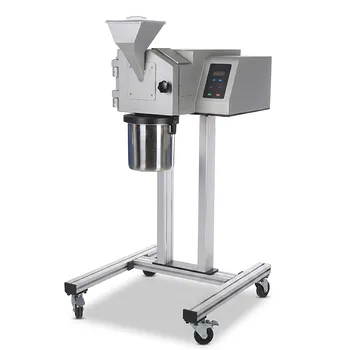
Cross Beater Mill for Brittle Material Grinding and Continuous Fine Crushing Industrial Sample Preparation
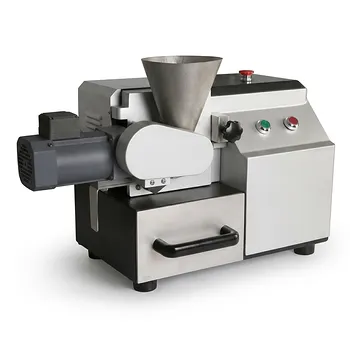
Laboratory Hammer Mill for Coal Quality Analysis and Brittle Mineral Grinding

Heavy Duty Horizontal Planetary Ball Mill for Efficient Industrial Grinding and Sample Preparation
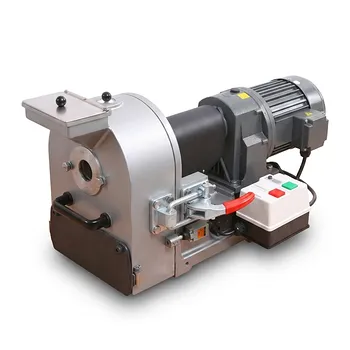
Laboratory Disc Mill for Fine Sample Preparation of Hard and Brittle Materials
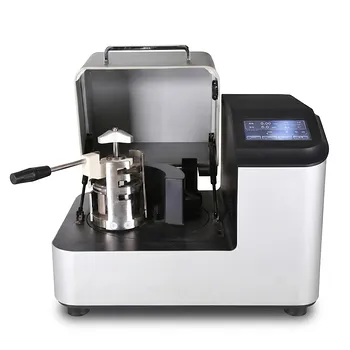
High Energy Laboratory Planetary Ball Mill for Nano Grinding and Material Science Sample Preparation

Vertical Square Planetary Ball Mill for Laboratory Sample Preparation and Nanoscale Grinding
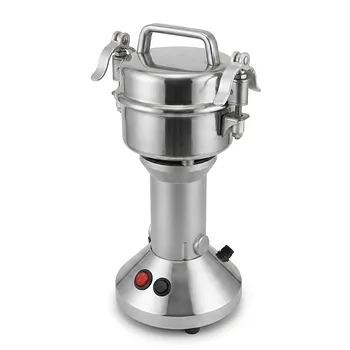
Continuous Feeding Grinding Mill for Dry Fibrous Tough and Hard Materials in Laboratory and Small Production
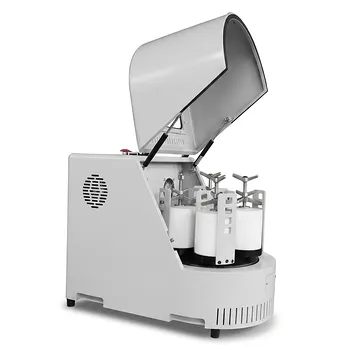
Vertical Semi Circular Planetary Ball Mill for Laboratory Precision Grinding

High Energy Planetary Ball Mill for Nano Scale Grinding and Mechanical Alloying
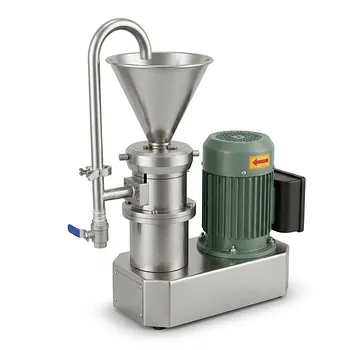
Small Laboratory Colloid Mill for Ultra-Fine Wet Grinding and Emulsification
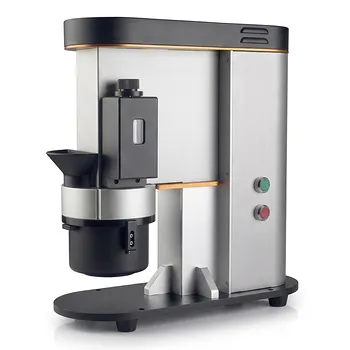
Precision Soil Disc Mill for Laboratory Fine Grinding and Environmental Sample Preparation
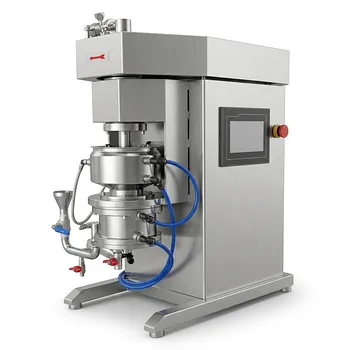
Small Ceramic Structure Laboratory Sand Mill Nanoscale Grinding Dispersion Equipment Seal-less Screen-less Design
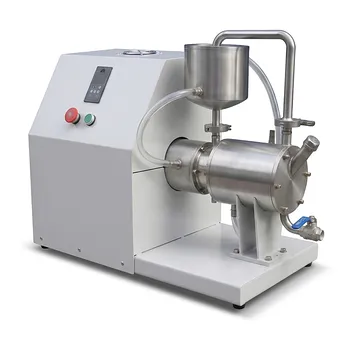
Laboratory Small Horizontal Sand Mill for Nano Materials Wet Grinding
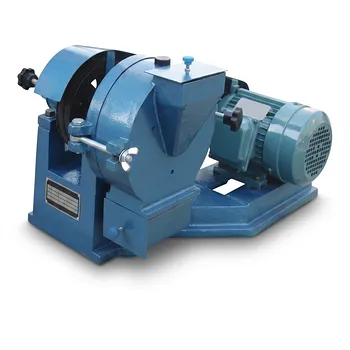
Laboratory Disc Mill for Ore and Mineral Sample Preparation
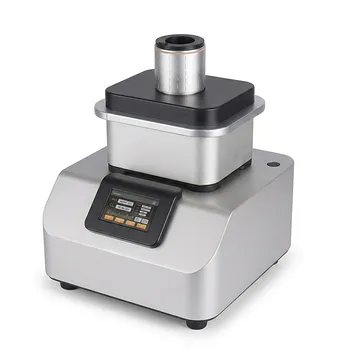
Ultra Centrifugal Mill High Speed Laboratory Grinder for Fibrous and Brittle Sample Preparation

Miniature Planetary Ball Mill with Vacuum Grinding and High Efficiency for Laboratory Sample Preparation
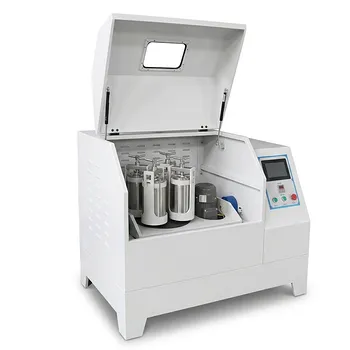
360° Rotating Omnidirectional Laboratory Planetary Ball Mill for Homogeneous Ultra-Fine Grinding and Mixing
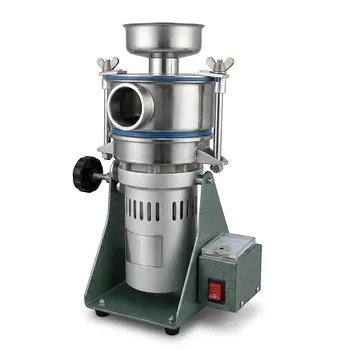
Small Airflow Ultra-Fine Grinder for Laboratory Sample Preparation
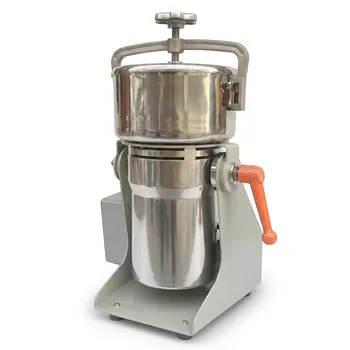
High Speed Laboratory Grinder Efficient Stainless Steel Powder Pulverizer Universal Material Science Mill for Sample Preparation