What are the functions of crushers & grinders in mine tailing preparation for cement? Maximize Material Reactivity
Updated 4 months ago
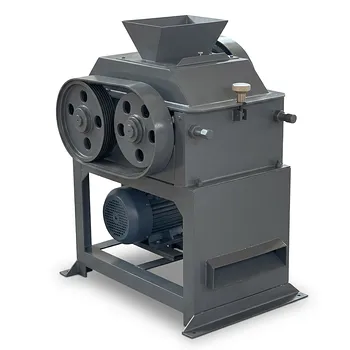
The primary function of crushers and grinding equipment in mine tailing preparation is the multi-stage comminution of waste rock into micron-scale powders. This mechanical reduction transforms irregular, inert slag and ore into high-surface-area particles that serve as the physical foundation for chemical activation. By refining these materials, the equipment enables their transition from environmental waste to high-value supplementary cementitious materials (SCMs).
Core Takeaway: Crushers and grinders are used to increase the specific surface area and reactivity of mine tailings, converting large-scale waste into uniform, micron-sized powders that can participate in cementitious reactions.
Transforming Bulky Waste into Reactive Feedstock
Multi-Stage Particle Size Reduction
In the initial processing stage, jaw crushers and similar heavy machinery utilize mechanical compression and impact forces to break down large waste rocks. This primary reduction is essential to convert coarse ore blocks into a granularity suitable for secondary systems.
Without this "feed preparation," subsequent grinding tools like ball mills or stirred mills cannot operate efficiently. The process ensures that material dimensions are precisely controlled before entering the fine-grinding phase.
Micron-Scale Powder Production
Once the material is reduced to a manageable size, grinding equipment performs the final refinement into micron-scale fine powders. This step is critical for modifying the physical form of the tailings to match the consistency of traditional cement components.
Refined powders are necessary for creating a uniform mixture with other binders like fly ash. This uniformity ensures that the final cementitious product maintains consistent mechanical properties across the entire batch.
Enhancing Chemical and Physical Performance
Increasing Specific Surface Area
The most significant technical outcome of grinding is the dramatic increase in specific surface area. By breaking down the physical structure of the ore, the equipment fully exposes the internal mineral surfaces.
A higher surface area directly correlates to increased reaction activity. This exposure is vital for low-grade limestone and tailings, allowing them to react more effectively when used as aggregates or SCMs.
Establishing Foundations for Chemical Activation
Mechanical grinding serves as the "physical trigger" for subsequent chemical activation. By reducing the particles to a specific fineness, the equipment ensures the material can interact properly with leaching agents or alkaline activators.
This process is what allows mine tailings to contribute to the densification rate during curing or sintering. The result is a final material with significantly higher hardness and mechanical strength.
Optimizing Particle Size Distribution
Industrial-grade equipment, often paired with standard sieves, allows for precise control over particle size distribution (PSD). Controlling the PSD is essential for optimizing the packing density of the resulting material.
A well-graded powder fills the microscopic voids within a cement matrix more effectively than a poorly graded one. This leads to a more durable, less permeable final product, such as refractory bricks or paving blocks.
Understanding the Trade-offs
Energy Consumption vs. Fineness
There is a direct trade-off between the desired fineness of the powder and the energy efficiency of the processing plant. While finer powders offer higher reactivity, the energy required for ultra-fine grinding increases exponentially.
Over-grinding can also lead to "caking" or agglomeration, where particles stick together, effectively reducing the active surface area you worked to create.
Equipment Wear and Material Hardness
Mine tailings are often highly abrasive, leading to significant mechanical wear on crusher liners and grinding media. Choosing the wrong equipment for high-hardness slag can result in frequent downtime and high maintenance costs.
Furthermore, precise physical processing must be balanced against the cost of grading. While multi-stage sieving produces a superior product, it adds complexity to the production line that may not be necessary for all applications.
How to Apply This to Your Project
Making the Right Choice for Your Goal
- If your primary focus is maximizing chemical reactivity: Prioritize fine-grinding equipment that can reach micron-scale fineness to maximize the specific surface area available for activation.
- If your primary focus is energy cost reduction: Focus on optimizing the primary crushing stage to ensure the feed size for the secondary mill is as uniform as possible, reducing the load on high-energy grinding systems.
- If your primary focus is structural density in blocks: Invest in grading and sieving equipment to control the particle size distribution, ensuring the tailings act as a high-density filler within the cement system.
By mastering the mechanical breakdown of tailings, you transform a liability of the mining process into a critical asset for sustainable construction.
Summary Table:
| Equipment Type | Process Stage | Key Function & Technical Benefit |
|---|---|---|
| Crushers (Jaw/Roll) | Primary Reduction | Breaks down bulky waste rock into manageable feed for secondary milling. |
| Grinding Mills | Fine Refinement | Produces micron-scale powders to maximize specific surface area and chemical reactivity. |
| Sieve Shakers | Grading & PSD | Controls particle size distribution to optimize packing density and structural durability. |
| Hydraulic Presses | Compaction | Consolidates prepared powders into high-strength cementitious blocks or testing pellets. |
Elevate Your Material Preparation with Precision Equipment
Transforming mine tailings into high-performance cementitious materials requires the right mechanical tools. [Your Brand Name] specializes in providing complete laboratory sample preparation solutions for material science, ensuring your waste-to-value process is efficient and scalable.
Our extensive product line supports every stage of your workflow:
- Crushing & Milling: From heavy-duty jaw crushers to ultra-fine planetary ball mills, jet mills, and cryogenic grinders.
- Sieving & Mixing: High-precision vibratory/air-jet sieve shakers and advanced powder/defoaming mixers for a uniform feedstock.
- Advanced Compaction: A full spectrum of hydraulic presses, including Cold/Warm Isostatic Presses (CIP/WIP), vacuum hot presses, and XRF pellet presses for superior densification.
Whether you are refining industrial slag or developing new SCMs, our equipment ensures maximum reactivity and mechanical strength. Contact our experts today to find the perfect solution for your lab!
References
- Yipu Guo, Wengui Li. Advancing circular economy and construction sustainability: transforming mine tailings into high-value cementitious and alkali-activated concrete. DOI: 10.1038/s44296-025-00049-9
Mentioned Products
- Cross Beater Mill for Brittle Material Grinding and Continuous Fine Crushing Industrial Sample Preparation
- Stainless Steel Coarse Crusher for Pharmaceutical Food and Plastic Material Processing
- 150×125mm Laboratory Jaw Crusher for Medium and Fine Crushing of Brittle Materials
- Versatile Industrial Crusher for Laboratory Crushing and Material Processing
- Heavy Duty Industrial Jaw Crusher for Primary Ore Crushing and High Capacity Mineral Material Size Reduction
People Also Ask
- Why use lab mills for corncob size reduction? Boost activated carbon surface area and activation efficiency.
- How does an industrial grinding mill contribute to groundnut shell powder preparation? Enhance Polymer Filler Performance
- What is the technical significance of the relative collision velocity of grinding media? Maximize Milling Efficiency
- What is the role of industrial crushers and grinding equipment in waste glass pretreatment for eco-friendly bricks?
- What Role Does Lab Grinding Play in Banana Fiber Thermal Coatings? Optimize Waste Into High-Performance Barriers

Tech Team · PowderPreparation
Last updated on Jun 03, 2026
Related Products
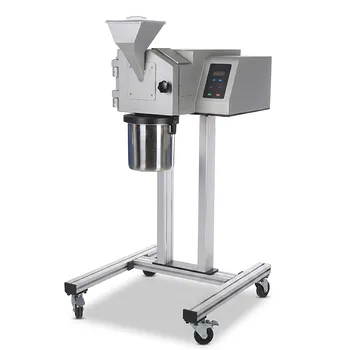
Cross Beater Mill for Brittle Material Grinding and Continuous Fine Crushing Industrial Sample Preparation
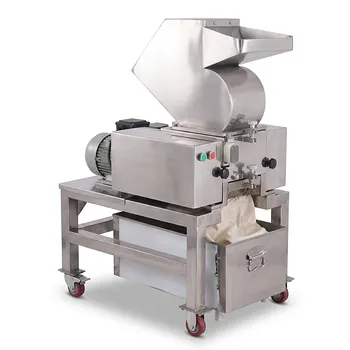
Stainless Steel Coarse Crusher for Pharmaceutical Food and Plastic Material Processing
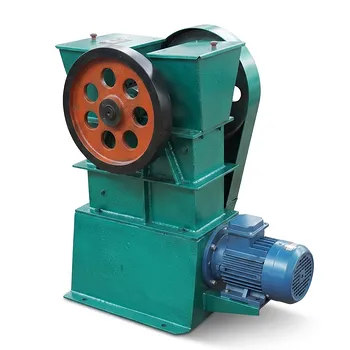
150×125mm Laboratory Jaw Crusher for Medium and Fine Crushing of Brittle Materials
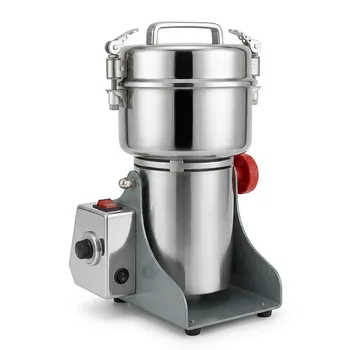
Versatile Industrial Crusher for Laboratory Crushing and Material Processing
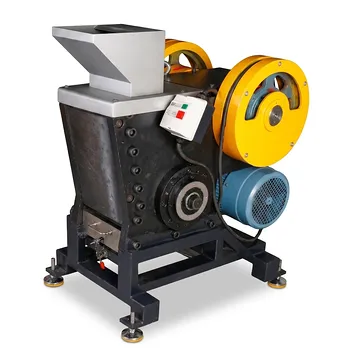
Heavy Duty Industrial Jaw Crusher for Primary Ore Crushing and High Capacity Mineral Material Size Reduction
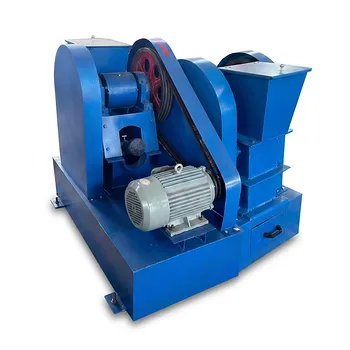
Horizontal Jaw Crusher Medium Hard Material Crushing Laboratory Sample Preparation Equipment
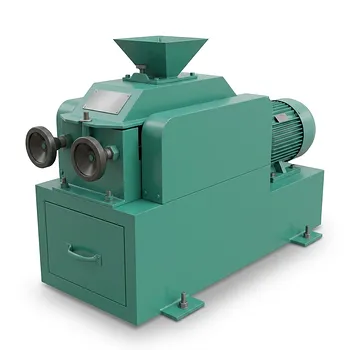
Horizontal Double Roll Crusher for Medium Fine Crushing of Coal Limestone and Ores
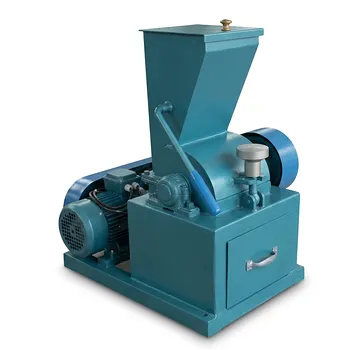
Small Hammer Crusher for Brittle Material Crushing in Mining Metallurgy and Lab Sample Preparation
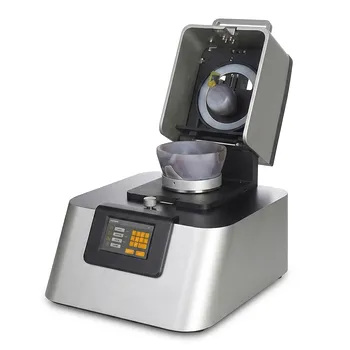
Laboratory Mortar Grinder for Sample Preparation and Cryogenic Powder Homogenization
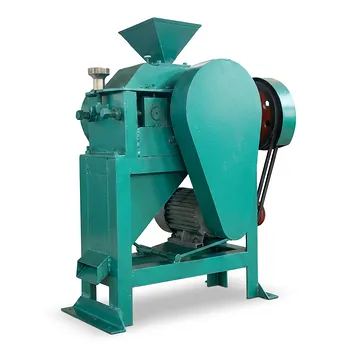
Laboratory Sealed Double Roll Crusher for Coal Ore Rock and Medium Hardness Materials Sample Preparation
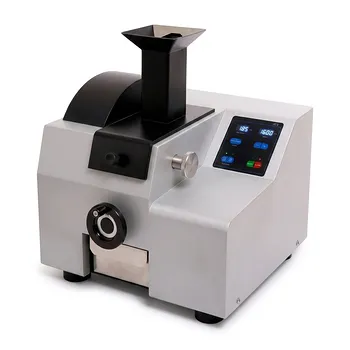
Laboratory Benchtop Jaw Crusher for Hard Brittle Materials Primary Size Reduction and Sample Preparation
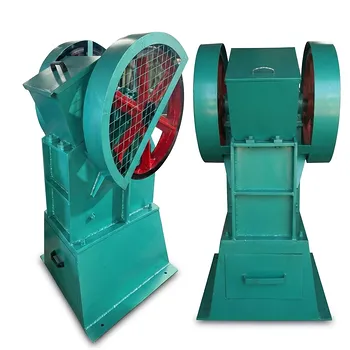
Sealed Jaw Crusher for Laboratory Material Crushing and Sample Preparation
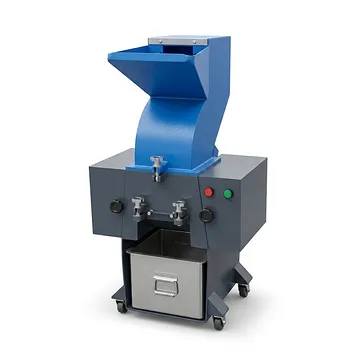
Heavy-Duty Crusher for Laboratory and Industrial Material Size Reduction
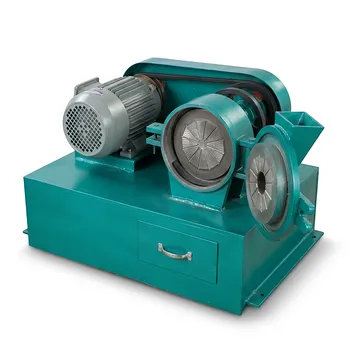
Laboratory Disc Pulverizer for Coal Coke Ore and Medium Hard Materials Sample Preparation
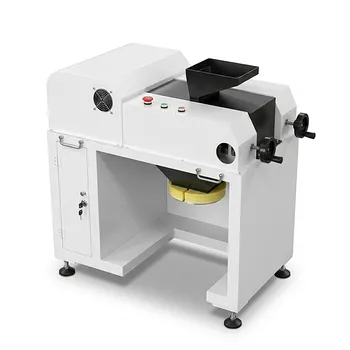
Precision Toothed Roll Crusher for Laboratory Coal and Mineral Sample Preparation
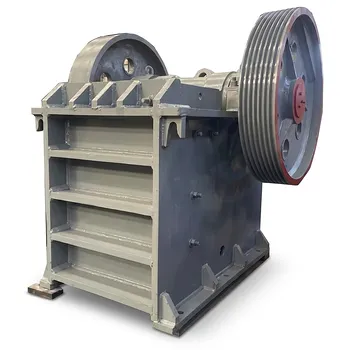
Heavy-Duty Jaw Crusher for Medium-Hard Ore and Industrial Mineral Crushing
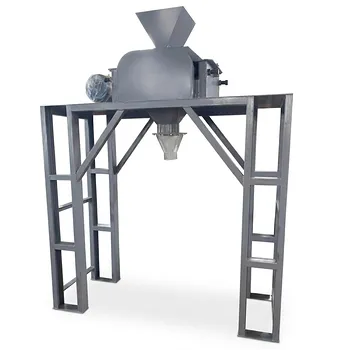
Heightened Customized Laboratory Double Roll Crusher for Coal Ore Rock Crushing
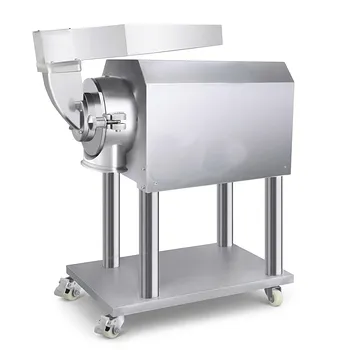
High Speed Small Laboratory Crusher for Dry Material Sample Preparation
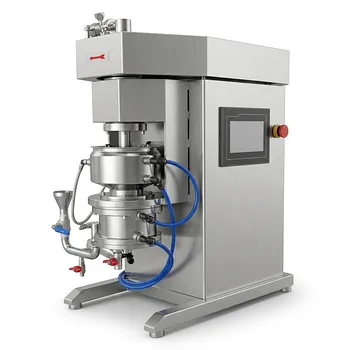
Small Ceramic Structure Laboratory Sand Mill Nanoscale Grinding Dispersion Equipment Seal-less Screen-less Design