What is the primary purpose of using crushers or mills during the torrefaction pretreatment of agricultural biomass?
Updated 4 months ago
The primary purpose of using crushers or mills during the torrefaction pretreatment of agricultural biomass is to significantly increase the material's specific surface area. By reducing bulky raw materials into smaller particles, these machines ensure faster and more uniform heat transfer during the thermochemical conversion process. This physical transformation is critical for achieving reaction synchronization, ensuring that the final torrefied product possesses consistent chemical and physical properties.
The use of crushers and mills acts as the essential physical foundation for torrefaction, converting irregular agricultural residues into a standardized feedstock. This process optimizes heat and mass transfer rates, which are the primary drivers of efficient and uniform biomass upgrading.
Enhancing Thermochemical Efficiency
Maximizing Specific Surface Area
Crushers and mills utilize mechanical shear, impact, or compression forces to break down the complex structure of agricultural residues like straw or corn stalks. By reducing the particle size—often to ranges between 1 mm and 6.35 mm—the available surface area per unit of mass increases exponentially.
Facilitating Rapid Heat and Mass Transfer
In a torrefaction reactor, heat must penetrate the biomass to initiate the release of volatiles. Smaller particles allow for faster thermal conduction and more efficient mass transfer of gases, preventing the "cold core" effect where the center of a large particle remains untreated while the surface overcooks.
Achieving Reaction Synchronization
When biomass particles are of a uniform, reduced size, they respond to thermal energy at a similar rate. This synchronization ensures that the entire batch reaches the desired degree of torrefaction simultaneously, resulting in a homogenous end product with stable calorific values.
Improving Downstream Processability
Breaking Fibrous Structures
Agricultural biomass, such as wheat straw or miscanthus, possesses a resilient fibrous structure that resists processing. Milling disrupts these lignocellulosic bonds, making the material more brittle and easier to handle in subsequent industrial stages.
Optimizing Material Flow and Feeding
Inconsistent particle sizes can lead to bridging or clogging within torrefaction reactors and transport systems. Industrial crushers ensure a consistent granularity, which is vital for maintaining a steady flow of material through the reactor and preventing mechanical downtime.
Preparing for High-Density Pelletization
Size reduction provides the necessary physical foundation for creating high-density pellets or briquettes. Fine particles allow for tighter bonding and reduced internal porosity, which significantly improves the mechanical strength and energy density of the final fuel product.
Understanding the Trade-offs
Energy Consumption vs. Particle Size
While finer particles improve reaction efficiency, the energy required to operate high-speed mills increases significantly as the target particle size decreases. Finding the economic "sweet spot"—where the benefits of increased surface area outweigh the electrical costs of grinding—is a critical operational challenge.
Dust Management and Safety Risks
Extensive milling creates fine dust, which poses both respiratory health risks and combustible dust explosion hazards. Facilities must balance the need for fine particles with robust dust collection systems and safety protocols to manage the volatile nature of pulverized biomass.
Material Loss and Oversized Particles
Inadequate crushing can leave oversized "shards" that do not torrefy completely, while over-processing can lead to material loss during sieving. Maintaining tight tolerances in the crushing stage is essential to prevent waste and ensure the quality of the final output.
Tailoring the Comminution Strategy to Your Objective
Effective pretreatment requires aligning your milling strategy with your ultimate production goals. Selecting the right particle size is a balance between chemical reactivity and mechanical efficiency.
- If your primary focus is high-density pellet production: Utilize a mill to achieve a very fine powder (e.g., <1 mm) to ensure maximum particle bonding and structural integrity in the final briquette.
- If your primary focus is maximizing reactor throughput: Aim for a moderate particle size (e.g., 3 mm to 6 mm) to enhance heat transfer while minimizing the energy load on your crushing equipment.
- If your primary focus is chemical analysis and consistency: Use high-speed impact crushers to ensure a highly uniform sample that allows for precise determination of calorific values and chemical composition.
Properly executed size reduction transforms raw agricultural waste into a high-performance fuel precursor, ensuring the economic and technical viability of the torrefaction process.
Summary Table:
| Key Benefit | Description | Impact on Torrefaction |
|---|---|---|
| Surface Area Expansion | Reduces bulky residues into 1mm–6.35mm particles | Accelerates chemical reaction rates |
| Heat & Mass Transfer | Eliminates "cold core" effects in particles | Ensures uniform thermal conversion |
| Structural Disruption | Breaks resilient lignocellulosic bonds | Increases brittleness for easier handling |
| Flow Optimization | Creates consistent feedstock granularity | Prevents reactor bridging and clogging |
| Pelletization Base | Provides fine particles for tighter bonding | Enhances mechanical strength of final fuel |
Elevate Your Biomass Research with Precision Engineering
Optimizing agricultural biomass torrefaction requires the right mechanical foundation. At [Insert Brand Name], we provide complete laboratory sample preparation solutions tailored for material science and energy research.
Whether you need to increase specific surface area or prepare high-density fuel pellets, our specialized equipment ensures consistency and efficiency:
- Size Reduction: High-performance jaw/roll crushers and an extensive line of mills (planetary ball, disc, rotor, and jet mills).
- Classification: Vibratory and air-jet sieve shakers for precise particle size distribution.
- Compaction: A full spectrum of hydraulic presses, including Cold Isostatic Presses (CIP) and hot presses for superior pellet density.
Ready to streamline your powder processing workflow? Contact our technical experts today to find the perfect equipment for your material challenges.
References
- Young Min Ju. Prediction and Characterization of Torrefaction Yield of Agricultural by-product Biomass by Temperature. DOI: 10.12972/jales.20170006
Mentioned Products
- Precision Toothed Roll Crusher for Laboratory Coal and Mineral Sample Preparation
- High Speed Small Laboratory Crusher for Dry Material Sample Preparation
- Horizontal Double Roll Crusher for Medium Fine Crushing of Coal Limestone and Ores
- Heightened Customized Laboratory Double Roll Crusher for Coal Ore Rock Crushing
- Versatile Industrial Crusher for Laboratory Crushing and Material Processing
People Also Ask
- Why use a lab roll crusher after jaw crushing for magnetite? Optimize kinetics and preserve material integrity.
- Why is material selection for crusher rollers critical for abrasive materials? Balance Purity and Tool Longevity
- Why is a double roll crusher used for tin & tantalum? Prevent over-crushing & optimize gravity separation recovery.
- What is the role of a roll crusher in the pretreatment of coal gangue for sodium zeolite? Optimize Your Synthesis.
- Why Pre-Crush Bulk ZnFeS Before Ball Milling? Essential Steps for Efficiency and High-Purity Micron Refinement

Tech Team · PowderPreparation
Last updated on May 14, 2026
Related Products
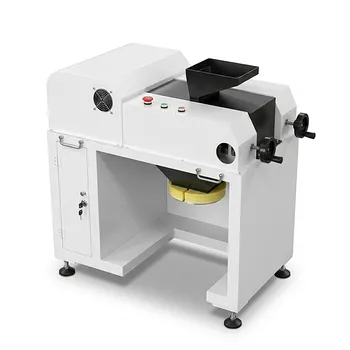
Precision Toothed Roll Crusher for Laboratory Coal and Mineral Sample Preparation
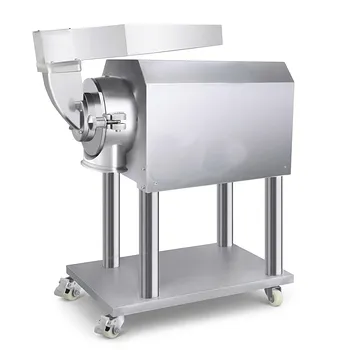
High Speed Small Laboratory Crusher for Dry Material Sample Preparation
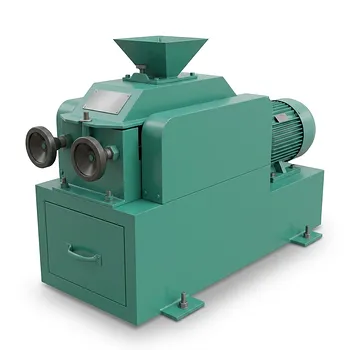
Horizontal Double Roll Crusher for Medium Fine Crushing of Coal Limestone and Ores
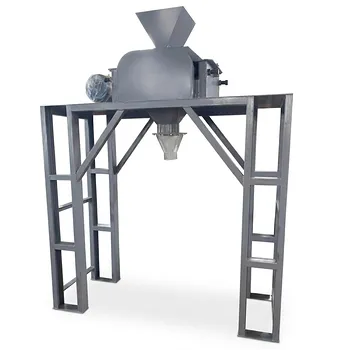
Heightened Customized Laboratory Double Roll Crusher for Coal Ore Rock Crushing
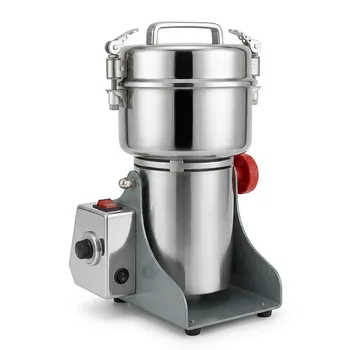
Versatile Industrial Crusher for Laboratory Crushing and Material Processing
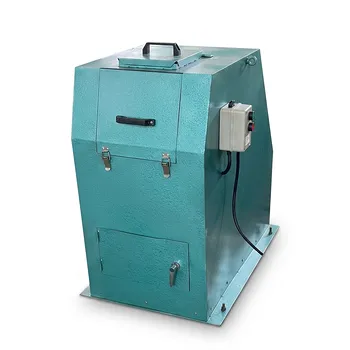
Environmentally Friendly Sealed Laboratory Jaw Crusher for Sample Preparation
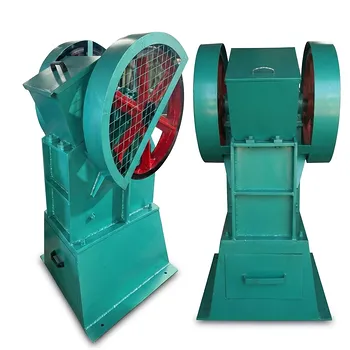
Sealed Jaw Crusher for Laboratory Material Crushing and Sample Preparation
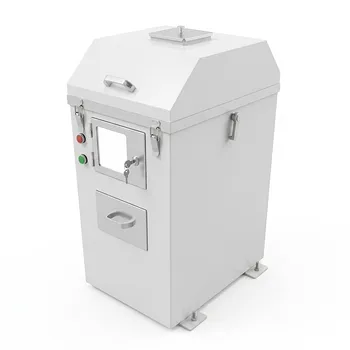
Sealed Double Roll Crusher for Laboratory Sample Preparation of Medium Hardness Materials
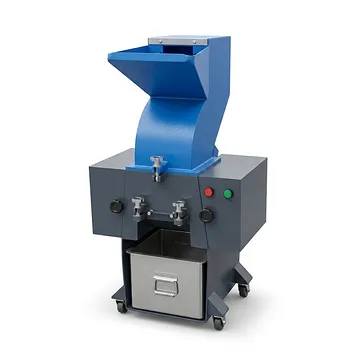
Heavy-Duty Crusher for Laboratory and Industrial Material Size Reduction
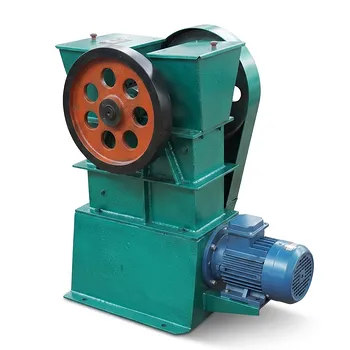
150×125mm Laboratory Jaw Crusher for Medium and Fine Crushing of Brittle Materials
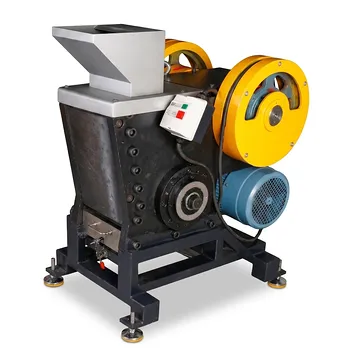
Heavy Duty Industrial Jaw Crusher for Primary Ore Crushing and High Capacity Mineral Material Size Reduction
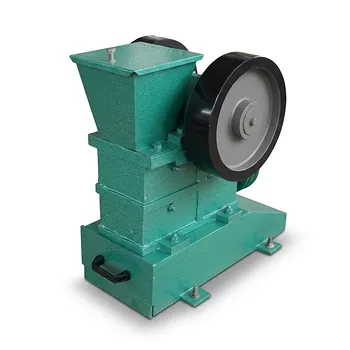
Laboratory Small Jaw Crusher 100x60mm
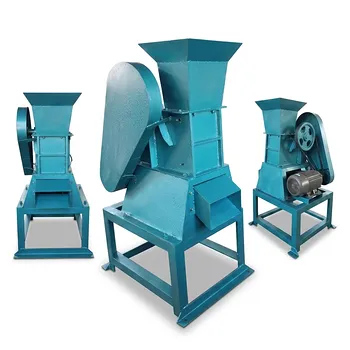
Custom Raised Height Laboratory Jaw Crusher for Precision Sample Preparation in Material Science
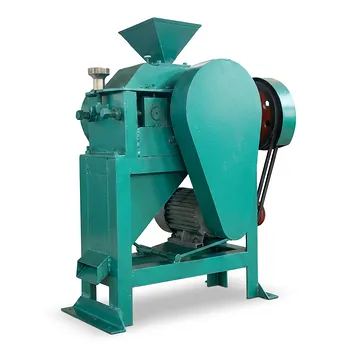
Laboratory Sealed Double Roll Crusher for Coal Ore Rock and Medium Hardness Materials Sample Preparation
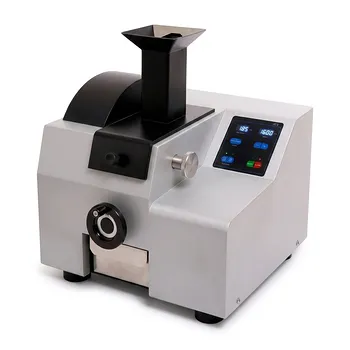
Laboratory Benchtop Jaw Crusher for Hard Brittle Materials Primary Size Reduction and Sample Preparation
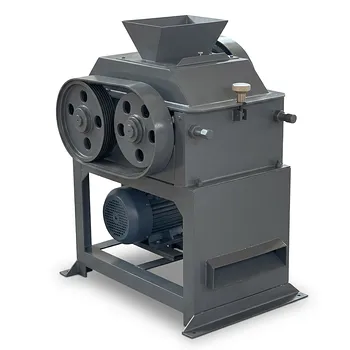
Sealed Laboratory Double Roll Crusher for Coal, Mineral, Ore Sample Preparation
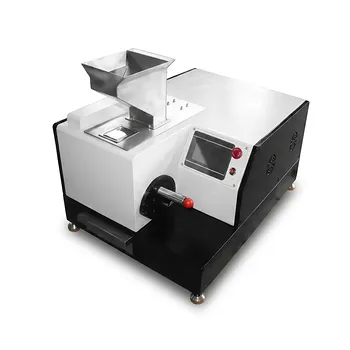
Experimental Jaw Crusher for Laboratory Ore Crushing and Sample Preparation
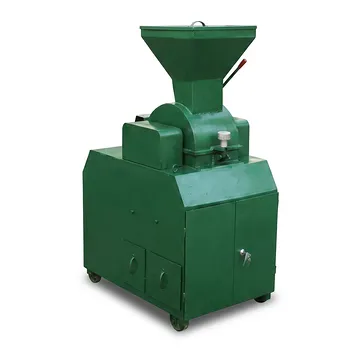
Industrial Sealed Hammer Knife Crusher for Mining Ore and Coal Sample Preparation
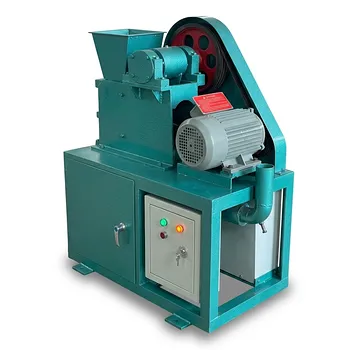
EP-B Type Sealed Jaw Crusher for Laboratory Sample Preparation