What is the purpose of a planetary ball mill for PZT ink? Achieve High Purity and Uniform Particle Refinement
Updated 4 months ago
The primary purpose of using a planetary ball mill with high-purity zirconia grinding balls is to achieve uniform particle refinement and homogenization while strictly maintaining the chemical purity of the PZT ink. This specific combination utilizes high-energy kinetic forces to reduce powders to the micron level and disperse them within solvents, ensuring that no metallic contaminants or foreign oxides are introduced to degrade the material’s final piezoelectric performance.
This process serves as the technical foundation for high-performance ceramics by maximizing the chemical reactivity of the raw materials through mechanical refinement. By utilizing ultra-wear-resistant zirconia media, manufacturers can guarantee the compositional integrity required to synthesize a pure perovskite phase during subsequent thermal processing.
Achieving Precision Refinement and Homogenization
The Role of High-Energy Kinetic Forces
A planetary ball mill operates by generating intense impact and shear forces through high-speed rotation. These forces effectively crush raw material powders—such as lead oxide, zirconium dioxide, and titanium dioxide—down to the micron level.
This mechanical action ensures that PZT powder, sintering aids, and solvents are thoroughly mixed at an atomic level. This level of uniformity is impossible to achieve through manual or low-energy stirring methods.
Increasing Surface Energy for Reactive Synthesis
Refining the particles significantly increases their specific surface area and surface energy. This heightened energy state acts as a driving force for subsequent solid-state reactions.
By increasing the contact area between different chemical components, the milling process ensures a more complete reaction during the 850°C calcination stage. This leads to the formation of a homogenous perovskite phase, which is the crystal structure responsible for piezoelectricity.
The Critical Importance of Material Purity
Eliminating Metallic and Oxide Contamination
Piezoelectric properties are extremely sensitive to minor deviations in chemical composition. Using high-purity zirconia (ZrO2) grinding balls is essential because they possess extreme hardness and a very low wear rate.
Unlike stainless steel or lower-grade media, zirconia does not shed metallic impurities into the ink during long milling cycles. This prevents the introduction of foreign ions that could act as "dopants," which would otherwise destabilize the electrical properties of the final ceramic.
Maintaining Perovskite Phase Integrity
The use of zirconia media ensures that the ratio of Lead (Pb) to Zirconium (Zr) and Titanium (Ti) remains within precise tolerances. Any contamination from the grinding media could inhibit the formation of the desired crystal structure.
Consistent purity ensures that the resulting piezoelectric ceramic exhibits stable electrical performance, high sensitivity, and long-term reliability in practical applications like sensors or actuators.
Understanding the Trade-offs and Challenges
Heat Generation and Lead Volatility
The high-energy nature of planetary milling generates significant friction and heat within the grinding jars. In lead-based systems like PZT, excessive heat can potentially lead to the volatilization of lead, which shifts the chemical stoichiometry.
To mitigate this, many experts utilize anhydrous ethanol as a milling medium. This helps dissipate heat and prevents the powder from clumping, though it requires careful management of the solvent-to-powder ratio.
The Limits of Grinding Efficiency
While zirconia is highly efficient due to its high density, there is a point of diminishing returns where further milling causes amorphization (loss of crystal structure).
Over-milling can lead to excessive surface energy that causes particles to re-agglomerate into larger clusters. Finding the "sweet spot" for milling duration—often ranging from a few hours to a full 24-hour cycle—is critical for achieving the optimal particle size distribution.
How to Optimize Your Milling Strategy
Recommendations Based on Production Goals
- If your primary focus is maximum electrical stability: Use 99.9% high-purity zirconia media and jars to eliminate any possibility of metallic ion contamination that could shift the Curie temperature.
- If your primary focus is reducing sintering temperatures: Extend the milling time to increase the amorphization and surface energy of the powder, which provides a higher driving force for densification at lower temperatures.
- If your primary focus is ink printability and rheology: Utilize a wet milling process with anhydrous ethanol to ensure the PZT particles are fully de-agglomerated and uniformly dispersed within the solvent matrix.
By masterfully balancing the energy of the planetary mill with the inert protection of zirconia media, you create the precise chemical environment necessary for high-performance piezoelectric materials.
Summary Table:
| Process Objective | Mechanism | Technical Benefit |
|---|---|---|
| Particle Refinement | High-energy impact & shear forces | Reduces powders to micron-level for reactive synthesis |
| Homogenization | Atomic-level mixing | Ensures uniform perovskite phase formation |
| Purity Control | Ultra-wear-resistant zirconia media | Eliminates metallic ions & foreign oxide contamination |
| Surface Activation | Increased specific surface area | Lowers sintering temperatures & boosts reactivity |
Elevate Your Piezoelectric Material Research
Precision in particle refinement and chemical purity is the backbone of high-performance ceramics. We provide complete laboratory sample preparation solutions tailored for material science, specializing in advanced powder processing and compaction equipment.
Whether you are preparing PZT inks or advanced composites, our extensive product line supports your entire workflow:
- Milling & Grinding: High-energy planetary ball mills, jet mills, and cryogenic grinders with high-purity zirconia media.
- Powder Processing: Sieve shakers, powder mixers, and defoaming mixers for perfect rheology.
- Advanced Compaction: A full spectrum of hydraulic presses, including Cold/Warm Isostatic Presses (CIP/WIP), hot presses, and vacuum hot presses.
Ensure stable electrical performance and compositional integrity in your materials. Contact our technical experts today to find the perfect equipment configuration for your laboratory!
References
- Abhinay Sreeram, Edwin Hang Tong Teo. Direct printing of PZT on glass for surface haptics. DOI: 10.1038/s41528-025-00475-8
Mentioned Products
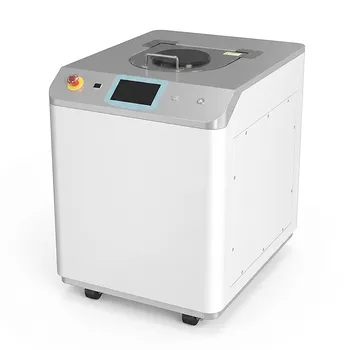
- Vertical Production Planetary Ball Mill for High Throughput Powder Processing
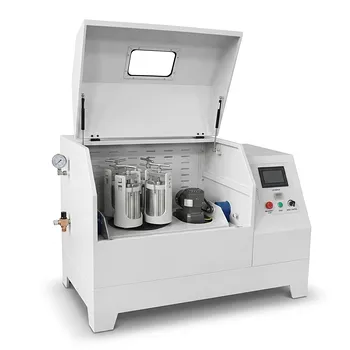
- Vertical Square Planetary Ball Mill for Laboratory Sample Preparation and Nanoscale Grinding
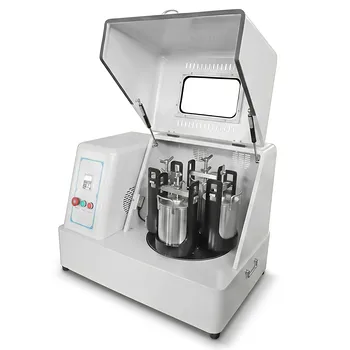
- Vertical Semi Circular Planetary Ball Mill for Laboratory Precision Grinding
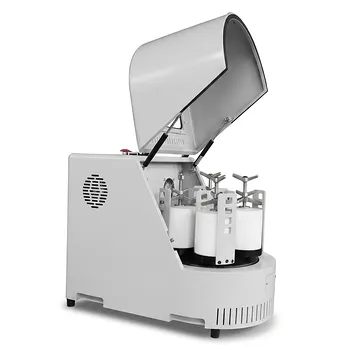
- Horizontal Light Duty Planetary Ball Mill for Laboratory Sample Preparation
- Planetary Ball Mill 12L
People Also Ask
- What is the function of a high-performance planetary ball mill in AMZ laminates? Master Ceramic Homogenization.
- What is the role of a planetary ball mill in Al–Si3N4 nanocomposite prep? Achieve Uniform Homogenization
- What is the function of a planetary ball mill in lanthanum hexaaluminate synthesis? Master Micron-Level Homogenization
- What role does a planetary ball mill play in the synthesis of Er-doped PMN-PT ceramics? Enhancing Homogeneity & Purity
- What are the advantages of using a planetary ball mill for the fine grinding of barium silicate glass powder? Peak Results

Tech Team · PowderPreparation
Last updated on Jun 03, 2026
Related Products
Vertical Production Planetary Ball Mill for High Throughput Powder Processing
Vertical Square Planetary Ball Mill for Laboratory Sample Preparation and Nanoscale Grinding
Vertical Semi Circular Planetary Ball Mill for Laboratory Precision Grinding
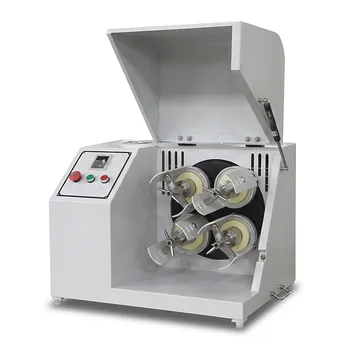
Horizontal Light Duty Planetary Ball Mill for Laboratory Sample Preparation
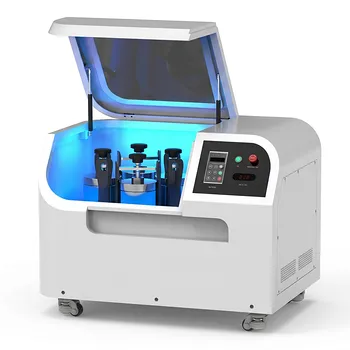
Planetary Ball Mill 12L
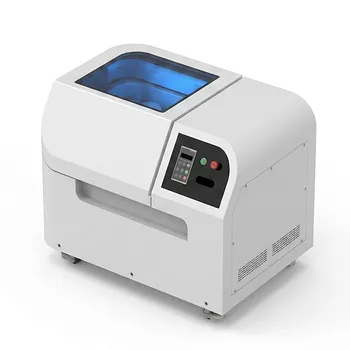
8L Planetary Ball Mill for Laboratory Grinding and Sample Preparation
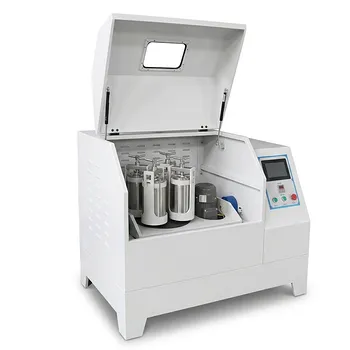
360° Rotating Omnidirectional Laboratory Planetary Ball Mill for Homogeneous Ultra-Fine Grinding and Mixing
Heavy Duty Horizontal Planetary Ball Mill for Efficient Industrial Grinding and Sample Preparation
High Energy Omnidirectional Planetary Ball Mill 16L
Miniature Planetary Ball Mill with Vacuum Grinding and High Efficiency for Laboratory Sample Preparation
High Energy Planetary Ball Mill for Nano Scale Grinding and Mechanical Alloying
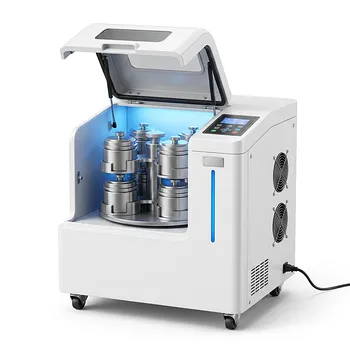
High Energy Omnidirectional Planetary Ball Mill 20L
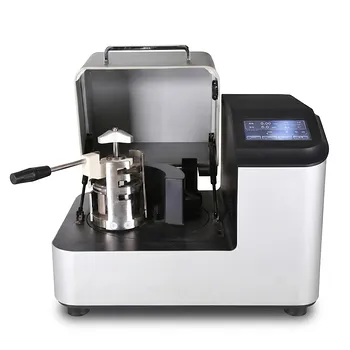
High Energy Laboratory Planetary Ball Mill for Nano Grinding and Material Science Sample Preparation
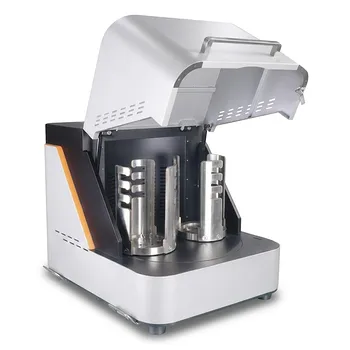
High Energy Laboratory Planetary Ball Mill for Nano Grinding and Colloidal Mixing of Hard and Brittle Materials
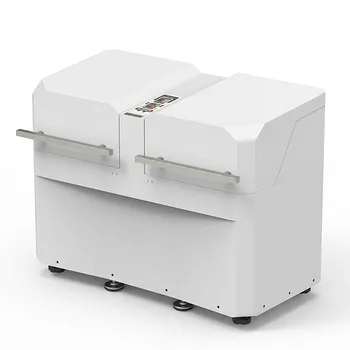
Dual Station Planetary Ball Mill 24L
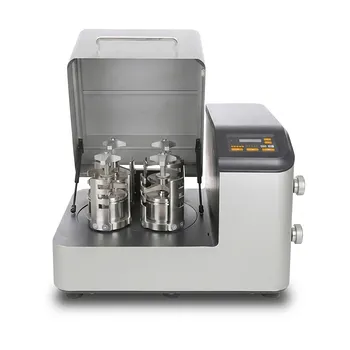
High Energy Planetary Ball Mill for Nano Scale Grinding and Colloidal Mixing in Material Science Research
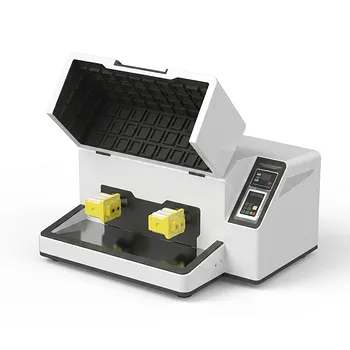
Multi-Platform Nanoscale High-Energy Vibratory Ball Mill
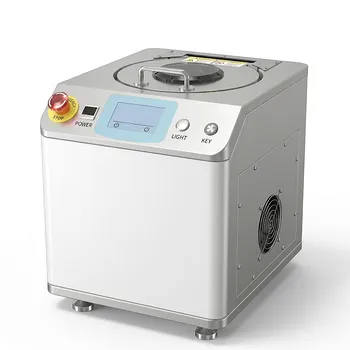
High Efficiency Vacuum Planetary Centrifugal Mixer and Defoaming Machine for Industrial Material Research and Precise Laboratory Powder Dispersion
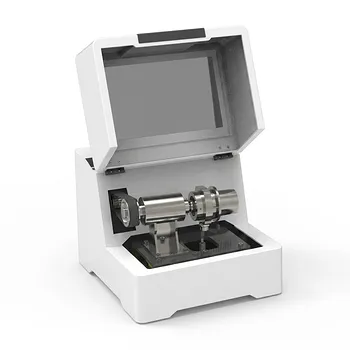
Single Tank High Energy Vibratory Ball Mill for Laboratory Grinding and Mixing