Objective of Stainless Steel Jars for Al2O3-SiC Mixing? Achieve Precise Dispersion & Uniformity
Updated 4 months ago
Achieving precise dispersion and structural uniformity. The primary objective of utilizing stainless steel ball mill jars and high-hardness grinding media—typically tungsten carbide—is to harness high-energy shear and impact forces. These forces are required to deeply integrate nano-scale silicon carbide (SiC) and magnesium oxide (MgO) additives into the micron-scale alumina (Al2O3) matrix, ensuring a perfectly uniform distribution that is critical for the material’s final properties.
Core Takeaway: The combination of high-strength jars and ultra-hard media creates the necessary kinetic energy to break down agglomerates and control particle size, which directly facilitates the formation of a dispersed nanostructure during subsequent sintering.
Optimizing the Mixing Dynamics
Harnessing High-Energy Mechanical Forces
High-energy ball milling relies on the transfer of kinetic energy from the grinding media to the powder. High-hardness media, such as tungsten carbide, provides the density and rigidity necessary to generate intense impact and shear forces. These forces are essential for overcoming the van der Waals forces that cause nano-SiC particles to clump together.
Achieving Exceptional Component Uniformity
The primary goal of this configuration is to ensure that the nano-scale additives are not just present, but homogeneously dispersed throughout the alumina powder. Uniformity at this stage prevents the formation of "rich" or "lean" zones of SiC. This level of microscopic mixing is the foundation for creating a consistent nanostructure in the finished ceramic.
Controlling Particle Size and Morphology
Beyond simple mixing, the high-energy environment allows for precise control over the powder particle size. The constant collisions fracture larger alumina particles while simultaneously embedding the harder SiC nanoparticles into their surfaces. This "mechanical alloying" effect results in a composite powder with a tailored morphology optimized for the next stage of production.
Ensuring Material Purity and Performance
Minimizing Metallic Impurities
While stainless steel and tungsten carbide are incredibly durable, they are chosen specifically for their wear resistance. In high-energy milling, even slight wear of the equipment can introduce foreign metallic impurities into the ceramic matrix. Utilizing high-hardness tools minimizes this "contamination burden," preserving the chemical integrity of the Al2O3-SiC composite.
Facilitating Sintering Densification
The effectiveness of the mixing process directly dictates the success of the subsequent sintering process. A well-mixed powder with a controlled particle size will densify more uniformly and at lower temperatures. This prevents abnormal grain growth and ensures that the SiC particles can effectively pin the alumina grain boundaries, enhancing the final mechanical strength.
Understanding the Trade-offs
The Risk of Media Wear
Despite their high hardness, all grinding media experience some level of attrition over long milling durations. If the milling time is excessive, even tungsten carbide or stainless steel can introduce trace elements that might alter the electrical or thermal properties of the ceramic. Selecting the correct ball-to-powder ratio and milling duration is a delicate balance between achieving uniformity and maintaining purity.
Energy Density vs. Processing Time
Using ultra-high-density media increases the energy density within the mill jar, which can significantly shorten the required mixing time. However, higher energy also generates heat, which may lead to the oxidation of SiC or the unwanted phase transformation of the alumina. Cooling systems or intermittent milling cycles are often required to mitigate these thermal effects during high-intensity sessions.
Making the Right Choice for Your Goal
Strategic Recommendations
Successful nanocomposite preparation requires aligning your equipment choices with your specific performance targets.
- If your primary focus is Maximum Structural Uniformity: Utilize a high ball-to-powder ratio (e.g., 10:1 or higher) and high-density tungsten carbide media to ensure the deepest possible integration of nano-additives.
- If your primary focus is Matrix Purity: Consider using high-purity alumina-lined jars and media if the application allows, as any wear material will be chemically identical to your primary matrix.
- If your primary focus is Throughput and Speed: Opt for high-strength stainless steel jars and high-hardness media to maximize energy transfer efficiency, allowing for shorter milling durations.
The synergy between the mill jar's structural integrity and the media's hardness is the fundamental driver for creating high-performance Al2O3-SiC nanocomposites.
Summary Table:
| Component | Role in Mixing | Primary Benefit |
|---|---|---|
| Stainless Steel Jar | High-energy containment | Provides structural integrity for high-impact milling |
| Tungsten Carbide Media | Impact & Shear energy | Breaks down nano-agglomerates; ensures deep integration |
| Al2O3-SiC Powder | Matrix & Reinforcement | Achieves microscopic uniformity for superior sintering |
| Process Control | Size & Morphology control | Prevents grain growth and minimizes metallic contamination |
Elevate Your Material Research with Professional Sample Preparation
Achieving the perfect nanostructure requires more than just high-quality powders—it demands precision engineering. [Your Brand Name] provides complete laboratory sample preparation solutions tailored for material science. From high-energy planetary ball mills, jet mills, and cryogenic grinders for superior dispersion, to our extensive line of hydraulic presses—including Cold/Warm Isostatic Presses (CIP/WIP), vacuum hot presses, and XRF pellet presses—we offer the tools necessary to ensure material purity and structural integrity.
Whether you are processing advanced ceramics or metal powders, our equipment is designed to meet the most rigorous laboratory standards. Contact us today to discuss how our powder processing and compaction solutions can optimize your workflow and enhance your final product performance!
References
- Alireza Moradkhani, Ali Naserifar. Effect of Sintering Temperature on the Grain Size and Mechanical Properties of Al2O3-SiC Nanocomposites. DOI: 10.4191/kcers.2019.56.3.01
Mentioned Products
- High Energy Omnidirectional Planetary Ball Mill 16L
- High Energy Omnidirectional Planetary Ball Mill 20L
- Planetary Ball Mill 12L
- Dual Station Planetary Ball Mill 24L
- Single Tank High Energy Vibratory Ball Mill for Laboratory Grinding and Mixing
People Also Ask
- What role does an omni-directional planetary ball mill play in brass/cobalt antimonide pretreatment? Achieve Nano-Scale Homogeneity.
- What is the role of a high-energy planetary ball mill in Li2ZrO3 and LBS prep? Achieve Superior Electrolyte Density
- What role does a high-energy planetary ball mill play in processing quenched bioactive glass? Achieve Nano-Scale Precision
- What role does a planetary ball mill play in nano-mineral filler prep? Achieve Sub-100nm Precision & Performance
- What role does a high-energy planetary ball mill play in magnesium-based hydrogen storage alloy preparation?

Tech Team · PowderPreparation
Last updated on Jun 03, 2026
Related Products

High Energy Omnidirectional Planetary Ball Mill 16L
High Energy Omnidirectional Planetary Ball Mill 20L
Planetary Ball Mill 12L
Dual Station Planetary Ball Mill 24L

Single Tank High Energy Vibratory Ball Mill for Laboratory Grinding and Mixing
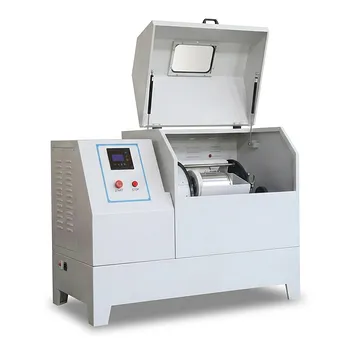
Heavy Duty Horizontal Planetary Ball Mill for Efficient Industrial Grinding and Sample Preparation
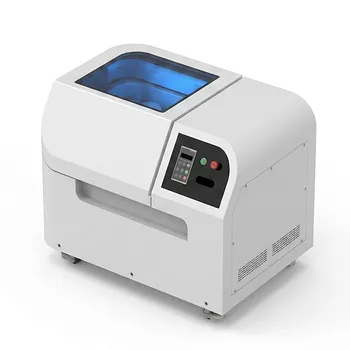
8L Planetary Ball Mill for Laboratory Grinding and Sample Preparation
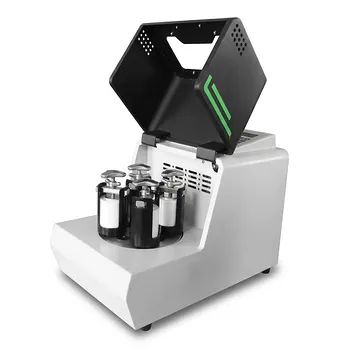
Miniature Planetary Ball Mill with Vacuum Grinding and High Efficiency for Laboratory Sample Preparation

Vertical Square Planetary Ball Mill for Laboratory Sample Preparation and Nanoscale Grinding
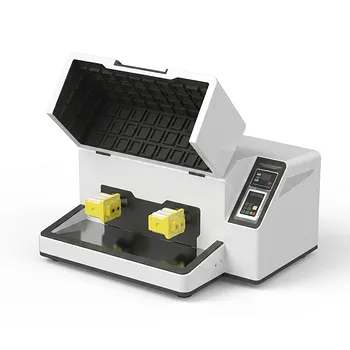
Multi-Platform Nanoscale High-Energy Vibratory Ball Mill