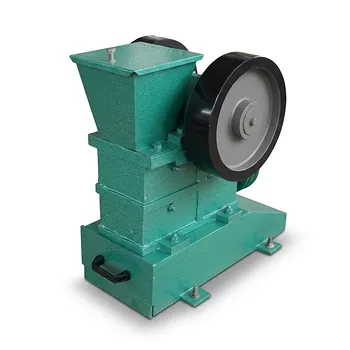
Why is a laboratory jaw crusher necessary for processing biomass materials? Essential Prep for Material Science
Updated 5 months ago
The laboratory jaw crusher is the critical first stage in biomass processing, designed to bridge the gap between bulky raw waste and fine analytical powders. It utilizes powerful cyclic compression to reduce large materials, such as branches or agricultural stalks, into smaller particles that are suitable for downstream fine grinding and uniform mixing.
By significantly increasing the specific surface area of the material, a jaw crusher ensures that biomass can be effectively processed for densification, chemical analysis, or co-firing experiments. It serves as both a mechanical facilitator for bonding and a protective barrier for sensitive secondary milling equipment.
Primary Size Reduction and Surface Area Optimization
Breaking Down Bulky Raw Materials
Laboratory jaw crushers are engineered to handle raw biomass materials that are too large or irregular for standard mills. They effectively fracture coarse pieces like branches or banana tree waste into manageable particles, typically reducing them from sizes over 10 mm down to less than 5 mm.
Increasing Specific Surface Area
The mechanical crushing process dramatically increases the specific surface area of the biomass. This is a vital prerequisite for any subsequent chemical or thermal treatment, as a larger surface area allows for more efficient reactions and more thorough coating when binders are introduced.
Preparing for Uniform Mixing
For experiments involving co-firing or composite materials, a jaw crusher ensures a uniform mixture of biomass and other components like lignite coal. Achieving a consistent particle size is the only way to prevent segregation and ensure that laboratory results are reproducible and scientifically valid.
Enhancing Material Performance and Bonding
Facilitating Physical Interlocking
When biomass is reduced to a smaller particle size (ideally under 2mm), the fibrous components can undergo better physical interlocking. This is essential during the densification process, where smaller particles create a more cohesive structure.
Promoting Plastic Deformation
Under the pressure of crushing and subsequent pelletizing, smaller biomass particles experience plastic deformation. This allows the material to bond effectively without the need for additional chemical binders, resulting in high-density, high-quality pellets.
Ensuring Binder Distribution
In applications where binders like cassava starch are used, the increased surface area provided by the initial crush is vital. It ensures the binder can fully coat the particles, which significantly enhances the structural integrity and strength of the final molded product, such as charcoal briquettes.
Operational Efficiency and Equipment Protection
Reducing Wear on Precision Mills
Fine grinding equipment and precision mills are often sensitive to large, hard, or fibrous chunks. Using a jaw crusher as a pre-treatment stage lowers the mechanical load and reduces the wear and tear on these expensive secondary devices.
Streamlining the Pulverization Process
By providing a consistent base material, the jaw crusher makes the final pulverization process much faster. It transforms irregular waste into a standardized feed, ensuring that the entire laboratory workflow remains efficient and predictable.
Simulating Industrial Production
In many engineering applications, researchers must simulate the aggregate supply environment of industrial-scale production. Using laboratory-grade crushers allows scientists to precisely control particle shape and size, ensuring that lab-scale findings are applicable to real-world industrial output.
Understanding the Trade-offs
Particle Size Limitations
While excellent for primary reduction, a jaw crusher cannot produce the ultra-fine powders required for certain types of chemical analysis. It must almost always be paired with a secondary fine-grinding mill to reach sub-millimeter specifications.
Material Moisture Sensitivity
Biomass with high moisture content can sometimes "pancake" or clog the V-shaped crushing chamber rather than fracturing. Users must ensure materials are sufficiently dry or use specific jaw plate textures to prevent mechanical stalls.
Noise and Vibration
Due to the powerful compressive forces required to fracture woody biomass, laboratory jaw crushers generate significant noise and vibration. They require stable bench placement and, in some environments, acoustic enclosures to maintain a professional laboratory setting.
How to Apply This to Your Project
Selecting the Right Approach
- If your primary focus is high-density pelletizing: Use the jaw crusher to achieve a particle size that allows for maximum physical interlocking and plastic deformation without binders.
- If your primary focus is protecting downstream equipment: Ensure the jaw crusher’s discharge gap is set strictly to the maximum input size allowed by your secondary fine-grinding mill.
- If your primary focus is experimental accuracy in mixtures: Utilize the crusher to standardize the particle size of all components (e.g., biomass and coal) to ensure a perfectly homogeneous blend.
The laboratory jaw crusher is the indispensable foundation of biomass preparation, converting raw, irregular waste into a standardized material ready for advanced scientific inquiry.
Summary Table:
| Key Benefit | Role in Biomass Processing | Practical Outcome |
|---|---|---|
| Primary Reduction | Fractures bulky waste (branches, stalks) to <5mm | Enables downstream fine milling & analysis |
| Surface Optimization | Increases specific surface area of particles | Enhances chemical reactivity & binder coating |
| Equipment Protection | Pre-treats coarse or fibrous feed materials | Reduces mechanical wear on precision mills |
| Bonding Promotion | Facilitates physical interlocking & deformation | Produces high-density, durable pellets/briquettes |
| Process Simulation | Standardizes particle size and shape | Ensures lab results reflect industrial production |
Elevate Your Biomass Research with Specialized Sample Preparation
Precision in material science begins with superior sample preparation. We provide complete laboratory solutions specializing in powder processing and compaction equipment tailored for challenging materials like biomass.
Our extensive product range is designed to streamline your workflow:
- Size Reduction: High-performance jaw and roll crushers, liquid nitrogen cryogenic grinders, and various mills (planetary ball, jet, and rotor).
- Classification & Mixing: Vibratory sieve shakers and advanced powder/defoaming mixers for uniform blending.
- Compaction: A full spectrum of hydraulic presses, including Cold/Warm Isostatic Presses (CIP/WIP), standard lab presses, and vacuum hot presses for superior pelletizing results.
Whether you are processing agricultural waste for energy or developing new bio-composites, our equipment ensures accuracy and durability.
Ready to optimize your laboratory efficiency? Contact our experts today to find the perfect equipment configuration for your project!
References
- Mohammad Siddique, Sylvain Tomé. Lignite Coal Co-combustion Performance with Banana Tree Waste, Tree Leaves and Cow Dung Manure Blends for Emission Reduction During Power Generation. DOI: 10.31284/j.jmesi.2024.v4i1.5346
Mentioned Products
- 150x250mm Laboratory Jaw Crusher for Medium Hard Material Crushing and Sample Preparation
- 150×125mm Laboratory Jaw Crusher for Medium and Fine Crushing of Brittle Materials
- Custom Raised Height Laboratory Jaw Crusher for Precision Sample Preparation in Material Science
- 150x250mm Custom Laboratory Jaw Crusher for Coal Ore Mineral Crushing
- Laboratory Jaw Crusher 200x300mm Opening for Primary Crushing of Ores and Aggregates
People Also Ask
- What is the primary function of a laboratory jaw crusher? Master Initial Hard Rock Ore Preparation & Feed Sizing
- What is the primary role of a laboratory jaw crusher in the initial stages of tin and tantalum ore reprocessing? Explained
- What is the role of a laboratory jaw crusher in the initial preparation of silicate-type low-grade copper ore?
- What is the primary function of a laboratory jaw crusher in the pretreatment process of galena ore? Initial Prep Guide
- What is the primary function of a laboratory jaw crusher when processing low-grade copper ore? Expert Guide

Tech Team · PowderPreparation
Last updated on May 14, 2026
Related Products
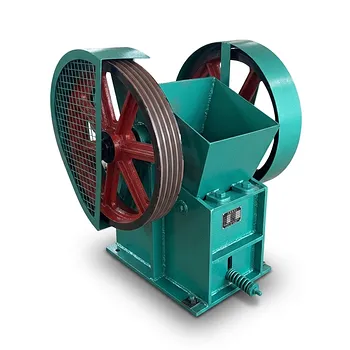
150x250mm Laboratory Jaw Crusher for Medium Hard Material Crushing and Sample Preparation
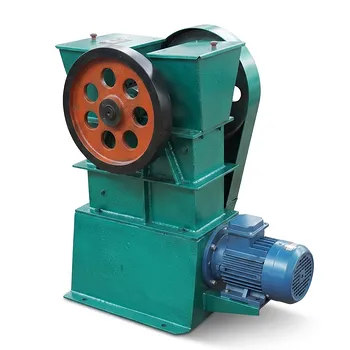
150×125mm Laboratory Jaw Crusher for Medium and Fine Crushing of Brittle Materials
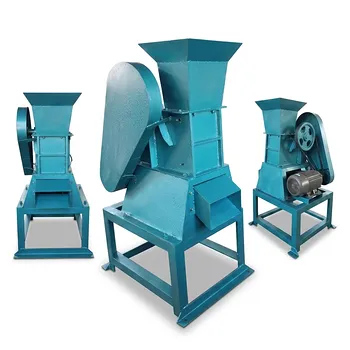
Custom Raised Height Laboratory Jaw Crusher for Precision Sample Preparation in Material Science
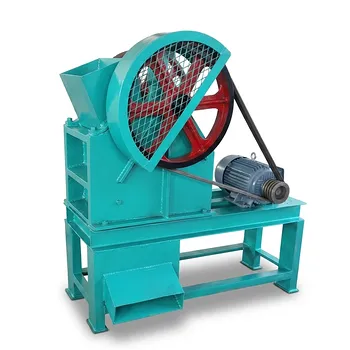
150x250mm Custom Laboratory Jaw Crusher for Coal Ore Mineral Crushing
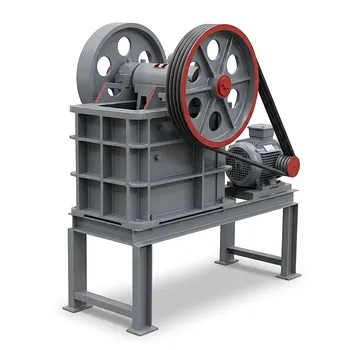
Laboratory Jaw Crusher 200x300mm Opening for Primary Crushing of Ores and Aggregates
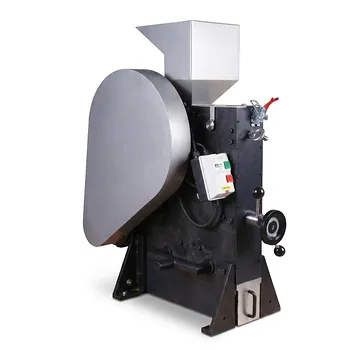
Heavy Duty Industrial Laboratory Jaw Crusher for Primary Sample Preparation and Hard Material Size Reduction
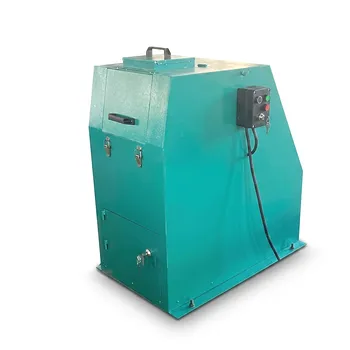
Environmentally Friendly Sealed Jaw Crusher for Laboratory Sample Preparation
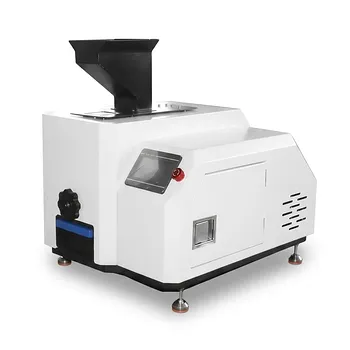
Laboratory Jaw Crusher 2025 Model for Ore and Brittle Material Crushing
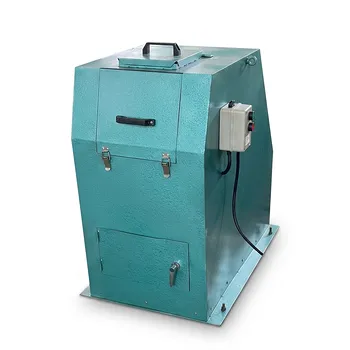
Environmentally Friendly Sealed Laboratory Jaw Crusher for Sample Preparation
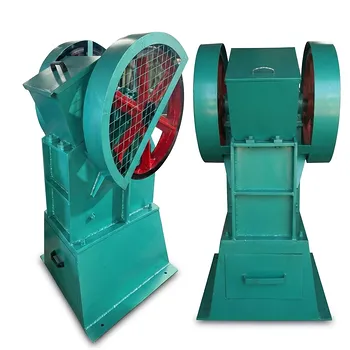
Sealed Jaw Crusher for Laboratory Material Crushing and Sample Preparation
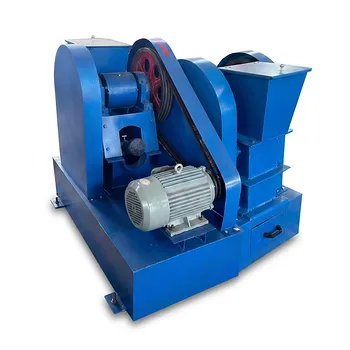
Horizontal Jaw Crusher Medium Hard Material Crushing Laboratory Sample Preparation Equipment
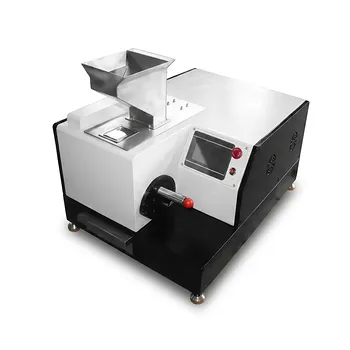
Experimental Jaw Crusher for Laboratory Ore Crushing and Sample Preparation
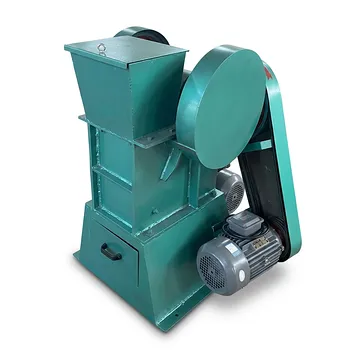
Small Laboratory Jaw Crusher 150x200mm Feed Opening for Sample Preparation and Medium Fine Crushing
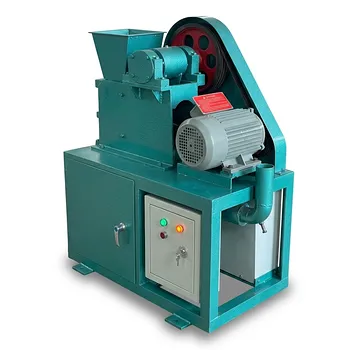
EP-B Type Sealed Jaw Crusher for Laboratory Sample Preparation
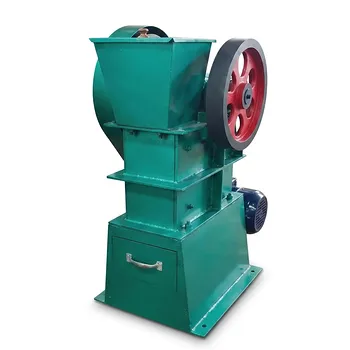
EP Series Small Jaw Crusher for Laboratory Sample Preparation
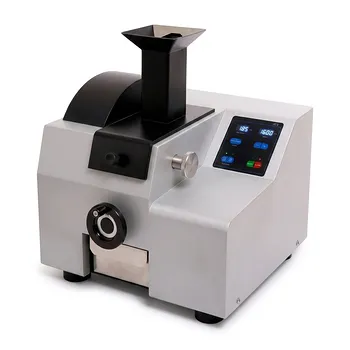
Laboratory Benchtop Jaw Crusher for Hard Brittle Materials Primary Size Reduction and Sample Preparation
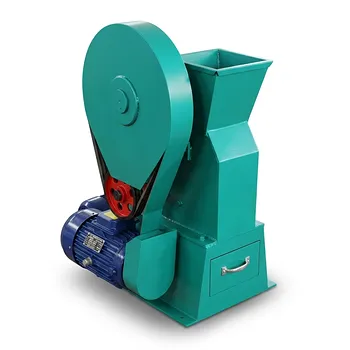
Small Laboratory Jaw Crusher 125x100mm Feed Opening for Sample Preparation
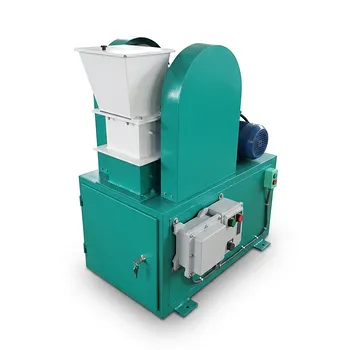
Custom Explosion-Proof Sealed Jaw Crusher for Laboratory and Industrial Sample Preparation
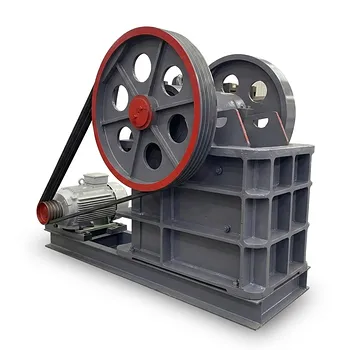
250x400mm Jaw Crusher Medium Crushing Equipment for Mining Mineral Sample Preparation