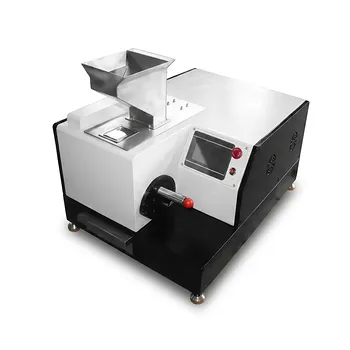
What is the primary function of industrial mechanical crushing equipment for coconut shell powder composites?
Updated 4 months ago
Industrial mechanical crushing equipment serves as the foundational bridge between raw biomass and functional composite fillers. It utilizes high-energy mechanical forces to convert bulk coconut shells into fine powders or granular particles. This physical transformation is the critical first step in preparing biomass materials for integration into resins, cement, or polymers.
The primary function of mechanical crushing equipment is to reduce macroscopic coconut shells into a microscopic or granular state through shear and impact forces. This process provides the necessary physical form for particle size control, ensuring the biomass can be uniformly dispersed and effectively bonded within a composite matrix.
The Mechanics of Material Transformation
Utilizing Shear and Impact Forces
Industrial crushers apply high-speed impact or mechanical shear to overcome the structural integrity of the hard coconut shell. These forces fracture the biomass, breaking down the rigid lignin and cellulose structures that define the shell's raw state.
Transitioning from Macroscopic to Microscopic
This equipment is responsible for the fundamental shift from bulk waste to functional fillers. By reducing the material size, the crusher creates a high specific surface area, which is essential for the particles to interact chemically and physically with a host matrix.
Ensuring Feed Uniformity for Refinement
In many production workflows, the primary crusher acts as a pretreatment stage. It processes manually broken pieces into smaller, coarse particles to ensure a consistent feed size for subsequent fine-grinding or chemical treatment phases.
Enhancing Composite Material Properties
Facilitating Uniform Dispersion
When coconut shells are reduced to a fine powder, they can be distributed homogeneously within materials like polyester or epoxy resin. This prevents the formation of clusters or voids, which are common causes of structural failure in composite materials.
Improving Mechanical Interlocking
The crushing process often results in multi-angular particles with rough surface textures. These irregular shapes increase the "mechanical interlocking" between the coconut shell aggregate and the binding agent, significantly enhancing the overall strength of the composite.
Modifying Physical Characteristics
By adjusting the crushing parameters, manufacturers can control the grain size and shape. This allows the coconut shell powder to mimic the properties of traditional materials, such as natural sand in paving blocks or crushed stone in lightweight concrete.
Understanding the Trade-offs and Challenges
Energy Intensity vs. Particle Size
Achieving ultra-fine powder requires prolonged processing and higher energy consumption. Manufacturers must balance the need for particle fineness against the operational costs to ensure the final composite remains economically viable.
Heat Generation and Material Degradation
The high-speed friction inherent in mechanical crushing generates significant thermal energy. If the temperature is not managed, it can lead to the thermal degradation of the organic biomass, potentially altering the color or compromising the mechanical properties of the shell powder.
Equipment Wear and Maintenance
Coconut shells are naturally abrasive and hard. This causes accelerated wear on the internal components of the crusher, necessitating frequent maintenance and the use of hardened steel or specialized alloys for the crushing surfaces.
Optimizing the Crushing Process for Your Goal
How to Apply This to Your Project
The selection of crushing intensity and equipment type depends entirely on the intended application of the final composite material.
- If your primary focus is Resin-Based Reinforcement: Aim for the highest possible fineness to increase the specific surface area, ensuring the powder serves as an effective reinforcing filler.
- If your primary focus is Construction Aggregates: Focus on achieving a controlled, multi-angular particle size that optimizes the interlocking force between the aggregate and the cement paste.
- If your primary focus is Production Efficiency: Use a two-stage crushing approach, employing a primary crusher for initial size reduction to prevent clogging in secondary fine-grinding equipment.
Mastering the mechanical reduction of coconut shells is the essential first step in transforming raw biomass into a high-performance, sustainable engineering material.
Summary Table:
| Key Stage | Primary Function | Core Benefit |
|---|---|---|
| Size Reduction | Converts bulk shells into fine powder/granules | Increases specific surface area for better matrix bonding |
| Surface Modification | Creates multi-angular, rough textures | Enhances mechanical interlocking within the composite |
| Pretreatment | Ensures uniform feed for secondary refinement | Prevents clogging and improves production efficiency |
| Dispersion Control | Homogenizes particle distribution | Eliminates structural voids and failure points |
Elevate Your Biomass Material Research
Transform raw coconut shells into high-performance engineering materials with precision equipment from [Brand Name]. As specialists in material science laboratory sample preparation, we provide the tools you need to achieve optimal particle size and composite integrity.
Our extensive range of solutions includes:
- Size Reduction: High-efficiency jaw/roll crushers and liquid nitrogen cryogenic grinders for heat-sensitive biomass.
- Fine Milling: Planetary ball mills, jet mills, and rotor mills for ultra-fine powder preparation.
- Mixing & Sifting: Powder mixers, defoaming mixers, and vibratory/air-jet sieve shakers for uniform dispersion.
- Compaction: A full spectrum of hydraulic presses, including Cold/Warm Isostatic Presses (CIP/WIP), vacuum hot presses, and XRF pellet presses.
Whether you are developing resin-based reinforcements or construction aggregates, our expertise in powder processing and compaction ensures your materials meet the highest standards.
Ready to optimize your production? Contact us today to find the perfect equipment solution!
References
- Fauzan Fauzan, Iqbal Iqbal. Kaji Eksperimental Kekuatan Tarik dan Kekuatan Impak Komposit Serbuk Sabut Kelapa-Polyster. DOI: 10.22236/metalik.v1i2.9765
Mentioned Products
- Heavy-Duty Jaw Crusher for Medium-Hard Ore and Industrial Mineral Crushing
- Stainless Steel Coarse Crusher for Pharmaceutical Food and Plastic Material Processing
- Industrial Sealed Hammer Knife Crusher for Mining Ore and Coal Sample Preparation
- Custom Explosion-Proof Sealed Jaw Crusher for Laboratory and Industrial Sample Preparation
- Jaw Crusher with 400x600mm Feed Opening for Primary Rock Crushing in Mining and Construction
People Also Ask
- What is the function of a jaw crusher in reservoir sediment geopolymer synthesis? Primary Size Reduction Explained
- What is the role of jaw or roll crushers in the initial processing of copper ore samples? Essential Prep for Analysis
- What is the primary function of a jaw crusher in RAC raw materials? Efficient Resource Recovery & Sample Preparation
- What is the function of an industrial jaw crusher in the primary processing of ironstone? Key to Efficient Reduction
- What role does an industrial jaw crusher play in gangue slurry processing? Essential Primary Size Reduction Insights

Tech Team · PowderPreparation
Last updated on Jun 03, 2026
Related Products
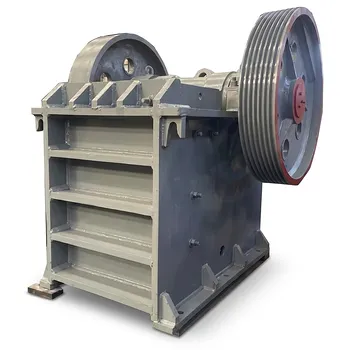
Heavy-Duty Jaw Crusher for Medium-Hard Ore and Industrial Mineral Crushing
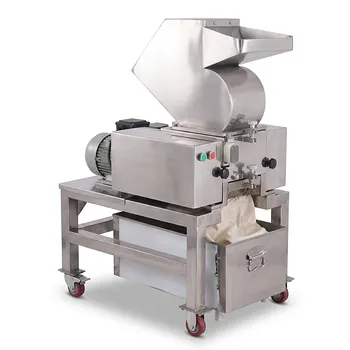
Stainless Steel Coarse Crusher for Pharmaceutical Food and Plastic Material Processing
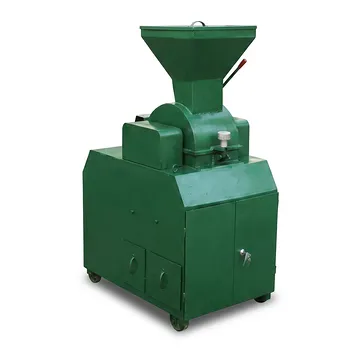
Industrial Sealed Hammer Knife Crusher for Mining Ore and Coal Sample Preparation
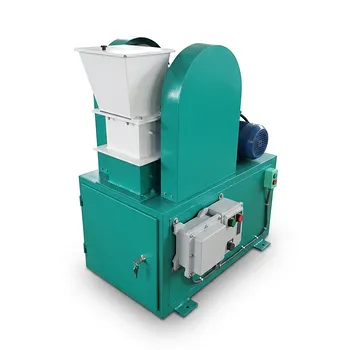
Custom Explosion-Proof Sealed Jaw Crusher for Laboratory and Industrial Sample Preparation
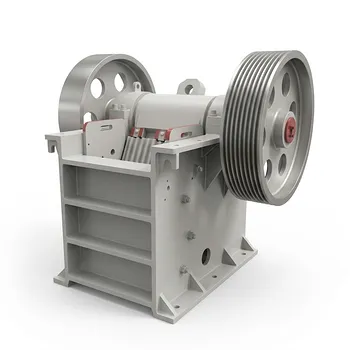
Jaw Crusher with 400x600mm Feed Opening for Primary Rock Crushing in Mining and Construction
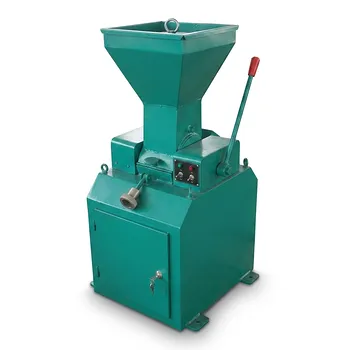
Laboratory Sealed Hammer Crusher for Coal and Mineral Sample Preparation
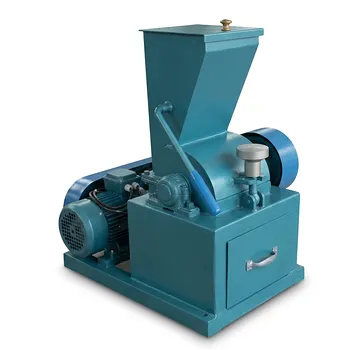
Small Hammer Crusher for Brittle Material Crushing in Mining Metallurgy and Lab Sample Preparation
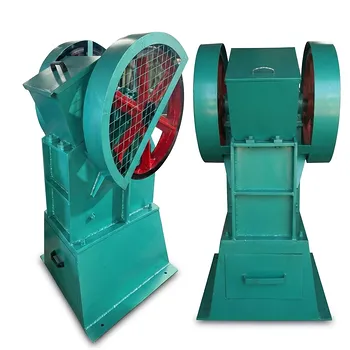
Sealed Jaw Crusher for Laboratory Material Crushing and Sample Preparation
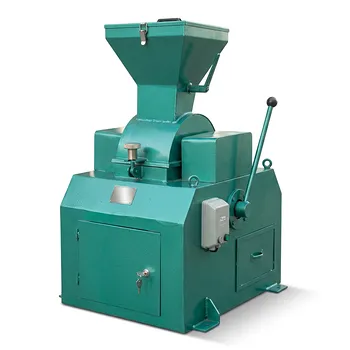
Laboratory Sealed Hammer Blade Crusher Divider for High Hardness Sample Preparation
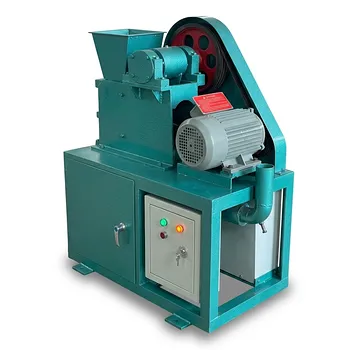
EP-B Type Sealed Jaw Crusher for Laboratory Sample Preparation
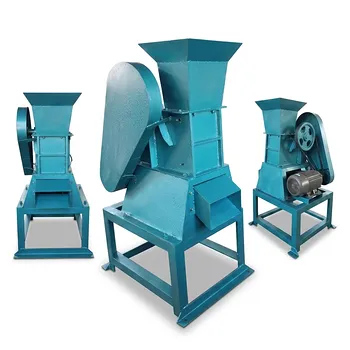
Custom Raised Height Laboratory Jaw Crusher for Precision Sample Preparation in Material Science
Environmentally Friendly Sealed Laboratory Jaw Crusher for Sample Preparation
Heightened Customized Laboratory Double Roll Crusher for Coal Ore Rock Crushing

Sealed Double Roll Crusher for Laboratory Sample Preparation of Medium Hardness Materials
Laboratory Sealed Hammer Crushers for Coal Sample Preparation and Medium Strength Material Crushing
Sealed Laboratory Double Roll Crusher for Coal, Mineral, Ore Sample Preparation
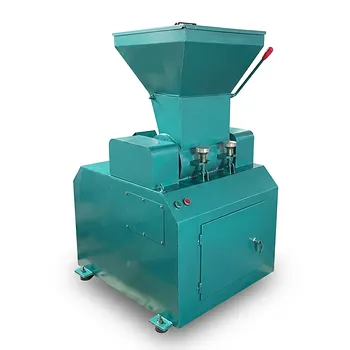
Sealed Hammer Crusher for Laboratory Coal Sample Preparation Adjustable Output Size
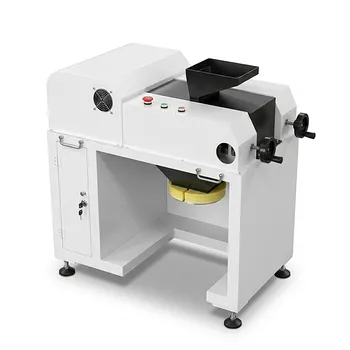
Precision Toothed Roll Crusher for Laboratory Coal and Mineral Sample Preparation
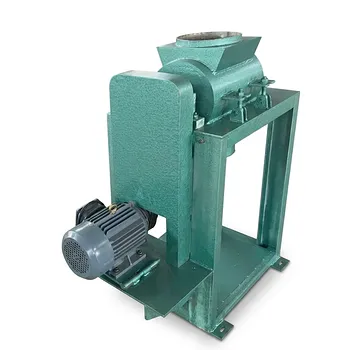
Customized Sealed Laboratory Hammer Crusher for Coal and Medium Hardness Sample Preparation