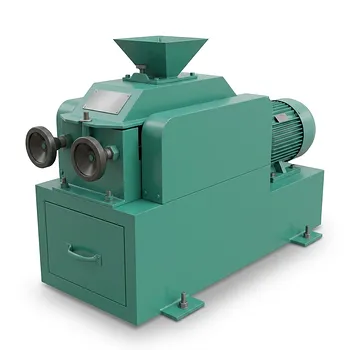
What is the primary function of industrial crushers in recycled concrete? Achieve Precision Particle Size Control
Updated 4 months ago
The primary function of industrial crushers in preparing recycled concrete with plastic fragments is the precise mechanical reduction of waste materials into specific, uniform particle sizes.
Industrial crushers process waste plastics, such as PET bottles, and construction debris into fragments that serve as functional substitutes for natural fine or coarse aggregates. By adjusting the crusher's discharge opening, operators can control the particle gradation, which is essential for ensuring the mixture's uniformity and the stability of the final structural component's mechanical properties.
Industrial crushers serve as the critical bridge between raw waste and engineered material by transforming bulky debris into size-controlled aggregates. Their primary value lies in the ability to dictate particle distribution, which directly determines the structural integrity and consistency of the resulting recycled concrete.
Engineering the Aggregate: Precision Size Control
Controlling Particle Gradation
Industrial crushers are utilized to process collected waste polyethylene terephthalate (PET) and other plastic bottles into specific chip sizes. These fragments act as substitutes for natural aggregates, and their size must be strictly controlled to meet specific concrete mix requirements.
Ensuring Mixture Uniformity
By precisely adjusting the discharge opening size of the equipment, operators can manage the gradation of plastic particles. This level of control is vital for maintaining a uniform distribution of plastic within the concrete matrix, preventing weak spots in the final product.
Standardizing Mechanical Properties
A consistent particle size distribution ensures that the mechanical properties of the structural components remain stable. Without the precise sizing provided by industrial crushers, the recycled concrete could suffer from unpredictable load-bearing capabilities.
The Dual Role of Mechanical Transformation
Processing Plastic Fragments
In addition to PET, crushers use mechanical shearing to process PE-HD plastic bottles into particles with a specific diameter. This uniform size is also critical for secondary processes, such as ensuring stable surface charge density during triboelectrostatic separation.
Breaking Down Inert Mineral Waste
Crushers like jaw or roll units are responsible for reducing large-scale inert mineral components, such as concrete slabs, bricks, and stones. This mechanical size reduction converts bulky construction and demolition waste into usable recycled sand or stone.
Initial Separation of Materials
The powerful shearing and impact forces of industrial crushers enable the initial separation of coarse and fine aggregates from discarded roads and bridges. This step provides the necessary base materials for subsequent screening and refined processing.
Understanding the Trade-offs
Equipment Wear and Maintenance
Processing abrasive materials like ceramic tiles and concrete blocks significantly increases the wear and tear on crusher components like jaw plates and rollers. This necessitates frequent maintenance schedules to ensure the discharge opening remains accurate and the particle size stays within tolerance.
Energy Consumption vs. Fine Gradation
Achieving very fine particle sizes requires higher energy inputs and may reduce the overall throughput of the recycling facility. Operators must often balance the need for optimal particle geometry with the operational costs associated with extended crushing cycles.
Contamination and Material Purity
While crushers are excellent at size reduction, they do not inherently remove non-inert contaminants like wood or paper. If the input waste is not properly pre-sorted, the crushing process can further embed these contaminants into the aggregate, potentially compromising the bond strength of the recycled concrete.
How to Apply This to Your Project
Optimizing Your Recycling Workflow
To maximize the quality of recycled concrete containing plastic fragments, the choice and calibration of crushing equipment must align with your specific material goals.
- If your primary focus is structural load-bearing: Prioritize the precise adjustment of the crusher's discharge opening to ensure a well-graded mix that maintains mechanical stability.
- If your primary focus is high-volume resource recovery: Utilize mobile jaw crushers to process large-scale construction waste at the source, reducing transport costs and providing immediate base materials.
- If your primary focus is specialized material production (like 3D printing filaments): Focus on mechanical shearing to achieve a highly uniform fragment size, which ensures stability during the melting and extrusion phases.
By mastering the mechanical calibration of industrial crushers, you transform unpredictable waste streams into reliable, high-performance construction materials.
Summary Table:
| Feature | Function in Concrete Recycling | Key Benefit |
|---|---|---|
| Size Reduction | Converts bulky PET and mineral waste into specific chips | Replaces natural aggregates efficiently |
| Gradation Control | Precise adjustment of discharge openings | Ensures uniform mixture & structural integrity |
| Mechanical Shearing | Processes PE-HD bottles into uniform diameters | Stabilizes mechanical properties & surface charge |
| Material Separation | Breaks down discarded roads/bridges into fine aggregates | Provides base materials for refined processing |
Optimize Your Material Preparation with Industry-Leading Equipment
Achieving the perfect particle gradation is critical for the structural integrity of recycled concrete. At our core, we provide complete laboratory sample preparation solutions for material science, specializing in high-precision powder processing and compaction equipment designed to transform waste into engineered materials.
Whether you are refining plastic fragments or processing inert mineral waste, our extensive product line supports every stage of your workflow:
- Size Reduction: High-performance jaw and roll crushers, liquid nitrogen cryogenic grinders, and various mills (planetary ball, jet, sand, disc, rotor).
- Classification & Mixing: Vibratory and air-jet sieve shakers for precise gradation, plus advanced powder and defoaming mixers.
- Advanced Compaction: A full spectrum of hydraulic presses, including Cold/Warm Isostatic Presses (CIP/WIP), standard lab presses, and vacuum hot presses for superior sample density.
Ready to elevate your research or production quality? Contact us today to discuss your specific requirements and let our experts help you select the ideal equipment for your material goals.
References
- Agnimesh Singh Tomar, Pratiksha Malviya. Review Paper on Properties of Concrete of by Partial Replacement of Sand and Cement with Copper Slag and Rice Ask Ash. DOI: 10.31142/ijtsrd23538
Mentioned Products
- Versatile Industrial Crusher for Laboratory Crushing and Material Processing
- Stainless Steel Coarse Crusher for Pharmaceutical Food and Plastic Material Processing
- Small Laboratory Knife Crusher for Plastic Sample Preparation and Material Grinding
- Heavy Duty Industrial Laboratory Jaw Crusher for Primary Sample Preparation and Hard Material Size Reduction
- Heavy-Duty Crusher for Laboratory and Industrial Material Size Reduction
People Also Ask
- What is the purpose of using industrial crushers and vibratory sieve shakers in the pretreatment of coal gangue? Ensure Uniformity
- What is the role of industrial crushers and standard test sieves in biomass pyrolysis? Optimize Heat Transfer & Yield
- What is the function of industrial crushers in the initial preparation of silicate minerals? Enhance Sample Uniformity
- What is the function of an industrial crusher in CRSS filler preparation? Essential Size Reduction for Carbonization
- How do crushers and mills work together in gypsum recycling? Transform drywall waste into reactive ceramic materials.

Tech Team · PowderPreparation
Last updated on Jun 03, 2026
Related Products
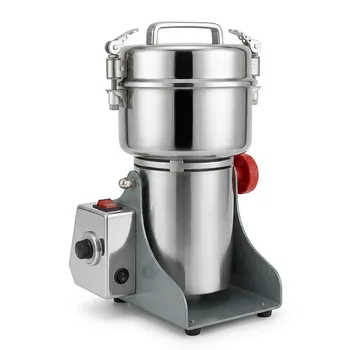
Versatile Industrial Crusher for Laboratory Crushing and Material Processing
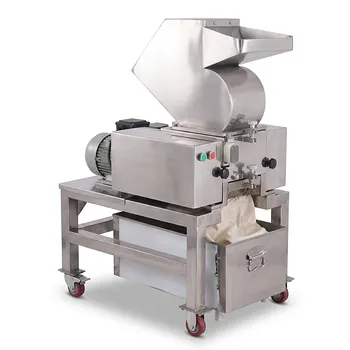
Stainless Steel Coarse Crusher for Pharmaceutical Food and Plastic Material Processing
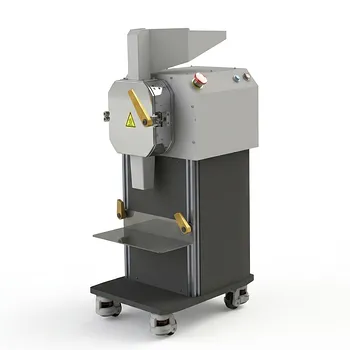
Small Laboratory Knife Crusher for Plastic Sample Preparation and Material Grinding
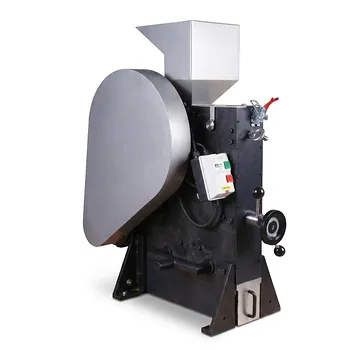
Heavy Duty Industrial Laboratory Jaw Crusher for Primary Sample Preparation and Hard Material Size Reduction
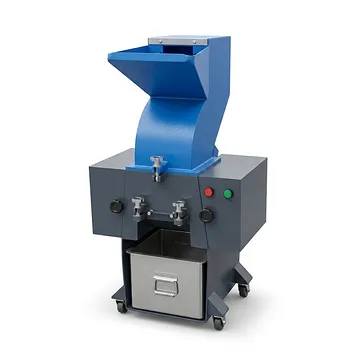
Heavy-Duty Crusher for Laboratory and Industrial Material Size Reduction
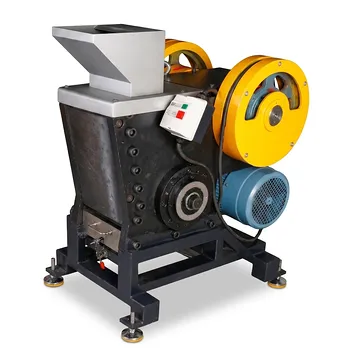
Heavy Duty Industrial Jaw Crusher for Primary Ore Crushing and High Capacity Mineral Material Size Reduction
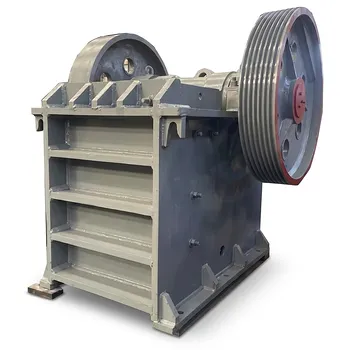
Heavy-Duty Jaw Crusher for Medium-Hard Ore and Industrial Mineral Crushing
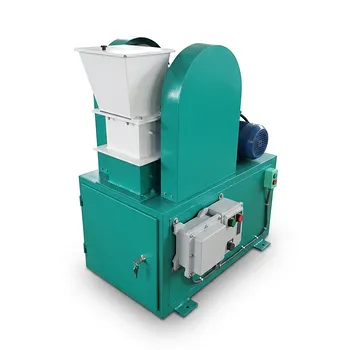
Custom Explosion-Proof Sealed Jaw Crusher for Laboratory and Industrial Sample Preparation
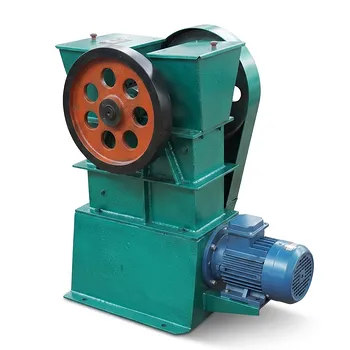
150×125mm Laboratory Jaw Crusher for Medium and Fine Crushing of Brittle Materials
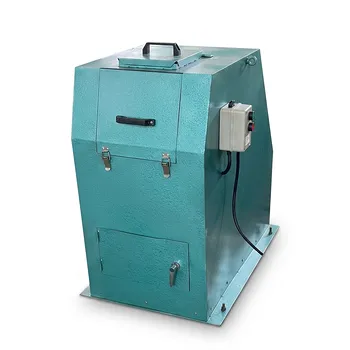
Environmentally Friendly Sealed Laboratory Jaw Crusher for Sample Preparation
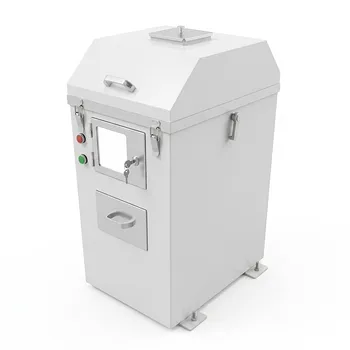
Sealed Double Roll Crusher for Laboratory Sample Preparation of Medium Hardness Materials
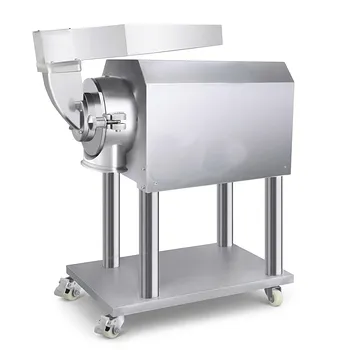
High Speed Small Laboratory Crusher for Dry Material Sample Preparation
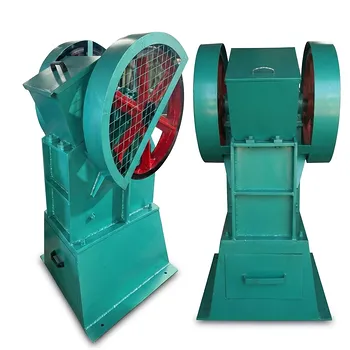
Sealed Jaw Crusher for Laboratory Material Crushing and Sample Preparation
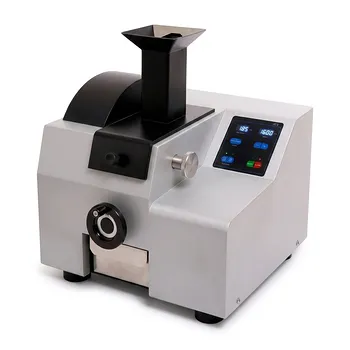
Laboratory Benchtop Jaw Crusher for Hard Brittle Materials Primary Size Reduction and Sample Preparation
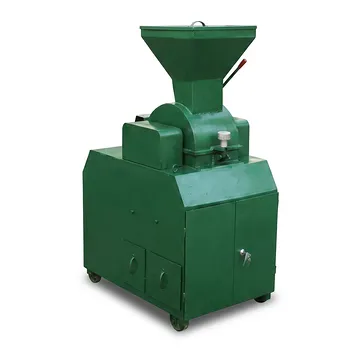
Industrial Sealed Hammer Knife Crusher for Mining Ore and Coal Sample Preparation
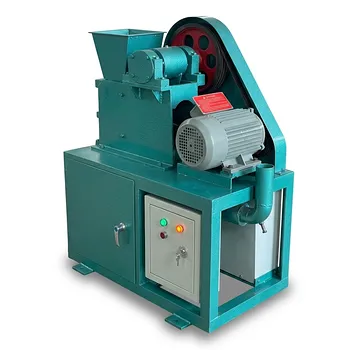
EP-B Type Sealed Jaw Crusher for Laboratory Sample Preparation
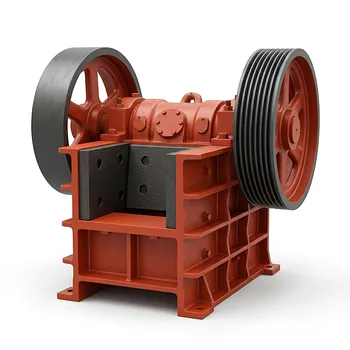
250x400 Jaw Crusher for Primary Crushing of Ores and Bulk Materials
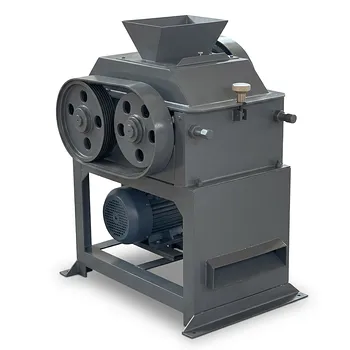
Sealed Laboratory Double Roll Crusher for Coal, Mineral, Ore Sample Preparation
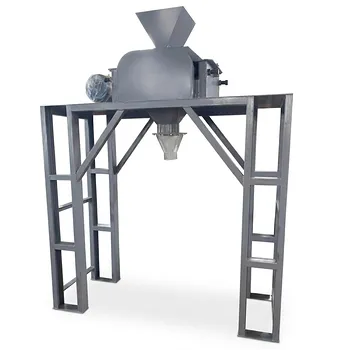
Heightened Customized Laboratory Double Roll Crusher for Coal Ore Rock Crushing