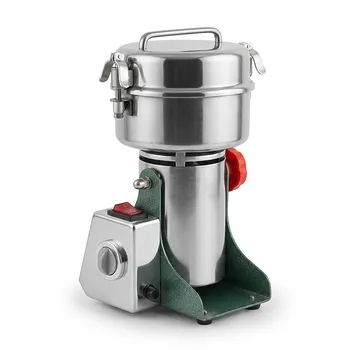
What is the function of laboratory grinding equipment in ZnO nanosphere sol-gel synthesis? Ensure Superior Particle Size
Updated 3 months ago
The primary function of laboratory grinding equipment in the sol-gel synthesis of ZnO nanospheres is the mechanical conversion of bulk, dried gel into a high-surface-area precursor powder. This critical step ensures that the subsequent high-temperature sintering process occurs with uniform reaction kinetics, which is essential for achieving a consistent and controllable final nanoparticle size.
Laboratory grinding bridges the gap between the initial chemical synthesis and the final thermal treatment. By transforming the dried gel into a uniform powder, it optimizes the material's reactivity and ensures the structural integrity of the resulting Zinc Oxide nanospheres.
From Solid Gel to Reactive Precursor
Breaking Down the Bulk Gel Structure
After the initial sol-gel reaction, the material is typically dried at approximately 80°C, resulting in a solidified, bulk gel mass. Laboratory grinding equipment uses mechanical force to fracture this bulk material into a fine, workable powder.
Maximizing Specific Surface Area
Grinding significantly increases the specific surface area of the precursor material. A higher surface area allows for more efficient heat transfer and more active sites during the subsequent phases of synthesis.
Ensuring Chemical Homogeneity
Mechanical processing helps distribute any remaining reagents or dopants evenly throughout the powder. This homogeneity is vital for preventing localized variations in the chemical composition of the final ZnO nanospheres.
Influence on Final Nanosphere Quality
Optimizing Sintering Kinetics
The powdered precursor is subjected to high-temperature sintering at 600°C to crystallize the ZnO. Because the grinding process creates uniform particles, the reaction kinetics remain stable across the entire batch, preventing erratic crystal growth.
Achieving Uniform Particle Size Distribution
The consistency of the final nanoparticle size is directly linked to the uniformity of the precursor powder. Proper grinding prevents the formation of large aggregates, ensuring the final nanospheres meet strict dimensional specifications.
Enhancing Thermal Stability
By refining the powder before it reaches the furnace, grinding allows for a more controlled release of volatile components. This stability during the heating phase helps maintain the desired spherical morphology of the nanoparticles.
Understanding the Trade-offs and Pitfalls
Risk of Material Contamination
The use of grinding media, such as ceramic or steel balls, introduces a risk of impurities entering the ZnO sample. Selecting high-purity, wear-resistant grinding media is necessary to maintain the chemical integrity of the nanospheres.
Impact of Over-Grinding
Excessive mechanical energy can introduce high densities of intrinsic defects, such as oxygen vacancies, into the crystal lattice. While these defects can enhance visible light absorption or antibacterial activity, they may be undesirable if your application requires high phase purity and perfect crystallinity.
Heat Generation During Processing
High-energy grinding can generate significant localized heat, which may trigger premature reactions or phase changes. Temperature-controlled milling or interval grinding is often required to preserve the precursor's properties before sintering.
How to Apply This to Your Project
Before selecting your grinding parameters, identify the primary performance requirement for your ZnO nanospheres.
- If your primary focus is High Phase Purity: Use low-energy grinding with high-purity zirconia media to minimize contamination and lattice defects.
- If your primary focus is Antibacterial or Photocatalytic Activity: Utilize high-energy ball milling to intentionally introduce oxygen vacancies and increase the reactive surface area.
- If your primary focus is Uniform Size Distribution: Ensure the dried gel is ground to a sub-micron level and sieved before the 600°C sintering step to ensure consistent growth kinetics.
By precisely controlling the mechanical processing of the precursor gel, you can dictate the functional and structural characteristics of the final ZnO nanospheres.
Summary Table:
| Synthesis Stage | Role of Grinding Equipment | Impact on ZnO Nanospheres |
|---|---|---|
| Post-Drying (80°C) | Fractures bulk gel into fine precursor powder | Maximizes specific surface area for reactivity |
| Pre-Sintering | Ensures chemical and dopant homogeneity | Prevents localized variations in composition |
| Thermal Treatment | Stabilizes reaction kinetics during sintering | Achieves uniform particle size distribution |
| Quality Control | Refines morphology and reduces aggregates | Enhances thermal stability and crystallinity |
Elevate Your Nanomaterial Synthesis Precision
Achieving consistent, high-quality ZnO nanospheres requires precise control over precursor preparation. We provide complete laboratory sample preparation solutions for material science, specializing in high-performance powder processing and compaction equipment.
Whether you need to minimize contamination with high-purity zirconia media or achieve sub-micron homogeneity, our extensive line of planetary ball mills, jet mills, and vibratory sieve shakers is designed to meet the most rigorous research standards. Furthermore, we offer a full spectrum of hydraulic presses, including Cold/Warm Isostatic Presses (CIP/WIP) and vacuum hot presses, to support your advanced material applications.
Ready to optimize your lab's efficiency and material performance? Contact us today to discuss your specific requirements and find the perfect equipment solution for your project.
References
- Shashi Kant;Amit Kumar. A Comparative Analysis Of Structural, Optical And Photocatalytic Properties Of ZnO And Ni Doped ZnO Nanospheres Prepared By Sol Gel Method. DOI: 10.5185/amlett.2012.5344
Mentioned Products
- Multifunctional High Efficiency High Speed Laboratory Grinder
- High Speed Laboratory Grinder Efficient Stainless Steel Powder Pulverizer Universal Material Science Mill for Sample Preparation
- Small High-Speed Laboratory Grinder for Powder Processing
- Laboratory Ultrafine Impact and Airflow Grinder for Precise Particle Size Control
- Laboratory Desktop Ultra Fine Powder Grinder High Speed Micronizing Pulverizer
People Also Ask
- What role does a laboratory grinder play in the pretreatment of sunflower seed shell-based adsorbents? Boost Efficiency.
- How does a laboratory grinder or mill enhance the adsorption performance of agricultural waste materials? Boost Surface Area
- Why use lab grinding for eggshell & husk carbon materials? Maximize Surface Area & Heat Transfer for Better Adsorption
- Why is grinding equipment necessary for SnO2-Sb2O3 xerogels? Maximize surface area and photocatalytic activity.
- What is the role of laboratory grinding equipment in the preparation of waste glass powder for eco-friendly red bricks?

Tech Team · PowderPreparation
Last updated on Jun 03, 2026
Related Products
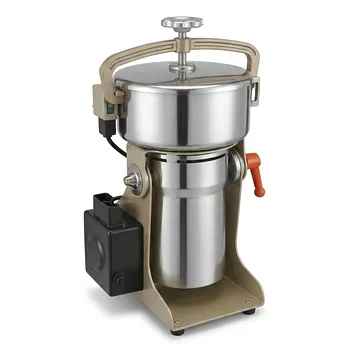
Multifunctional High Efficiency High Speed Laboratory Grinder
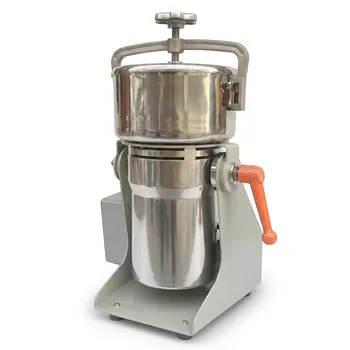
High Speed Laboratory Grinder Efficient Stainless Steel Powder Pulverizer Universal Material Science Mill for Sample Preparation
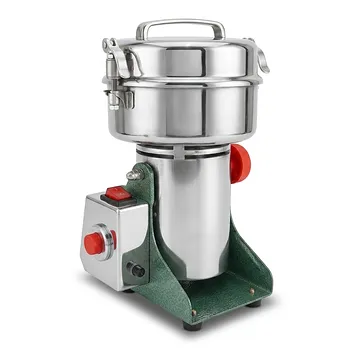
Small High-Speed Laboratory Grinder for Powder Processing
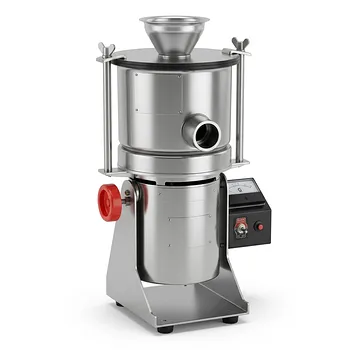
Laboratory Ultrafine Impact and Airflow Grinder for Precise Particle Size Control
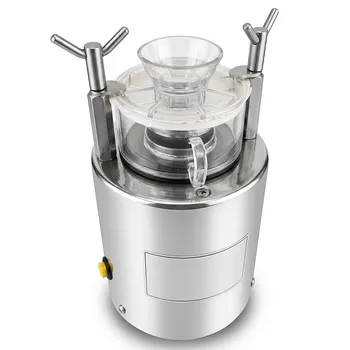
Laboratory Desktop Ultra Fine Powder Grinder High Speed Micronizing Pulverizer
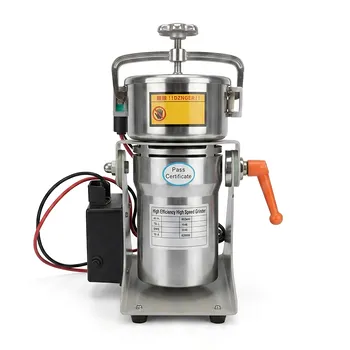
High Efficiency High Speed Grinder Laboratory Mill 1300W 25000rpm
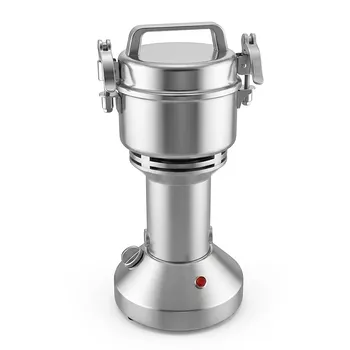
Small High Speed Upright Grinder for Laboratory Sample Preparation

Small High Speed Grinder for Laboratory Sample Preparation
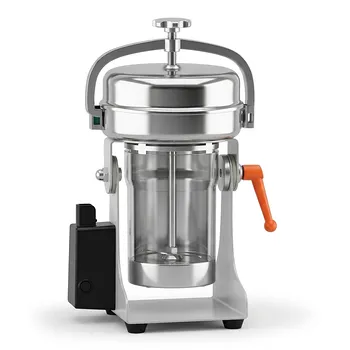
High Efficiency High Speed Grinder 2200W 25000 RPM Laboratory Sample Preparation
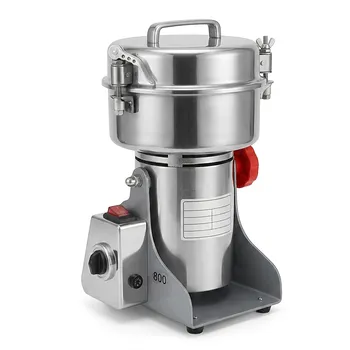
Small High-Speed Laboratory Grinder for Rapid Sample Preparation
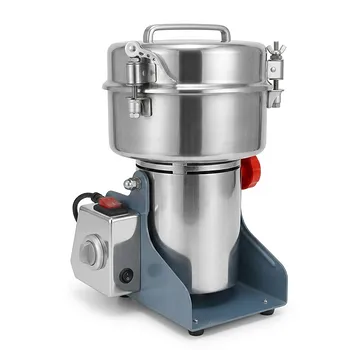
Small High-Speed Grinder for Efficient Laboratory Sample Preparation
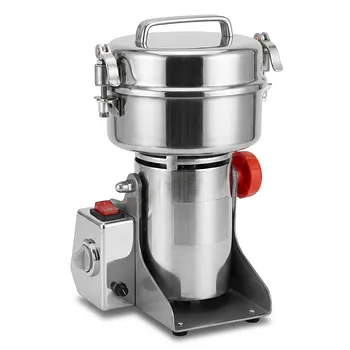
High Speed Laboratory Powder Grinder Small Batch Sample Preparation Mill
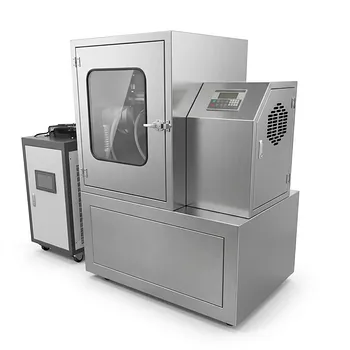
Vibratory Superfine Grinder for Ultra Fine Laboratory Powder Milling
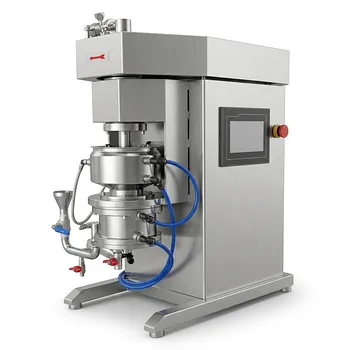
Small Ceramic Structure Laboratory Sand Mill Nanoscale Grinding Dispersion Equipment Seal-less Screen-less Design
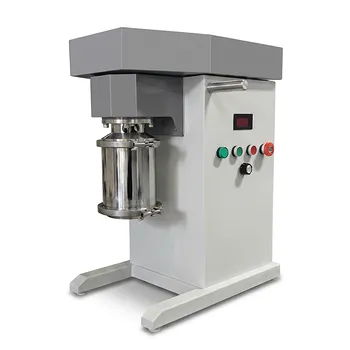
Nano Laboratory Bead Mill Desktop Sub Micron Sand Mill Screenless Seal Less Powder Grinder
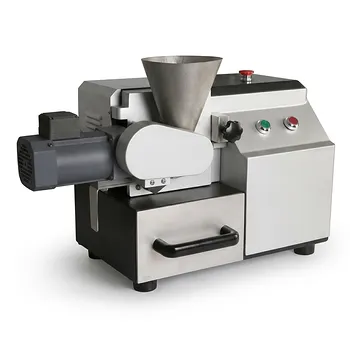
Laboratory Hammer Mill for Coal Quality Analysis and Brittle Mineral Grinding
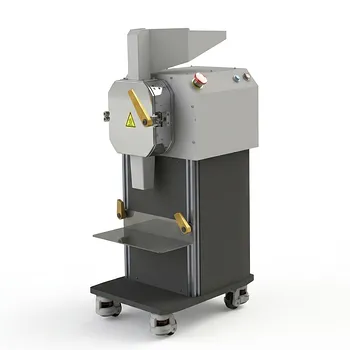
Small Laboratory Knife Crusher for Plastic Sample Preparation and Material Grinding
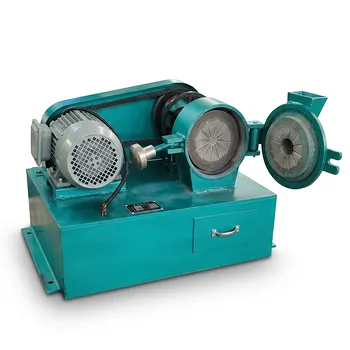
Laboratory Disc Mill Medium Hard Material Grinding Coal Coke Ore Pulverizer
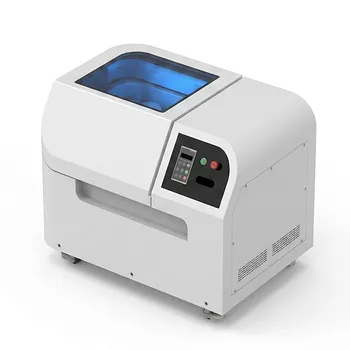
8L Planetary Ball Mill for Laboratory Grinding and Sample Preparation