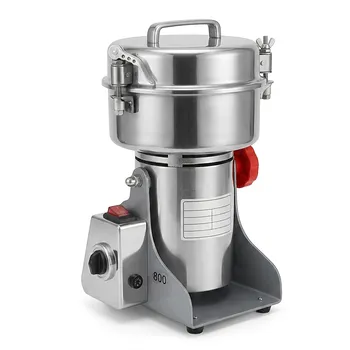
Why is a lab pulverizer necessary for XRF ore analysis? Ensure Accurate & Homogeneous Results
Updated 4 months ago
Pulverizing ore samples is the critical bridge between raw geological material and accurate chemical data. Using a laboratory sample pulverizer ensures the ore is reduced to an ultra-fine, homogeneous powder—often as fine as 38 microns. This process is mandatory because it eliminates the physical and mineralogical "noise" that would otherwise cause X-ray Fluorescence (XRF) instruments to produce inaccurate or non-reproducible results.
Core Takeaway: A laboratory pulverizer is necessary to eliminate particle size and matrix effects, ensuring the sample is chemically homogeneous and physically prepared for uniform X-ray penetration. Without this step, XRF analysis cannot accurately reflect the true elemental concentration of the bulk material.
Overcoming Physical and Mineralogical Interference
Eliminating the Particle Size Effect
XRF analysis relies on X-rays interacting with the surface of a sample. If particles are coarse or varying in size, the X-rays cannot uniformly penetrate the material, leading to shadowed areas and inconsistent signal returns. Pulverizing the sample to a fine powder ensures a uniform interaction, which is essential for determining the grade of elements like tin and tantalum.
Mitigating the Mineralogical Matrix Effect
Ore samples are often composed of diverse minerals with different densities and structures. This "matrix" can interfere with how X-rays are absorbed or enhanced. By grinding the ore into an extremely fine powder, you break down these complex mineral structures and create a uniform chemical environment that allows for accurate quantitative analysis of major oxides and trace elements.
Achieving Analytical Representativeness
Homogenization of Chemical Properties
Raw ore is inherently heterogeneous, meaning the chemical composition can vary significantly from one centimeter to the next. High-speed pulverizing mills provide thorough mixing and homogenization, ensuring that the small aliquot used for analysis truly represents the entire batch. This is vital for the precise determination of components like P2O5, MgO, and SiO2.
Increasing Specific Surface Area
Reducing the grain size drastically increases the specific surface area of the sample. This refinement leads to higher resolution spectra during analysis. It allows the spectrometer to detect subtle variations in Rare Earth Elements (REEs) and other trace components that might be lost in a coarser, less refined sample.
Preparing the Sample for Presentation
Facilitating High-Density Pelletization
XRF instruments require a sample with an extremely flat and dense surface to minimize physical interference. Pulverized powder is the ideal precursor for a laboratory press, which compresses the material into solid, disk-shaped pellets. This step eliminates surface porosity, ensuring the X-ray beam hits a consistent, solid target.
Ensuring Reproducibility in Results
Standardizing the particle size through pulverization is the only way to ensure reproducible data. When every sample is processed to the same micron level, researchers can confidently compare results across different batches. This consistency is fundamental for conducting ball mill grinding tests or determining ore grindability.
Understanding the Trade-offs
Risk of Sample Contamination
The primary trade-off in pulverization is the potential for cross-contamination or contamination from the grinding media itself (e.g., chrome steel or tungsten carbide). If the grinding bowl material contains elements that are being measured, it can skew the results. Analysts must carefully select grinding media that will not interfere with the target analytes.
Heat-Induced Volatilization
High-speed grinding generates significant friction and heat. In some cases, this heat can lead to the loss of volatile elements or changes in the oxidation state of certain minerals. It is essential to balance the grinding time and speed to achieve the required fineness without compromising the sample's chemical integrity.
How to Apply This to Your Project
Making the Right Choice for Your Goal
- If your primary focus is high-precision trace element analysis: Use a high-speed centrifugal mill or vibratory disc mill to achieve an ultra-fine grain size below 40 microns to maximize signal resolution.
- If your primary focus is preventing contamination of specific metals: Select grinding sets made of specialized materials like zirconia or agate to avoid introducing iron or chromium into your ore sample.
- If your primary focus is high-throughput production control: Prioritize manual or semi-automated disc grinders that can quickly process samples to a consistent fineness for rapid pelletization.
Proper sample pulverization transforms raw ore into a reliable analytical standard, turning unpredictable geological samples into precise, actionable data.
Summary Table:
| Key Factor | Benefit of Pulverization | Impact on XRF Analysis |
|---|---|---|
| Particle Size | Reduces ore to <38 microns | Ensures uniform X-ray penetration and signal consistency. |
| Homogeneity | Thoroughly mixes diverse minerals | Eliminates matrix effects for representative chemical data. |
| Surface Area | Increases specific surface area | Enhances spectral resolution for detecting trace elements/REEs. |
| Sample Form | Prepares powder for pelletization | Creates a flat, high-density surface to minimize interference. |
Optimize Your XRF Accuracy with Precision Sample Prep
High-quality analytical data starts with superior sample preparation. At [Your Brand Name], we provide complete laboratory sample preparation solutions designed specifically for material science and geological research.
Our specialized equipment ensures your ore samples achieve the perfect homogeneity and fineness required for XRF success:
- Advanced Milling: Planetary ball mills, jet mills, and vibratory disc mills for ultra-fine grinding.
- Superior Compaction: A full spectrum of hydraulic presses, including dedicated XRF pellet presses and Cold Isostatic Presses (CIP).
- Processing Excellence: Heavy-duty jaw crushers and sieve shakers to standardize every stage of your workflow.
Don't let sample interference compromise your results. Contact our experts today to find the ideal pulverizing and pelletizing solution for your laboratory.
References
- Jules UWIZEYIMANA, Francois Hategekimana. The Efficiency of Mechanized Mineral Processing Techniques to Recover Tin and Tantalum Ores. Case Study: Nyamatete Concession, Rwanda. DOI: 10.35180/gse-2022-0081
Mentioned Products
- Medium Hardness Material Disc Pulverizer for Coal Ore Sample Preparation
- Laboratory Disc Pulverizer for Coal Coke Ore and Medium Hard Materials Sample Preparation
- Laboratory Disc Mill Medium Hard Material Grinding Coal Coke Ore Pulverizer
- Small Trace Sample High Speed Pulverizer Grinder Laboratory Powder Mill
- Industrial High Speed Small Sample Pulverizer Swing Type Laboratory Grinder for Powder Processing
People Also Ask
- Why are high-efficiency pulverizers necessary for the further refinement of copper ore? Optimize Energy & Accuracy
- What is the primary function of a laboratory disc mill for oyster shells? Boost Reactivity & Analytical Precision
- What is the function of a laboratory pulverizer in Boerhavia diffusa-based adsorbent prep? Maximize Surface Area
- Why are grinding consumables made of zirconia used for high-purity chemical samples? Ensure Pure Sample Prep & Efficiency
- What is the role of a disk mill in the sample preparation of natural clinoptilolite? Enhance Reactivity & Precision

Tech Team · PowderPreparation
Last updated on Jun 03, 2026
Related Products
Medium Hardness Material Disc Pulverizer for Coal Ore Sample Preparation
Laboratory Disc Pulverizer for Coal Coke Ore and Medium Hard Materials Sample Preparation
Laboratory Disc Mill Medium Hard Material Grinding Coal Coke Ore Pulverizer
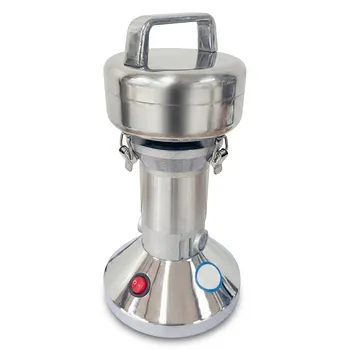
Small Trace Sample High Speed Pulverizer Grinder Laboratory Powder Mill
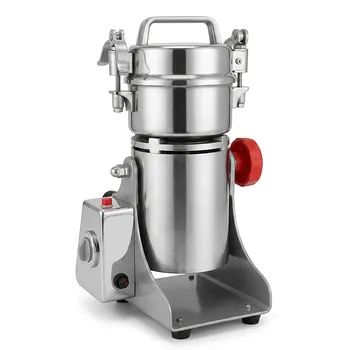
Industrial High Speed Small Sample Pulverizer Swing Type Laboratory Grinder for Powder Processing
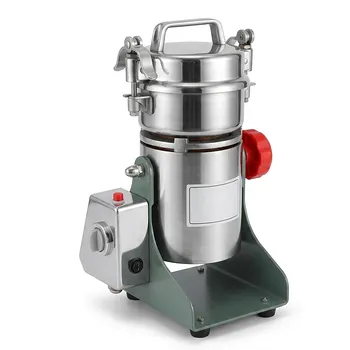
High Speed Swing Type Laboratory Pulverizer for Fine Powder Grinding and Sample Preparation
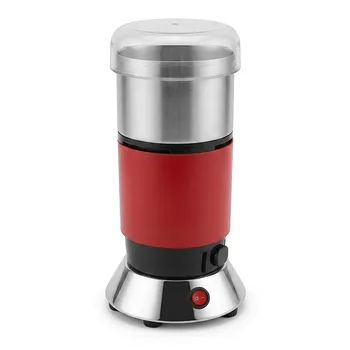
Micro Solid Sample Grinder High Speed Pulverizer for Laboratory Small Batch Grinding
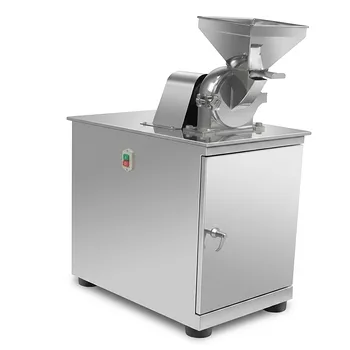
Universal Laboratory Pulverizer Grinder for Small Batch Powder Processing and Material Science Research
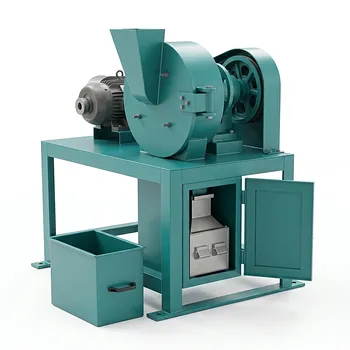
Sealed Disc Pulverizer Customized Model
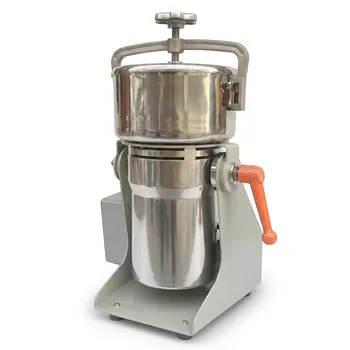
High Speed Laboratory Grinder Efficient Stainless Steel Powder Pulverizer Universal Material Science Mill for Sample Preparation
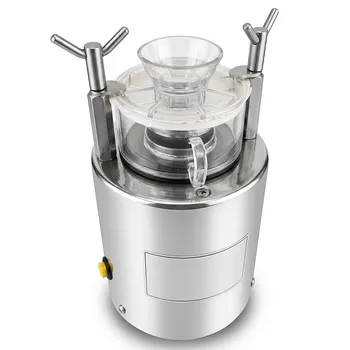
Laboratory Desktop Ultra Fine Powder Grinder High Speed Micronizing Pulverizer
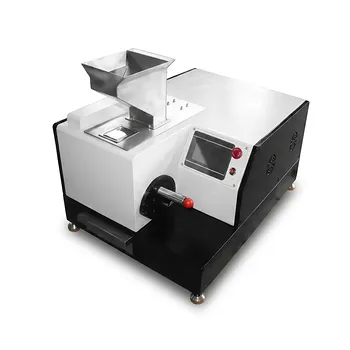
Experimental Jaw Crusher for Laboratory Ore Crushing and Sample Preparation
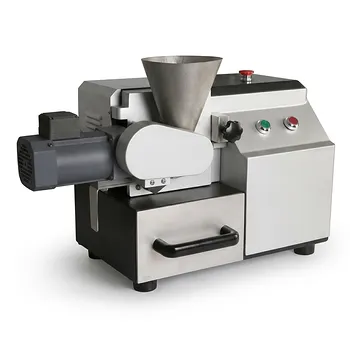
Laboratory Hammer Mill for Coal Quality Analysis and Brittle Mineral Grinding
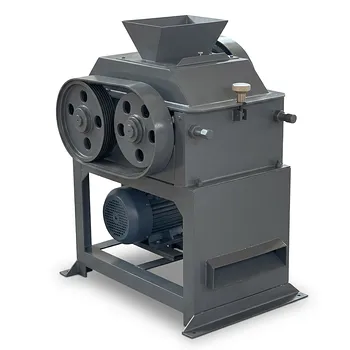
Sealed Laboratory Double Roll Crusher for Coal, Mineral, Ore Sample Preparation
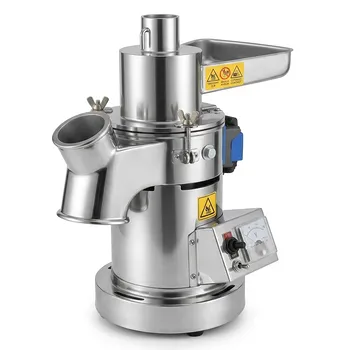
Continuous Feeding Grinder High Efficiency Pulverizer for Lab Sample Preparation
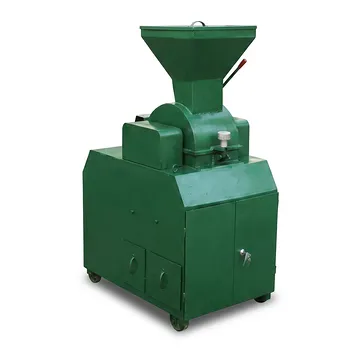
Industrial Sealed Hammer Knife Crusher for Mining Ore and Coal Sample Preparation
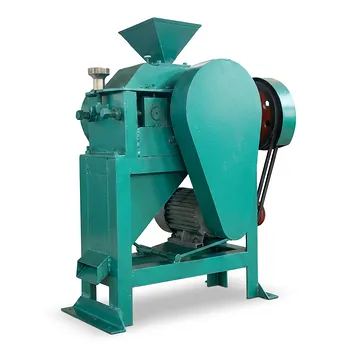
Laboratory Sealed Double Roll Crusher for Coal Ore Rock and Medium Hardness Materials Sample Preparation
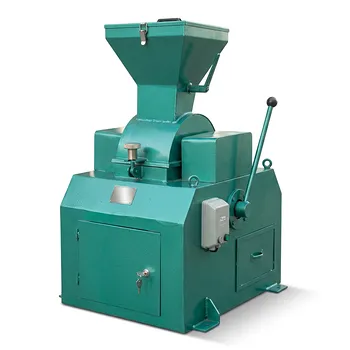
Laboratory Sealed Hammer Blade Crusher Divider for High Hardness Sample Preparation
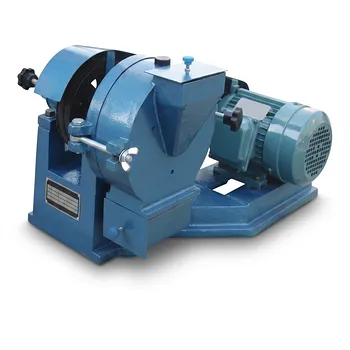
Laboratory Disc Mill for Ore and Mineral Sample Preparation