What is the primary function of a crusher in orange peel composite pretreatment? Enhance Efficiency and Dispersion
Updated 3 months ago
The primary function of a crusher in the raw material pretreatment of orange peel carbon black reinforced composites is to shred dried orange peel into smaller fragments. This initial mechanical breakdown serves as a critical foundation for secondary fine grinding, ensuring the material is sized appropriately for downstream processing while significantly enhancing handling efficiency.
Core Takeaway: The crusher acts as the essential first step in the comminution process, transforming macroscopic biomass into smaller dimensions to facilitate high-energy grinding and promote uniform particle distribution within the composite matrix.
The Role of Mechanical Size Reduction
Bridging the Gap from Raw Waste to Processable Feedstock
The crusher utilizes mechanical compression and impact forces to reduce the size of large, irregular dried orange peels. This process breaks down the macroscopic structure of the biomass, making it suitable for secondary grinding systems like ball mills or stirred mills.
Enhancing Downstream Processing Efficiency
By reducing raw materials to a consistent granularity, the crusher fundamentally influences the energy efficiency of the entire production line. Properly crushed fragments allow secondary mills to operate at peak performance, preventing clogs and ensuring a steady flow of material through the system.
Impact on Composite Performance
Maximizing Specific Surface Area
A primary goal of crushing and subsequent grinding is to significantly increase the specific surface area of the orange peel particles. A higher surface area ensures that when the particles are integrated into a resin or polymer matrix, they can make full contact with the medium.
Improving Interfacial Affinity and Dispersion
Mechanical refinement is necessary to achieve dispersion uniformity within the polymer matrix (such as epoxy or PLA). Smaller, more uniform particles prevent the formation of large clusters that could act as stress concentrators and compromise the mechanical properties of the final composite.
Facilitating Homogeneous Carbonization
If the process involves carbonization, crushed particles allow heat to penetrate uniformly and rapidly into the material. This ensures a complete and consistent transformation of the biomass into carbon black, which is vital for maintaining the structural integrity of the reinforced composite.
Understanding the Trade-offs
Energy Consumption vs. Particle Fineness
While finer particles generally improve composite strength, the energy required for crushing increases exponentially as the target size decreases. Over-processing in the initial stage can lead to unnecessary operational costs without providing proportional benefits to the final product.
Material Degradation and Heat Generation
High-speed mechanical shearing generates significant heat, which can potentially cause thermal degradation of the organic biomass if not managed. Producers must balance the intensity of the crushing force with the need to preserve the chemical properties of the orange peel fibers.
Equipment Wear and Contamination
The abrasive nature of some biomass materials can lead to equipment wear, potentially introducing trace metallic contaminants from the crusher blades into the composite. Regular maintenance and the selection of appropriate blade materials are necessary to ensure the purity of the carbon black reinforcement.
How to Apply This to Your Project
Selecting the Right Pretreatment Strategy
Effective pretreatment is the key to producing a high-performance composite that balances cost and mechanical durability.
- If your primary focus is Maximum Mechanical Strength: Prioritize achieving the smallest possible particle size through multiple stages of crushing and micron-scale grinding to maximize interfacial bonding.
- If your primary focus is Production Throughput: Optimize the crusher settings to produce the largest fragment size that the secondary mill can reliably handle to reduce energy bottlenecks.
- If your primary focus is Material Purity: Utilize crushers with ceramic or hardened stainless steel components to minimize the risk of metallic contamination during the shredding process.
By mastering the initial crushing stage, you establish the necessary physical conditions for a high-quality, uniform, and structurally sound reinforced composite.
Summary Table:
| Process Stage | Primary Function | Key Impact on Composite Performance |
|---|---|---|
| Pretreatment | Mechanical size reduction | Transforms macroscopic biomass into processable feedstock |
| Fine Grinding | Specific surface area increase | Facilitates uniform particle distribution & interfacial bonding |
| Carbonization | Uniform heat penetration | Ensures consistent transformation into high-quality carbon black |
| Final Integration | Dispersion uniformity | Prevents stress concentrations and improves mechanical strength |
Elevate Your Material Research with Expert Sample Preparation
Unlock the full potential of your reinforced composites with precision-engineered equipment. At [Brand Name], we specialize in providing complete laboratory sample preparation solutions tailored for material science and advanced powder processing.
From the initial breakdown of raw biomass to the final compaction of composite pellets, our extensive product line ensures superior results:
- Crushing & Grinding: High-performance jaw/roll crushers, liquid nitrogen cryogenic grinders, and planetary ball, jet, or rotor mills.
- Sieving & Mixing: Vibratory/air-jet sieve shakers and advanced powder/defoaming mixers for perfect homogeneity.
- Compaction Excellence: A full spectrum of hydraulic presses, including standard lab presses, XRF pellet presses, and advanced Cold/Warm Isostatic Presses (CIP/WIP) or vacuum hot presses.
Optimize your workflow and achieve unmatched material purity and performance.
Contact our specialists today to find the ideal solution for your lab!
References
- Erosive Wear Behavior of Carbon Black/Bio-char Bio-waste (Orange Peel) Reinforced Composites. DOI: 10.33263/briac136.512
Mentioned Products
- Versatile Industrial Crusher for Laboratory Crushing and Material Processing
- Heavy-Duty Crusher for Laboratory and Industrial Material Size Reduction
- Stainless Steel Coarse Crusher for Pharmaceutical Food and Plastic Material Processing
- High Speed Small Laboratory Crusher for Dry Material Sample Preparation
- Heavy Duty Industrial Jaw Crusher for Primary Ore Crushing and High Capacity Mineral Material Size Reduction
People Also Ask
- What is the purpose of using industrial crushers and vibratory sieve shakers in the pretreatment of coal gangue? Ensure Uniformity
- What is the role of industrial crushers and standard test sieves in biomass pyrolysis? Optimize Heat Transfer & Yield
- What is the function of industrial crushers in the initial preparation of silicate minerals? Enhance Sample Uniformity
- What is the function of an industrial crusher in CRSS filler preparation? Essential Size Reduction for Carbonization
- How do crushers and mills work together in gypsum recycling? Transform drywall waste into reactive ceramic materials.

Tech Team · PowderPreparation
Last updated on Jun 03, 2026
Related Products
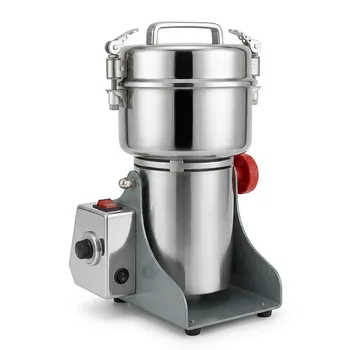
Versatile Industrial Crusher for Laboratory Crushing and Material Processing
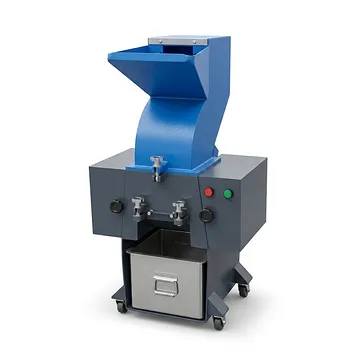
Heavy-Duty Crusher for Laboratory and Industrial Material Size Reduction
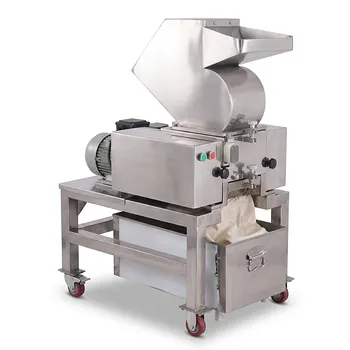
Stainless Steel Coarse Crusher for Pharmaceutical Food and Plastic Material Processing
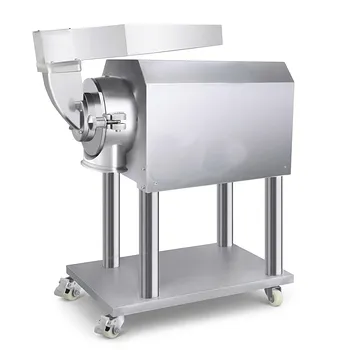
High Speed Small Laboratory Crusher for Dry Material Sample Preparation
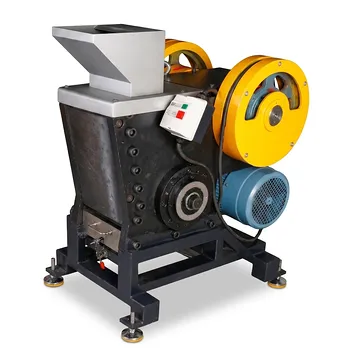
Heavy Duty Industrial Jaw Crusher for Primary Ore Crushing and High Capacity Mineral Material Size Reduction
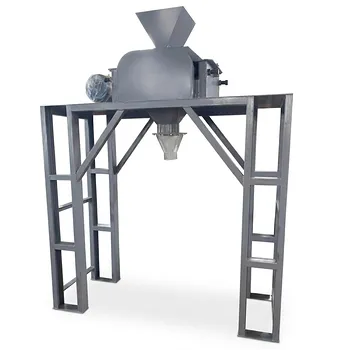
Heightened Customized Laboratory Double Roll Crusher for Coal Ore Rock Crushing
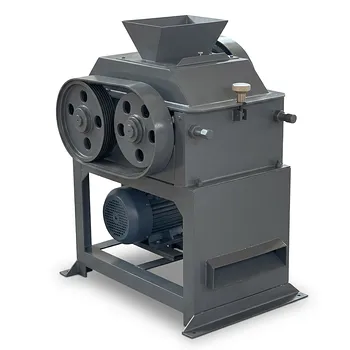
Sealed Laboratory Double Roll Crusher for Coal, Mineral, Ore Sample Preparation
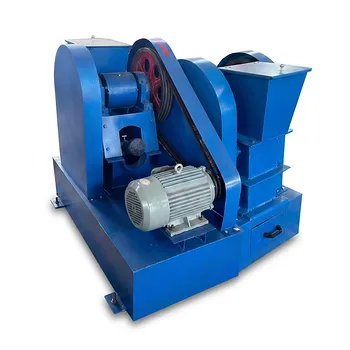
Horizontal Jaw Crusher Medium Hard Material Crushing Laboratory Sample Preparation Equipment
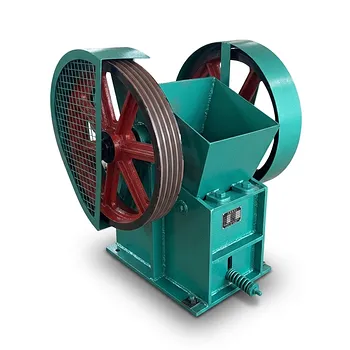
150x250mm Laboratory Jaw Crusher for Medium Hard Material Crushing and Sample Preparation
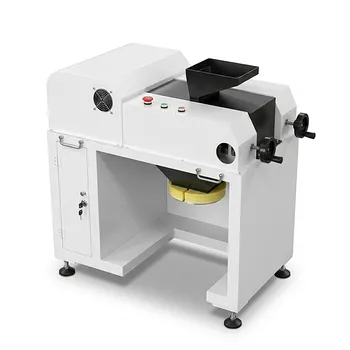
Precision Toothed Roll Crusher for Laboratory Coal and Mineral Sample Preparation
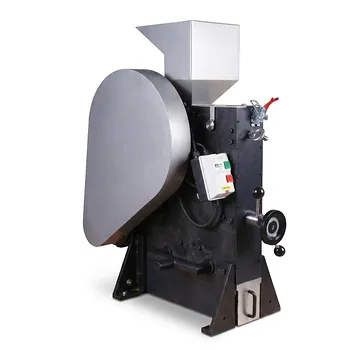
Heavy Duty Industrial Laboratory Jaw Crusher for Primary Sample Preparation and Hard Material Size Reduction

Sealed Double Roll Crusher for Laboratory Sample Preparation of Medium Hardness Materials
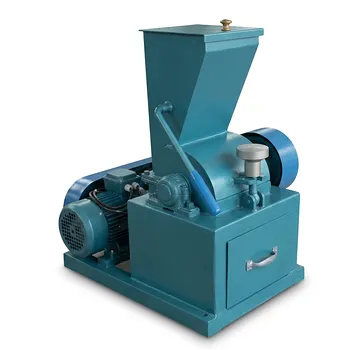
Small Hammer Crusher for Brittle Material Crushing in Mining Metallurgy and Lab Sample Preparation
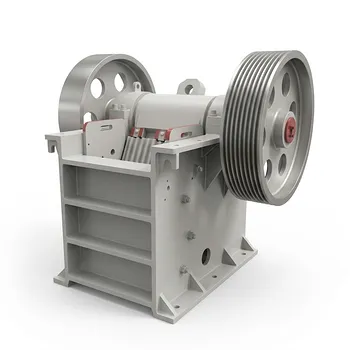
Jaw Crusher with 400x600mm Feed Opening for Primary Rock Crushing in Mining and Construction
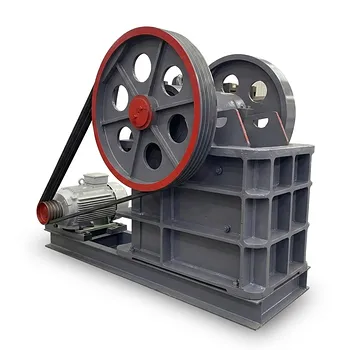
250x400mm Jaw Crusher Medium Crushing Equipment for Mining Mineral Sample Preparation
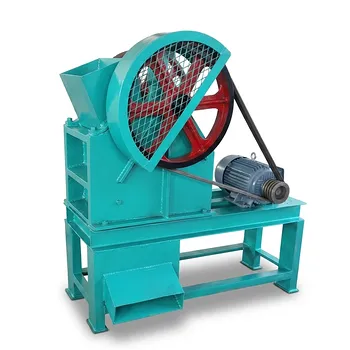
150x250mm Custom Laboratory Jaw Crusher for Coal Ore Mineral Crushing
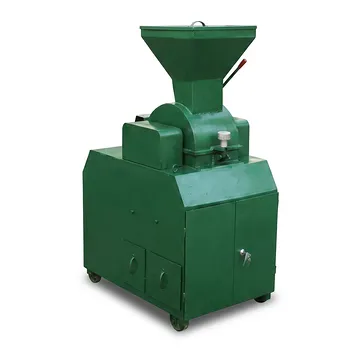
Industrial Sealed Hammer Knife Crusher for Mining Ore and Coal Sample Preparation
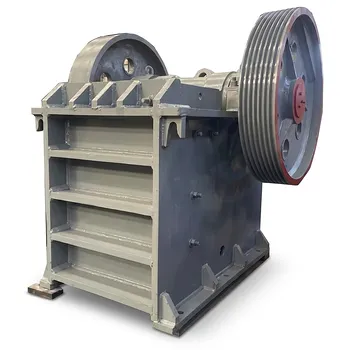
Heavy-Duty Jaw Crusher for Medium-Hard Ore and Industrial Mineral Crushing
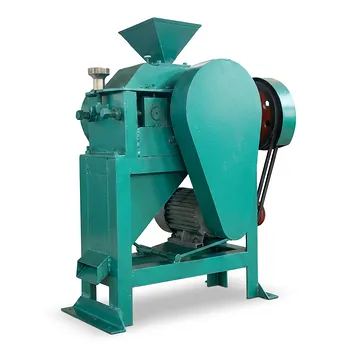
Laboratory Sealed Double Roll Crusher for Coal Ore Rock and Medium Hardness Materials Sample Preparation