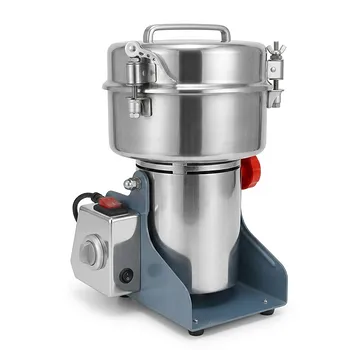
What is the mechanism of using 1-3mm alumina beads for talc refinement? Master Ultra-Fine Grinding & Purity
Updated 4 months ago
The mechanism of using small-diameter alumina beads in a stirred mill relies on high-frequency mechanical shear and collision. Driven by a high-speed stirring shaft, these 1–3mm beads create high-energy zones where talc particles are reduced through constant "peeling" and impact actions. This process is specifically engineered to produce ultra-fine talc while leveraging the wear resistance of alumina to maintain high material purity.
The core mechanism is the conversion of mechanical energy into intensive shear forces via high-frequency contact. By utilizing small alumina beads, processors achieve superior particle fineness and chemical integrity through efficient surface delamination rather than simple crushing.
The Mechanics of Energy Transfer in Stirred Mills
High-Frequency Contact and Collision
The stirring shaft rotates at high speeds, imparting intense kinetic energy to the 1–3mm alumina beads. This creates a dense, turbulent environment where beads collide with talc particles thousands of times per second.
The "Peeling" Action for Ultra-Fine Results
Talc has a naturally platy, layered structure that responds best to lateral forces. The alumina beads engage in a "peeling" or delamination action, stripping layers away from the talc particles to reach an ultra-fine state without destroying the mineral's essential flake structure.
High-Energy Shear Zones
The movement of the beads creates localized areas of extreme hydraulic and mechanical shear. These zones are where the majority of size reduction occurs, ensuring that the talc slurry is processed uniformly as it moves through the mill.
The Advantage of 1–3mm Bead Sizing
Increased Surface Area and Contact Points
Smaller beads (1–3mm) provide a significantly higher total surface area per unit of volume compared to larger media. This increased area translates to a higher density of "grinding spots," which is critical for achieving sub-micron particle sizes.
Optimizing Media Packing and Voids
The 1–3mm range allows for tighter packing within the grinding chamber while still permitting the talc slurry to flow. This balance maximizes the probability of a bead striking a particle, increasing the overall grinding efficiency of the system.
Alumina as the Material of Choice
Wear Resistance and Purity Maintenance
Alumina is exceptionally hard and resistant to abrasion. Because it resists breaking down during the high-energy stirring process, it prevents "media debris" from contaminating the talc, which is vital for maintaining the brightness and chemical purity required in plastics and cosmetics.
Hardness Compatibility with Talc
While alumina is much harder than talc, the 1–3mm size ensures the energy is distributed finely. This prevents over-grinding or "amorphization" of the talc crystal structure, preserving the physical properties that make talc a valuable industrial filler.
Understanding the Trade-offs and Pitfalls
Heat Generation and Slurry Rheology
The high-frequency interactions required for ultra-fine grinding generate significant thermal energy. If not managed with a cooling system, the rising temperature can change the viscosity of the talc slurry, potentially reducing grinding efficiency or causing the media to "clump."
Energy Consumption vs. Particle Size
While 1mm beads are superior for reaching ultra-fine targets, they require more energy to move through the slurry than 3mm beads. Operators must balance the desired fineness with the electrical cost of running the stirred mill at the necessary RPMs.
Media Capture and Filtration
Using beads as small as 1mm requires specialized screen separators at the mill discharge. If the screens are not maintained, there is a risk of "media escape," where small alumina beads exit with the final product, causing contamination and equipment damage downstream.
How to Apply This to Your Project
Depending on your specific production requirements, the implementation of alumina media should be adjusted to meet your quality and cost targets.
- If your primary focus is Maximum Particle Fineness: Utilize 1mm alumina beads to maximize contact frequency and achieve the highest level of delamination.
- If your primary focus is Throughput and Energy Efficiency: Select 3mm beads to allow for higher flow rates and lower power consumption while still achieving professional-grade refinement.
- If your primary focus is Product Brightness and Purity: Ensure you use high-density alumina beads (92% Al2O3 or higher) to minimize wear-related discoloration of the talc.
By matching bead size and material properties to the specific structural needs of talc, you can achieve a highly efficient, high-purity refinement process.
Summary Table:
| Feature | Mechanism/Action | Key Benefit |
|---|---|---|
| 1-3mm Bead Size | Increased surface area & contact points | Achieves sub-micron particle fineness |
| Alumina Material | High hardness & wear resistance | Maintains material brightness & purity |
| Stirring Motion | High-frequency shear & "peeling" | Preserves talc's platy crystal structure |
| Energy Zones | Localized hydraulic/mechanical shear | Ensures uniform particle size distribution |
Elevate Your Material Processing Precision
Achieving the perfect particle size and purity requires more than just high-quality media—it requires the right equipment. At our core, we provide complete laboratory sample preparation solutions for material science, specializing in high-performance powder processing and compaction technology.
Whether you are refining industrial minerals like talc or developing advanced ceramics, our extensive product line is designed to meet your most rigorous standards:
- Advanced Grinding & Milling: Bead mills, planetary ball mills, jet mills, and cryogenic grinders for ultra-fine results.
- Sizing & Mixing: High-precision sieve shakers, powder mixers, and specialized defoaming mixers.
- Superior Compaction: A full spectrum of hydraulic presses, including Cold/Warm Isostatic Presses (CIP/WIP), vacuum hot presses, and XRF pellet presses.
Ready to optimize your lab’s efficiency and product quality? Contact us today to discuss your specific application needs and find the ideal equipment solution!
References
- Ömer GÜLEÇ, Metin Uçurum. Combination of Conventional Ball Mill and Stirred Mill to Obtain Ultra-Fine Talc. DOI: 10.21605/cukurovaumfd.1377725
Mentioned Products
- Horizontal Bead Mill for Nanoscale Grinding and Advanced Material Powder Processing
- Vertical Nano Bead Mill for Ceramic Materials with Permanent Magnet Motor and High Efficiency Grinding
- Laboratory Small Horizontal Sand Mill for Nano Materials Wet Grinding
- Cross Beater Mill for Brittle Material Grinding and Continuous Fine Crushing Industrial Sample Preparation
- Laboratory Disc Mill for Fine Sample Preparation of Hard and Brittle Materials
People Also Ask
- How does the bead filling rate affect the grinding performance and equipment wear in a bead mill? Optimization Guide
- Why is it necessary to precisely control the grinding media loading ratio? Master Nanosuspension Yield & API Stability
- Why is a ceramic lining preferred over stainless steel for a bead mill? Protect Enzymes and Ensure Biomass Purity
- Why is an external cooling circulation system necessary during the high-speed operation of a bead mill? Protect Integrity
- Why is the filling rate of grinding beads strictly controlled during the material milling process? Optimize Efficiency.

Tech Team · PowderPreparation
Last updated on May 14, 2026
Related Products
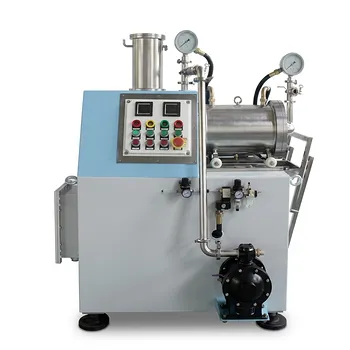
Horizontal Bead Mill for Nanoscale Grinding and Advanced Material Powder Processing
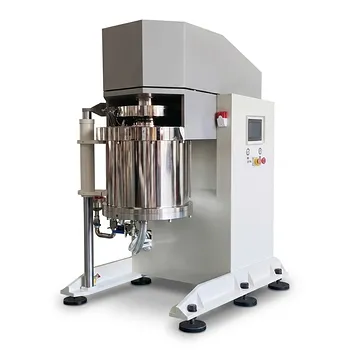
Vertical Nano Bead Mill for Ceramic Materials with Permanent Magnet Motor and High Efficiency Grinding
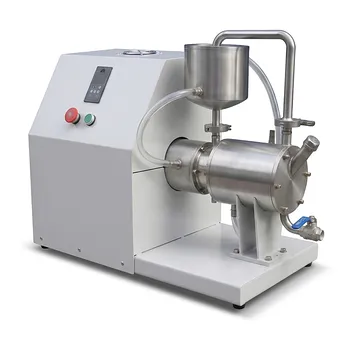
Laboratory Small Horizontal Sand Mill for Nano Materials Wet Grinding
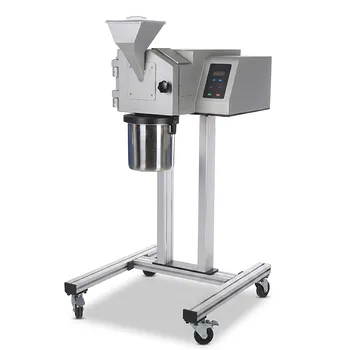
Cross Beater Mill for Brittle Material Grinding and Continuous Fine Crushing Industrial Sample Preparation
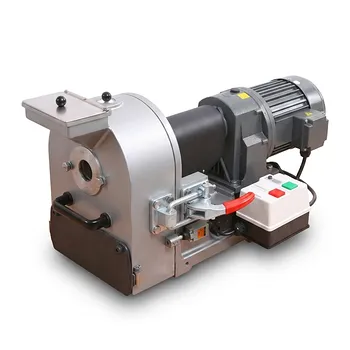
Laboratory Disc Mill for Fine Sample Preparation of Hard and Brittle Materials
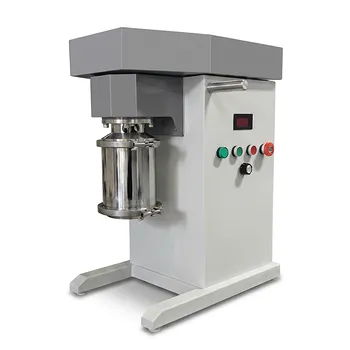
Nano Laboratory Bead Mill Desktop Sub Micron Sand Mill Screenless Seal Less Powder Grinder
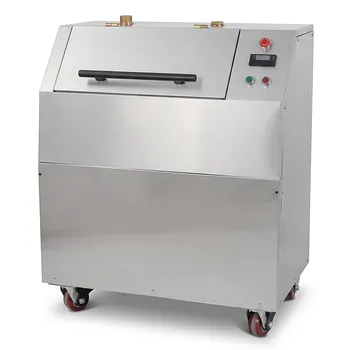
Vibratory Disc Mill for Rapid Fine Grinding and High Throughput Sample Preparation of Hard and Brittle Materials
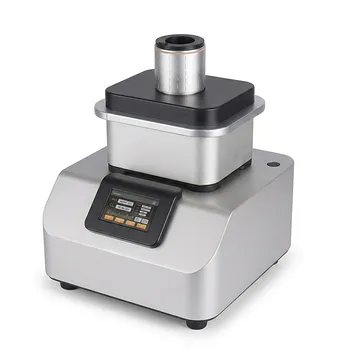
Ultra Centrifugal Mill High Speed Laboratory Grinder for Fibrous and Brittle Sample Preparation
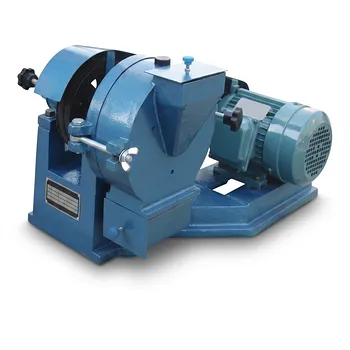
Laboratory Disc Mill for Ore and Mineral Sample Preparation
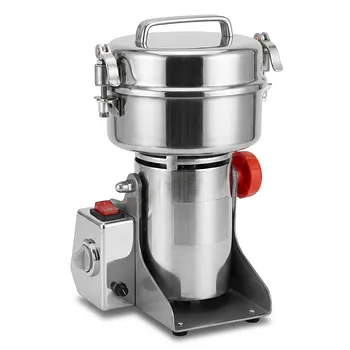
High Speed Laboratory Powder Grinder Small Batch Sample Preparation Mill
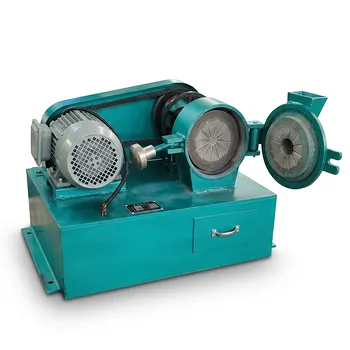
Laboratory Disc Mill Medium Hard Material Grinding Coal Coke Ore Pulverizer
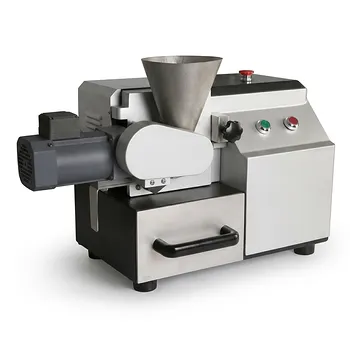
Laboratory Hammer Mill for Coal Quality Analysis and Brittle Mineral Grinding
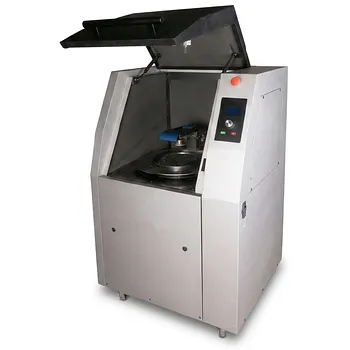
High Speed Vibratory Disc Mill for Spectral Analysis Sample Preparation and Rapid Powder Grinding
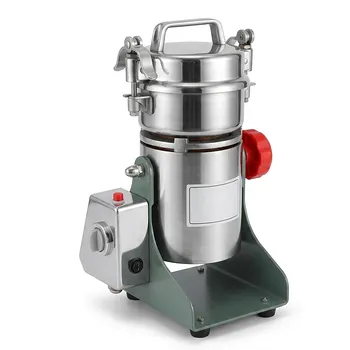
High Speed Swing Type Laboratory Pulverizer for Fine Powder Grinding and Sample Preparation
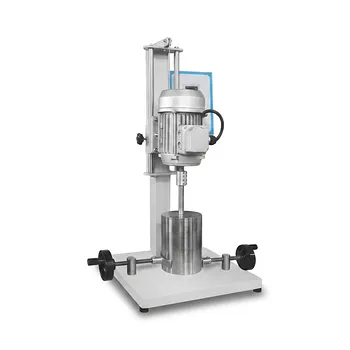
Laboratory Basket Sand Mill for Wet Grinding and Dispersion of Viscous Slurries
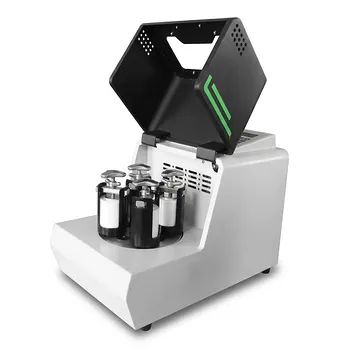
Miniature Planetary Ball Mill with Vacuum Grinding and High Efficiency for Laboratory Sample Preparation
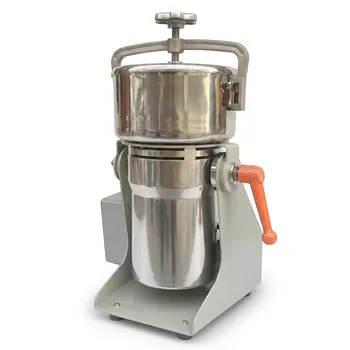
High Speed Laboratory Grinder Efficient Stainless Steel Powder Pulverizer Universal Material Science Mill for Sample Preparation
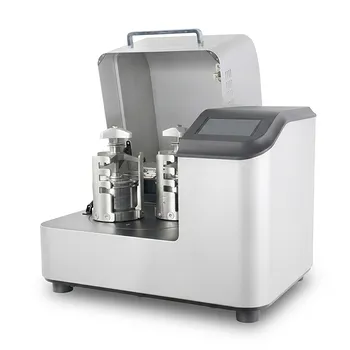
High Energy Planetary Ball Mill for Nano Scale Grinding and Mechanical Alloying
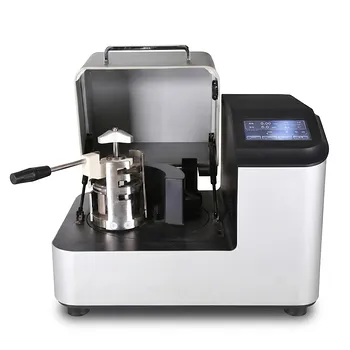
High Energy Laboratory Planetary Ball Mill for Nano Grinding and Material Science Sample Preparation