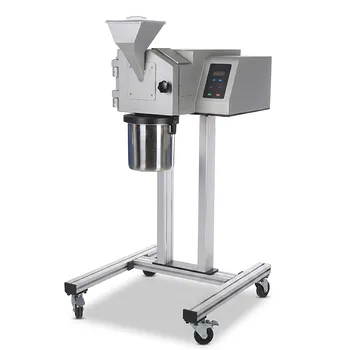
What is the function of mechanical grinding equipment in the processing of incinerated Rice Husk Ash (RHA)? Boost Reactivity
Updated 4 months ago
Mechanical grinding equipment serves as the critical refining stage in Rice Husk Ash (RHA) processing, primarily functioning to transform coarse, incinerated residue into an ultrafine powder. By applying mechanical force through systems like laboratory mills or disc mills, these machines reduce particle size—often to below 45 microns—and exponentially increase the material's specific surface area. This physical transformation is essential for unlocking the ash's chemical reactivity and ensuring it can perform effectively as a supplementary cementitious material or reinforcement filler.
The core value of mechanical grinding lies in its ability to convert a waste byproduct into a high-performance additive by maximizing surface contact and reactivity at the microscopic level. This process is the bridge between raw combustion residue and a functional, value-added engineering material.
The Role of Physical Refinement
Particle Size Reduction and Surface Area Expansion
Incinerated rice husk ash often emerges from the furnace with a coarse, macroscopic structure that is unsuitable for high-performance applications. Mechanical grinding uses high-frequency dry grinding or high-speed pulverization to break these structures down into micron-sized particles.
The most significant outcome of this reduction is the massive increase in specific surface area. A higher surface area means more of the material's silicate content is exposed and available for chemical interaction with surrounding matrices.
Achieving Micron-Level Uniformity
In advanced material science, such as the creation of aluminum-based composites or porous alumina, grinding ensures that RHA particles reach a specific fineness. This allows for uniform mixing at the micron level, preventing clusters and ensuring that the RHA is distributed evenly throughout the matrix.
For porous materials, this uniformity is critical for maintaining a consistent pore structure. In composite reinforcements, the refined particles provide a more consistent contact surface for bonding agents like epoxy resins.
Chemical and Structural Implications
Enhancing Pozzolanic Reactivity
The primary reason for grinding RHA in the construction industry is to enhance its pozzolanic reactivity. When particle sizes are reduced below 45 microns, the ash reacts more vigorously with calcium hydroxide, a byproduct of cement hydration.
This chemical reaction produces additional cementitious compounds that increase the overall strength of concrete and mortar. Without mechanical grinding, the coarse ash would remain largely inert, acting only as a weak filler rather than a chemical contributor.
Improving Microstructural Density
Finely ground RHA serves as a high-efficiency micro-filler. Because the particles are significantly smaller than cement grains, they can physically occupy the microscopic pores within a concrete or mortar matrix.
This "filling effect" results in a denser, less permeable structure. This density is vital for improving the durability of structures and enhancing the interfacial bonding strength in natural fiber composites.
Understanding the Trade-offs
Energy Consumption vs. Material Performance
Achieving "ultrafine" status requires significant energy input. There is a point of diminishing returns where the energy cost of further grinding outweighs the incremental gains in chemical reactivity or structural density.
Risk of Over-Processing
Excessive mechanical force can occasionally alter the crystalline structure of the silica within the ash. While the goal is to increase surface area, users must monitor the process to ensure they are not inadvertently reducing the desired amorphous silica content, which is the driver of pozzolanic activity.
Equipment Wear and Maintenance
Rice husk ash is inherently abrasive due to its high silica content. Processing large volumes of RHA requires specialized, wear-resistant grinding media (such as hardened steel or ceramic) to prevent equipment degradation and potential contamination of the ash.
Making the Right Choice for Your Goal
How to Apply This to Your Project
The level of grinding required depends entirely on the intended application of the Rice Husk Ash.
- If your primary focus is concrete strength and durability: Prioritize grinding the ash to a fineness of below 45 microns to maximize the pozzolanic reaction with cement hydration products.
- If your primary focus is soil stabilization or enhancement: Focus on increasing the specific surface area to achieve high chemical reactivity at lower additive ratios, reducing overall material costs.
- If your primary focus is composite material reinforcement: Use mechanical grinding to increase surface roughness and surface area, which improves the interfacial bonding strength between the ash and the resin matrix.
- If your primary focus is catalysis or biomass combustion: Ensure a uniform distribution of micron-sized particles to maximize contact efficiency between reactants and oxygen.
By precisely controlling the mechanical grinding process, you transform a simple agricultural byproduct into a sophisticated tool for engineering and industrial innovation.
Summary Table:
| Key Function | Physical/Chemical Impact | Main Industrial Benefit |
|---|---|---|
| Size Reduction | Reduces particles to <45 microns | Ensures uniform mixing in matrices |
| Surface Expansion | Exponentially increases specific surface area | Maximizes chemical contact & reactivity |
| Micro-filling | Creates ultrafine particles | Improves microstructural density & durability |
| Activation | Enhances pozzolanic reactivity | Increases compressive strength in concrete |
Elevate Your Material Research with Precision Powder Solutions
Processing incinerated Rice Husk Ash requires high-performance equipment that balances energy efficiency with extreme precision. At [Company Name], we provide complete laboratory sample preparation solutions for material science, specializing in the powder processing and compaction equipment needed to turn raw residue into high-value additives.
Our extensive product line is designed to handle abrasive materials like RHA with ease:
- Refinement: Laboratory mills (planetary ball, jet, disc, and rotor mills) for achieving sub-micron fineness.
- Preparation: Jaw and roll crushers for initial residue breakdown.
- Analysis: Vibratory and air-jet sieve shakers for precise particle size distribution.
- Compaction: A full spectrum of hydraulic presses, including Cold/Warm Isostatic Presses (CIP/WIP), vacuum hot presses, and XRF pellet presses for advanced composite fabrication.
Whether you are a researcher aiming to maximize pozzolanic reactivity or a manufacturer developing reinforced composites, our team is ready to help you select the ideal equipment for your workflow. Contact us today to find your perfect solution!
References
- Hadiza Yusuf, Umar Ahmad. Investigation on the influence of date palm fiber on the strength and durability of concrete with rice husk ash as partial replacement of cement. DOI: 10.30574/wjarr.2025.26.3.2300
Mentioned Products
- Multifunctional High Efficiency High Speed Laboratory Grinder
- Small High-Speed Laboratory Grinder for Rapid Sample Preparation
- Small High Speed Grinder for Laboratory Sample Preparation
- Small High-Speed Grinder for Efficient Laboratory Sample Preparation
- Small High-Speed Laboratory Grinder for Powder Processing
People Also Ask
- What role does a laboratory grinder play in the pretreatment of sunflower seed shell-based adsorbents? Boost Efficiency.
- How does a laboratory grinder or mill enhance the adsorption performance of agricultural waste materials? Boost Surface Area
- What is the function of laboratory grinding equipment in ZnO nanosphere sol-gel synthesis? Ensure Superior Particle Size
- Why use lab grinding for eggshell & husk carbon materials? Maximize Surface Area & Heat Transfer for Better Adsorption
- Why is grinding equipment necessary for SnO2-Sb2O3 xerogels? Maximize surface area and photocatalytic activity.

Tech Team · PowderPreparation
Last updated on Jun 03, 2026
Related Products
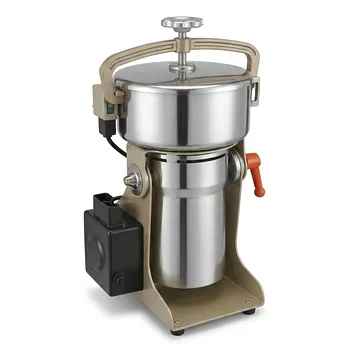
Multifunctional High Efficiency High Speed Laboratory Grinder
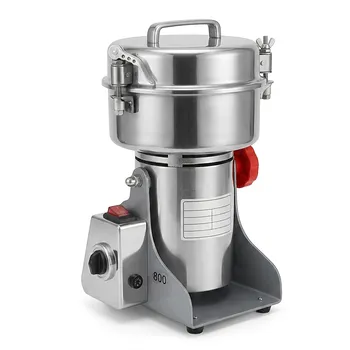
Small High-Speed Laboratory Grinder for Rapid Sample Preparation
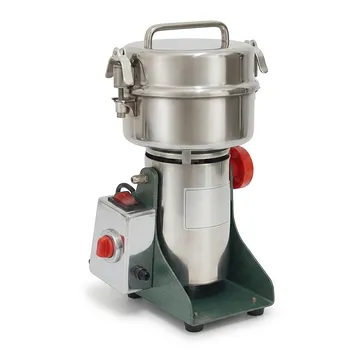
Small High Speed Grinder for Laboratory Sample Preparation
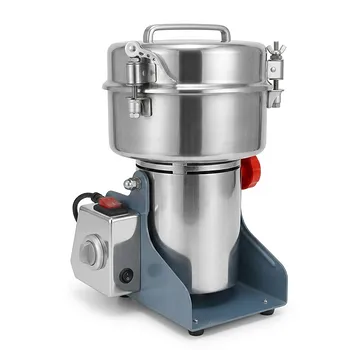
Small High-Speed Grinder for Efficient Laboratory Sample Preparation
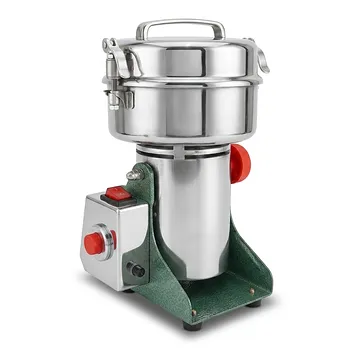
Small High-Speed Laboratory Grinder for Powder Processing
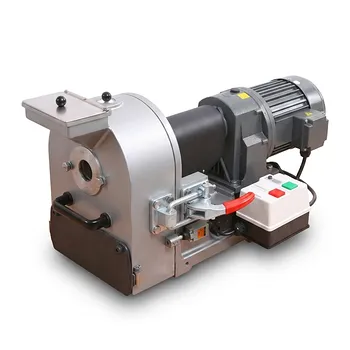
Laboratory Disc Mill for Fine Sample Preparation of Hard and Brittle Materials
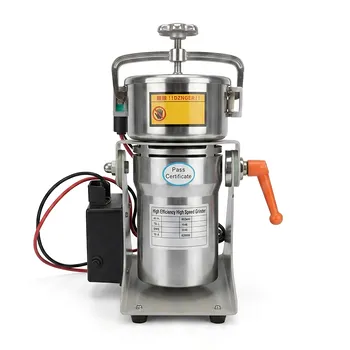
High Efficiency High Speed Grinder Laboratory Mill 1300W 25000rpm
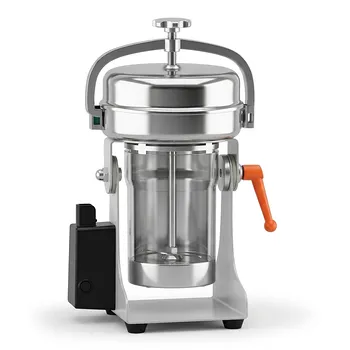
High Efficiency High Speed Grinder 2200W 25000 RPM Laboratory Sample Preparation
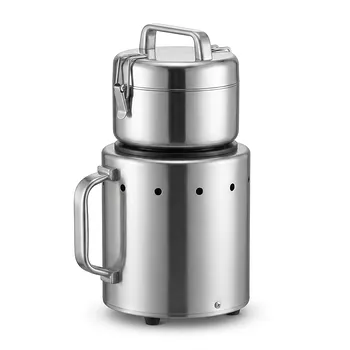
Small High Speed Grinder for Laboratory Sample Preparation
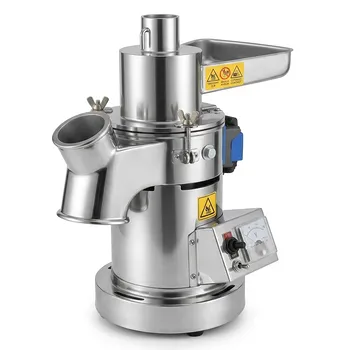
Continuous Feeding Grinder High Efficiency Pulverizer for Lab Sample Preparation
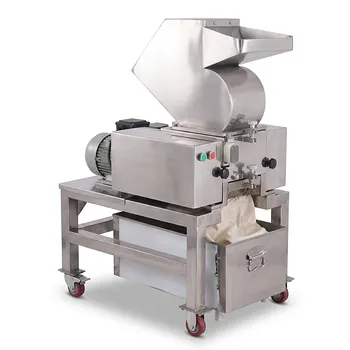
Stainless Steel Coarse Crusher for Pharmaceutical Food and Plastic Material Processing
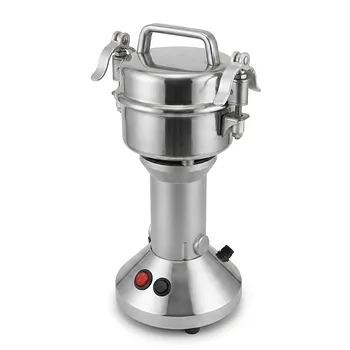
Continuous Feeding Grinding Mill for Dry Fibrous Tough and Hard Materials in Laboratory and Small Production
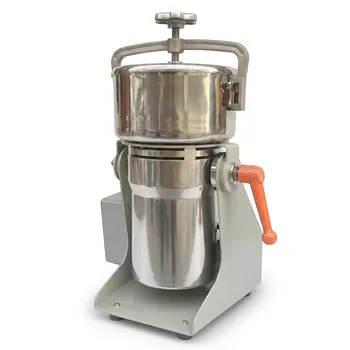
High Speed Laboratory Grinder Efficient Stainless Steel Powder Pulverizer Universal Material Science Mill for Sample Preparation
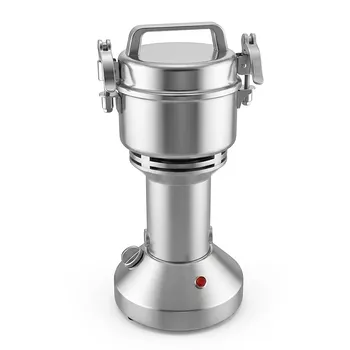
Small High Speed Upright Grinder for Laboratory Sample Preparation
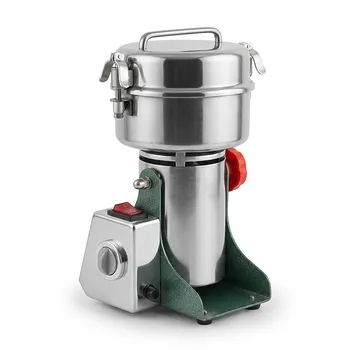
Small High-Speed Swing Grinder for Laboratory Sample Preparation
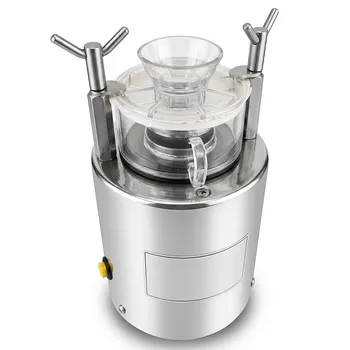
Laboratory Desktop Ultra Fine Powder Grinder High Speed Micronizing Pulverizer
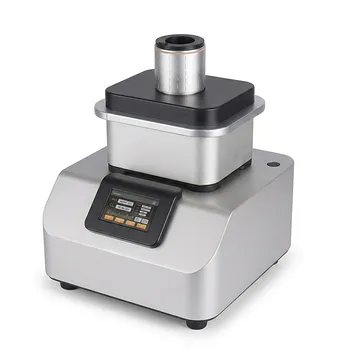
Ultra Centrifugal Mill High Speed Laboratory Grinder for Fibrous and Brittle Sample Preparation
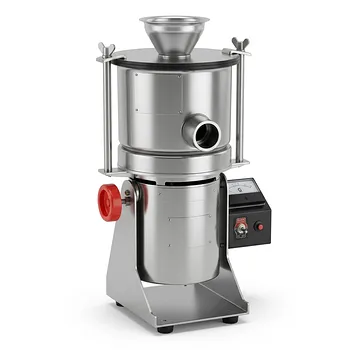
Laboratory Ultrafine Impact and Airflow Grinder for Precise Particle Size Control
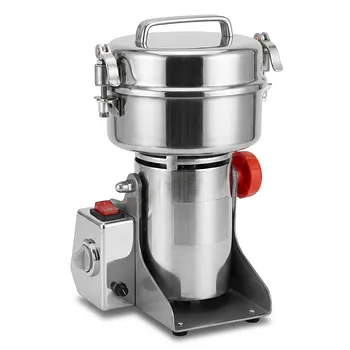
High Speed Laboratory Powder Grinder Small Batch Sample Preparation Mill