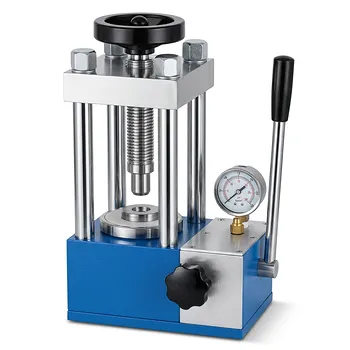
Function of Large-Scale Hydraulic Presses in Pilot Plants? Scale-up Advanced Material Development Effectively
Updated 5 months ago
In the scale-up of advanced materials, large-scale industrial hydraulic presses serve as the definitive validation tool for industrial feasibility. They replicate mass-production conditions to ensure that laboratory-discovered properties translate effectively to large-format molding. By simulating precise industrial pressure-holding curves, these machines allow engineers to assess material deformation and yield before committing to full-scale manufacturing.
The primary function of hydraulic presses in pilot plants is to bridge the "valley of death" between R&D and mass production by providing a controlled environment to validate molding processes at scale. This stage ensures that material behaviors observed at the gram level remain consistent when produced at the ton level.
Bridging the Gap from Laboratory to Factory
Transitioning from Grams to Tons
In advanced material development, a successful "gram-level" laboratory sample does not automatically guarantee success at scale. Large-scale hydraulic presses provide the physical force necessary to test material integrity in volumes that mirror actual commercial output. This transition is critical for identifying chemical or physical instabilities that only emerge in larger batches.
Validating Laboratory Assumptions
The pilot plant acts as a "reality check" for theoretical models and small-scale experiments. The hydraulic press confirms whether the material can withstand the rigors of industrial molding without losing its specialized properties. Without this validation link, companies risk massive financial losses by building full-scale lines based on unproven lab data.
Precision Simulation of Industrial Conditions
Replicating Pressure-Holding Curves
One of the most vital functions of these presses is the simulation of industrial pressure-holding curves. These curves dictate how much pressure is applied, for how long, and at what intervals during the molding process. By matching the parameters of a final production line, the pilot press ensures the material’s recipe is optimized for the intended machinery.
Analyzing Deformation and Yield
Understanding how a material deforms under thousands of tons of pressure is essential for calculating industrial yield. The pilot press allows engineers to observe flow patterns and structural weaknesses in the molded parts. This data is used to refine the molding process, reducing waste and ensuring a higher percentage of "perfect" parts in the final production run.
Understanding the Trade-offs and Scaling Risks
The Cost of Pilot Validation
Operating a large-scale hydraulic press in a pilot plant is significantly more expensive and energy-intensive than laboratory testing. While it reduces the risk of production failure, it requires a substantial upfront investment in space, specialized infrastructure, and skilled operators.
Mechanical vs. Material Variables
Success in the pilot plant does not always account for the high-speed automation used in full-scale factories. While the hydraulic press validates the material’s reaction to pressure, it may not fully simulate the thermal dynamics or cycle times of a high-speed assembly line. This gap requires careful engineering oversight to ensure the "pilot" results are truly representative.
How to Apply Pilot Scale-Up to Your Project
Successful industrialization requires selecting the right validation parameters based on your specific material goals. The hydraulic press is a versatile tool, but its utility depends on how it is integrated into your workflow.
- If your primary focus is Risk Mitigation: Use the press to conduct "stress tests" that push the material beyond its intended limits to find the point of failure.
- If your primary focus is Cost Optimization: Focus on the pressure-holding curves to find the minimum cycle time required to achieve a stable yield, reducing future energy costs.
- If your primary focus is Product Quality: Prioritize the analysis of deformation rates to ensure the material maintains its structural integrity across complex geometries.
By utilizing large-scale hydraulic presses as a rigorous validation link, you transform experimental laboratory research into a predictable and profitable industrial reality.
Summary Table:
| Function | Key Benefit | Impact on Production |
|---|---|---|
| Process Validation | Bridges "Grams to Tons" gap | Ensures industrial feasibility and feasibility |
| Industrial Simulation | Replicates pressure-holding curves | Optimizes material recipes for factory lines |
| Yield Analysis | Observes deformation patterns | Reduces waste and improves part quality |
| Risk Mitigation | Identifies physical instabilities | Prevents financial loss in full-scale manufacturing |
Transition from Lab to Industry with Confidence
Are you ready to move your advanced materials from the laboratory to the factory floor? [Brand Name] provides the complete sample preparation and compaction solutions necessary to bridge the gap. We specialize in precision equipment designed for material science, including:
- Advanced Compaction: Cold/Warm Isostatic Presses (CIP/WIP), standard lab presses, and vacuum hot presses.
- Powder Processing: Jaw/roll crushers, cryogenic grinders, and planetary ball/jet mills.
- Mixing & Analysis: Powder and defoaming mixers, plus vibratory and air-jet sieve shakers.
Our team specializes in helping you validate molding processes and optimize industrial yields, ensuring your research translates into profitable reality. Contact our technical experts today to find the ideal hydraulic press or processing solution for your pilot plant!
References
- Antonio Adrián Arciénaga Morales, Britta Thomsen. Some insights into nanotechnology innovation processes and patterns for advanced materials. DOI: 10.22201/fca.24488410e.2019.1805
Mentioned Products
- Ordinary Type Rotary Tablet Press for Pharmaceutical Chemical Food Electronic Industries
- 6-Ton Small Single-Punch Tablet Press — Laboratory Powder & Granule Tableting Equipment / Tablet Forming Machine
- Enhanced 9 Punch Rotary Tablet Press for Powder Compaction
- 5 Ton Single Punch Tablet Press Laboratory Small Batch Production
- 6 Ton Variable Frequency Single Punch Tablet Press
People Also Ask
- Why is a laboratory hydraulic press required for FT-IR KBr pellets? Achieve Precise Sample Clarity for ZrC–SiC Analysis
- Why is a laboratory hydraulic press required to compress oyster shell powder before XRF analysis? Improve Data Accuracy.
- Why is vacuum sealing and flexible packaging necessary for Aluminum Titanate powders during CIP? Ensure Peak Density
- What are the advantages of using hardened steel molds and graphite spray for titanium powder? Ensure structural integrity
- What role does a high-strength stainless steel mold kit play in the uniaxial die compaction process? Ensuring Precision

Tech Team · PowderPreparation
Last updated on May 14, 2026
Related Products
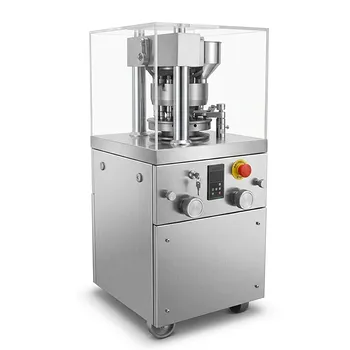
Ordinary Type Rotary Tablet Press for Pharmaceutical Chemical Food Electronic Industries
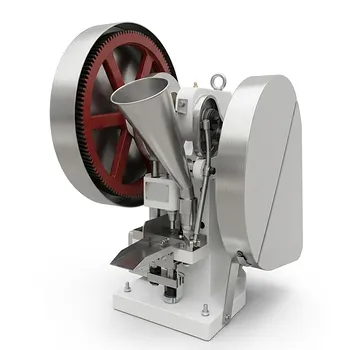
6-Ton Small Single-Punch Tablet Press — Laboratory Powder & Granule Tableting Equipment / Tablet Forming Machine
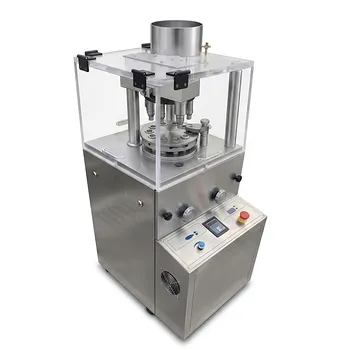
Enhanced 9 Punch Rotary Tablet Press for Powder Compaction
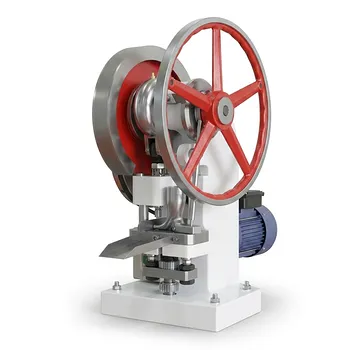
5 Ton Single Punch Tablet Press Laboratory Small Batch Production
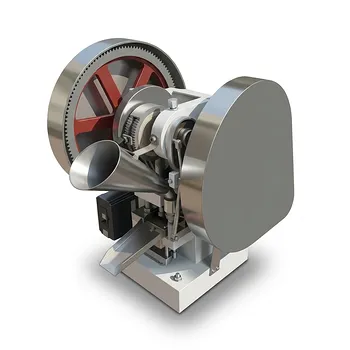
6 Ton Variable Frequency Single Punch Tablet Press
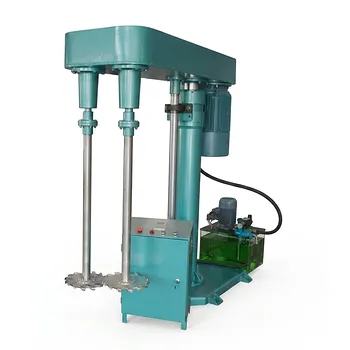
Hydraulic Double Shaft Disperser for High Viscosity Liquid Mixing and Dispersion