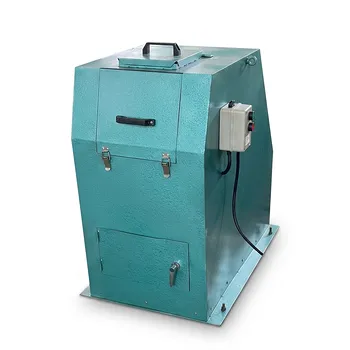
What is the primary role of a jaw crusher in the initial stage of phosphate ore sample preparation? Key Role Explained.
Updated 4 months ago
The primary role of a jaw crusher in phosphate ore preparation is to execute the initial size reduction of Run-of-Mine (ROM) materials. By breaking down large, irregular ore fragments into a consistent particle size of less than 5mm, the equipment establishes a uniform experimental base. This preliminary stage is essential for providing a stable feed for subsequent classification and fine grinding processes.
The jaw crusher acts as the foundational gateway for mineral analysis, transforming coarse raw phosphate ore into a standardized, manageable feed size. This process is vital for ensuring that subsequent grinding stages are efficient and that the final sample remains representative of the original deposit.
Transforming Run-of-Mine Ore into a Processable Feed
Achieving Preliminary Size Reduction
The jaw crusher handles the coarsest material, typically rocks larger than 10mm, and reduces them to a range below 5mm. This reduction is achieved through mechanical pressure applied by two opposing jaws in a V-shaped chamber.
Facilitating Downstream Efficiency
By creating a uniform feed, the jaw crusher protects more delicate secondary equipment from damage. It ensures that fine grinding mills can operate within their optimal parameters without facing oversized obstructions.
Establishing a Uniform Experimental Base
In a laboratory or industrial setting, consistency is the highest priority. Standardizing the particle size at this early stage ensures that all subsequent tests and chemical analyses are performed on a homogeneous material base.
The Mechanics of Representative Sampling
Exposure of Mineral Value
The crushing process begins the physical liberation of valuable minerals within the phosphate ore. By breaking down the raw structure, the jaw crusher ensures that the internal components of the ore are effectively exposed for further processing and analysis.
Minimizing the Production of Fines
High-quality jaw crushers are designed to precisely control the discharge particle size. This precision helps to minimize the overproduction of fines, which is critical for maintaining a feed size distribution that adheres to standard grinding protocols.
Ensuring Sample Representativeness
Large lumps of ore can vary significantly in their mineral content. Reducing the size to a consistent <5mm allows for more effective sample splitting, ensuring that the small portion used for final analysis truly represents the entire batch.
Understanding the Trade-offs and Potential Pitfalls
The Risk of Material Contamination
Because jaw crushers utilize intense mechanical pressure, the wear on the crushing plates can introduce trace amounts of metal into the sample. For high-purity phosphate analysis, selecting the correct plate material (such as tungsten carbide or stainless steel) is a critical technical decision.
Balancing Throughput and Precision
Opening the discharge gap increases throughput but results in a coarser feed that may stress secondary mills. Conversely, a gap that is too tight increases the generation of ultra-fine dust, which can lead to material loss or altered chemical profiles.
Moisture and Caking Issues
Phosphate ore with high moisture content can sometimes "cake" within the V-shaped chamber. This reduces efficiency and can cause the crusher to stall, necessitating pre-drying or specialized equipment adjustments.
How to Apply This to Your Preparation Project
When selecting or operating a jaw crusher for phosphate ore, your approach should be dictated by your specific analytical requirements.
- If your primary focus is analytical accuracy: Ensure the crusher is cleaned thoroughly between batches to prevent cross-contamination and use plates that do not interfere with your target elements.
- If your primary focus is process efficiency: Calibrate the discharge gap strictly to the <5mm threshold to ensure your fine grinding mills operate at peak performance without unnecessary wear.
- If your primary focus is mineral liberation studies: Focus on minimizing the production of fines to maintain the integrity of the ore's natural grain size distribution.
Properly executed primary crushing is the indispensable foundation upon which all reliable phosphate ore analysis is built.
Summary Table:
| Feature | Description |
|---|---|
| Primary Role | Initial size reduction of Run-of-Mine (ROM) materials |
| Target Output | Consistent particle size < 5mm |
| Equipment Protection | Prevents damage to fine grinding mills by removing oversized fragments |
| Analytical Value | Ensures homogeneous feed for representative sample splitting |
| Key Considerations | Contamination control (plate material) and moisture management |
Elevate Your Material Preparation with Professional Lab Solutions
Optimizing your phosphate ore analysis starts with the right equipment. We provide complete laboratory sample preparation solutions tailored for material science, specializing in high-performance powder processing and compaction equipment.
Our extensive product line supports every stage of your workflow:
- Primary Crushing: Durable jaw and roll crushers for initial size reduction.
- Fine Grinding: Advanced planetary ball, jet, and cryogenic grinders.
- Classification: Precision vibratory and air-jet sieve shakers.
- Compaction: A full spectrum of hydraulic presses, including Cold/Warm Isostatic Presses (CIP/WIP), vacuum hot presses, and XRF pellet presses.
Whether you are focusing on mineral liberation or high-purity chemical analysis, our experts can help you select the ideal plate materials and equipment configurations to prevent contamination and ensure representativeness.
Ready to enhance your lab's efficiency and accuracy? Contact our technical team today to find the perfect solution for your application!
References
- Gamal S. Abdelhaffez, Mohammed A. Hefni. CONTROLLING GRINDING PROCESS PARAMETERS USING CENTRAL COMPOSITE DESIGN TO REDUCE SLIMES IN PHOSPHATE ORE BENEFICIATION. DOI: 10.17794/rgn.2022.3.11
Mentioned Products
- Heavy Duty Industrial Jaw Crusher for Primary Ore Crushing and High Capacity Mineral Material Size Reduction
- 150x250mm Laboratory Jaw Crusher for Medium Hard Material Crushing and Sample Preparation
- Heavy-Duty Jaw Crusher for Medium-Hard Ore and Industrial Mineral Crushing
- 150×125mm Laboratory Jaw Crusher for Medium and Fine Crushing of Brittle Materials
- 250x400 Jaw Crusher for Primary Crushing of Ores and Bulk Materials
People Also Ask
- What role does an industrial jaw crusher play in gangue slurry processing? Essential Primary Size Reduction Insights
- What is the function of an industrial jaw crusher in the primary processing of ironstone? Key to Efficient Reduction
- What is the role of industrial crushers and standard test sieves in biomass pyrolysis? Optimize Heat Transfer & Yield
- What is the function of a jaw crusher in reservoir sediment geopolymer synthesis? Primary Size Reduction Explained
- What is the role of jaw or roll crushers in the initial processing of copper ore samples? Essential Prep for Analysis

Tech Team · PowderPreparation
Last updated on Jun 03, 2026
Related Products
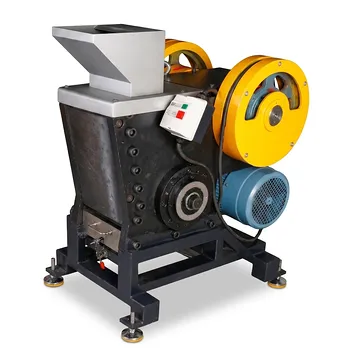
Heavy Duty Industrial Jaw Crusher for Primary Ore Crushing and High Capacity Mineral Material Size Reduction
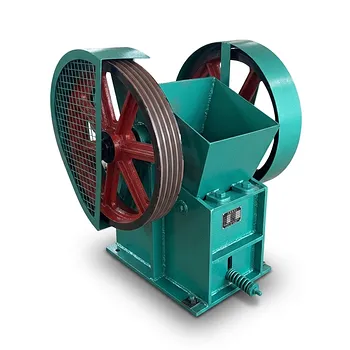
150x250mm Laboratory Jaw Crusher for Medium Hard Material Crushing and Sample Preparation
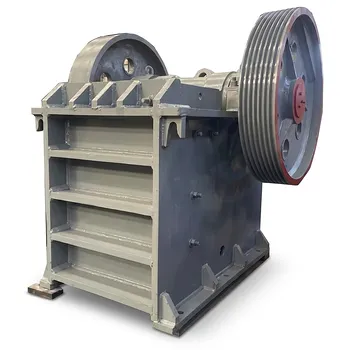
Heavy-Duty Jaw Crusher for Medium-Hard Ore and Industrial Mineral Crushing
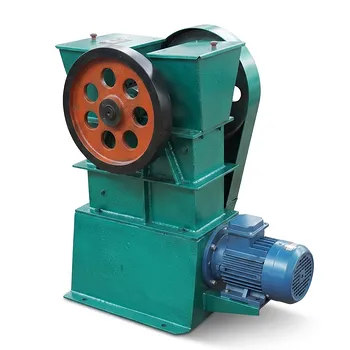
150×125mm Laboratory Jaw Crusher for Medium and Fine Crushing of Brittle Materials
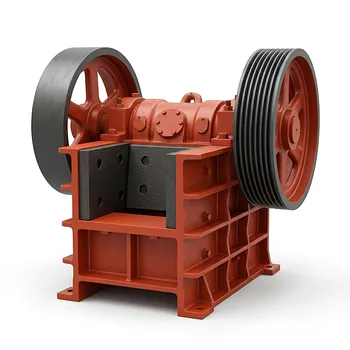
250x400 Jaw Crusher for Primary Crushing of Ores and Bulk Materials
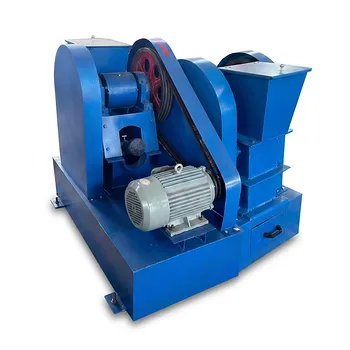
Horizontal Jaw Crusher Medium Hard Material Crushing Laboratory Sample Preparation Equipment
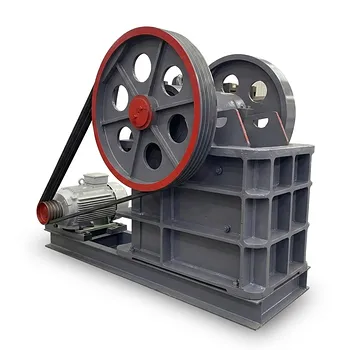
250x400mm Jaw Crusher Medium Crushing Equipment for Mining Mineral Sample Preparation
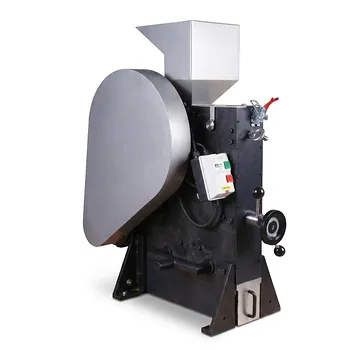
Heavy Duty Industrial Laboratory Jaw Crusher for Primary Sample Preparation and Hard Material Size Reduction
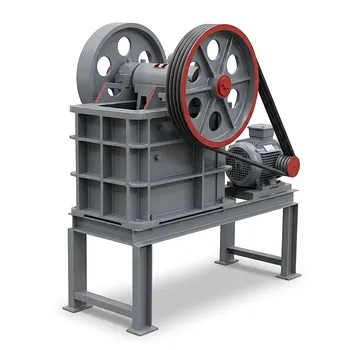
Laboratory Jaw Crusher 200x300mm Opening for Primary Crushing of Ores and Aggregates
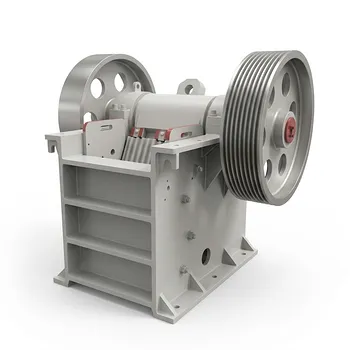
Jaw Crusher with 400x600mm Feed Opening for Primary Rock Crushing in Mining and Construction
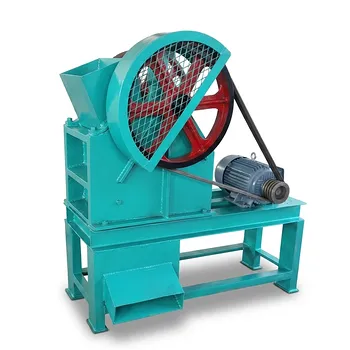
150x250mm Custom Laboratory Jaw Crusher for Coal Ore Mineral Crushing
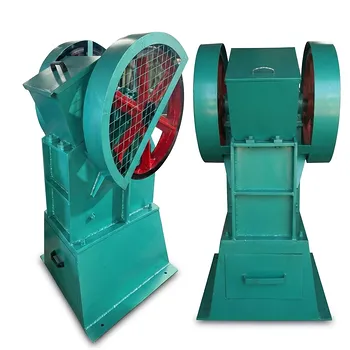
Sealed Jaw Crusher for Laboratory Material Crushing and Sample Preparation
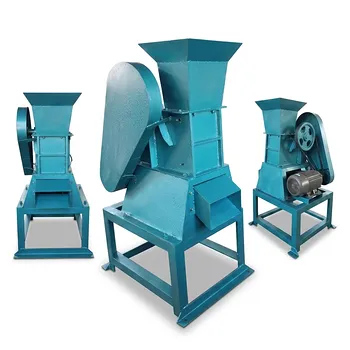
Custom Raised Height Laboratory Jaw Crusher for Precision Sample Preparation in Material Science
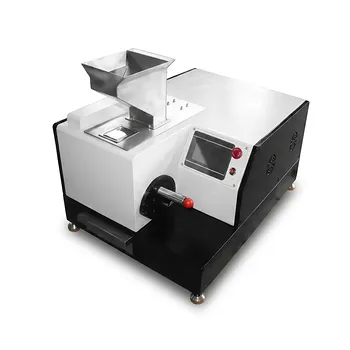
Experimental Jaw Crusher for Laboratory Ore Crushing and Sample Preparation
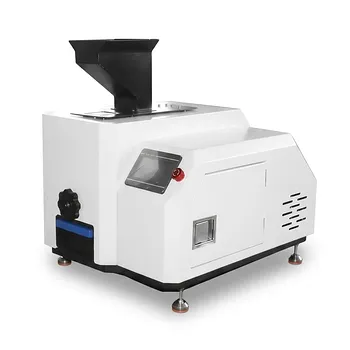
Laboratory Jaw Crusher 2025 Model for Ore and Brittle Material Crushing
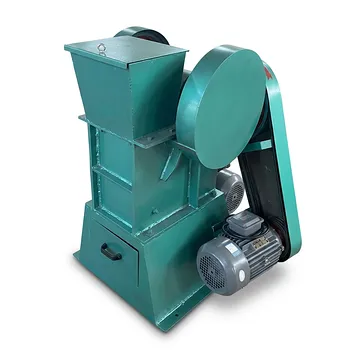
Small Laboratory Jaw Crusher 150x200mm Feed Opening for Sample Preparation and Medium Fine Crushing
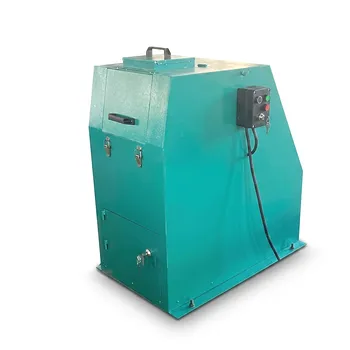
Environmentally Friendly Sealed Jaw Crusher for Laboratory Sample Preparation
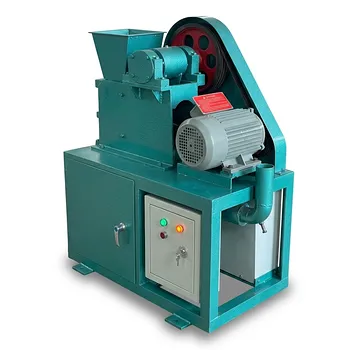
EP-B Type Sealed Jaw Crusher for Laboratory Sample Preparation
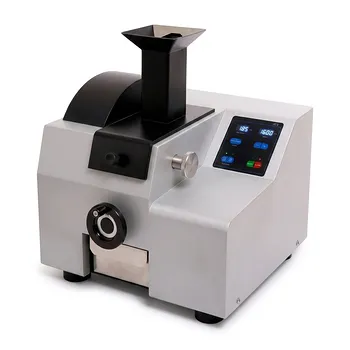
Laboratory Benchtop Jaw Crusher for Hard Brittle Materials Primary Size Reduction and Sample Preparation