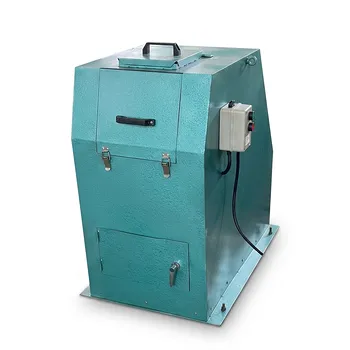
Why is a jaw crusher required for the coarse crushing stage of fused White Fused Alumina? Essential for Hard Materials
Updated 4 months ago
The primary necessity of a jaw crusher in White Fused Alumina (WFA) processing lies in its ability to handle massive structural loads. After WFA is cast in an electric arc furnace and cooled, it forms dense, oversized blocks that are far too large for standard milling equipment. The jaw crusher utilizes powerful mechanical compression to reduce these 0–100 mm blocks into a manageable feed size, acting as the essential first stage in the refinement process.
Core Takeaway: The jaw crusher serves as the critical "gatekeeper" of the production line, providing the high-torque compressive force needed to break down furnace-cooled blocks into a size that secondary equipment can safely process.
The Role of Compressive Force in Coarse Crushing
Breaking Down Large-Scale Blocks
White Fused Alumina exits the electric arc furnace as massive, consolidated blocks that possess extreme hardness. The jaw crusher is uniquely designed to accept these irregular feeds, typically ranging up to 100 mm, and apply the structural pressure required to shatter them.
Pre-Treatment for Secondary Refining
This stage is fundamentally a "pre-treatment" step rather than a final sizing process. By reducing the bulk material early, the jaw crusher ensures that the material entering the secondary stage is small enough to be gripped by rollers or pulverized by fine grinders.
Protecting the Production Lifecycle
Reducing Load on Secondary Equipment
Downstream machines, such as double-drive roll crushers, are designed for precision and specific particle distribution rather than raw power. By handling the heavy lifting of the initial breakdown, the jaw crusher prevents catastrophic mechanical failure and excessive wear on these more delicate secondary units.
Optimizing Processing Efficiency
Reducing the particle size of the stone waste early in the cycle lowers the overall energy consumption of the plant. Smaller, uniform particles move through the system more reliably, which improves the mixing uniformity required for refractory and abrasive applications.
Understanding the Trade-offs
Limitations in Final Particle Shape
While jaw crushers are unrivaled for primary reduction, they offer limited control over the final shape of the particles. They primarily produce angular, irregular fragments, which is why a secondary stage like a roll crusher is needed to achieve a 0–3 mm refined output.
Maintenance and Wear Management
The crushing plates (jaws) are subject to intense abrasive forces when processing WFA, which is inherently a high-hardness material. While the equipment is robust, the "wear-part" nature of the jaws requires a scheduled maintenance program to prevent a drop in crushing efficiency.
How to Apply This to Your Project
Making the Right Choice for Your Goal
To maximize the effectiveness of your primary crushing stage, align your equipment settings with your specific production targets:
- If your primary focus is maximizing throughput: Ensure the jaw crusher gap is calibrated to produce a feed size that perfectly matches the maximum intake capacity of your secondary roll crusher.
- If your primary focus is equipment longevity: Use the jaw crusher to perform aggressive reduction in the primary stage to minimize the mechanical stress and "shocks" experienced by fine grinding devices.
- If your primary focus is material uniformity: Maintain the integrity of the jaw plates to ensure the primary output remains within the 0-100mm range, preventing oversized blocks from bypassing the first stage.
A well-integrated jaw crusher is the foundation of an efficient White Fused Alumina production line, ensuring both mechanical reliability and consistent material flow.
Summary Table:
| Feature | Jaw Crusher (Primary Stage) | Roll Crusher (Secondary Stage) |
|---|---|---|
| Primary Function | High-torque coarse reduction | Fine refining & shaping |
| Input Size | 0–100 mm furnace blocks | Pre-crushed material |
| Mechanism | Mechanical compression | Double-drive grinding |
| Key Benefit | Prevents downstream failure | Achieves 0–3 mm uniformity |
| Output Shape | Angular and irregular | Controlled and refined |
Optimize Your Material Processing with Expert Solutions
Are you looking to enhance the efficiency of your White Fused Alumina production or material science research? At [Your Brand Name], we provide complete laboratory sample preparation solutions tailored for high-hardness materials and advanced powder processing.
From rugged jaw and roll crushers for primary reduction to precision planetary ball mills, jet mills, and cryogenic grinders, our equipment is designed to handle the toughest structural loads. We also offer a full spectrum of compaction and shaping tools, including:
- Hydraulic Presses: Standard lab presses, XRF pellet presses, and hot presses.
- Advanced Compaction: Cold/Warm Isostatic Presses (CIP/WIP) and vacuum hot presses.
- Sieving & Mixing: Vibratory sieve shakers, powder mixers, and defoaming mixers.
Whether you are a researcher needing precise sample sizes or a distributor looking for reliable OEM/ODM support and certified equipment, we are here to help. Contact us today to discuss how our powder processing and compaction technology can improve your workflow and product quality!
References
- László Tamás, Ádám Rácz. Material Bed Compression Experiments and the Examination of the Bulk Density of the Product. DOI: 10.33030/geosciences.2022.15.110
Mentioned Products
- Heavy Duty Industrial Jaw Crusher for Primary Ore Crushing and High Capacity Mineral Material Size Reduction
- 150x250mm Laboratory Jaw Crusher for Medium Hard Material Crushing and Sample Preparation
- Heavy-Duty Jaw Crusher for Medium-Hard Ore and Industrial Mineral Crushing
- 150×125mm Laboratory Jaw Crusher for Medium and Fine Crushing of Brittle Materials
- 250x400 Jaw Crusher for Primary Crushing of Ores and Bulk Materials
People Also Ask
- What role does an industrial jaw crusher play in gangue slurry processing? Essential Primary Size Reduction Insights
- What is the function of an industrial jaw crusher in the primary processing of ironstone? Key to Efficient Reduction
- What is the role of industrial crushers and standard test sieves in biomass pyrolysis? Optimize Heat Transfer & Yield
- What is the function of a jaw crusher in reservoir sediment geopolymer synthesis? Primary Size Reduction Explained
- What is the role of jaw or roll crushers in the initial processing of copper ore samples? Essential Prep for Analysis

Tech Team · PowderPreparation
Last updated on Jun 03, 2026
Related Products
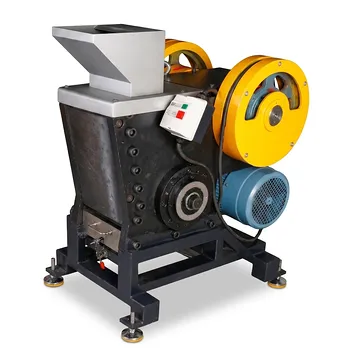
Heavy Duty Industrial Jaw Crusher for Primary Ore Crushing and High Capacity Mineral Material Size Reduction
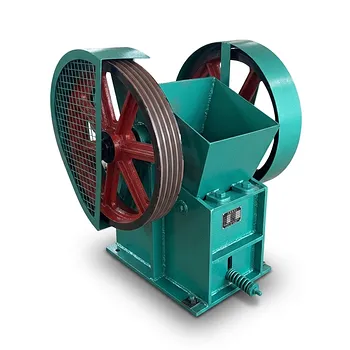
150x250mm Laboratory Jaw Crusher for Medium Hard Material Crushing and Sample Preparation
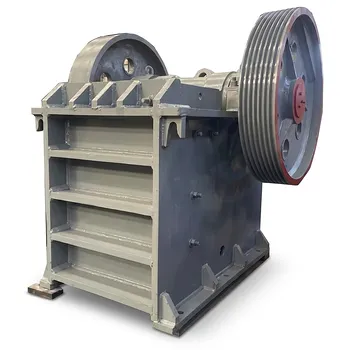
Heavy-Duty Jaw Crusher for Medium-Hard Ore and Industrial Mineral Crushing
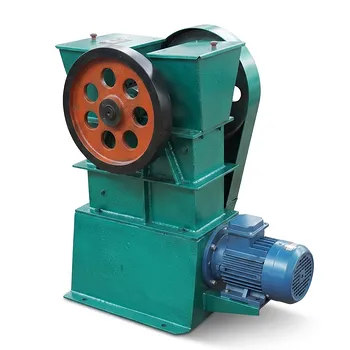
150×125mm Laboratory Jaw Crusher for Medium and Fine Crushing of Brittle Materials
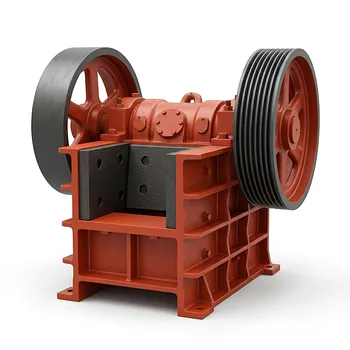
250x400 Jaw Crusher for Primary Crushing of Ores and Bulk Materials
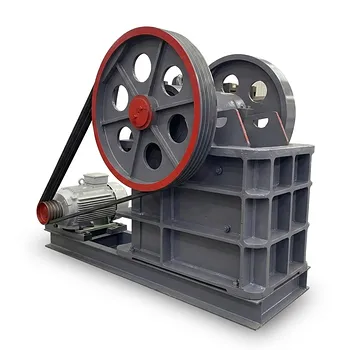
250x400mm Jaw Crusher Medium Crushing Equipment for Mining Mineral Sample Preparation
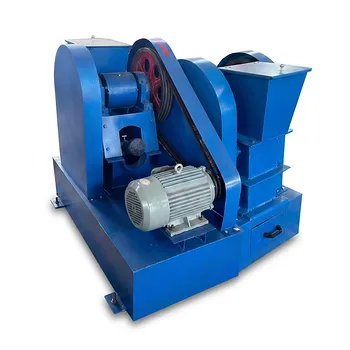
Horizontal Jaw Crusher Medium Hard Material Crushing Laboratory Sample Preparation Equipment
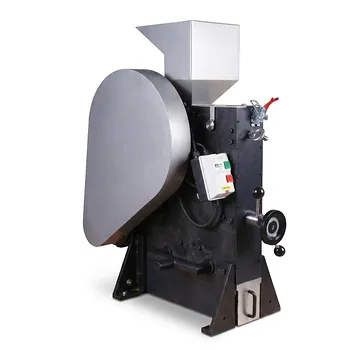
Heavy Duty Industrial Laboratory Jaw Crusher for Primary Sample Preparation and Hard Material Size Reduction
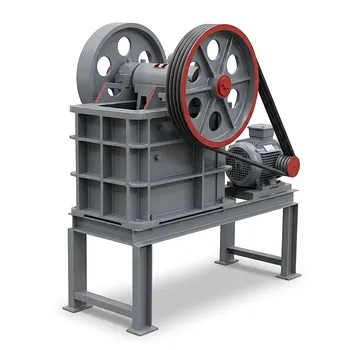
Laboratory Jaw Crusher 200x300mm Opening for Primary Crushing of Ores and Aggregates
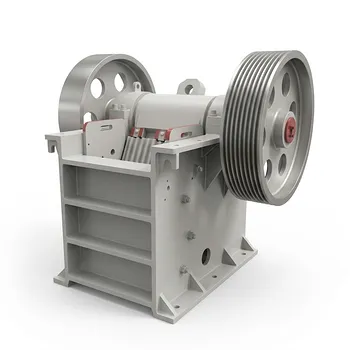
Jaw Crusher with 400x600mm Feed Opening for Primary Rock Crushing in Mining and Construction
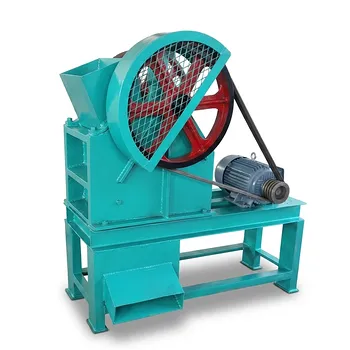
150x250mm Custom Laboratory Jaw Crusher for Coal Ore Mineral Crushing
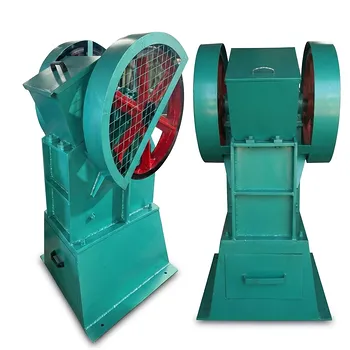
Sealed Jaw Crusher for Laboratory Material Crushing and Sample Preparation
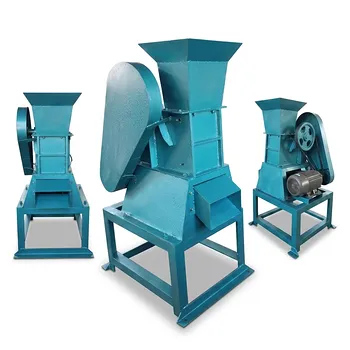
Custom Raised Height Laboratory Jaw Crusher for Precision Sample Preparation in Material Science
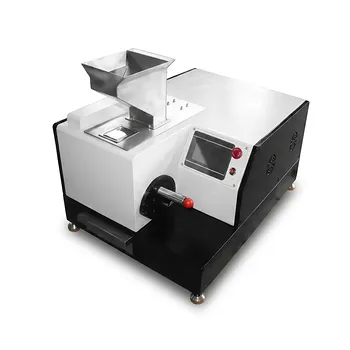
Experimental Jaw Crusher for Laboratory Ore Crushing and Sample Preparation
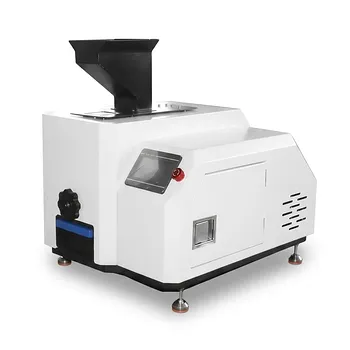
Laboratory Jaw Crusher 2025 Model for Ore and Brittle Material Crushing
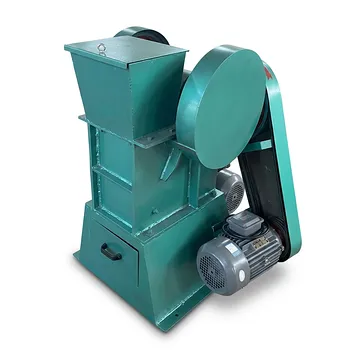
Small Laboratory Jaw Crusher 150x200mm Feed Opening for Sample Preparation and Medium Fine Crushing
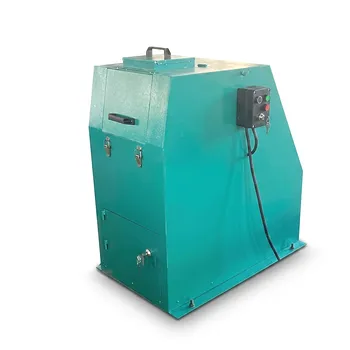
Environmentally Friendly Sealed Jaw Crusher for Laboratory Sample Preparation
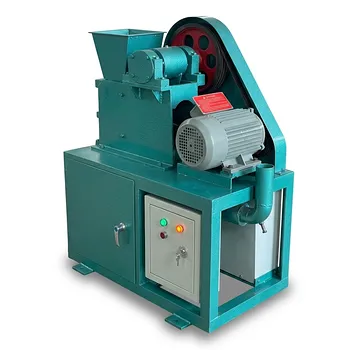
EP-B Type Sealed Jaw Crusher for Laboratory Sample Preparation
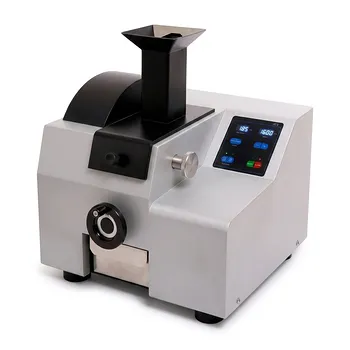
Laboratory Benchtop Jaw Crusher for Hard Brittle Materials Primary Size Reduction and Sample Preparation