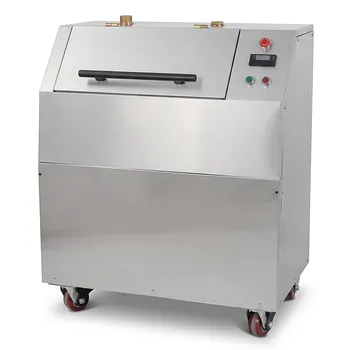
What is the function of a wet stirred media mill in drug nanosuspensions? Enhance Itraconazole Solubility & Bioavailability
Updated 3 months ago
The primary function of a wet stirred media mill is to mechanically reduce drug particles from micron sizes to the nanometer range. This process utilizes high-frequency impact, shear, and frictional forces to transform poorly soluble drugs like Itraconazole into stable nanosuspensions. By drastically increasing the drug's specific surface area, the mill overcomes inherent solubility barriers to improve its therapeutic effectiveness and bioavailability.
A wet stirred media mill serves as a critical "top-down" processing tool that uses mechanical kinetic energy to break down drug crystals. By reducing particles to the 50–500 nanometer range, it fundamentally alters the dissolution kinetics of poorly soluble compounds.
The Mechanical Principles of Particle Size Reduction
High-Frequency Energy Transfer
The mill operates by using a high-speed rotor or agitator shaft to drive grinding media, typically small beads, within a milling chamber. This rotation transfers kinetic energy to the media, creating a high-energy environment characterized by intense collisions and shear forces.
Achieving Nanoscale Precision
As the grinding media collide with the drug particles in an aqueous suspension, they overcome the lattice energy of the drug crystals. This mechanical action effectively refines raw drug substances from the micrometer scale to a D50 of approximately 156–185nm.
Dynamic Grinding Forces
The process relies on three primary physical actions: impact, shear, and friction. These forces work in tandem to ensure that even highly crystalline and "stubborn" poorly soluble drugs are fractured into sub-micron dimensions.
Why Nanosizing Matters for Itraconazole
Increasing Specific Surface Area
Reducing particle size significantly increases the surface area-to-volume ratio of the drug. For a poorly soluble drug like Itraconazole, this increased exposure to the solvent allows for a much faster dissolution rate.
Enhancing Saturated Solubility
Nanosizing doesn't just make the drug dissolve faster; it can also increase its apparent saturated solubility. This allows more of the active pharmaceutical ingredient (API) to enter the bloodstream, directly improving the drug's bioavailability.
Improving Batch Uniformity
Modern mills often utilize a recirculation mode to ensure that all particles pass through the grinding zone with equal probability. This results in a nanosuspension with a narrow particle size distribution, which is vital for consistent dosing and stability.
Understanding the Trade-offs and Challenges
Thermal Management Requirements
The high-energy nature of wet milling generates significant heat, which can degrade sensitive APIs. Industrial mills must incorporate cooling jackets and effective heat removal systems to maintain the chemical integrity of the drug.
The Role of Stabilizers
Breaking down particles creates massive amounts of new surface energy, which can cause particles to re-aggregate. To prevent this, the milling process must occur in a medium containing stabilizers (surfactants or polymers) to maintain the nanosuspension’s stability.
Potential for Media Contamination
The intense friction within the chamber can lead to media wear, potentially introducing small amounts of grinding bead material into the drug product. Selecting high-quality, wear-resistant media is essential to meet strict pharmaceutical purity standards.
How to Apply This to Your Project
Making the Right Choice for Your Goal
- If your primary focus is maximizing dissolution speed: Prioritize achieving the smallest possible particle size (sub-100nm) by increasing the milling time and using smaller grinding media.
- If your primary focus is industrial scalability: Utilize a mill with a high-flow recirculation system and high linear velocities (12–14 m/s) to ensure batch consistency and rapid throughput.
- If your primary focus is drug stability: Ensure your formulation includes optimized concentrations of stabilizers and that the mill’s cooling system is capable of maintaining a low, constant temperature.
Wet stirred media milling is the definitive engineering solution for transforming poorly soluble drugs into high-performing, bioavailable pharmaceutical products.
Summary Table:
| Feature | Function in Drug Nanosizing | Impact on Final Product |
|---|---|---|
| Energy Transfer | High-speed rotor drives grinding media (beads) | Breaks down drug crystals to 50–500nm |
| Recirculation | Continuous flow through the milling zone | Ensures narrow particle size distribution |
| Surface Area | Massive increase in surface-to-volume ratio | Rapidly increases drug dissolution rates |
| Cooling System | Integrated heat removal (cooling jackets) | Protects sensitive APIs from thermal degradation |
| Stabilization | Use of surfactants/polymers during milling | Prevents particle re-aggregation and ensures shelf-life |
Optimize Your Drug Formulations with Precision Milling
Transform your pharmaceutical R&D and material science projects with our advanced wet stirred media mills. We provide complete laboratory sample preparation solutions, specializing in high-performance powder processing and compaction equipment designed to overcome solubility barriers and achieve superior bioavailability.
Our extensive product lines include:
- Advanced Milling: Stirred media (sand/bead) mills, planetary ball mills, jet mills, and rotor mills.
- Sample Preparation: Jaw/roll crushers, cryogenic grinders, and sieve shakers (vibratory/air-jet).
- Powder Processing: High-efficiency powder mixers and defoaming mixers.
- Hydraulic Presses: A full spectrum of Cold/Warm Isostatic Presses (CIP/WIP), standard lab presses, and vacuum hot presses.
Whether you are refining Itraconazole or developing next-generation materials, our equipment delivers the nanoscale precision and batch consistency your project demands.
Ready to elevate your laboratory's capabilities? Contact us today to discuss your custom solution!
References
- Alexander Coelho, Ecevit Bilgili. A Combined Isolation and Formulation Approach to Convert Nanomilled Suspensions into High Drug-Loaded Composite Particles That Readily Reconstitute. DOI: 10.3390/powders1020008
Mentioned Products
- Small Laboratory Colloid Mill for Ultra-Fine Wet Grinding and Emulsification
- Laboratory Sand Mill Grinding Dispersing Machine for Wet Particle Size Reduction
- Laboratory Small Horizontal Sand Mill for Nano Materials Wet Grinding
- Laboratory Disperser and Sand Mill for Grinding Dispersing Emulsifying
- Water Cooled Pulse Jet Ultrafine Grinder
People Also Ask
- What is the purpose of using a laboratory mill to grind dried precipitates? Optimize TiO2/AuNRs Catalyst Homogeneity
- What is the technical significance of the relative collision velocity of grinding media? Maximize Milling Efficiency
- Why use a grinding mill to refine mine filling samples to below 75μm? Ensure Accurate XRF and Chemical Analysis
- What Role Does Lab Grinding Play in Banana Fiber Thermal Coatings? Optimize Waste Into High-Performance Barriers
- Why is high-efficiency ultra-fine grinding required for Portland cement before XRD? Get Accurate Rietveld Results

Tech Team · PowderPreparation
Last updated on Jun 03, 2026
Related Products
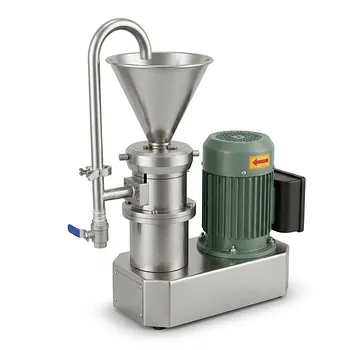
Small Laboratory Colloid Mill for Ultra-Fine Wet Grinding and Emulsification
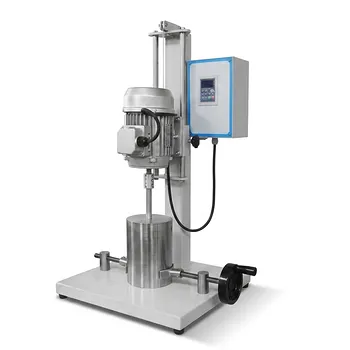
Laboratory Sand Mill Grinding Dispersing Machine for Wet Particle Size Reduction
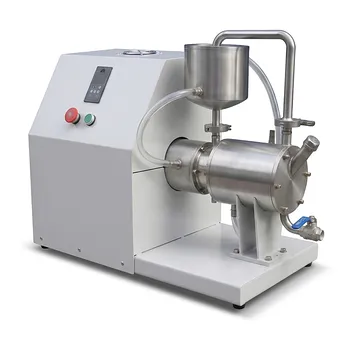
Laboratory Small Horizontal Sand Mill for Nano Materials Wet Grinding
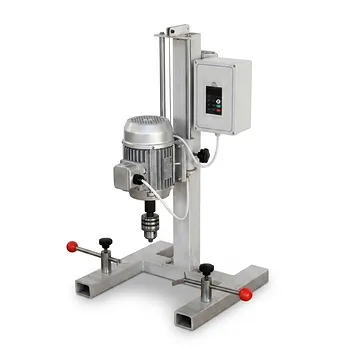
Laboratory Disperser and Sand Mill for Grinding Dispersing Emulsifying
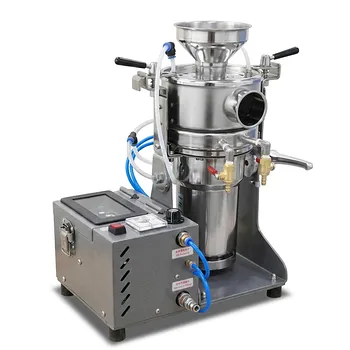
Water Cooled Pulse Jet Ultrafine Grinder
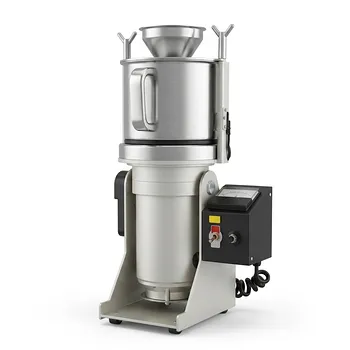
Water Cooled Pulse Jet Ultra Fine Pulverizer for Continuous Grinding
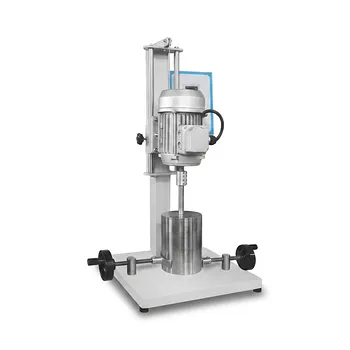
Laboratory Basket Sand Mill for Wet Grinding and Dispersion of Viscous Slurries
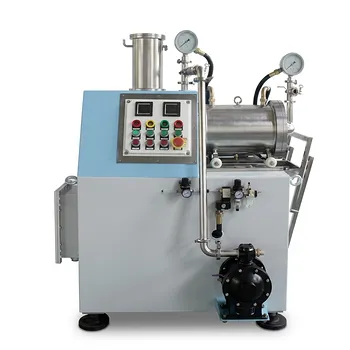
Horizontal Bead Mill for Nanoscale Grinding and Advanced Material Powder Processing
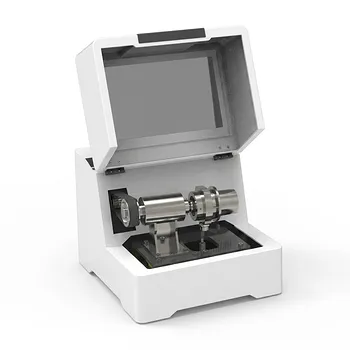
Single Tank High Energy Vibratory Ball Mill for Laboratory Grinding and Mixing
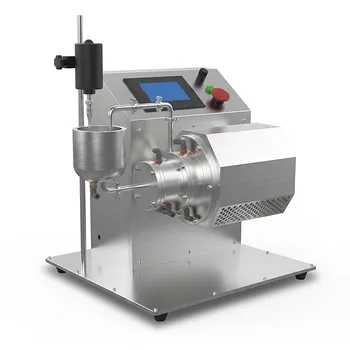
Laboratory Horizontal Pin Nano Sand Mill

Vertical Square Planetary Ball Mill for Laboratory Sample Preparation and Nanoscale Grinding
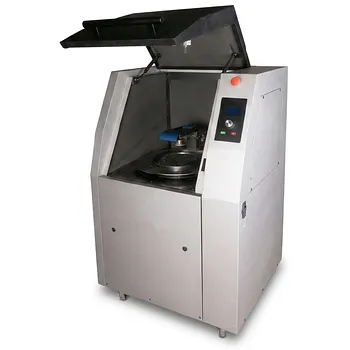
High Speed Vibratory Disc Mill for Spectral Analysis Sample Preparation and Rapid Powder Grinding
Small Laboratory Oscillating Granulator for Wet and Dry Granulation Processing
Cross Beater Mill for Brittle Material Grinding and Continuous Fine Crushing Industrial Sample Preparation