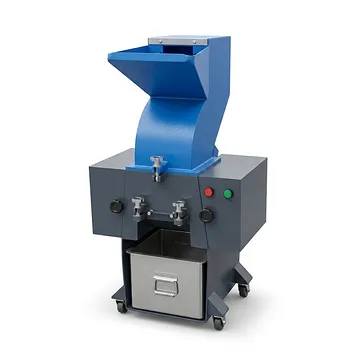
What is the function of a roll crusher in the preliminary refining of bamboo fibers? Optimize Guadua Angustifolia Prep
Updated 5 months ago
The roll crusher acts as a critical mechanical intermediary in bamboo fiber processing. It utilizes the synchronized squeezing and shearing action of counter-rotating rollers to shred long bamboo slices into smaller, manageable chunks. This step is essential for destabilizing the plant's rigid physical structure, effectively preparing the material for secondary fine grinding or deep chemical processing.
By applying high-pressure mechanical stress, the roll crusher reduces the particle size of bamboo and increases its specific surface area. This physical transformation is the necessary foundation for achieving uniform mixing and high-strength bonding in subsequent manufacturing stages.
The Mechanics of Structural Breakdown
The Dual Action of Squeezing and Shearing
The roll crusher operates using two heavy-duty rollers that rotate toward one another to pull material through a narrow gap. As the Guadua Angustifolia slices pass through, they are simultaneously compressed (squeezed) and pulled apart (sheared). This dual-force approach is significantly more effective at breaking the tough, longitudinal fibers of bamboo than compression alone.
Increasing Specific Surface Area
Reducing bamboo slices into smaller chunks drastically increases the specific surface area of the raw material. A higher surface area allows for more efficient interaction with heat, chemicals, or secondary grinding equipment. This ensures that subsequent refining steps require less energy and produce more consistent results.
Destabilizing the Vascular Matrix
Bamboo is a complex biomass characterized by a dense matrix of lignin and cellulose. The roll crusher's mechanical force begins the process of structural destabilization, making the fibers more accessible. This is a prerequisite for converting raw biomass into high-quality reinforcement fillers or refined fiber products.
The Strategic Role in the Production Line
Bridging Preliminary and Fine Refining
The roll crusher typically follows a jaw crusher, which performs the initial heavy-duty breaking of large culm sections. While the jaw crusher handles bulk reduction, the roll crusher provides the intermediate refinement needed for precision. It ensures the material is small enough to enter fine-grinding mills without causing blockages or equipment damage.
Preparation for High-Strength Bonding
In the context of biomass briquettes or composite materials, particle uniformity is vital. The roll crusher ensures that the bamboo chunks are sized correctly to facilitate high-strength bonding during compression. Without this step, the final product may suffer from structural weaknesses or inconsistent density.
Understanding the Trade-offs and Pitfalls
Management of Tool Wear
Bamboo, particularly species like Guadua Angustifolia, often contains high levels of silica, which is abrasive. This silica content can lead to rapid wear and tear on the roller surfaces, necessitating frequent maintenance or the use of specialized hardened alloys. Neglecting roller surface integrity will result in decreased shearing efficiency and inconsistent chunk sizes.
Sensitivity to Moisture Content
The effectiveness of a roll crusher can vary significantly based on the moisture level of the bamboo. Green or wet bamboo may "pancake" under the rollers rather than shredding, while excessively dry bamboo can create significant dust. Maintaining an optimal moisture window is critical to achieving the desired shearing action without clogging the machinery.
How to Apply This to Your Refining Process
Choosing the right configuration for your roll crusher depends entirely on your end-product requirements.
- If your primary focus is Reinforcement Fillers: Prioritize a tighter roller gap to produce the smallest possible chunks, ensuring a smoother transition to fine-grinding stages.
- If your primary focus is Biofuel or Briquettes: Focus on the shearing action to maximize surface area, which improves the bonding strength and combustion characteristics of the final briquette.
- If your primary focus is Fiber Extraction: Use moderate pressure to avoid over-crushing the fibers, preserving their structural length for textile or paper applications.
The roll crusher is the indispensable bridge that converts raw, rigid bamboo into a versatile industrial raw material.
Summary Table:
| Key Function | Mechanical Action | Impact on Bamboo Material |
|---|---|---|
| Particle Size Reduction | Squeezing & Shearing | Breaks long slices into small, manageable chunks. |
| Surface Area Expansion | Compression Force | Increases contact area for heat, chemicals, or fine milling. |
| Structural Breakdown | Matrix Destabilization | Disrupts the lignin-cellulose matrix for easier fiber access. |
| Process Bridging | Intermediate Refining | Prepares jaw-crushed material for high-precision fine grinding. |
| Bonding Preparation | Uniform Sizing | Ensures consistent density for high-strength biomass bonding. |
Elevate Your Material Research with Precision Sample Prep
At our core, we provide complete laboratory sample preparation solutions tailored for material science and biomass innovation. Whether you are refining tough bamboo fibers like Guadua Angustifolia or processing advanced ceramics, our equipment ensures consistency and reliability from bulk reduction to fine powder.
Our Comprehensive Equipment Line Includes:
- Crushing & Grinding: High-efficiency jaw/roll crushers, liquid nitrogen cryogenic grinders, and precision mills (planetary ball, jet, sand/bead, disc, rotor).
- Sizing & Mixing: Vibratory and air-jet sieve shakers along with advanced powder and defoaming mixers.
- Compaction & Pressing: A full spectrum of hydraulic presses, including Cold/Warm Isostatic Presses (CIP/WIP), standard lab presses, XRF pellet presses, and vacuum hot presses.
Why Partner With Us? We specialize in powder processing and compaction equipment designed to help you achieve uniform mixing and high-strength bonding in your samples. From initial crushing to the final pellet, we provide the tools you need for breakthrough results.
Contact Our Technical Experts Today to find the perfect solution for your refining and material processing needs!
References
- Veronica Ordonez, Ricardo J. Rodríguez. Preparation and Characterization of Ecuadorian Bamboo Fiber-Low-Density Polyethylene (LDPE) Biocomposites. DOI: 10.5109/6781037
Mentioned Products
- Laboratory Double Roller Crusher for Mining Construction Chemical Sample Preparation
- Sealed Double Roll Crusher for Laboratory Sample Preparation of Medium Hardness Materials
- Horizontal Double Roll Crusher for Medium Fine Crushing of Coal Limestone and Ores
- Precision Toothed Roll Crusher for Laboratory Coal and Mineral Sample Preparation
- Sealed Double Roll Crusher for Laboratory Coal and Ore Sample Preparation
People Also Ask
- Why is a double roll crusher used for tin & tantalum? Prevent over-crushing & optimize gravity separation recovery.
- Why use a lab roll crusher after jaw crushing for magnetite? Optimize kinetics and preserve material integrity.
- Why is material selection for crusher rollers critical for abrasive materials? Balance Purity and Tool Longevity
- What is the function of an industrial roll crusher in the preparation of yam peel biomass adsorbents? Maximize Surface Area
- What is the function of an industrial-grade laboratory crusher? Master Aged Asphalt Sample Prep for Accurate Testing

Tech Team · PowderPreparation
Last updated on May 14, 2026
Related Products
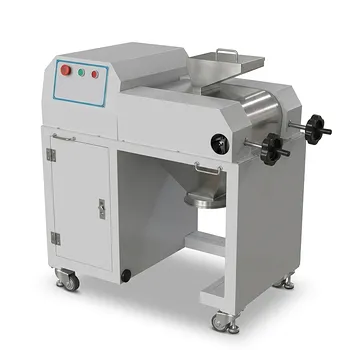
Laboratory Double Roller Crusher for Mining Construction Chemical Sample Preparation
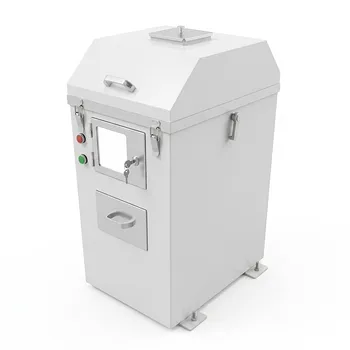
Sealed Double Roll Crusher for Laboratory Sample Preparation of Medium Hardness Materials
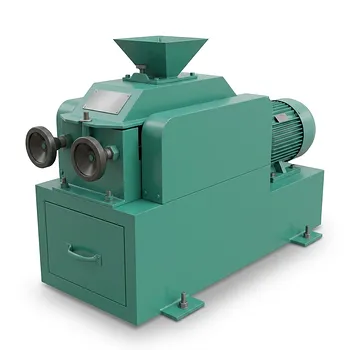
Horizontal Double Roll Crusher for Medium Fine Crushing of Coal Limestone and Ores
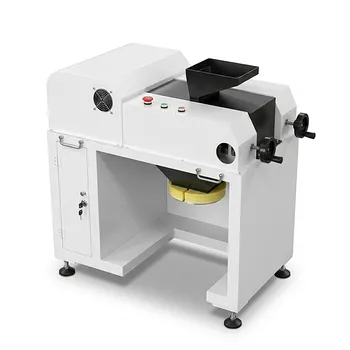
Precision Toothed Roll Crusher for Laboratory Coal and Mineral Sample Preparation
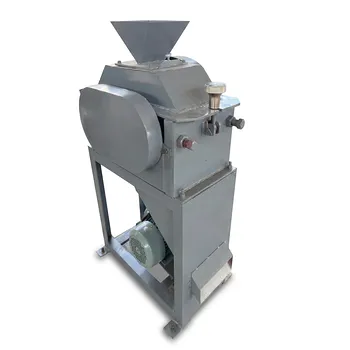
Sealed Double Roll Crusher for Laboratory Coal and Ore Sample Preparation
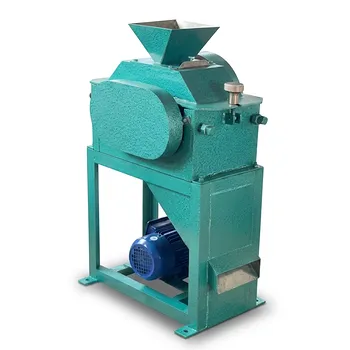
Laboratory Double Roll Crusher for Medium Hardness Materials Coal Ore Sample Preparation
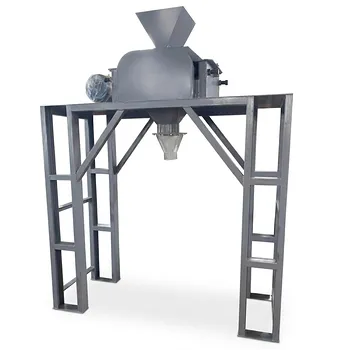
Heightened Customized Laboratory Double Roll Crusher for Coal Ore Rock Crushing
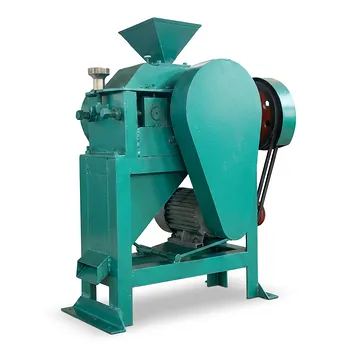
Laboratory Sealed Double Roll Crusher for Coal Ore Rock and Medium Hardness Materials Sample Preparation
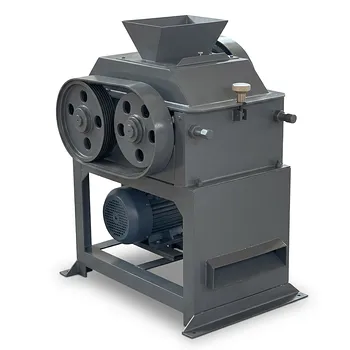
Sealed Laboratory Double Roll Crusher for Coal, Mineral, Ore Sample Preparation
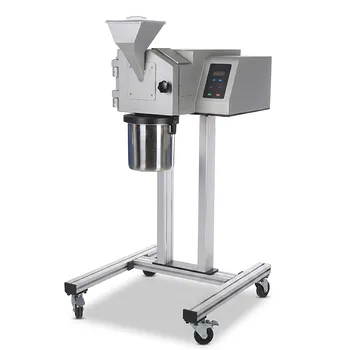
Cross Beater Mill for Brittle Material Grinding and Continuous Fine Crushing Industrial Sample Preparation
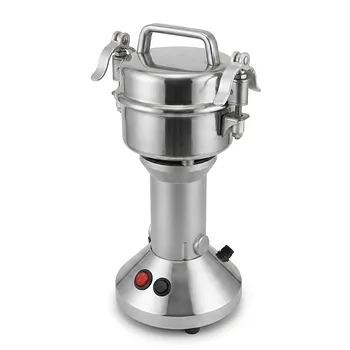
Continuous Feeding Grinding Mill for Dry Fibrous Tough and Hard Materials in Laboratory and Small Production
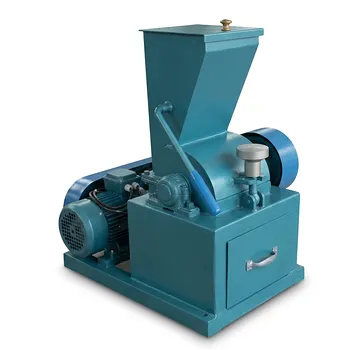
Small Hammer Crusher for Brittle Material Crushing in Mining Metallurgy and Lab Sample Preparation
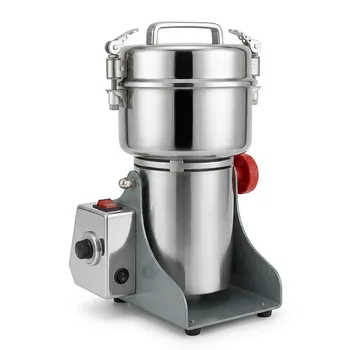
Versatile Industrial Crusher for Laboratory Crushing and Material Processing
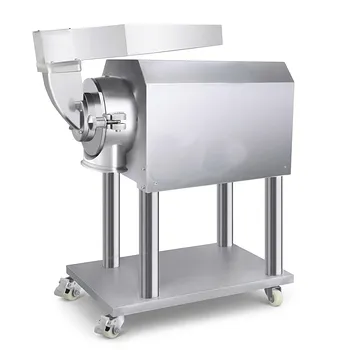
High Speed Small Laboratory Crusher for Dry Material Sample Preparation
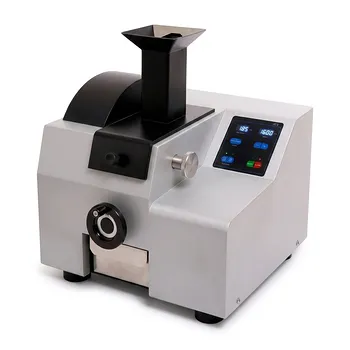
Laboratory Benchtop Jaw Crusher for Hard Brittle Materials Primary Size Reduction and Sample Preparation
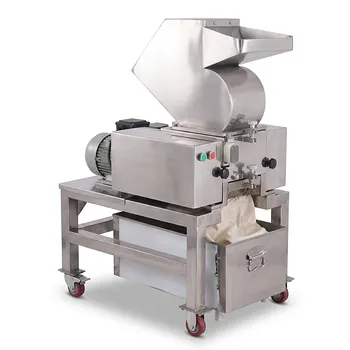
Stainless Steel Coarse Crusher for Pharmaceutical Food and Plastic Material Processing