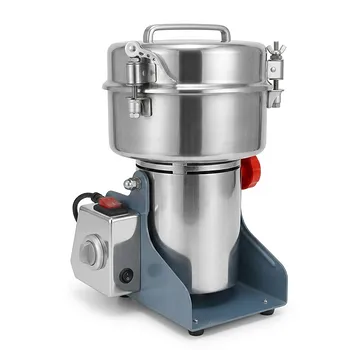
What is the function of a high-speed grinder in the preparation of ultra-fine defatted soybean powder? Expert Insights
Updated 4 months ago
The high-speed grinder functions as the primary mechanical engine for particle refinement. It utilizes high-frequency mechanical forces to aggressively crush and pulverize defatted soybean meal into a micron-level powder. This reduction in size is the essential step required to transform a coarse agricultural byproduct into a high-performance functional ingredient with a particle size typically smaller than 100 µm.
Core Takeaway: The high-speed grinder’s fundamental role is to maximize the material's specific surface area through intense mechanical impact. This physical transformation is the "unlock" that enables the powder to disperse evenly and exhibit high foaming activity when integrated into food systems.
Transforming Bulk Meal into Micro-Particles
High-Frequency Mechanical Impact
The grinder applies powerful, high-frequency mechanical forces to overcome the structural integrity of defatted soybean meal. These forces shatter the meal's cellular structures, rapidly reducing the material from coarse flakes into a fine, uniform powder.
Achieving Micron-Level Precision
The process is specifically designed to refine particles until they can pass through specialized micron-level sieves. The target is usually a fraction smaller than 100 µm, ensuring the powder is fine enough to avoid a "gritty" mouthfeel while maximizing its chemical reactivity.
The Science of Surface Area and Solubility
Maximizing Specific Surface Area
By breaking the soybean meal into millions of smaller particles, the grinder exponentially increases the specific surface area of the material. A higher surface area allows for more immediate interaction between the soy proteins and the surrounding medium, such as water or fruit purees.
Enhancing Dispersibility
Ultra-fine grinding ensures that the powder does not clump or settle rapidly when mixed. This improved dispersibility is critical for creating stable emulsions and ensuring the soy powder is evenly distributed throughout a product.
Enhancing Foaming Activity in Food Bases
Interaction with Fruit Purees
In specialized applications like fruit purees, the high-speed grinder’s output acts as a potent foaming agent. The refined particle size allows the soy proteins to stabilize air bubbles more effectively, resulting in a lighter, more voluminous texture.
Modification of Physical Properties
Beyond mere size reduction, the intense mechanical action can slightly modify the physical structure of the powder. This can lead to improved water-holding capacity and a reduction in the perceived graininess of the final food product.
Understanding the Trade-offs and Limitations
Thermal Sensitivity of Proteins
High-speed grinding generates significant frictional heat, which can be detrimental to soy proteins. If temperatures are not monitored, the proteins may denature prematurely, actually reducing the foaming activity and solubility the process was intended to enhance.
Energy Consumption vs. Particle Size
There is a point of diminishing returns where increasing the grinding speed or duration yields negligible size reduction while significantly increasing energy costs. Balancing the mechanical shear force with energy efficiency is a primary challenge in industrial soy processing.
How to Optimize Grinding for Your Goal
Making the Right Choice for Your Project
To achieve the best results with high-speed grinding, you must align your equipment settings with your specific functional requirements.
- If your primary focus is Maximal Foaming Activity: Focus on achieving a particle size strictly below 100 µm to ensure the highest possible specific surface area for air-cell stabilization.
- If your primary focus is Texture and Mouthfeel: Prioritize the reduction of the median diameter (Dv50) to eliminate graininess, similar to the precision seen in jet milling processes.
- If your primary focus is Protein Integrity: Utilize cooling jackets or interval grinding to prevent heat buildup from denaturing the functional soy proteins.
By mastering the mechanical forces of the high-speed grinder, you can effectively bridge the gap between raw agricultural meal and high-value functional food ingredients.
Summary Table:
| Grinding Phase | Mechanical Action | Functional Outcome |
|---|---|---|
| Particle Refinement | High-frequency mechanical impact | Reduction to micron-level size (<100 µm) |
| Surface Expansion | Cellular structure shattering | Increased solubility and chemical reactivity |
| Functional Unlock | Physical structure modification | Enhanced foaming activity and water-holding |
| Texture Optimization | Precision shearing | Elimination of grittiness and improved dispersibility |
Optimize Your Powder Processing with Precision Equipment
Achieving the perfect micron-level refinement requires more than just speed—it requires the right mechanical shear and thermal control. At our laboratory sample preparation center, we specialize in providing complete solutions for material science, ensuring your samples meet the most rigorous standards for particle size and functional integrity.
Our extensive product line is designed for specialized powder processing and compaction, including:
- Advanced Milling: Planetary ball mills, jet mills, rotor mills, and liquid nitrogen cryogenic grinders for heat-sensitive proteins.
- Sieving & Analysis: Vibratory and air-jet sieve shakers with precision test sieves.
- Processing & Mixing: High-performance powder mixers and defoaming mixers.
- Material Compaction: A full spectrum of hydraulic presses, including Cold/Warm Isostatic Presses (CIP/WIP), XRF pellet presses, and vacuum hot presses.
Whether you are refining agricultural byproducts or developing high-tech ceramics, we bring the expertise to help you scale from lab to production. Contact us today to find the perfect solution for your application!
References
- Sampson Zango, Robert Ndjouenkeu. Foam-mat drying characteristics of overripe banana pulp using superfine (< 100 µm) fraction of defatted soybean flour as foaming agent. DOI: 10.58985/jafsb.2025.v03i01.70
Mentioned Products
- Small High-Speed Laboratory Grinder for Powder Processing
- High Speed Swing Type Laboratory Pulverizer for Fine Powder Grinding and Sample Preparation
- Air Guided Ultrafine Pulverizer High Speed Laboratory Powder Grinder for Chemical and Material Processing
- High Efficiency High Speed Grinder 2200W 25000 RPM Laboratory Sample Preparation
- High Speed Laboratory Powder Grinder Small Batch Sample Preparation Mill
People Also Ask
- What role does a laboratory grinder play in the pretreatment of sunflower seed shell-based adsorbents? Boost Efficiency.
- How does a laboratory grinder or mill enhance the adsorption performance of agricultural waste materials? Boost Surface Area
- What is the role of laboratory grinding equipment in the preparation of waste glass powder for eco-friendly red bricks?
- Why is grinding equipment necessary for SnO2-Sb2O3 xerogels? Maximize surface area and photocatalytic activity.
- What is the primary role of grinding equipment in BLA preparation? Enhance Reactivity & Material Uniformity

Tech Team · PowderPreparation
Last updated on Jun 03, 2026
Related Products
Small High-Speed Laboratory Grinder for Powder Processing
High Speed Swing Type Laboratory Pulverizer for Fine Powder Grinding and Sample Preparation
Air Guided Ultrafine Pulverizer High Speed Laboratory Powder Grinder for Chemical and Material Processing
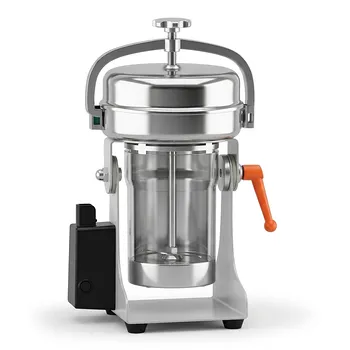
High Efficiency High Speed Grinder 2200W 25000 RPM Laboratory Sample Preparation
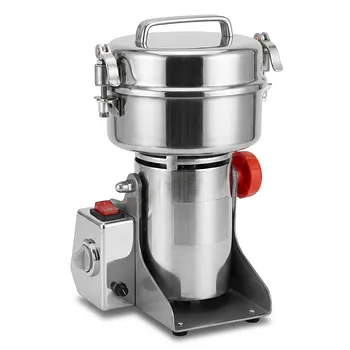
High Speed Laboratory Powder Grinder Small Batch Sample Preparation Mill
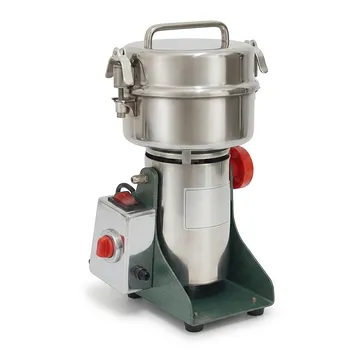
Small High Speed Grinder for Laboratory Sample Preparation
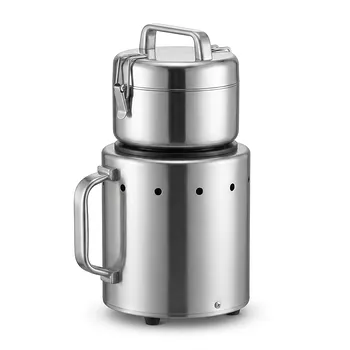
Small High Speed Grinder for Laboratory Sample Preparation
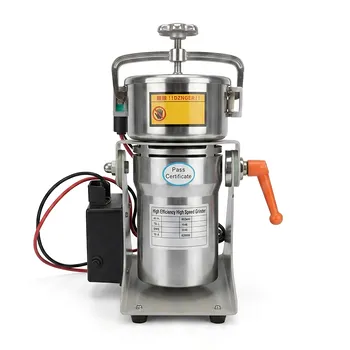
High Efficiency High Speed Grinder Laboratory Mill 1300W 25000rpm
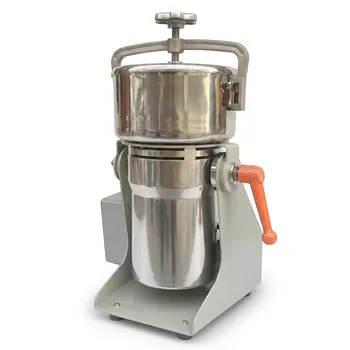
High Speed Laboratory Grinder Efficient Stainless Steel Powder Pulverizer Universal Material Science Mill for Sample Preparation
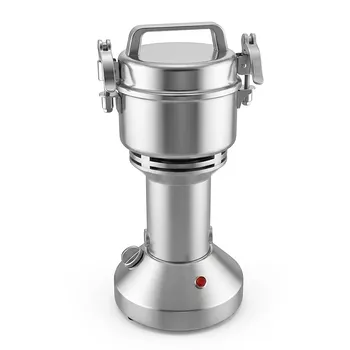
Small High Speed Upright Grinder for Laboratory Sample Preparation
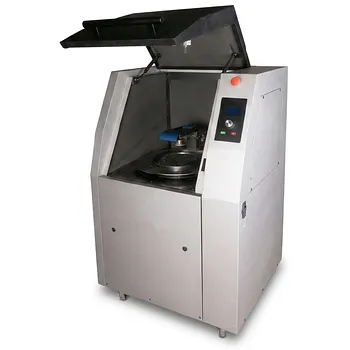
High Speed Vibratory Disc Mill for Spectral Analysis Sample Preparation and Rapid Powder Grinding
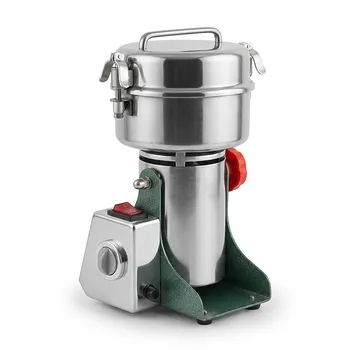
Small High-Speed Swing Grinder for Laboratory Sample Preparation
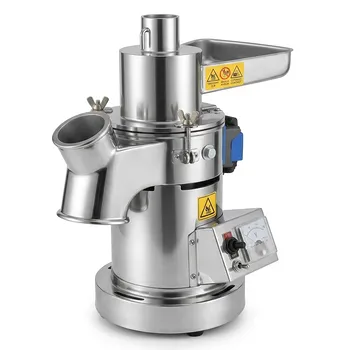
Continuous Feeding Grinder High Efficiency Pulverizer for Lab Sample Preparation
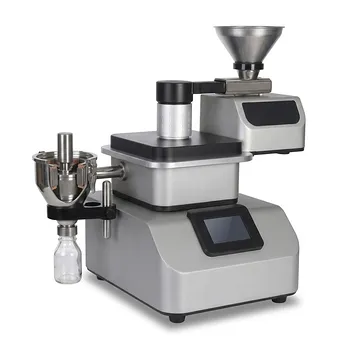
Ultra Centrifugal Mill for Rapid Laboratory Sample Preparation and Fine Powder Grinding
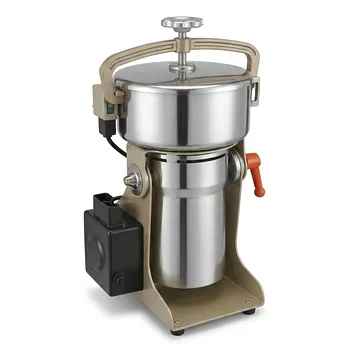
Multifunctional High Efficiency High Speed Laboratory Grinder
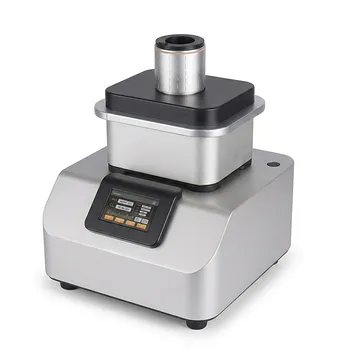
Ultra Centrifugal Mill High Speed Laboratory Grinder for Fibrous and Brittle Sample Preparation
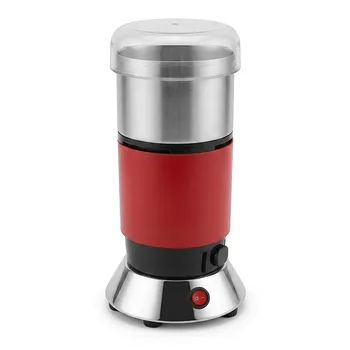
Micro Solid Sample Grinder High Speed Pulverizer for Laboratory Small Batch Grinding
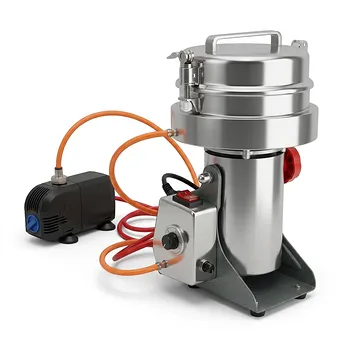
Water Cooled High Speed Grinder with Cryogenic Option for Laboratory Sample Preparation
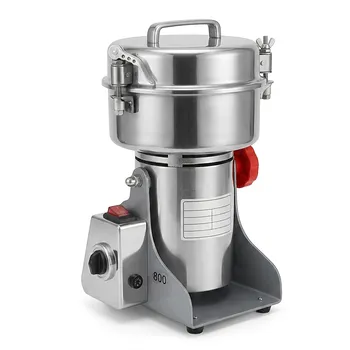
Small High-Speed Laboratory Grinder for Rapid Sample Preparation