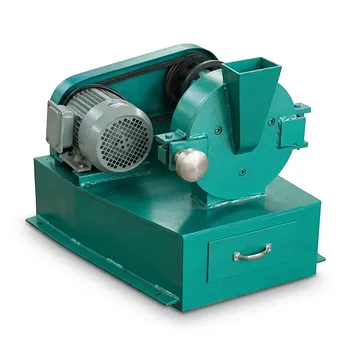
What is the function of a hammer crusher in the coarse powder preparation of Sm-Co magnets? Optimize Your Production
Updated 5 months ago
In the production of Samarium-Cobalt (Sm-Co) magnets, the hammer crusher serves as the primary mechanical stage for initial size reduction. It utilizes high-speed rotating hammers to apply intense impact forces to cast alloy ingots, rapidly transforming large, solid blocks into a coarse powder. This process ensures the material reaches a specific particle size distribution required for the subsequent ultra-fine grinding stages.
The hammer crusher acts as the critical bridge in the powder metallurgy process, converting bulk alloy ingots into a uniform coarse feedstock. By achieving precise pre-crushing, it enables the efficient operation of secondary fine-milling equipment like jet mills.
The Role of Mechanical Impact in Powder Metallurgy
Rapid Transformation of Alloy Ingots
The primary function of the hammer crusher is to break down the brittle cast alloy ingots produced during the melting stage. These large blocks are too massive for fine-milling equipment to handle directly, necessitating a high-energy preliminary step.
Preparing Feedstock for Jet Milling
A hammer crusher reduces the material to a specific "coarse" state, often targeting particles smaller than 2.5 mm. This uniformity is essential because subsequent jet milling—the process that creates the final ultra-fine magnet powder—requires a consistent and manageable feed size to maintain stable airflow and grinding efficiency.
Increasing Surface Area for Processing
By shattering the ingots into smaller fragments, the hammer crusher significantly increases the exposed surface area of the Sm-Co alloy. While this is primarily for mechanical preparation in standard manufacturing, in recycling contexts, this increased surface area is vital for enhancing chemical reaction activity during leaching.
The Mechanics of Hammer Crushing
High-Speed Kinetic Energy
The equipment operates by spinning a series of "hammers" or beaters at high velocities. When the Sm-Co ingots enter the chamber, they are struck by these hammers, utilizing kinetic energy to fracture the material along its natural grain boundaries and internal stress points.
Control Through Sieve Integration
Most industrial hammer crushers used in magnet production incorporate a discharge screen or sieve. This ensures that only particles that have been reduced to the target size can exit the chamber, while larger fragments remain for further impact until they meet the criteria.
Impact vs. Compressive Force
Unlike jaw crushers, which use slow, high-pressure compression to crack materials, hammer crushers rely on high-velocity impact. For Sm-Co alloys, which are inherently hard and brittle, impact energy is often more efficient at producing the fractured, angular particles ideal for secondary milling.
Understanding the Trade-offs and Limitations
Potential for Material Contamination
Because hammer crushing involves high-velocity contact between the hammers and the alloy, wear and tear on the equipment is inevitable. In high-purity Sm-Co production, manufacturers must carefully select hammer materials to prevent iron or other metallic contaminants from entering the magnet powder.
Heat Generation and Oxidation
The high-energy environment of a hammer crusher generates heat. Since Sm-Co powders can be sensitive to oxidation, especially as their surface area increases, the crushing process must be monitored to ensure the material does not degrade or catch fire due to friction-induced heat.
Particle Size Limitations
While excellent for coarse preparation, a hammer crusher cannot achieve the micrometer-level precision required for the final magnet alignment and sintering. Relying solely on a hammer crusher would result in a powder that is far too coarse to produce a high-performance, high-density magnet.
How to Optimize Your Coarse Powder Process
When integrating a hammer crusher into your Sm-Co production or recycling line, the choice of equipment should align with your specific throughput and purity requirements.
- If your primary focus is high-volume production: Prioritize hammer crushers with easy-to-replace wear parts and integrated cooling systems to maintain continuous operation.
- If your primary focus is ultra-high purity: Use hammers tipped with tungsten carbide or other specialized alloys to minimize the risk of contaminating the Sm-Co mixture.
- If your primary focus is recycling magnet waste: Consider a two-stage approach using a jaw crusher for initial breakdown of rectangular plates followed by a hammer crusher for final coarse sizing.
A well-calibrated hammer crushing stage is the foundation of a stable powder metallurgy process, ensuring that all downstream grinding is both efficient and consistent.
Summary Table:
| Feature | Hammer Crusher Role in Sm-Co Production |
|---|---|
| Primary Function | Initial size reduction of cast alloy ingots into coarse powder |
| Input Material | Hard, brittle Sm-Co alloy blocks |
| Target Output Size | Typically < 2.5 mm (ideal for jet mill feedstock) |
| Mechanism | High-speed kinetic impact using rotating beaters |
| Key Benefit | Significantly increases surface area for downstream processing |
| Control Method | Integrated discharge screens for particle size uniformity |
Optimize Your Material Preparation with Professional Lab Solutions
At [Brand Name], we provide complete laboratory sample preparation solutions for material science, specializing in high-performance powder processing and compaction equipment. Whether you are producing high-performance Sm-Co magnets or researching new alloys, our equipment ensures the precision and purity your workflow demands.
Our extensive product lines include:
- Crushing & Grinding: Hammer, jaw, and roll crushers; liquid nitrogen cryogenic grinders; and advanced mills (planetary ball, jet, sand/bead, disc, rotor).
- Sizing & Mixing: Vibratory and air-jet sieve shakers, plus high-efficiency powder and defoaming mixers.
- Compaction & Pressing: A full spectrum of hydraulic presses, including Cold/Warm Isostatic Presses (CIP/WIP), standard lab presses, XRF pellet presses, and vacuum hot presses.
Ready to enhance your lab's efficiency and output quality? Contact our experts today for a tailored solution!
References
- Leonardo Pierobon, Michalis Charilaou. Unconventional magnetization textures and domain-wall pinning in Sm–Co magnets. DOI: 10.1038/s41598-020-78010-0
Mentioned Products
- Laboratory Sealed Hammer Crushers for Coal Sample Preparation and Medium Strength Material Crushing
- Customized Sealed Laboratory Hammer Crusher for Coal and Medium Hardness Sample Preparation
- Laboratory Sealed Hammer Crusher for Coal and Mineral Sample Preparation
- Small Hammer Crusher for Brittle Material Crushing in Mining Metallurgy and Lab Sample Preparation
- Sealed Hammer Crusher for Laboratory Coal Sample Preparation Adjustable Output Size
People Also Ask
- What is the primary role of laboratory crushers in the recycling process of inorganic old sand? Essential for Sand Reuse
- What is the primary function of laboratory-scale crushers in the pre-treatment stage of iron ore bio-dephosphorization?
- Lab Crusher's Role in Banana Stem Cellulose Extraction? Enhance Your Raw Material Preparation Now
- What role does a laboratory hammer mill play in composite powder prep? Precision Grinding for Uniform Blending.
- What role does a laboratory hammer mill play in bio-based particleboard prep? Optimize Feedstock for Better Bonding

Tech Team · PowderPreparation
Last updated on May 14, 2026
Related Products
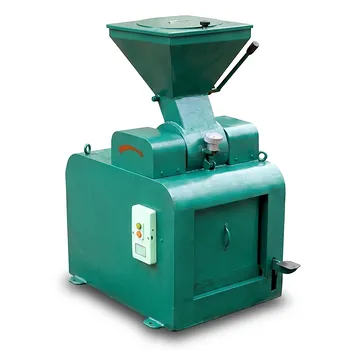
Laboratory Sealed Hammer Crushers for Coal Sample Preparation and Medium Strength Material Crushing
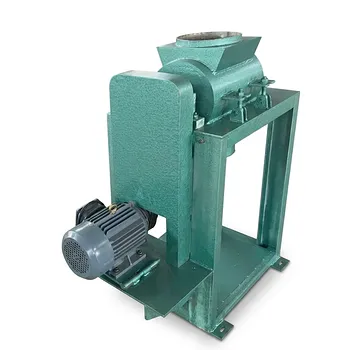
Customized Sealed Laboratory Hammer Crusher for Coal and Medium Hardness Sample Preparation
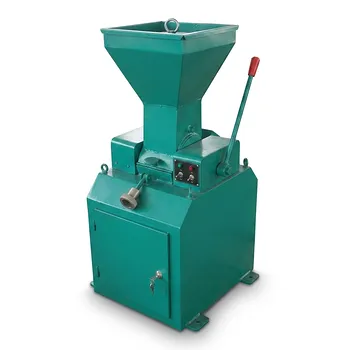
Laboratory Sealed Hammer Crusher for Coal and Mineral Sample Preparation
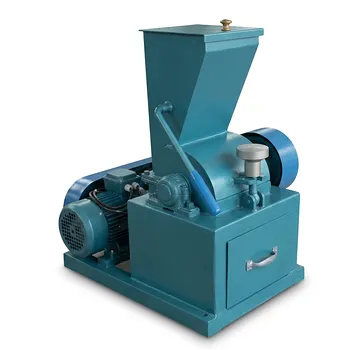
Small Hammer Crusher for Brittle Material Crushing in Mining Metallurgy and Lab Sample Preparation
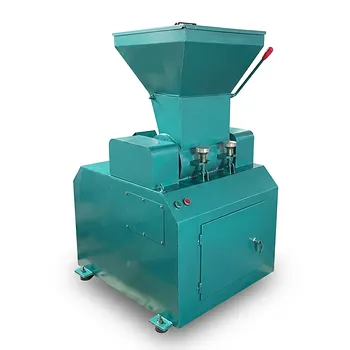
Sealed Hammer Crusher for Laboratory Coal Sample Preparation Adjustable Output Size
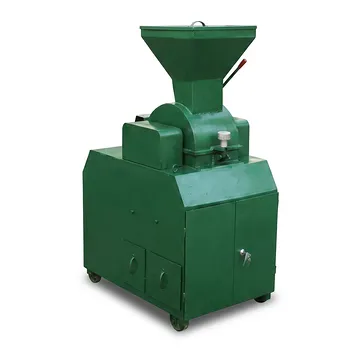
Industrial Sealed Hammer Knife Crusher for Mining Ore and Coal Sample Preparation
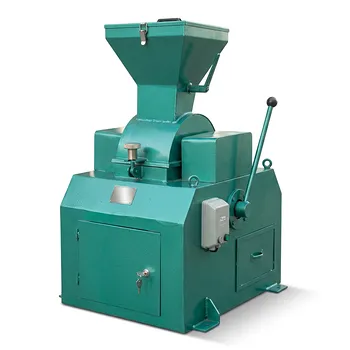
Laboratory Sealed Hammer Blade Crusher Divider for High Hardness Sample Preparation
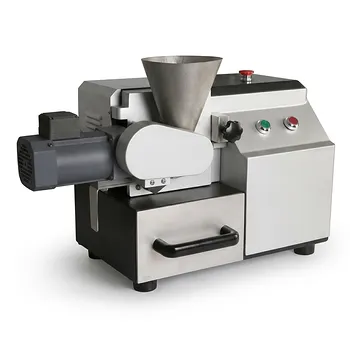
Laboratory Hammer Mill for Coal Quality Analysis and Brittle Mineral Grinding
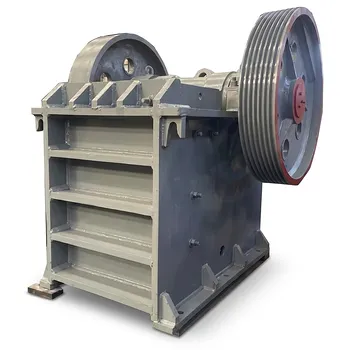
Heavy-Duty Jaw Crusher for Medium-Hard Ore and Industrial Mineral Crushing