Why must copper slag be crushed to -5 mm? Ensure Representative Sampling and Data Integrity
Updated 3 months ago
Reducing historical copper slag to a -5 mm particle size is a critical prerequisite for achieving statistical representativeness in laboratory sampling. By utilizing laboratory crushing equipment to reach this specific threshold, researchers minimize particle size fluctuations that would otherwise skew chemical and mineralogical data. This preliminary reduction ensures that any subsequent sub-sampling accurately reflects the bulk material's true composition.
Core Takeaway: Preliminary crushing to -5 mm transforms heterogeneous bulk slag into a uniform state where sampling errors are minimized. This step is the "gatekeeper" of data integrity, ensuring that final analytical results represent the entire material batch rather than a localized anomaly.
The Science of Representative Sampling
Minimizing Particle Size Fluctuations
Historical copper slag is often highly heterogeneous, containing varying concentrations of metals and minerals across different sections of the bulk material. Reducing the material to -5 mm significantly decreases the fluctuations in particle size throughout the sample.
This homogenization is essential because large, disparate chunks of slag can lead to "nugget effects," where a single large particle disproportionately influences the results of an entire test.
Optimizing the Splitting Process
Once the material is crushed to -5 mm, it can be reliably divided into smaller portions through standard laboratory splitting techniques. Because the particles are smaller and more uniform, each split fraction maintains the same proportional distribution of minerals as the original bulk volume.
Impact on Analytical Accuracy
Foundation for Chemical Analysis
The -5 mm threshold serves as the necessary starting point for accurate chemical composition analysis. Without this preliminary step, the chemical data derived from the sample would lack the precision required for scientific or industrial validation.
Facilitating Mineralogical Characterization
For detailed mineralogical studies, the equipment must first break down the complex slag matrix into manageable sizes. This size reduction allows for a more comprehensive look at the internal structure and mineral phases present within the slag.
Distinguishing Preliminary Crushing from Fine Grinding
The Purpose of Preliminary Crushing
The primary goal of the -5 mm stage is characterization and sampling stability. At this stage, the focus is on representation and ensuring that the laboratory samples are an honest reflection of the historical site's material.
Transitioning to Fine Refinement
In contrast, subsequent steps may involve industrial grinding to 0.01 mm to increase surface area and reaction activity. While the -5 mm stage ensures the sample is "right," the micron-level stage ensures the material is "reactive" for processes like sintering or chemical extraction.
Common Pitfalls in Slag Preparation
Risk of Sample Contamination
Using laboratory-grade crushing equipment is vital to prevent cross-contamination between different slag batches. Industrial-scale equipment that has not been properly cleaned can introduce foreign elements, invalidating the historical data.
Over-Crushing and Material Loss
While reduction is necessary, crushing too aggressively can create excessive fine dust that is easily lost during handling. This "loss of fines" can inadvertently remove specific mineral phases, leading to an inaccurate final characterization.
Best Practices for Slag Preparation
How to Apply This to Your Project
To ensure the highest quality data from your copper slag samples, follow these guidelines based on your specific objectives:
- If your primary focus is accurate characterization: Ensure the bulk material is first reduced to -5 mm using a calibrated laboratory crusher to guarantee sample representativeness.
- If your primary focus is chemical reactivity or sintering: Continue the refinement process beyond -5 mm to reach particle sizes as small as 0.01 mm to maximize surface area and solid-phase reactions.
- If your primary focus is historical preservation: Use low-impact crushing methods at the -5 mm stage to avoid altering the delicate mineralogical signatures of the slag.
Precise preliminary crushing is the essential link between raw historical material and high-fidelity laboratory data.
Summary Table:
| Preparation Stage | Target Size | Primary Purpose |
|---|---|---|
| Preliminary Crushing | -5 mm | Minimize sampling error (nugget effect) & ensure representation |
| Fine Grinding | < 0.1 mm | Maximize surface area for chemical reactivity & sintering |
| Characterization | Sub-sample | High-fidelity chemical and mineralogical analysis |
Achieve Unmatched Precision in Your Material Research
Statistical representativeness is the foundation of reliable data. At [Brand Name], we provide complete laboratory sample preparation solutions for material science, specializing in high-performance powder processing and compaction equipment.
Whether you are analyzing historical copper slag or advanced ceramics, our extensive product line ensures your samples are uniform and contamination-free:
- Size Reduction: Durable jaw/roll crushers for preliminary reduction and planetary ball, jet, or disc mills for fine grinding.
- Sieving & Mixing: Precision vibratory sieve shakers and high-efficiency defoaming mixers.
- Compaction & Pressing: A full spectrum of hydraulic presses, including Cold/Warm Isostatic Presses (CIP/WIP), XRF pellet presses, and vacuum hot presses.
Eliminate sampling errors and elevate your analytical results with professional-grade equipment. Contact our technical experts today to find the perfect solution for your lab!
References
- Godfrey Dzinomwa, Kayini Chigayo. Mineralogical Characterization of Historic Copper Slag to Guide the Recovery of Valuable Metals: A Namibian Case Study. DOI: 10.3390/ma16186126
Mentioned Products
- Heightened Customized Laboratory Double Roll Crusher for Coal Ore Rock Crushing
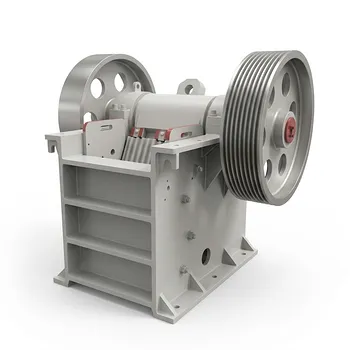
- Heavy Duty Industrial Jaw Crusher for Primary Ore Crushing and High Capacity Mineral Material Size Reduction
- Laboratory Sealed Hammer Crushers for Coal Sample Preparation and Medium Strength Material Crushing
- Sealed Laboratory Double Roll Crusher for Coal, Mineral, Ore Sample Preparation
- Industrial Sealed Hammer Knife Crusher for Mining Ore and Coal Sample Preparation
People Also Ask
- Why is a double roll crusher used for tin & tantalum? Prevent over-crushing & optimize gravity separation recovery.
- Why use a lab roll crusher after jaw crushing for magnetite? Optimize kinetics and preserve material integrity.
- Why is material selection for crusher rollers critical for abrasive materials? Balance Purity and Tool Longevity
- What is the primary function of laboratory crushing equipment during the clay pretreatment stage? Improve Sample Accuracy
- Why Pre-Crush Bulk ZnFeS Before Ball Milling? Essential Steps for Efficiency and High-Purity Micron Refinement

Tech Team · PowderPreparation
Last updated on Jun 03, 2026
Related Products
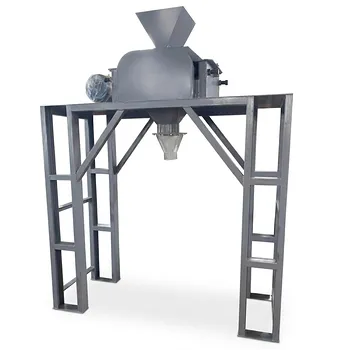
Heightened Customized Laboratory Double Roll Crusher for Coal Ore Rock Crushing
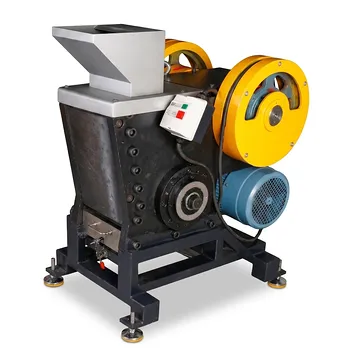
Heavy Duty Industrial Jaw Crusher for Primary Ore Crushing and High Capacity Mineral Material Size Reduction
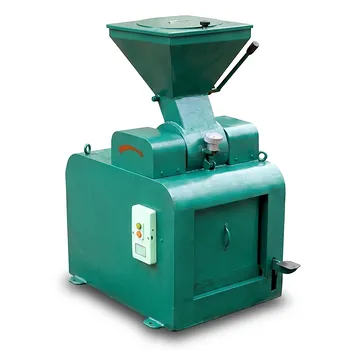
Laboratory Sealed Hammer Crushers for Coal Sample Preparation and Medium Strength Material Crushing
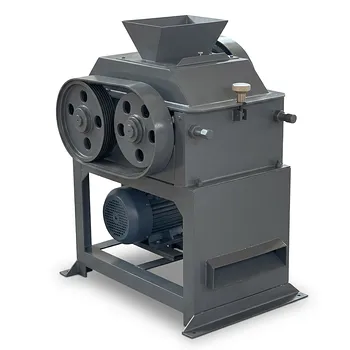
Sealed Laboratory Double Roll Crusher for Coal, Mineral, Ore Sample Preparation
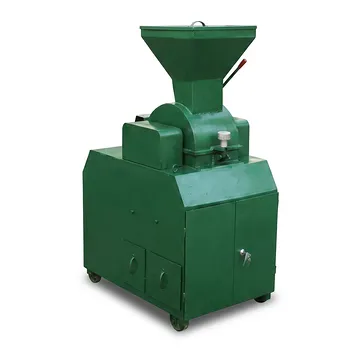
Industrial Sealed Hammer Knife Crusher for Mining Ore and Coal Sample Preparation
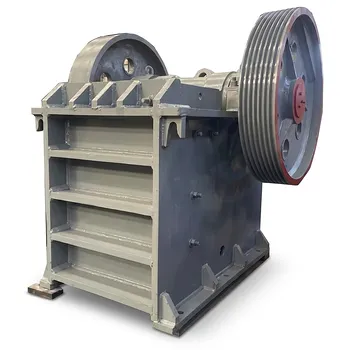
Heavy-Duty Jaw Crusher for Medium-Hard Ore and Industrial Mineral Crushing
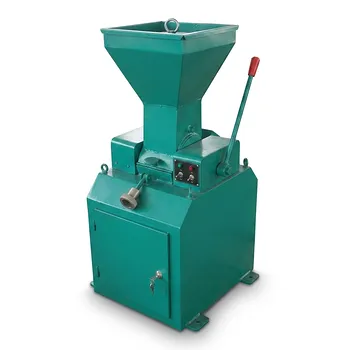
Laboratory Sealed Hammer Crusher for Coal and Mineral Sample Preparation
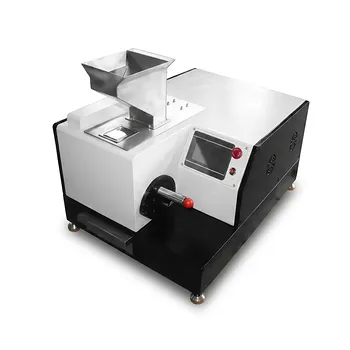
Experimental Jaw Crusher for Laboratory Ore Crushing and Sample Preparation
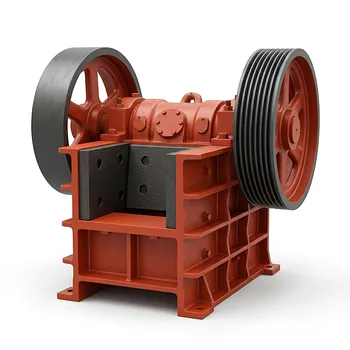
250x400 Jaw Crusher for Primary Crushing of Ores and Bulk Materials
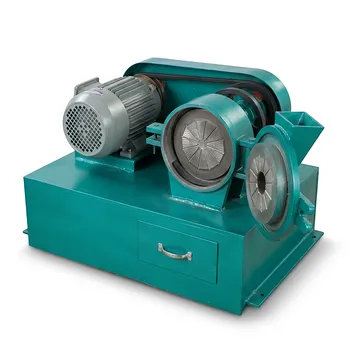
Laboratory Disc Pulverizer for Coal Coke Ore and Medium Hard Materials Sample Preparation
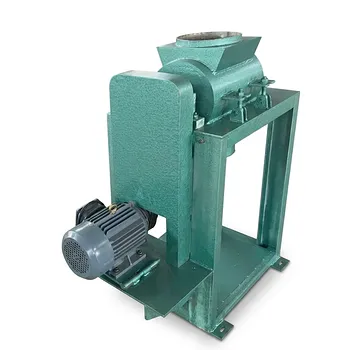
Customized Sealed Laboratory Hammer Crusher for Coal and Medium Hardness Sample Preparation
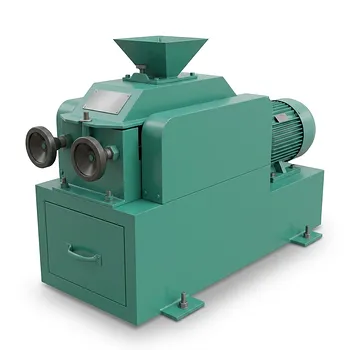
Horizontal Double Roll Crusher for Medium Fine Crushing of Coal Limestone and Ores
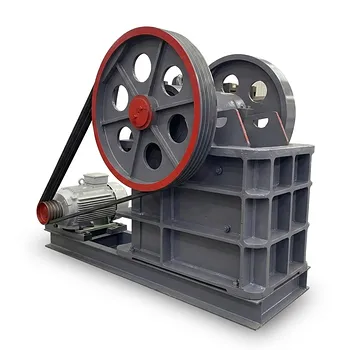
250x400mm Jaw Crusher Medium Crushing Equipment for Mining Mineral Sample Preparation
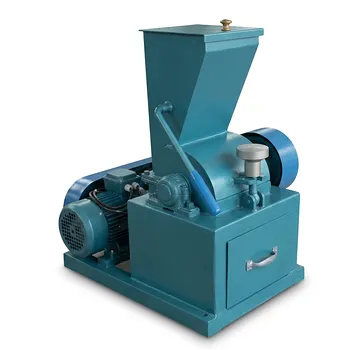
Small Hammer Crusher for Brittle Material Crushing in Mining Metallurgy and Lab Sample Preparation
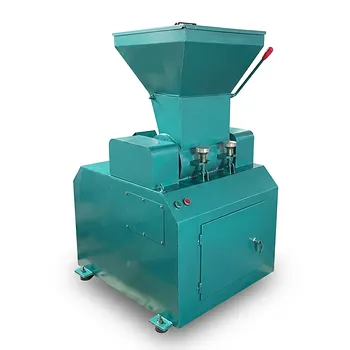
Sealed Hammer Crusher for Laboratory Coal Sample Preparation Adjustable Output Size
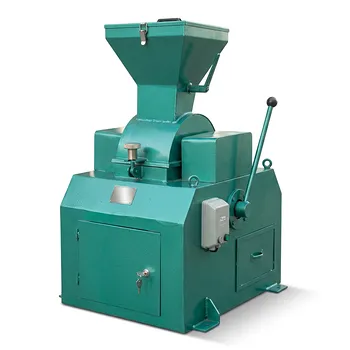
Laboratory Sealed Hammer Blade Crusher Divider for High Hardness Sample Preparation
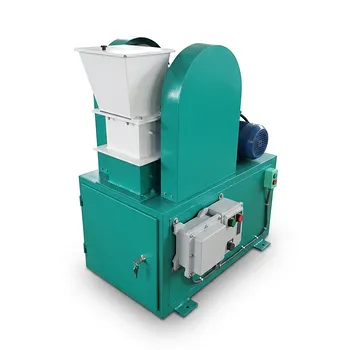
Custom Explosion-Proof Sealed Jaw Crusher for Laboratory and Industrial Sample Preparation
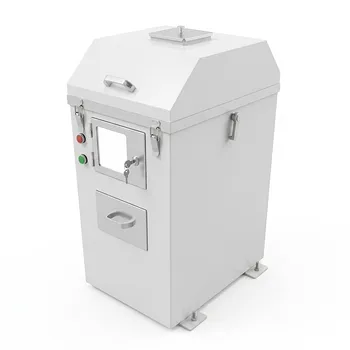
Sealed Double Roll Crusher for Laboratory Sample Preparation of Medium Hardness Materials
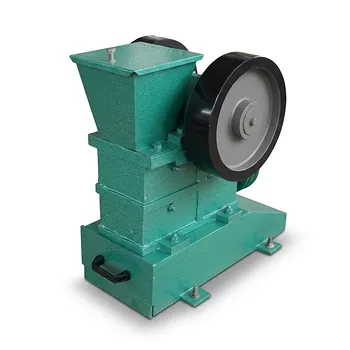
Laboratory Small Jaw Crusher 100x60mm