What is the critical function of powder mixing equipment for red mud geopolymers? Ensure Homogeneity & Strength
Updated 5 months ago
The critical function of powder mixing equipment is to use mechanical force to ensure that extremely fine silica fume particles are distributed with high uniformity throughout the red mud matrix. This process creates a consistent chemical composition within the geopolymer precursor, which is essential for preventing local strength defects and ensuring the stable mechanical performance of the final product.
In geopolymer production, the mixer serves as the catalyst for chemical stability; by achieving microscopic dispersion of supplemental silica, it transforms a heterogeneous waste mixture into a reliable, high-strength structural binder.
Achieving Chemical Homogeneity in Precursor Materials
Supplementing Silica-Poor Matrices
Red mud typically suffers from a low natural silica content, which is a requirement for robust geopolymerization. Silica fume acts as a supplemental active silica source that must be perfectly integrated to be effective.
Mixing equipment ensures that this added silica is present at every coordinate of the mixture. This prevents "lean" zones where the chemical reaction would otherwise fail to form a strong aluminosilicate gel.
Establishing Consistent Chemical Ratios
The uniformity of the mixture determines the consistency of the chemical composition throughout the material. Without high-level distribution, the geopolymer will exhibit varying properties across its structure.
Precise mixing ensures that the ratio of silica to alumina is balanced globally and locally. This balance is the primary driver for predictable setting times and structural reliability.
Overcoming Physical and Interfacial Barriers
Preventing Particle Agglomeration
Silica fume particles are extremely fine and prone to clumping due to inter-particle forces. High-performance mixing equipment applies intense mechanical shear forces to break these clusters apart.
By preventing agglomeration, the mixer ensures that the maximum surface area of the silica fume is available for reaction. This leads to a more efficient use of raw materials and a denser final matrix.
Facilitating Solid-Liquid Interface Reactions
When alkaline activators are introduced, the mixer ensures thorough contact between the liquid and solid phases. This rapid initiation of solid-liquid interface reactions is critical for a uniform curing process.
Proper mixing creates a thixotropic uniform slurry, which is necessary for the molding and shaping phases of production. It ensures that the activator reaches every particle of the red mud and silica fume simultaneously.
Understanding the Trade-offs and Pitfalls
Energy Consumption vs. Dispersion Quality
Achieving microscopic uniform distribution requires significant mechanical energy and high shear speeds. While higher speeds improve dispersion, they also increase heat generation and energy costs.
Excessive heat during the mixing phase can prematurely trigger the geopolymerization reaction. This can lead to a loss of workability or "flash set" before the material can be properly cast.
Equipment Wear and Maintenance
Red mud can be abrasive, and the high-speed shearing required for silica fume dispersion accelerates the wear on mixing blades and liners. Using standard mixers for these specialized precursors often leads to frequent downtime.
Failure to maintain the mixer can result in "dead zones" within the mixing chamber. These areas produce unblended pockets of material that manifest as structural weaknesses in the finished geopolymer.
How to Apply This to Your Project
Selecting the Right Mixing Strategy
Choosing the correct equipment and parameters is vital for optimizing the geopolymerization process based on your specific material goals.
- If your primary focus is Maximum Compressive Strength: Use high-shear intensive mixers to ensure the finest possible dispersion of silica fume, which maximizes the density of the aluminosilicate gel.
- If your primary focus is Process Scalability and Cost: Focus on optimizing the dry-mixing duration to achieve a baseline uniformity before adding liquid activators, reducing the total energy required during the wet phase.
- If your primary focus is Producing Porous or Lightweight Geopolymers: Ensure the mixer can provide equivalent distribution of foaming agents, such as aluminum powder, to facilitate uniform gas bubble nucleation.
The effectiveness of your geopolymer is ultimately defined by the precision and intensity of the initial mixing phase.
Summary Table:
| Key Function | Technical Mechanism | Impact on Final Geopolymer |
|---|---|---|
| Particle Dispersion | Intense mechanical shear breaks silica fume agglomerates | Maximizes reactive surface area and matrix density |
| Chemical Homogeneity | Uniform distribution of Si and Al precursors | Prevents local strength defects and ensures stable mechanical performance |
| Interface Initiation | Facilitates rapid contact between activators and solids | Ensures predictable setting times and uniform curing throughout the structure |
| Rheology Control | Creation of a thixotropic uniform slurry | Improves workability and facilitates precise molding/shaping |
Elevate Your Geopolymer Research with Precision Sample Preparation
Achieving the perfect chemical homogeneity in geopolymer production requires more than just a mixer—it requires a complete, integrated laboratory workflow. At [Company Name], we provide end-to-end laboratory sample preparation solutions tailored for material science and advanced construction materials.
Our specialized equipment range is designed to handle the abrasive nature of red mud and the ultra-fine challenges of silica fume:
- Powder Processing: High-performance powder mixers and defoaming mixers for microscopic dispersion, plus planetary ball mills and jet mills for particle size optimization.
- Size Reduction: Durable jaw and roll crushers for raw material preparation.
- Compaction & Forming: A full spectrum of hydraulic presses, including Cold/Warm Isostatic Presses (CIP/WIP), vacuum hot presses, and standard lab presses for creating high-density test specimens.
- Analysis Preparation: Sieve shakers (vibratory/air-jet) to ensure precise grain size distribution.
Whether you are a researcher optimizing new binders or a distributor looking for reliable OEM/ODM equipment support, we bring the technical expertise to enhance your material performance.
Ready to optimize your geopolymer consistency?
Contact our technical team today to find the right solution for your lab!
References
- Arup Kumar Mandal. Synthesis of a two-part geopolymer from red mud and silica fume. DOI: 10.55713/jmmm.v31i2.1004
Mentioned Products
- Multi Dimensional Universal Mixer for High Uniformity Powder Blending
- V-Type Powder Mixer for Uniform Blending of Dry Powders and Granules
- Inclined Mixer for Homogeneous Powder Blending and Grinding
- Horizontal Ribbon Mixer for Uniform Powder and Slurry Mixing
- Horizontal Trough Mixer for Uniform Powder and Paste Blending
People Also Ask
- What is the role of a multi-dimensional powder mixer in the preparation of Ce-TZP ceramics? Optimize Homogenization
- What is the importance of using a high-efficiency powder mixer when preparing sand and soil mixtures? Accurate Results.
- What is the role of a powder mixer in SiC mechanical seal ring production? Ensure Homogeneity and Structural Integrity
- Why is high-uniformity powder mixing essential for antibacterial ceramic glazes? Ensure Consistent Bioactive Protection
- How do powder mixers and additives influence ZTA ceramics? Optimize microstructure for superior toughness and density

Tech Team · PowderPreparation
Last updated on May 14, 2026
Related Products
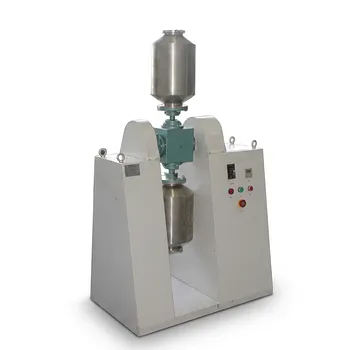
Multi Dimensional Universal Mixer for High Uniformity Powder Blending
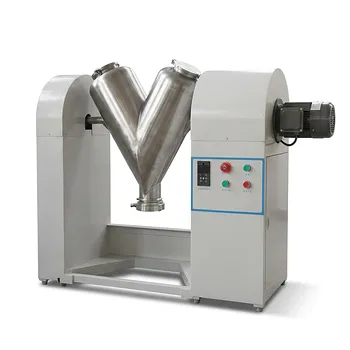
V-Type Powder Mixer for Uniform Blending of Dry Powders and Granules
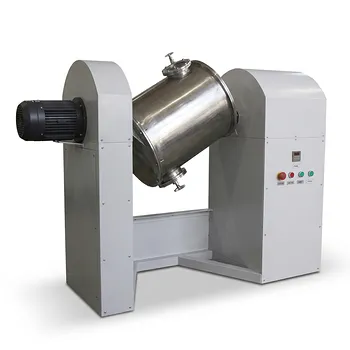
Inclined Mixer for Homogeneous Powder Blending and Grinding
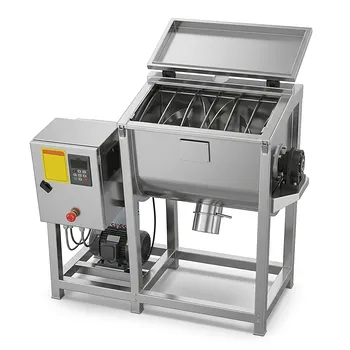
Horizontal Ribbon Mixer for Uniform Powder and Slurry Mixing
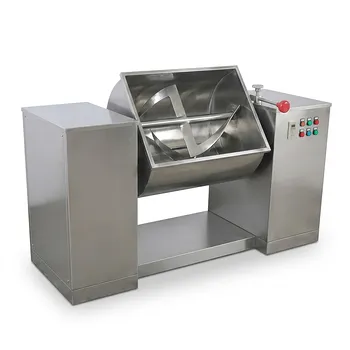
Horizontal Trough Mixer for Uniform Powder and Paste Blending
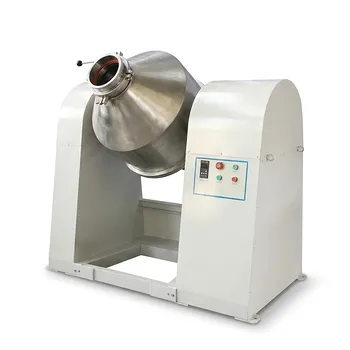
Industrial Double Cone Mixer for Powder Blending and Homogeneous Mixing
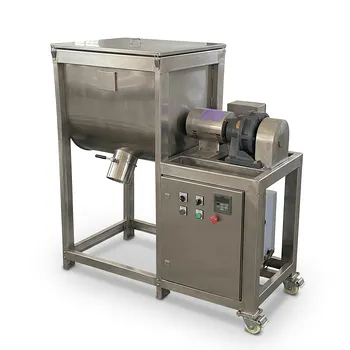
Horizontal Ribbon Mixer for Dry Powder and Slurry Blending
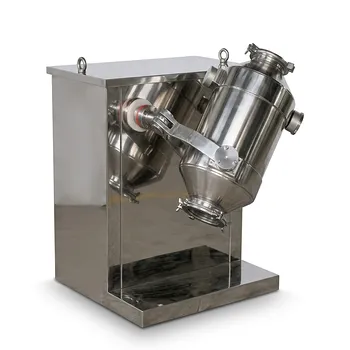
Three-Dimensional Motion Mixer for Laboratory Powder and Granule Blending
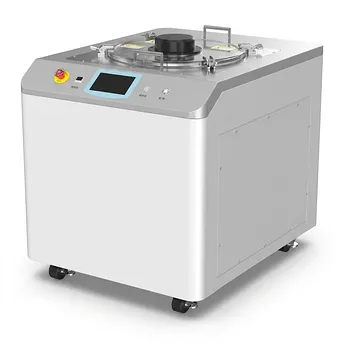
Industrial Planetary Centrifugal Vacuum Defoaming Mixer for High Viscosity Paste and Powder Homogenization
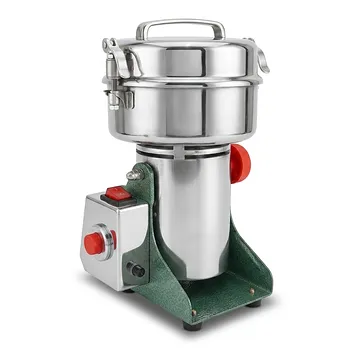
Small High-Speed Laboratory Grinder for Powder Processing

Vertical Production Planetary Ball Mill for High Throughput Powder Processing
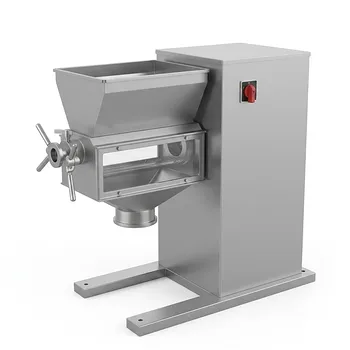
Industrial Swing Granulator for Powder Processing in Pharma Food and Chemical Industries
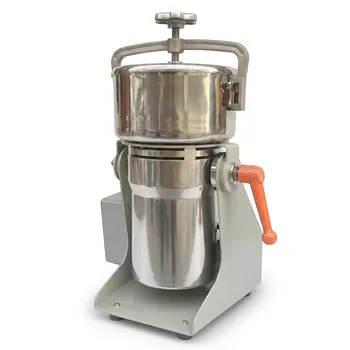
High Speed Laboratory Grinder Efficient Stainless Steel Powder Pulverizer Universal Material Science Mill for Sample Preparation

Stainless Steel Rotary Vibrating Sieve High Precision Circular Vibratory Separator Industrial Powder Grading Machine Multi Layer Sifting Equipment
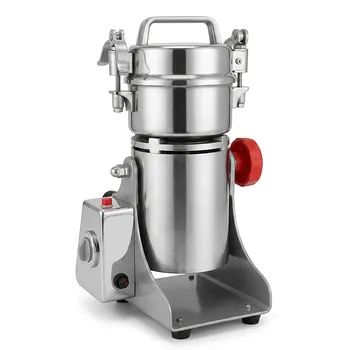
Industrial High Speed Small Sample Pulverizer Swing Type Laboratory Grinder for Powder Processing
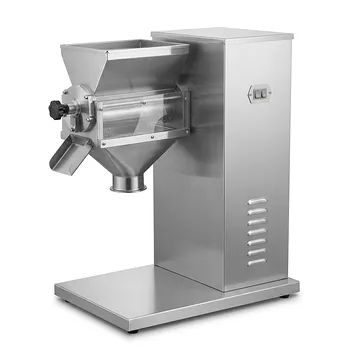
Small Swing Granulator Efficient Powder Granulation for Pharmaceutical Chemical Food Industries
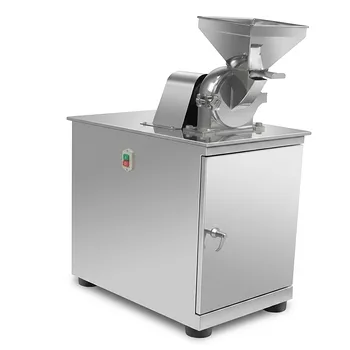
Universal Laboratory Pulverizer Grinder for Small Batch Powder Processing and Material Science Research

Automatic Vibrating Powder Feeder for Laboratory Material Processing Precision Vibratory Hopper Feeder for Granular and Powder Material Handling Industrial Grade Vibrating Tray Feeder for Consistent Material Sample Preparation
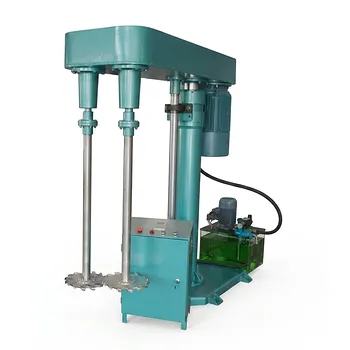
Hydraulic Double Shaft Disperser for High Viscosity Liquid Mixing and Dispersion