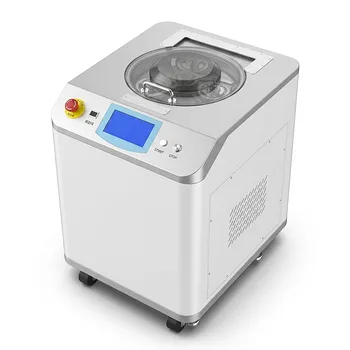
What function does a high-speed internal mixer perform when preparing Polyetherimide (PEI) based composite materials?
Updated 4 months ago
High-speed internal mixers serve as the primary engine for achieving molecular-level homogenization in Polyetherimide (PEI) composites. By operating at extreme temperatures—typically reaching 360°C—these machines create a high-melt-shear environment necessary to process high-performance thermoplastics. This intense mechanical agitation forces the redistribution of fillers like PTFE and modified Tungsten Diselenide within the viscous PEI matrix, ensuring the resulting ternary system is uniform at the molecular chain level.
The high-speed internal mixer transforms discrete raw components into a cohesive composite by using thermal energy and mechanical shear to overcome the high viscosity of PEI. This process is fundamental to ensuring that fillers are evenly distributed, which directly dictates the material's final mechanical and tribological properties.
Facilitating High-Temperature Molecular Blending
Overcoming High Polymer Viscosity
Polyetherimide (PEI) is a high-performance polymer known for its extreme viscosity and high melting point. The internal mixer provides the necessary thermal energy to transition the polymer into a flowable melt state.
Achieving Molecular Chain Level Integration
Once melted, the mixer’s internal rotors generate high-speed mechanical agitation. This action ensures that the polymer chains and additive particles intermingle so thoroughly that they achieve molecular-level blending.
Creating a Stable Ternary System
In complex composites involving multiple fillers, such as PTFE and Tungsten Diselenide, the mixer acts as a homogenizer. It ensures that these diverse materials form a consistent ternary system rather than remaining as isolated pockets of material.
Forced Redistribution and Dispersion of Fillers
Breaking Down Agglomerates
Fillers often enter the mix as clusters or "agglomerates" that can weaken the final product. The mixer’s intense shear forces physically break these clusters apart, facilitating the forced dispersion of individual particles throughout the matrix.
Preventing Phase Separation
Due to density differences between the polymer and fillers, components may naturally settle or float. The constant rotation and turbulence within the mixer prevent this separation, ensuring the filler remains trapped in a uniform suspension until the material cools.
Enhancing Isotropic Properties
By ensuring that the reinforcement phase is distributed evenly in all directions, the mixer helps produce isotropic materials. This means the composite will exhibit the same mechanical strength and wear resistance regardless of the direction of the applied load.
Understanding the Trade-offs
Thermal Degradation Risks
Operating at temperatures like 360°C is necessary for melting PEI, but prolonged exposure can lead to thermal degradation. If the mixing time is too long, the polymer chains may break down, resulting in reduced mechanical integrity.
Shear-Induced Chain Scission
While high shear is required to disperse fillers, excessive mechanical force can cause chain scission. This shortening of the polymer chains can lower the impact strength and thermal stability of the final composite.
Energy and Equipment Wear
High-speed mixing of high-viscosity resins requires significant energy consumption. Furthermore, abrasive fillers like Tungsten Diselenide can cause accelerated wear and tear on the mixer’s internal rotors and chamber walls.
Optimizing the Mixing Process for Your Goals
How to Apply This to Your Project
Achieving the perfect blend requires balancing the intensity of the shear with the thermal sensitivity of the materials.
- If your primary focus is consistent wear resistance (Tribology): Prioritize the high-speed redistribution of PTFE and Tungsten Diselenide to ensure a uniform self-lubricating surface.
- If your primary focus is structural integrity: Optimize the mixing time to ensure full dispersion of fillers while avoiding excessive heat that could lead to polymer degradation.
- If your primary focus is processing high filler loadings: Utilize maximum shear forces to prevent the formation of large agglomerates that act as stress concentrators in the matrix.
By mastering the melt-shear environment of the internal mixer, you can unlock the full performance potential of PEI-based composite systems.
Summary Table:
| Key Function | Mechanism | Impact on PEI Composite |
|---|---|---|
| Molecular Blending | High-melt-shear at 360°C | Overcomes high viscosity for a cohesive matrix |
| Filler Dispersion | Breaking down agglomerates | Ensures uniform distribution of PTFE and fillers |
| Homogenization | Constant rotation & turbulence | Prevents phase separation and settling |
| Isotropic Stability | Forced redistribution | Provides uniform mechanical strength in all directions |
| Process Control | Optimized mixing time | Balances dispersion against thermal degradation |
Master Your Material Preparation with Precision Solutions
Achieving molecular-level homogenization in high-performance polymers like PEI requires equipment that can withstand extreme temperatures and deliver intense shear. At [Company Name], we provide complete laboratory sample preparation solutions for material science, ensuring your composite research is supported by reliable, high-performance technology.
Our extensive product range is designed to handle every stage of powder processing and compaction:
- Advanced Mixing: High-speed powder mixers and defoaming mixers for stable ternary systems.
- Precision Milling: Planetary ball mills, jet mills, and cryogenic grinders for fine particle size control.
- Expert Compaction: A full spectrum of hydraulic presses, including Cold/Warm Isostatic Presses (CIP/WIP), vacuum hot presses, and XRF pellet presses.
- Sizing & Prep: Jaw/roll crushers and vibratory sieve shakers for consistent raw material quality.
Whether you are focusing on tribological properties or structural integrity, our specialized equipment helps you avoid thermal degradation and achieve perfect filler dispersion.
Ready to optimize your PEI composite workflow? Contact us today to find the perfect solution for your lab!
References
- F. -W. Tu, Qunchao Zhang. Synergistic Enhancement Effect of Polytetrafluoroethylene and WSe2 on the Tribological Performance of Polyetherimide Composites. DOI: 10.3390/lubricants13020044
Mentioned Products
- High Speed Vacuum Planetary Centrifugal Mixer and Defoamer for Industrial Paste Processing
- High-Speed Simple Disperser for Efficient Mixing, Dispersion, and Emulsification
- 非介入式材料均质机真空脱泡行星搅拌高粘度混合设备
- High Viscosity Planetary Centrifugal Vacuum Mixer for Material Defoaming and Uniform Mixing
- High Efficiency Vacuum Planetary Centrifugal Mixer and Defoaming Machine for Industrial Material Research and Precise Laboratory Powder Dispersion
People Also Ask
- Why increase revolution radius for high-viscosity materials? Optimize Mixing Performance with Centrifugal Acceleration
- What is the function of a planetary centrifugal mixer in electrode slurry prep? Achieve high-energy, uniform dispersion.
- Why is a planetary centrifugal mixer utilized for wood powder and HPMC? Achieve uniform dispersion & rapid defoaming.
- How does a planetary centrifugal mixer contribute to the preparation of magnetic polymer composites? Expert Guide
- How does a planetary centrifugal mixer address key challenges in Tyr-CDs@EVA optical films? Ensure Optical Clarity.

Tech Team · PowderPreparation
Last updated on Jun 03, 2026
Related Products
High Speed Vacuum Planetary Centrifugal Mixer and Defoamer for Industrial Paste Processing
High-Speed Simple Disperser for Efficient Mixing, Dispersion, and Emulsification
非介入式材料均质机真空脱泡行星搅拌高粘度混合设备
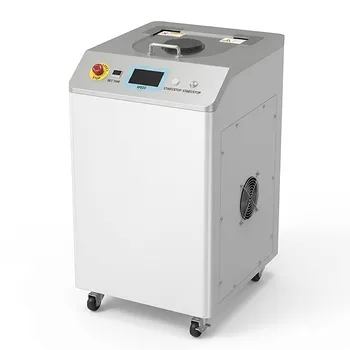
High Viscosity Planetary Centrifugal Vacuum Mixer for Material Defoaming and Uniform Mixing
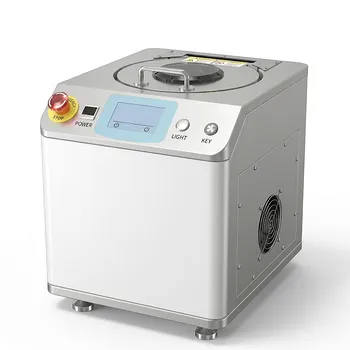
High Efficiency Vacuum Planetary Centrifugal Mixer and Defoaming Machine for Industrial Material Research and Precise Laboratory Powder Dispersion
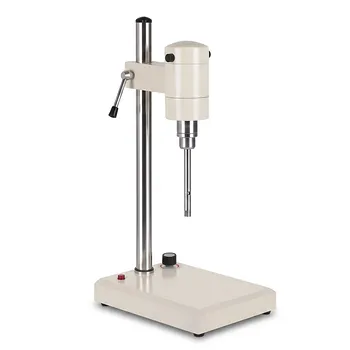
High Speed Dispersing Homogenizer for Laboratory Emulsification Dispersion and Cell Disruption
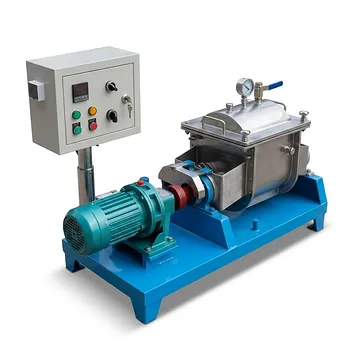
Industrial Vacuum Kneader for High-Viscosity Silicone, Rubber, and Compound Mixing
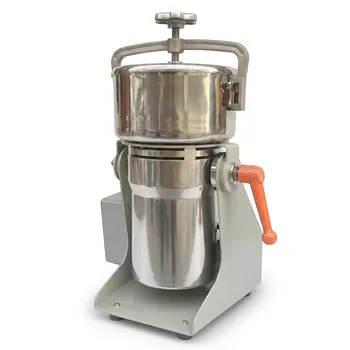
High Speed Laboratory Grinder Efficient Stainless Steel Powder Pulverizer Universal Material Science Mill for Sample Preparation
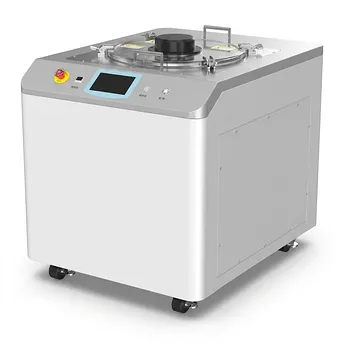
Industrial Planetary Centrifugal Vacuum Defoaming Mixer for High Viscosity Paste and Powder Homogenization
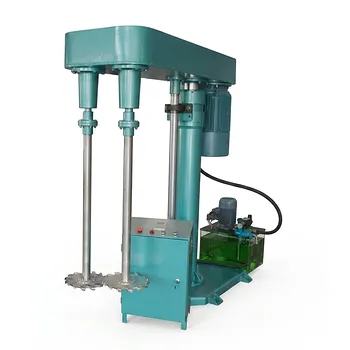
Hydraulic Double Shaft Disperser for High Viscosity Liquid Mixing and Dispersion
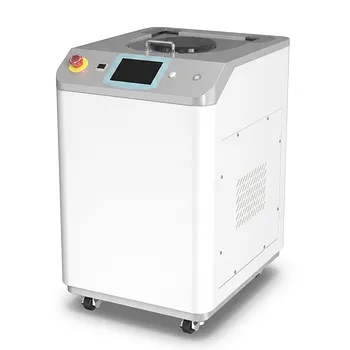
High Viscosity Planetary Centrifugal Mixing and Vacuum Defoaming Machine for Laboratory Material Preparation
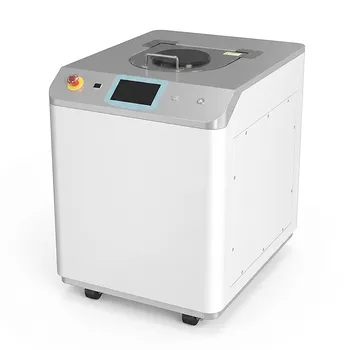
Industrial Planetary Centrifugal Vacuum Defoaming Mixer for High Viscosity Paste and Advanced Material Science
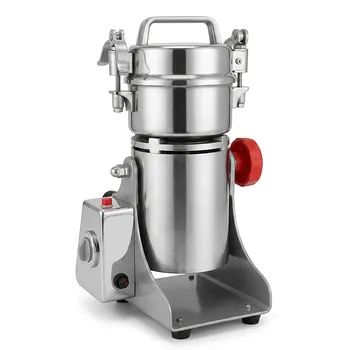
Industrial High Speed Small Sample Pulverizer Swing Type Laboratory Grinder for Powder Processing
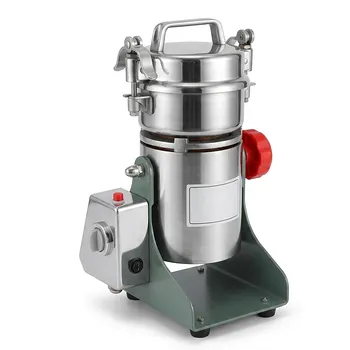
High Speed Swing Type Laboratory Pulverizer for Fine Powder Grinding and Sample Preparation
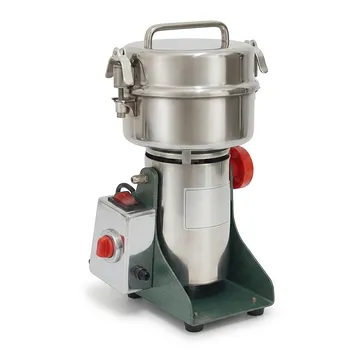
Small High Speed Grinder for Laboratory Sample Preparation
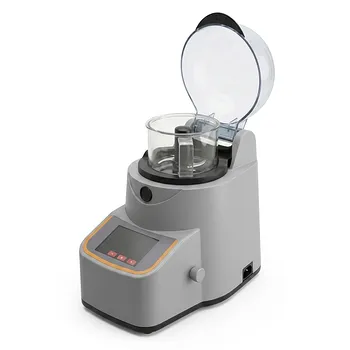
Industrial Knife Mill for Food and Biological Sample Preparation High Speed Laboratory Homogenizer
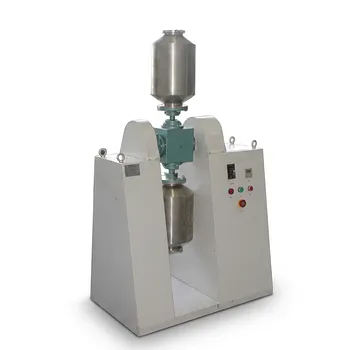
Multi Dimensional Universal Mixer for High Uniformity Powder Blending
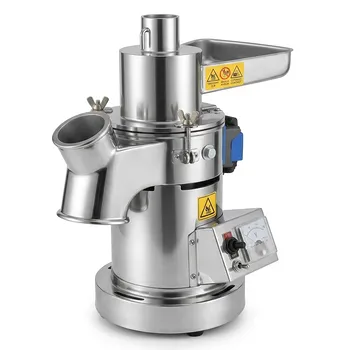
Continuous Feeding Grinder High Efficiency Pulverizer for Lab Sample Preparation
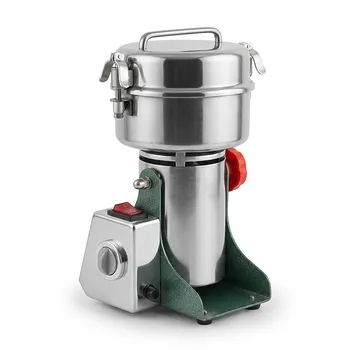
Small High-Speed Swing Grinder for Laboratory Sample Preparation