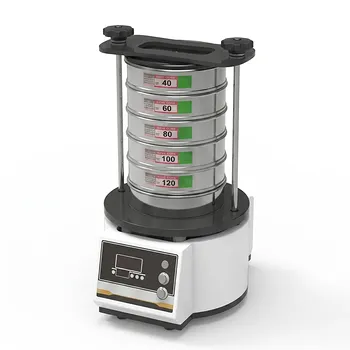
What function does a 200 mesh test sieve perform in the preparation of raw materials for sodium zeolite? Key Functions
Updated 5 months ago
In the synthesis of sodium zeolite, a 200 mesh test sieve serves as the primary mechanism for particle size classification and quality control of raw material powders. Following the ball milling of precursors like coal gangue, the sieve removes coarse particles and uncrushed impurities to ensure a high degree of particle uniformity. This precision directly facilitates a more complete alkali-activated reaction, resulting in superior crystallinity and structural regularity in the final zeolite product.
The 200 mesh test sieve acts as a critical gatekeeper that standardizes the powder fineness to approximately 0.074–0.075 mm. By ensuring a uniform and fine particle distribution, it optimizes the chemical reactivity and physical consistency required for high-quality zeolite synthesis.
The Role of Particle Classification in Zeolite Synthesis
Optimizing the Alkali-Activated Reaction
Sodium zeolite synthesis often relies on an alkali-activated reaction where the precursor powder must react thoroughly with a liquid medium. By utilizing a 200 mesh sieve, you ensure that the powder has a high surface-to-volume ratio, which maximizes the effective contact area and improves mass transfer efficiency.
Enhancing Crystallinity and Structural Regularity
Uniformity in the raw material is essential for forming a stable crystal lattice. The removal of oversized particles prevents local inconsistencies during the synthesis process, leading to a product with higher crystallinity and more predictable structural regularity.
Technical Precision and Material Standards
Defining the 200 Mesh Boundary
The 200 mesh standard (typically featuring an aperture of 0.074 mm to 0.075 mm) serves as a technical benchmark for "fine" powder. Ensuring that 100% of the material passes through this boundary eliminates "particle size effects" that could otherwise skew chemical homogeneity or reaction rates.
Eliminating Agglomerates and Coarse Impurities
During the ball milling process, some minerals may resist grinding or form secondary agglomerates. The sieving process strips away these larger clusters, ensuring the powder entering the synthesis stage is free of macroscopic defects and uncrushed impurities.
Understanding the Trade-offs
The Risk of Mesh Blinding
When working with very fine powders like those required for zeolite, mesh blinding (clogging of the sieve apertures) is a common challenge. If the sieve is not properly maintained or if the material is damp, the effective screening area decreases, which can lead to inaccurate classification or reduced throughput.
Grinding Costs vs. Reactivity
While finer particles generally improve reaction kinetics, over-processing material to ensure it passes a 200 mesh sieve increases energy consumption and equipment wear. There is a diminishing return where the cost of additional milling outweighs the marginal improvements in zeolite crystallinity.
How to Apply This to Your Project
Making the Right Choice for Your Goal
To achieve the best results in your material preparation, consider the specific requirements of your synthesis environment.
- If your primary focus is Maximum Reactivity: Use the 200 mesh sieve in conjunction with a wet-sieving method to ensure all fine fractions are recovered and reactive surfaces are clean.
- If your primary focus is Process Efficiency: Implement a closed-circuit grinding system where the 200 mesh sieve returns oversized material to the ball mill, ensuring no raw material is wasted.
- If your primary focus is Analytical Repeatability: Standardize your sieving time and vibration frequency to ensure that the particle size distribution remains identical across different batches.
By strictly controlling the fineness of your raw materials through standardized sieving, you provide the necessary foundation for high-performance chemical synthesis and material stability.
Summary Table:
| Parameter | Specification | Impact on Zeolite Synthesis |
|---|---|---|
| Aperture Size | 0.074 – 0.075 mm | Standardizes fineness for maximum surface area. |
| Primary Role | Particle Classification | Removes oversized impurities and uncrushed minerals. |
| Chemical Effect | Reaction Optimization | Enhances mass transfer in alkali-activated reactions. |
| Final Quality | Structural Integrity | Promotes superior crystallinity and lattice regularity. |
Achieve Superior Synthesis with Precision Powder Processing
High-quality sodium zeolite requires uncompromising control over particle size and purity. At Our Laboratory Solutions, we provide a complete spectrum of sample preparation equipment tailored for material science. Whether you need to refine precursors using our planetary ball mills and jet mills, or ensure perfect classification with our vibratory/air-jet sieve shakers, we have the expertise to optimize your workflow.
Our full range of solutions includes:
- Grinding & Milling: Jaw/roll crushers, cryogenic grinders, and rotor mills.
- Sieving & Mixing: Precision test sieves and advanced powder/defoaming mixers.
- Compaction & Pressing: Manual lab presses, XRF pellet presses, and Cold/Warm Isostatic Presses (CIP/WIP) for advanced material research.
Ready to enhance your material consistency and reaction efficiency?
Contact our technical team today to find the perfect equipment for your laboratory needs!
References
- Yiou Wang, Tianhui Zhao. A Study on the Removal of Phosphate from Water Environments by Synthesizing New Sodium-Type Zeolite from Coal Gangue. DOI: 10.3390/w17172628
Mentioned Products
- Stainless Steel Laboratory Vibratory Test Sieve Shaker
- Laboratory Vibratory Test Sieve Shaker for Precision Particle Size Analysis and Powder Grading
- Laboratory Jaw Crusher 200x300mm Opening for Primary Crushing of Ores and Aggregates
- Small Laboratory Vibrating Sieve Shaker for Precise Particle Size Analysis
- 三维电磁微量振动筛分仪
People Also Ask
- What function does a laboratory vibratory sieve shaker serve in the production process of metakaolin? Optimize Reactivity
- Why is a precision laboratory vibratory sieve shaker necessary for particle size control? Optimize Biomass Carbonization
- What is the function of a laboratory vibratory sieve shaker? Enhance Coal Particle Size Distribution (PSD) Analysis
- What role do laboratory vibratory sieve shakers and test sieves play before the molding of Nb-Cu composite powders?
- What is the primary function of a laboratory vibratory sieve shaker in the evaluation of sand liquefaction potential?

Tech Team · PowderPreparation
Last updated on May 14, 2026
Related Products
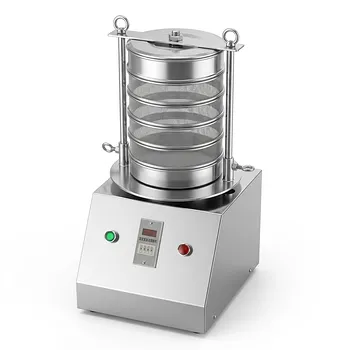
Stainless Steel Laboratory Vibratory Test Sieve Shaker
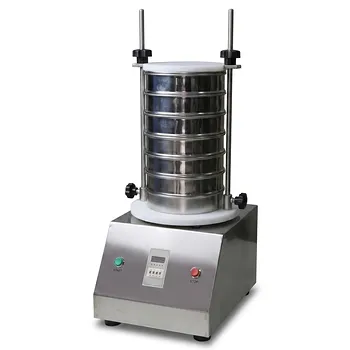
Laboratory Vibratory Test Sieve Shaker for Precision Particle Size Analysis and Powder Grading
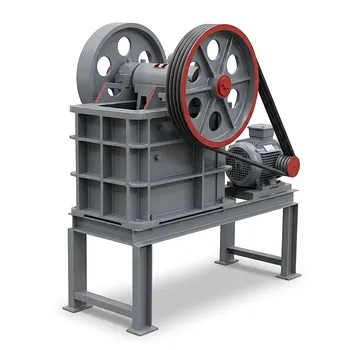
Laboratory Jaw Crusher 200x300mm Opening for Primary Crushing of Ores and Aggregates
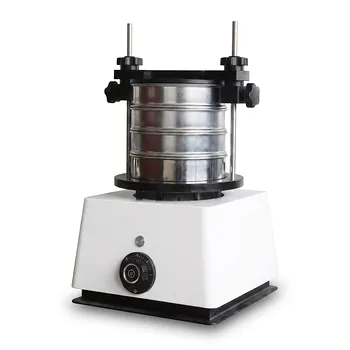
Small Laboratory Vibrating Sieve Shaker for Precise Particle Size Analysis
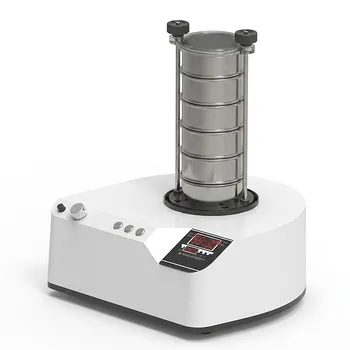
三维电磁微量振动筛分仪
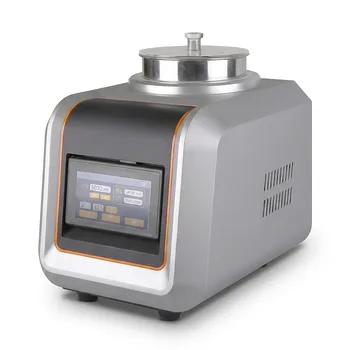
Laboratory Air Jet Sieving Machine for Fine Powder Particle Size Analysis and Deagglomeration
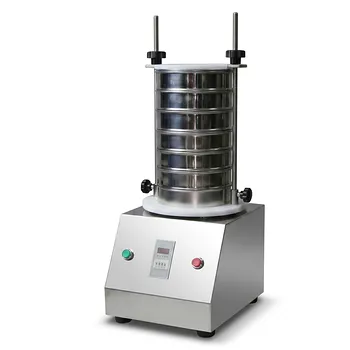
Small Laboratory Vibratory Sieve Shaker for Powder Gradation and Particle Size Analysis
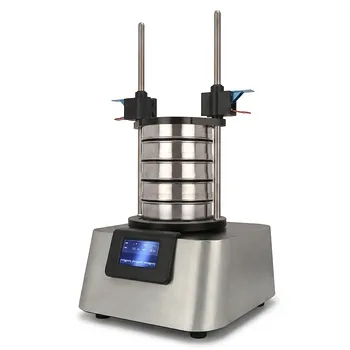
Vibratory Sieve Shaker Electromagnetic 3D Motion Powder Particle Size Analyzer for Dry and Wet Sieving
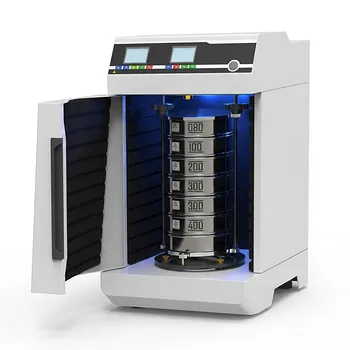
Laboratory Dry and Wet Three Dimensional Vibratory Sieve Shaker for Particle Analysis
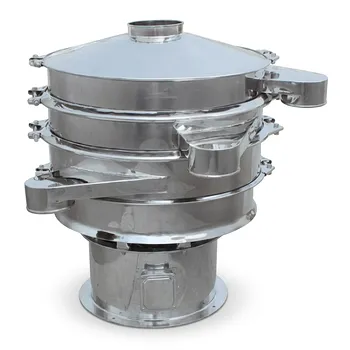
Stainless Steel Rotary Vibrating Sieve High Precision Circular Vibratory Separator Industrial Powder Grading Machine Multi Layer Sifting Equipment
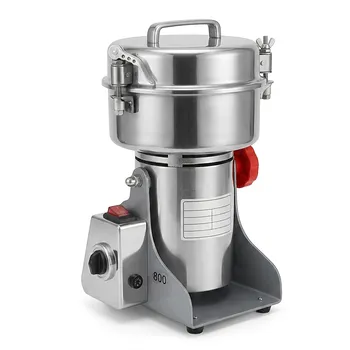
Small High-Speed Laboratory Grinder for Rapid Sample Preparation
Three Dimensional Rotary Vibrating Sieve
High Frequency Wet Three-Dimensional Vibrating Sieve Shaker for Dry and Wet Particle Size Analysis