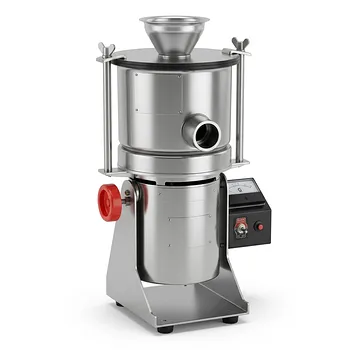
What capabilities must lab-scale grinding equipment possess for PTFE depolymerization? Master Molecular Control
Updated 5 months ago
Effective PTFE molecular depolymerization at a laboratory scale requires a specific balance of high mechanical power and granular control. To facilitate this process, grinding equipment must deliver high energy output to overcome PTFE's strong intermolecular forces while providing precise adjustments for grinding duration and intensity. This ensures the polymer chains are physically dispersed and restructured without undergoing undesirable or excessive chemical degradation.
The success of PTFE depolymerization hinges on equipment that can deliver sufficient mechanical energy to break down molecular structures while maintaining a delicate balance of control to prevent permanent chemical damage.
Achieving Necessary Mechanical Thresholds
Overcoming Intermolecular Forces
PTFE is characterized by exceptionally strong intermolecular forces and stable carbon-fluorine bonds. Laboratory equipment must be capable of generating enough mechanical stress to disrupt these bonds and initiate the depolymerization process.
High Energy Output Requirements
Standard grinding tools often lack the kinetic energy required to affect the molecular structure of high-performance polymers. Specialized equipment must provide a high-velocity or high-impact energy output to ensure the material is worked at a molecular level rather than just a macroscopic one.
The Necessity of Precision Control
Variable Intensity Management
The ability to modulate grinding intensity is critical for achieving a specific molecular weight distribution. Precise force control allows researchers to target physical dispersion without crossing the threshold into uncontrolled chain scission.
Temporal Control for Consistent Results
Grinding duration must be strictly regulated to ensure repeatable outcomes across different batches. Even minor deviations in processing time can lead to significant variations in the physical properties of the depolymerized PTFE.
Understanding the Trade-offs
Physical Dispersion vs. Chemical Degradation
The primary challenge in PTFE processing is the thin line between physical dispersion and chemical breakdown. While high energy is required for depolymerization, excessive force or heat can cause the polymer to lose its fundamental performance characteristics.
Energy Efficiency and Heat Generation
High-energy grinding naturally generates significant friction and heat, which can interfere with the depolymerization goal. Equipment must be evaluated based on its ability to deliver mechanical energy efficiently without causing thermal-induced degradation of the sample.
Implementing Equipment Selection for PTFE Research
Selecting the right laboratory-scale grinder depends heavily on the desired end-state of the polymer material.
- If your primary focus is achieving maximum dispersion: Select equipment that prioritizes high-frequency impact and maximum energy density to break down the PTFE structure.
- If your primary focus is maintaining chemical integrity: Prioritize machinery with highly sensitive force sensors and programmable duration settings to prevent over-processing.
- If your primary focus is repeatable research data: Invest in digital control systems that allow for the exact replication of grinding force and duration parameters across multiple trials.
By matching the equipment’s energy capabilities with precise control mechanisms, researchers can effectively navigate the complexities of PTFE molecular restructuring.
Summary Table:
| Key Capability | Impact on PTFE Processing | Research Benefit |
|---|---|---|
| High Energy Output | Disrupts strong C-F bonds and intermolecular forces | Facilitates effective molecular depolymerization |
| Precision Intensity | Targets physical dispersion vs. chemical scission | Enables specific molecular weight distribution |
| Temporal Control | Regulates exact grinding duration per batch | Ensures high repeatability and data consistency |
| Thermal Management | Mitigates friction-induced heat generation | Prevents undesirable thermal degradation |
Elevate Your PTFE Research with Precision Sample Preparation
Achieving successful PTFE molecular depolymerization requires equipment that balances brute force with surgical precision. At [Company Name], we provide complete laboratory sample preparation solutions specifically designed for the demanding needs of material science.
Whether you require liquid nitrogen cryogenic grinders to manage thermal sensitivity, planetary ball mills for high-energy impact, or hydraulic presses (CIP/WIP) for subsequent material shaping, our extensive product line is engineered for performance and reliability.
Our specialized equipment for powder processing includes:
- Grinding & Milling: Cryogenic grinders, jet mills, and planetary ball mills.
- Sieving & Mixing: Vibratory sieve shakers and advanced defoaming mixers.
- Compaction: Manual and automatic hydraulic presses, including vacuum hot presses.
Ready to optimize your material processing workflow? Contact our technical experts today to find the perfect equipment configuration for your lab's unique requirements.
References
- Tomoya Oonuki, Takeshi Hasegawa. Molecular Disaggregation Process of PTFE Using Sodium Chloride: A Study by Infrared Spectroscopy. DOI: 10.1021/acs.jpcb.5c01148
Mentioned Products
- High Speed Laboratory Grinder Efficient Stainless Steel Powder Pulverizer Universal Material Science Mill for Sample Preparation
- Laboratory Liquid Nitrogen Cryogenic Grinder for Polymer and Elastomer Materials
- Small High-Speed Laboratory Grinder for Powder Processing
- Small High Speed Grinder for Laboratory Sample Preparation
- Ultra Centrifugal Mill High Speed Laboratory Grinder for Fibrous and Brittle Sample Preparation
People Also Ask
- What role does a laboratory grinder play in the pretreatment of sunflower seed shell-based adsorbents? Boost Efficiency.
- How does a laboratory grinder or mill enhance the adsorption performance of agricultural waste materials? Boost Surface Area
- What is the function of a laboratory high-speed pulverizer in the preparation of eggshell powder? Essential Pretreatment
- What are the technical advantages of using a high-speed laboratory pulverizer for grinding tablets into powders? 20K RPM
- Why must soil samples be ground before XRD or XRF analysis? Ensure Precision & Homogeneity in Lab Results

Tech Team · PowderPreparation
Last updated on May 14, 2026
Related Products
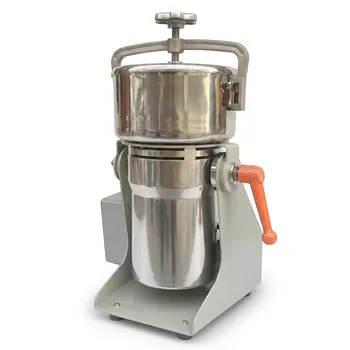
High Speed Laboratory Grinder Efficient Stainless Steel Powder Pulverizer Universal Material Science Mill for Sample Preparation
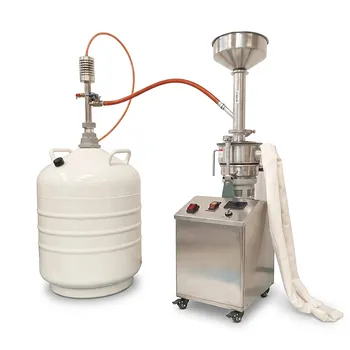
Laboratory Liquid Nitrogen Cryogenic Grinder for Polymer and Elastomer Materials
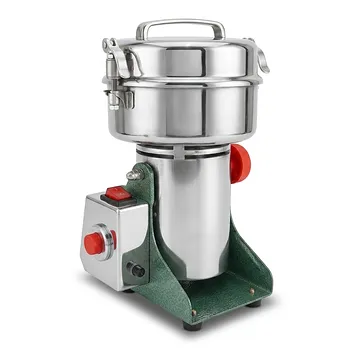
Small High-Speed Laboratory Grinder for Powder Processing
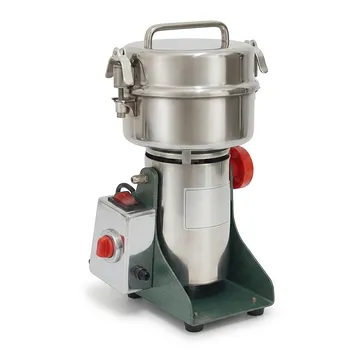
Small High Speed Grinder for Laboratory Sample Preparation
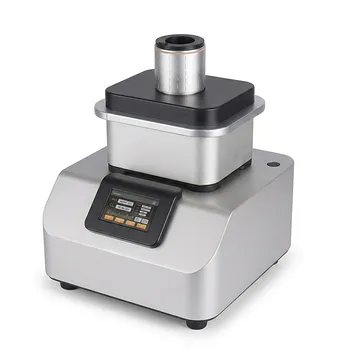
Ultra Centrifugal Mill High Speed Laboratory Grinder for Fibrous and Brittle Sample Preparation
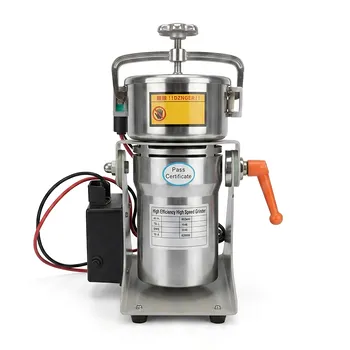
High Efficiency High Speed Grinder Laboratory Mill 1300W 25000rpm
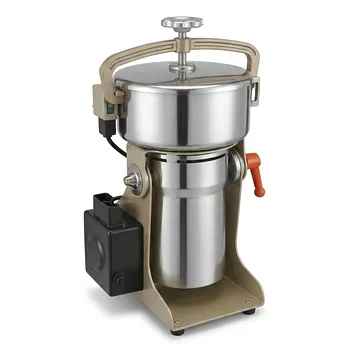
Multifunctional High Efficiency High Speed Laboratory Grinder
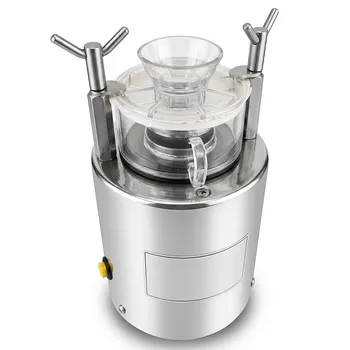
Laboratory Desktop Ultra Fine Powder Grinder High Speed Micronizing Pulverizer
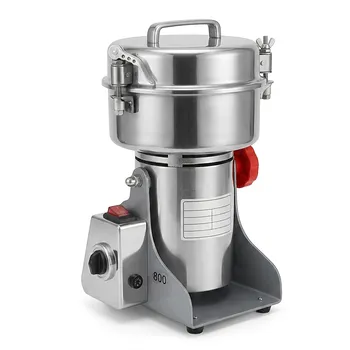
Small High-Speed Laboratory Grinder for Rapid Sample Preparation
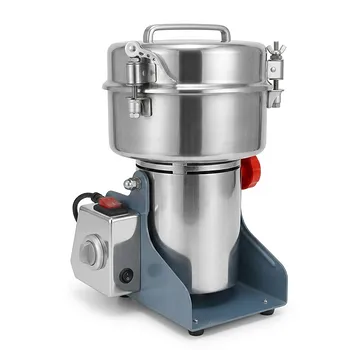
Small High-Speed Grinder for Efficient Laboratory Sample Preparation
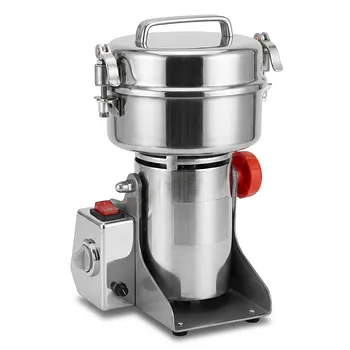
High Speed Laboratory Powder Grinder Small Batch Sample Preparation Mill
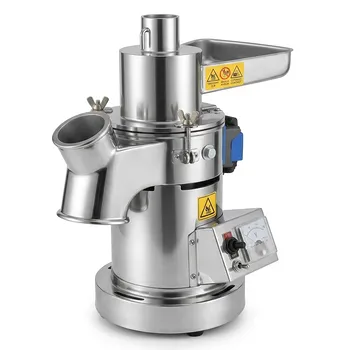
Continuous Feeding Grinder High Efficiency Pulverizer for Lab Sample Preparation
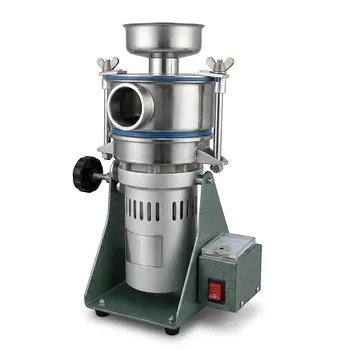
Small Airflow Ultra-Fine Grinder for Laboratory Sample Preparation
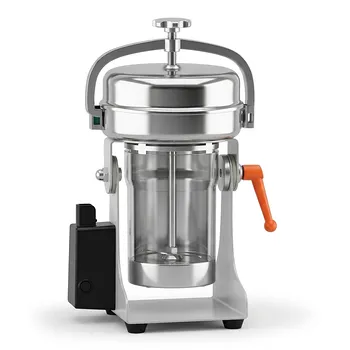
High Efficiency High Speed Grinder 2200W 25000 RPM Laboratory Sample Preparation
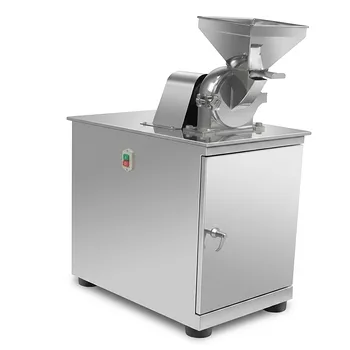
Universal Laboratory Pulverizer Grinder for Small Batch Powder Processing and Material Science Research
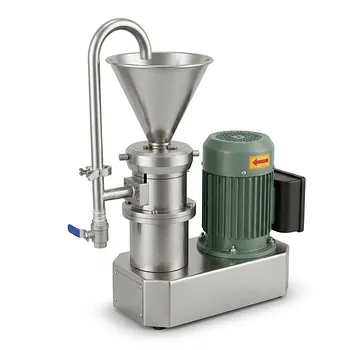
Small Laboratory Colloid Mill for Ultra-Fine Wet Grinding and Emulsification
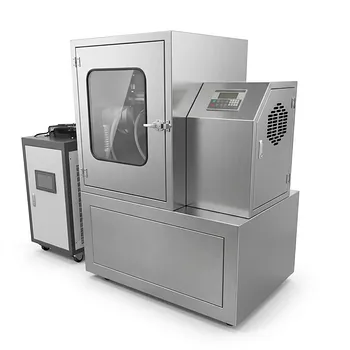
Vibratory Superfine Grinder for Ultra Fine Laboratory Powder Milling
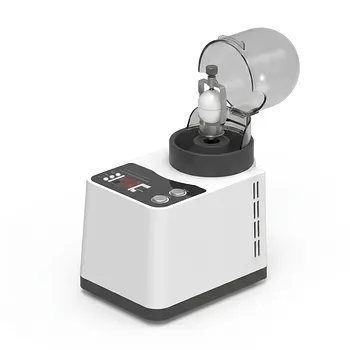
Laboratory Micro Vibration Grinding Mill for Trace Sample Preparation
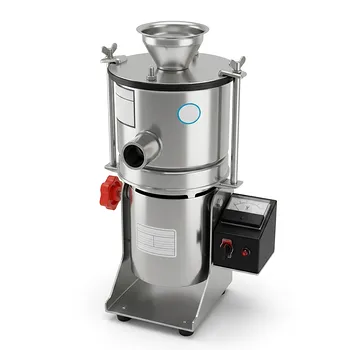
Air Guided Ultrafine Pulverizer High Speed Laboratory Powder Grinder for Chemical and Material Processing