What core processing conditions does a lab hot press provide for WPC? Master Thermal and Pressure Control for Quality
Updated 3 months ago
In WPC manufacturing, the laboratory hot press acts as the critical catalyst for material transformation.
A laboratory hot press provides two primary processing conditions: precise thermal control (typically ranging from 110°C to 220°C) and stable mechanical pressure (often between 3.5 and 5.0 MPa). These parameters work in tandem to melt the thermoplastic matrix, initiate the chemical curing of resins, and consolidate the loose wood-plastic mixture into a structural board with a predetermined thickness and density.
The core function of a laboratory hot press is to facilitate the simultaneous application of heat and pressure, allowing the polymer matrix to wet and encapsulate wood fibers while eliminating internal voids to create a high-density, uniform composite.
Thermal Management and Polymer Transformation
Facilitating Melting and Rheological Flow
The hot press provides the specific high temperatures—such as 190°C for PET or 200°C for rHDPE—necessary to reach the melting point of the thermoplastic matrix. Once molten, the plastic achieves the necessary viscosity and flow to move through the bulk mixture. This ensures that the polymer can effectively penetrate the interstices between wood fibers.
Triggering Chemical Curing and Cross-linking
For composites using thermosetting resins or bio-adhesives, the press provides the heat required for esterification and cross-linking. Temperatures between 150°C and 220°C trigger reactions that form a spatial network structure within the board. This chemical transformation is essential for creating a strong physical-mechanical interlock between the reinforcing fibers and the matrix.
Mechanical Consolidation and Structural Integrity
Compressing the Mattress to Target Density
The application of unit pressure (e.g., 5 N/mm²) is responsible for compressing the loose material mattress to a standardized density. This mechanical force ensures that the softened polymer particles undergo plastic deformation, tightly filling any internal gaps. High-pressure environments are critical for achieving high-density boards, typically ranging from 871 to 982 kg/m³.
Elimination of Voids and Internal Gaps
The hot press utilizes a degassing function to expel residual gases and air trapped between particles during the initial pressing phase. By removing these air bubbles and micropores, the equipment significantly increases the impact strength and structural stability of the finished Wood Plastic Composite (WPC). This process ensures the material is homogeneous and free of internal defects.
Precision Control and Quality Assurance
Ensuring Density and Thickness Uniformity
Through a precise pressure-holding phase, the laboratory hot press ensures that the material remains consolidated while it begins to stabilize. This phase is vital for producing standardized test specimens required for tensile strength and tribological experiments. It prevents the "spring-back" effect, ensuring the final board maintains its intended dimensions.
Encapsulation and Fiber Wetting
The synergy of heat and pressure promotes the complete encapsulation of wood fibers by the molten polymer. This "wetting" process is essential because any fiber not fully coated by the matrix becomes a point of potential structural failure or moisture absorption. Proper encapsulation maximizes the modulus of rupture (MOR) and the modulus of elasticity (MOE).
Understanding the Trade-offs
Thermal Degradation vs. Flow Efficiency
While higher temperatures improve polymer flow and fiber wetting, exceeding the thermal stability limit of the wood fibers can lead to degradation. Overheating can darken the wood, release volatile organic compounds (VOCs), and weaken the overall mechanical properties of the composite.
Pressure Intensity vs. Fiber Damage
Applying excessive pressure can increase density, but it may also crush the cellular structure of the wood fibers. If the fibers are damaged during the pressing process, the composite may lose its intended reinforcement benefits, leading to a brittle product rather than a tough, resilient one.
How to Apply This to Your Project
Recommendations for Manufacturing Goals
- If your primary focus is maximizing mechanical strength: Prioritize a stable pressure-holding phase and a degassing cycle to ensure the total elimination of internal voids and micropores.
- If your primary focus is using recycled thermoplastics (rHDPE/PET): Set the heating plate temperature at least 10–20°C above the polymer's melting point to ensure sufficient flow and encapsulation of the wood particles.
- If your primary focus is bio-adhesive curing: Utilize a slower temperature ramp-up to allow the cross-linking reactions (like esterification) to occur uniformly throughout the board's thickness.
By precisely balancing these thermal and mechanical conditions, researchers can produce high-performance WPCs that meet rigorous industrial standards for density, strength, and durability.
Summary Table:
| Processing Condition | Parameter Range | Key Function in WPC Manufacturing |
|---|---|---|
| Thermal Management | 110°C – 220°C | Melts polymer matrix, ensures flow, and triggers chemical curing/cross-linking. |
| Mechanical Pressure | 3.5 – 5.0 MPa | Consolidates materials to target density and eliminates internal voids/air bubbles. |
| Degassing Function | Phase-specific | Expels trapped gases to improve impact strength and prevent structural defects. |
| Pressure-Holding | Time-dependent | Maintains thickness uniformity and prevents the "spring-back" effect in specimens. |
Elevate Your Material Research with Precision Engineering
Achieving the perfect Wood Plastic Composite requires more than just heat; it requires precise, repeatable processing conditions. At our core, we provide complete laboratory sample preparation solutions for material science, specializing in high-performance powder processing and compaction equipment.
Whether you are refining raw materials with our crushers (jaw/roll), liquid nitrogen cryogenic grinders, and planetary ball or jet mills, or shaping the final product with our advanced hydraulic presses, we have the technology to ensure your success. Our extensive press lineup includes:
- Standard Lab & XRF Pellet Presses for routine testing.
- Vacuum Hot Presses & Standard Hot Presses for precise WPC fabrication.
- Cold/Warm Isostatic Presses (CIP/WIP) for high-density material compaction.
We also offer a full range of sieve shakers (vibratory/air-jet) and powder/defoaming mixers to ensure your mixtures are perfectly homogenous.
Ready to optimize your WPC manufacturing process? Contact our technical experts today to discuss how our specialized equipment can enhance your laboratory's efficiency and output.
References
- Khandkar‐Siddikur Rahman, Md. Obaidullah Hannan. Properties of flat-pressed wood plastic composites as a function of particle size and mixing ratio. DOI: 10.1007/s10086-018-1702-3
Mentioned Products
- 6-Ton Small Single-Punch Tablet Press — Laboratory Powder & Granule Tableting Equipment / Tablet Forming Machine
- 5 Ton Single Punch Tablet Press Laboratory Small Batch Production
- Manual Tablet Press with Dual Scale Pressure Gauge for Pharmaceutical Food Chemical Laboratory Sample Preparation
- 6 Ton Variable Frequency Single Punch Tablet Press
- Water Cooled High Speed Grinder with Cryogenic Option for Laboratory Sample Preparation
People Also Ask
- What is the function of a laboratory press in Cr-Ti alloy evaluation? Quantify Fracture Stress & Strength
- What is the function of a laboratory press in assessing the hydrophobic performance of modified vermiculite fillers?
- What is the core function of a laboratory press in the forming of ceramic filter element green bodies? Maximize Density.
- What is the function of a laboratory press in the preparation of ceramic feed rods? Master Density and Precision
- Why is vacuum sealing and flexible packaging necessary for Aluminum Titanate powders during CIP? Ensure Peak Density

Tech Team · PowderPreparation
Last updated on Jun 03, 2026
Related Products
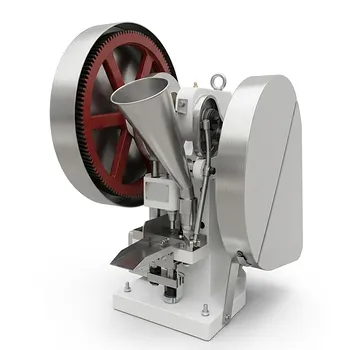
6-Ton Small Single-Punch Tablet Press — Laboratory Powder & Granule Tableting Equipment / Tablet Forming Machine
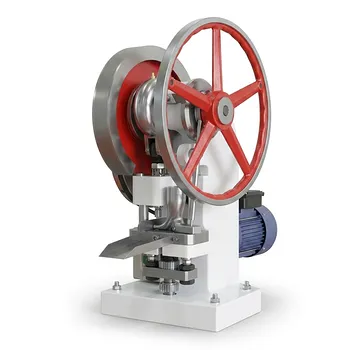
5 Ton Single Punch Tablet Press Laboratory Small Batch Production
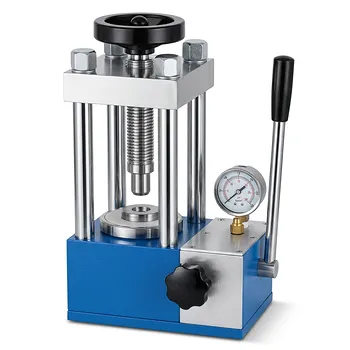
Manual Tablet Press with Dual Scale Pressure Gauge for Pharmaceutical Food Chemical Laboratory Sample Preparation
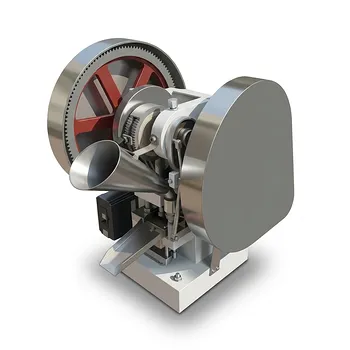
6 Ton Variable Frequency Single Punch Tablet Press
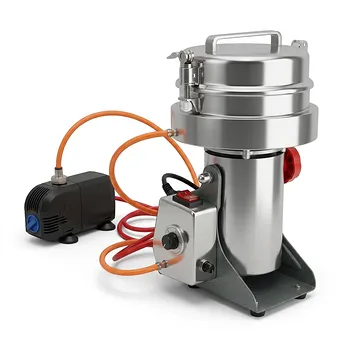
Water Cooled High Speed Grinder with Cryogenic Option for Laboratory Sample Preparation
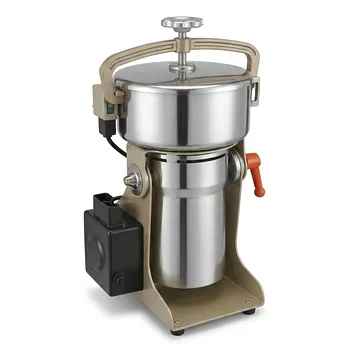
Multifunctional High Efficiency High Speed Laboratory Grinder
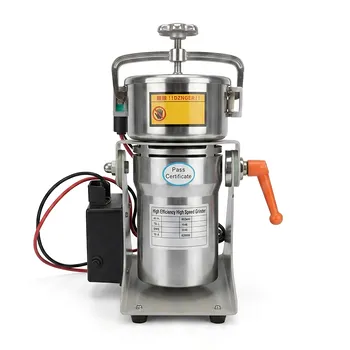
High Efficiency High Speed Grinder Laboratory Mill 1300W 25000rpm
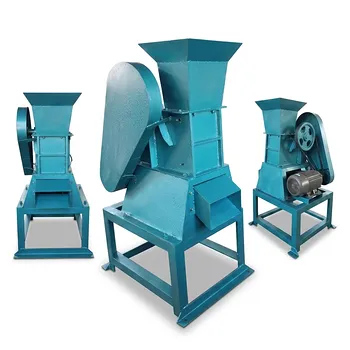
Custom Raised Height Laboratory Jaw Crusher for Precision Sample Preparation in Material Science
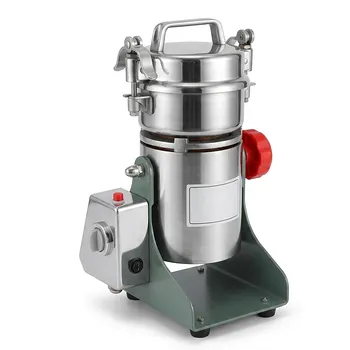
High Speed Swing Type Laboratory Pulverizer for Fine Powder Grinding and Sample Preparation

Small Trace Sample High Speed Pulverizer Grinder Laboratory Powder Mill
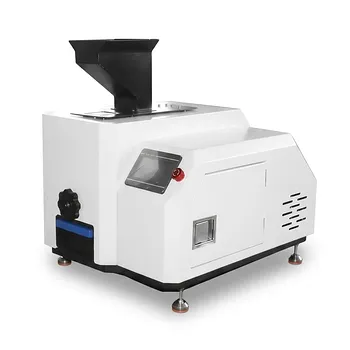
Laboratory Jaw Crusher 2025 Model for Ore and Brittle Material Crushing
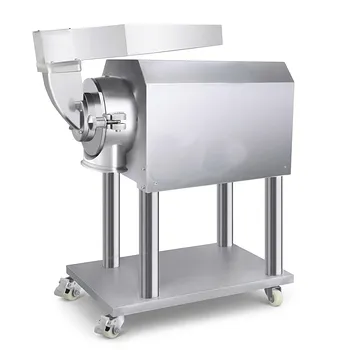
High Speed Small Laboratory Crusher for Dry Material Sample Preparation
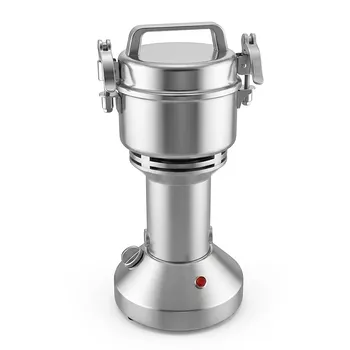
Small High Speed Upright Grinder for Laboratory Sample Preparation
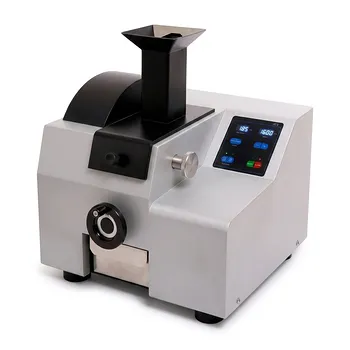
Laboratory Benchtop Jaw Crusher for Hard Brittle Materials Primary Size Reduction and Sample Preparation

Automatic Vibrating Powder Feeder for Laboratory Material Processing Precision Vibratory Hopper Feeder for Granular and Powder Material Handling Industrial Grade Vibrating Tray Feeder for Consistent Material Sample Preparation

Industrial Knife Mill for Food and Biological Sample Preparation High Speed Laboratory Homogenizer
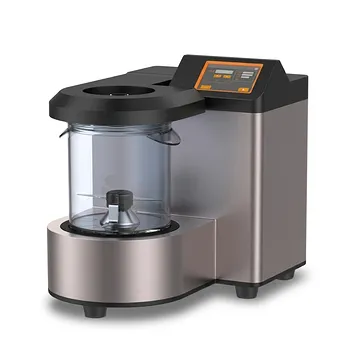
Laboratory Knife Mill for Large Volume Sample Homogenization and Food Preparation
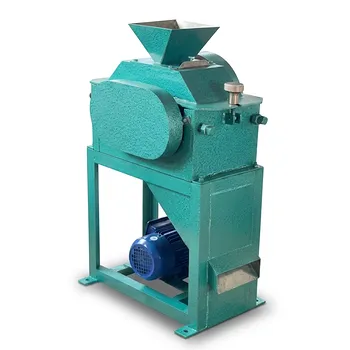
Laboratory Double Roll Crusher for Medium Hardness Materials Coal Ore Sample Preparation
Laboratory Disc Mill Medium Hard Material Grinding Coal Coke Ore Pulverizer