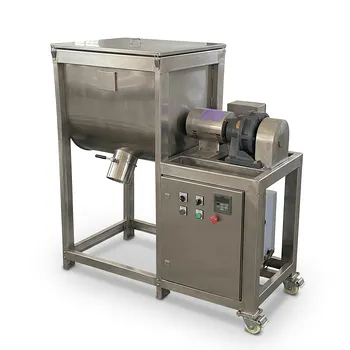
What are the technical requirements for a laboratory powder mixer for high-dose ibuprofen? Ensure Blend Uniformity
Updated 5 months ago
For high-dose ibuprofen direct compression blends, a laboratory powder mixer must provide precise control over mechanical energy input, specifically maintaining a rotation speed of 50 rpm for 10 minutes. This exact calibration is necessary to achieve high-level homogenization between ibuprofen (at concentrations up to 70%) and co-processed excipients, preventing the component segregation that often occurs during high-speed tableting.
Core Takeaway: To successfully blend high-dose ibuprofen, your mixer must balance specific operational parameters—50 rpm for 10 minutes—with a vessel geometry tailored to powder flow properties to ensure dose uniformity and stable drug release.
Precision Operational Parameters
Optimizing Rotation Speed and Duration
Successful direct compression of high-dose ibuprofen depends on a specific mechanical energy threshold. Operating the mixer at 50 rpm for a duration of 10 minutes provides the necessary shear to integrate the drug with excipients without over-processing.
This specific window ensures that the high drug load (up to 70%) is uniformly distributed throughout the matrix. Deviating from these parameters can lead to incomplete blending or "dead zones" within the mixture.
Ensuring Content Uniformity
High-level homogenization is the primary defense against component segregation. Because ibuprofen and co-processed excipients often have different particle sizes or densities, a precise mixing cycle is required to keep them locked in a stable arrangement.
This stability is critical for the "downstream" phase. If the blend remains uniform in the mixer, it is significantly more likely to maintain content uniformity once transferred to the high-speed tablet press.
Mechanical and Structural Requirements
Vessel Geometry and Flow Properties
The internal geometry of the mixing vessel must be matched to the specific flow properties of the powder blend. A vessel that does not facilitate the proper "cascading" or "tumbling" motion will result in inconsistent drug release behavior across the batch.
When working with high-dose formulations, the vessel shape must actively promote the movement of the bulk material. This ensures that every gram of the 70% drug load is exposed to the same blending forces.
Materials and Cleanability
The mixer must be constructed from corrosion-resistant stainless steel. This choice of material prevents chemical interactions between the ibuprofen and the vessel walls while ensuring long-term durability in a laboratory setting.
Furthermore, the unit must allow for easy disassembly. Rapid and thorough cleaning is a technical necessity to prevent cross-contamination between different batches or experimental formulations.
Safety and Environmental Integration
Controlled-Atmosphere Compatibility
Laboratory powder mixers often need to be integrated into glove boxes or fume hoods. This is particularly important when handling fine powders or active pharmaceutical ingredients (APIs) that may pose inhalation risks.
The mixer's footprint and control interface should be designed for operation within these confined, controlled environments. This ensures researcher safety without compromising the precision of the mixing parameters.
Understanding the Trade-offs and Pitfalls
The Risk of Over-Mixing
While 10 minutes is the recommended duration, exceeding this timeframe can lead to over-mixing. In some cases, excessive mechanical energy can cause lubricant sensitivity issues or even lead to particle attrition, which negatively impacts tablet hardness.
Static Electricity and Powder Adhesion
High-dose ibuprofen can be prone to electrostatic charging during the mixing process. If the mixer is not properly grounded or if the vessel material promotes static, the ibuprofen may "plate out" on the walls of the mixer, leading to sub-potent tablets.
How to Apply This to Your Project
When selecting or configuring your laboratory powder mixer, focus on these technical priorities based on your specific operational goals:
- If your primary focus is dose accuracy: Ensure the mixer can maintain a rock-steady 50 rpm to guarantee the required homogenization of the 70% drug load.
- If your primary focus is rapid iteration/R&D: Prioritize a mixer with a tool-free disassembly design to minimize downtime between different formulation trials.
- If your primary focus is sensitive formulations: Select a vessel geometry that matches the flowability of your co-processed excipients to prevent localized heat buildup or "clumping."
By strictly adhering to these mechanical and operational requirements, you ensure that your high-dose ibuprofen blends remain stable, uniform, and ready for high-speed manufacturing.
Summary Table:
| Technical Parameter | Requirement | Impact on Formulation |
|---|---|---|
| Rotation Speed | Fixed at 50 RPM | Provides necessary shear for 70% drug load integration |
| Mixing Time | 10 Minutes | Ensures homogenization while preventing over-mixing |
| Vessel Geometry | Flow-matched Design | Promotes cascading motion to prevent "dead zones" |
| Material | Stainless Steel | Prevents chemical interaction and ensures cleanability |
| Safety Feature | Glove Box Compatible | Protects researchers from API inhalation risks |
| Stability Control | Grounding/Anti-static | Prevents ibuprofen "plating out" on vessel walls |
Elevate Your Pharmaceutical R&D with Precision Mixing Solutions
Achieving perfect content uniformity in high-dose ibuprofen blends requires more than just a standard mixer—it requires precision-engineered equipment. At [Brand Name], we provide complete laboratory sample preparation solutions for material science, specializing in advanced powder processing and compaction equipment.
Our extensive product lines are designed to handle every stage of your workflow:
- Powder Processing: High-precision powder mixers, defoaming mixers, and specialized mills (planetary ball, jet, and rotor mills) to achieve the perfect particle size.
- Sample Preparation: Crushers, sieve shakers (vibratory/air-jet), and cryogenic grinders for sensitive materials.
- Compaction Excellence: A full spectrum of hydraulic presses, including Cold/Warm Isostatic Presses (CIP/WIP), standard lab presses, and vacuum hot presses to transform your blends into high-quality tablets.
Whether you are refining a direct compression formulation or scaling up production, our technical experts are ready to help you select the right tools for stable drug release and dose accuracy.
Ready to optimize your lab's efficiency? Contact us today to discuss your project requirements!
References
- Ivana Aleksić, Jelena Parojčić. Evaluation of the Potential of Novel Co-Processed Excipients to Enable Direct Compression and Modified Release of Ibuprofen. DOI: 10.3390/pharmaceutics16111473
Mentioned Products
- Multi Dimensional Universal Mixer for High Uniformity Powder Blending
- High Efficiency Vacuum Planetary Centrifugal Mixer and Defoaming Machine for Industrial Material Research and Precise Laboratory Powder Dispersion
- Horizontal Ribbon Mixer for Uniform Powder and Slurry Mixing
- Three-Dimensional Motion Mixer for Laboratory Powder and Granule Blending
- High Speed Laboratory Powder Grinder Small Batch Sample Preparation Mill
People Also Ask
- What is the role of a multi-dimensional powder mixer in the preparation of Ce-TZP ceramics? Optimize Homogenization
- What is the importance of using a high-efficiency powder mixer when preparing sand and soil mixtures? Accurate Results.
- What is the role of a powder mixer in SiC mechanical seal ring production? Ensure Homogeneity and Structural Integrity
- Why is high-uniformity powder mixing essential for antibacterial ceramic glazes? Ensure Consistent Bioactive Protection
- How do powder mixers and additives influence ZTA ceramics? Optimize microstructure for superior toughness and density

Tech Team · PowderPreparation
Last updated on May 14, 2026
Related Products
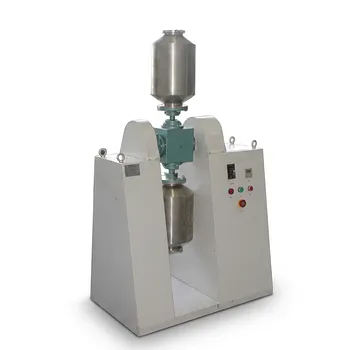
Multi Dimensional Universal Mixer for High Uniformity Powder Blending
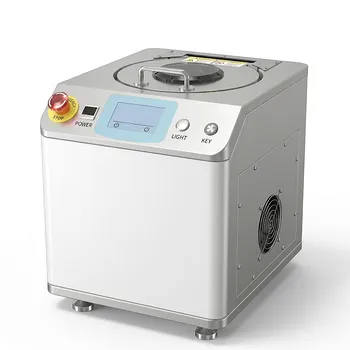
High Efficiency Vacuum Planetary Centrifugal Mixer and Defoaming Machine for Industrial Material Research and Precise Laboratory Powder Dispersion
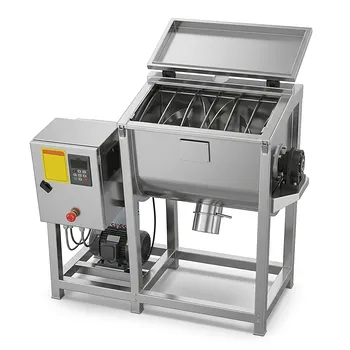
Horizontal Ribbon Mixer for Uniform Powder and Slurry Mixing
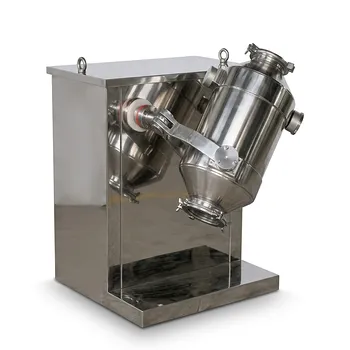
Three-Dimensional Motion Mixer for Laboratory Powder and Granule Blending
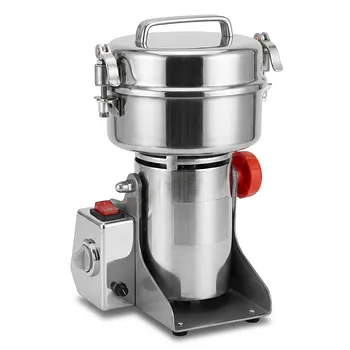
High Speed Laboratory Powder Grinder Small Batch Sample Preparation Mill
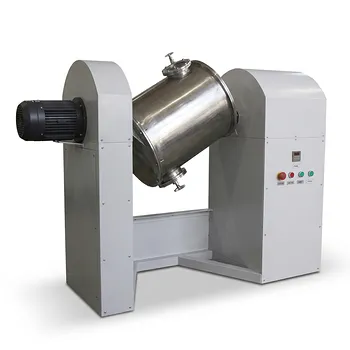
Inclined Mixer for Homogeneous Powder Blending and Grinding
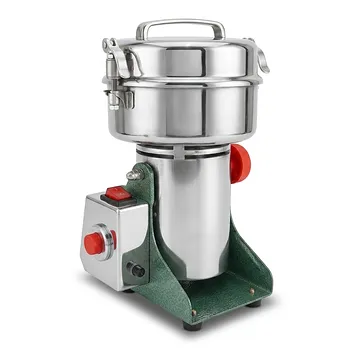
Small High-Speed Laboratory Grinder for Powder Processing
Universal Laboratory Pulverizer Grinder for Small Batch Powder Processing and Material Science Research
High Speed Laboratory Grinder Efficient Stainless Steel Powder Pulverizer Universal Material Science Mill for Sample Preparation
Industrial High Speed Small Sample Pulverizer Swing Type Laboratory Grinder for Powder Processing
Small Trace Sample High Speed Pulverizer Grinder Laboratory Powder Mill
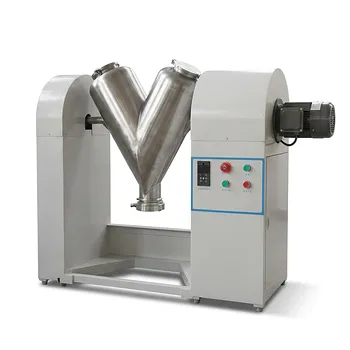
V-Type Powder Mixer for Uniform Blending of Dry Powders and Granules
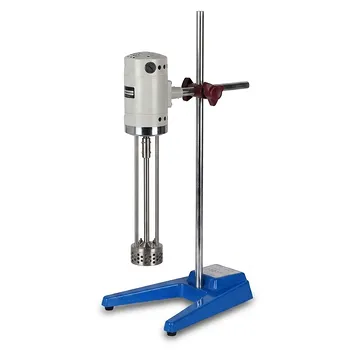
High Shear Laboratory Emulsifier for Mixing and Homogenization
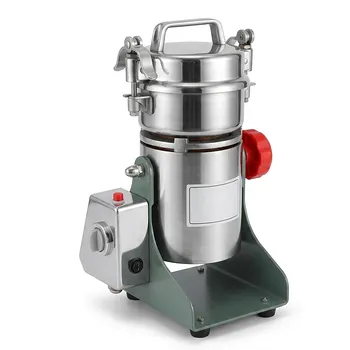
High Speed Swing Type Laboratory Pulverizer for Fine Powder Grinding and Sample Preparation
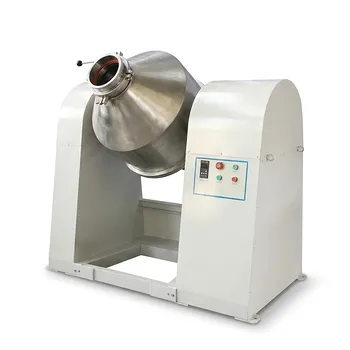
Industrial Double Cone Mixer for Powder Blending and Homogeneous Mixing
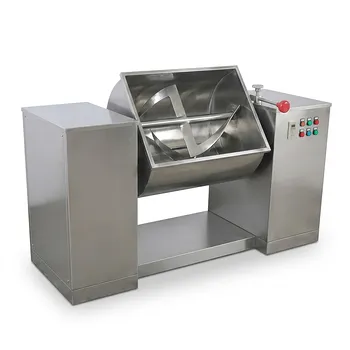
Horizontal Trough Mixer for Uniform Powder and Paste Blending
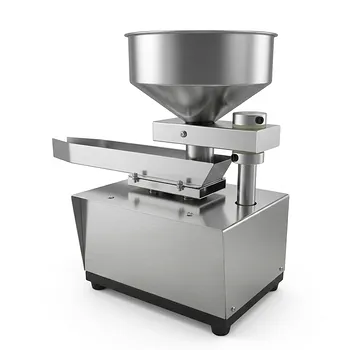
Automatic Vibrating Powder Feeder for Laboratory Material Processing Precision Vibratory Hopper Feeder for Granular and Powder Material Handling Industrial Grade Vibrating Tray Feeder for Consistent Material Sample Preparation
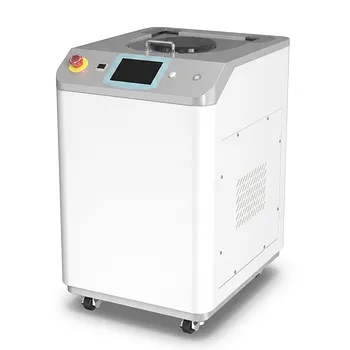
High Viscosity Planetary Centrifugal Mixing and Vacuum Defoaming Machine for Laboratory Material Preparation
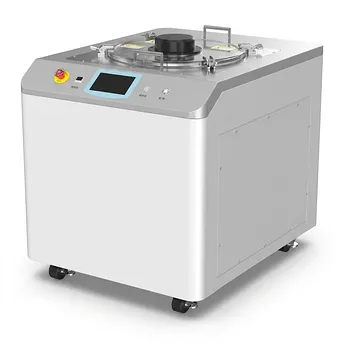
Industrial Planetary Centrifugal Vacuum Defoaming Mixer for High Viscosity Paste and Powder Homogenization