What are the technical advantages of industrial-grade crushers? Preserve mineral integrity and achieve precise grading.
Updated 3 months ago
Industrial-grade crushers provide a critical technical advantage by replacing inconsistent manual force with controlled mechanical stress. This precision allows for the reduction of large rock masses into specific particle sizes while simultaneously preserving the internal chemical and mineralogical integrity of the material.
Industrial crushers outperform simple physical breaking by ensuring high-efficiency throughput and precise particle sizing while protecting the fundamental crystal structures necessary for downstream chemical reactivity and adsorption.
Preserving the Chemical Integrity of Raw Materials
Protecting Mineral Crystal Structures
Unlike crude physical breaking, industrial crushers apply controlled mechanical stress to pulverize large ore chunks. This precision ensures that the fundamental mineral crystal structures are not destroyed during the reduction process.
Maintaining Adsorption Activity
Processing rock with industrial-grade equipment protects the amphoteric oxide phases within the material. These phases are essential for maintaining adsorption activity, ensuring the rock retains its high-efficiency surface charge characteristics for future processing steps.
Operational Precision and Consistency
Achieving Precise Particle Grading
Industrial jaw crushers can efficiently convert large blocks, such as mudstone, into crushed stones with particle sizes consistently smaller than 110 mm. Operators can refine these outputs further to meet strict grading requirements that are impossible to achieve through manual means.
Adjustability and Uniformity
Mechanical crushing allows for the fine-tuning of the discharge opening size, which directly controls the final product dimensions. This capability ensures a high degree of consistency in particle shape and fragmentation, which is vital for industrial standardization.
Efficiency and Throughput
Manual crushing is labor-intensive and produces high levels of sample variability. Transitioning to industrial machinery significantly increases sample preparation efficiency, allowing for higher volumes of material to be processed with minimal human intervention.
Understanding the Trade-offs
Equipment Maintenance and Wear
While industrial crushers provide superior consistency, they require a structured maintenance schedule to manage the wear on jaw plates and liners. Failure to monitor component wear can lead to a gradual drift in particle size accuracy.
Initial Capital Investment
The transition from manual breaking to industrial crushing involves significant upfront capital expenditure. However, this cost is typically offset by the drastic reduction in labor hours and the higher value of the chemically preserved end product.
Making the Right Choice for Your Goal
How to Apply This to Your Project
To determine the best processing strategy, evaluate your requirements based on the following priorities:
- If your primary focus is chemical reactivity: Prioritize industrial crushers that emphasize controlled stress to protect amphoteric oxide phases and crystal integrity.
- If your primary focus is logistical consistency: Use mechanical crushers with adjustable discharge openings to ensure uniform particle size and reliable grading.
- If your primary focus is research and development: Opt for industrial-grade systems to reduce sample variability, ensuring that your test results are based on consistent material properties.
The shift to industrial-grade crushing is ultimately an investment in the chemical and physical predictability of your raw materials.
Summary Table:
| Feature | Industrial-Grade Crushers | Simple Physical Breaking |
|---|---|---|
| Mechanical Stress | Controlled and Adjustable | Inconsistent and Manual |
| Material Integrity | Preserves crystal & adsorption phases | Risk of structural/chemical damage |
| Particle Consistency | High (precise grading < 110mm) | Low (significant sample variability) |
| Efficiency | High volume, automated throughput | Labor-intensive, low throughput |
| Standardization | Ideal for industrial/R&D standards | Difficult to replicate results |
Elevate Your Material Research with Precision Sample Preparation
Inconsistent rock processing leads to unreliable data. Ensure your material's chemical and mineralogical integrity with our high-performance industrial-grade equipment. We provide complete laboratory sample preparation solutions for material science, specializing in powder processing and compaction equipment.
Our extensive product line is designed to handle everything from primary reduction to fine analysis:
- Crushers & Grinders: Heavy-duty jaw/roll crushers and liquid nitrogen cryogenic grinders.
- Advanced Milling: Planetary ball, jet, sand/bead, disc, and rotor mills for fine particle sizes.
- Sizing & Mixing: Vibratory/air-jet sieve shakers and high-efficiency powder mixers.
- Compaction Excellence: A full spectrum of hydraulic presses, including Cold/Warm Isostatic Presses (CIP/WIP), standard lab presses, XRF pellet presses, and vacuum hot presses.
Whether you are focusing on chemical reactivity or logistical consistency, our tools provide the reliability you need. Contact us today to optimize your lab’s workflow!
References
- José G. Prato, Juan Isidro Díaz-García. Evaluación de materiales litológicos oxídicos como adsorbentes para el tratamiento de efluentes y aguas residuales.. DOI: 10.37135/ns.01.08.06
Mentioned Products
- Heavy-Duty Jaw Crusher for Medium-Hard Ore and Industrial Mineral Crushing
- Heavy Duty Industrial Jaw Crusher for Primary Ore Crushing and High Capacity Mineral Material Size Reduction
- Versatile Industrial Crusher for Laboratory Crushing and Material Processing
- Heavy-Duty Crusher for Laboratory and Industrial Material Size Reduction
- Heavy Duty Industrial Laboratory Jaw Crusher for Primary Sample Preparation and Hard Material Size Reduction
People Also Ask
- What is the function of a jaw crusher in reservoir sediment geopolymer synthesis? Primary Size Reduction Explained
- What is the role of jaw or roll crushers in the initial processing of copper ore samples? Essential Prep for Analysis
- What is the primary function of a jaw crusher in RAC raw materials? Efficient Resource Recovery & Sample Preparation
- What is the function of an industrial jaw crusher in the primary processing of ironstone? Key to Efficient Reduction
- What role does an industrial jaw crusher play in gangue slurry processing? Essential Primary Size Reduction Insights

Tech Team · PowderPreparation
Last updated on Jun 03, 2026
Related Products
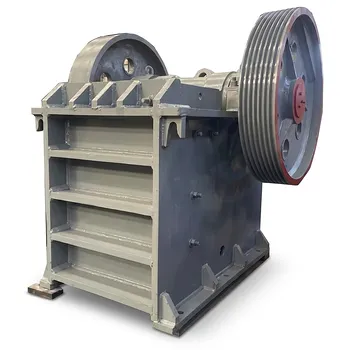
Heavy-Duty Jaw Crusher for Medium-Hard Ore and Industrial Mineral Crushing
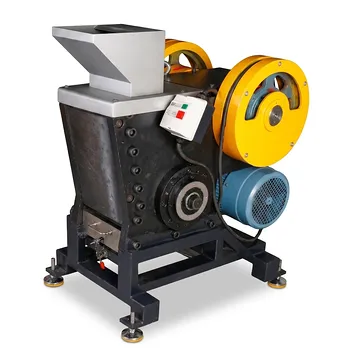
Heavy Duty Industrial Jaw Crusher for Primary Ore Crushing and High Capacity Mineral Material Size Reduction
Versatile Industrial Crusher for Laboratory Crushing and Material Processing
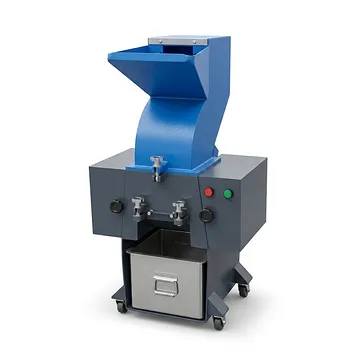
Heavy-Duty Crusher for Laboratory and Industrial Material Size Reduction
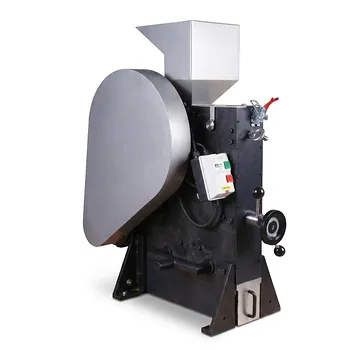
Heavy Duty Industrial Laboratory Jaw Crusher for Primary Sample Preparation and Hard Material Size Reduction
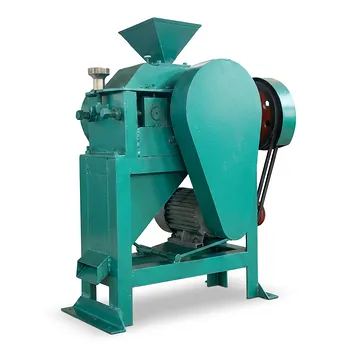
Laboratory Sealed Double Roll Crusher for Coal Ore Rock and Medium Hardness Materials Sample Preparation
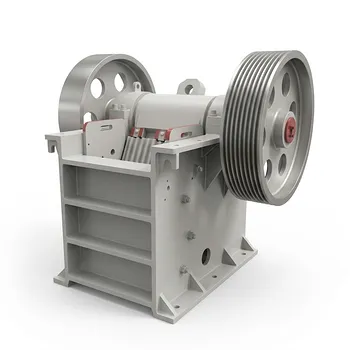
Jaw Crusher with 400x600mm Feed Opening for Primary Rock Crushing in Mining and Construction
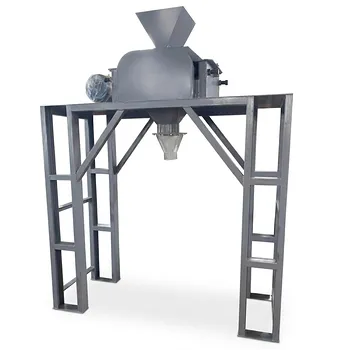
Heightened Customized Laboratory Double Roll Crusher for Coal Ore Rock Crushing
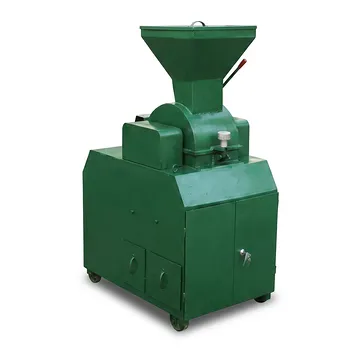
Industrial Sealed Hammer Knife Crusher for Mining Ore and Coal Sample Preparation
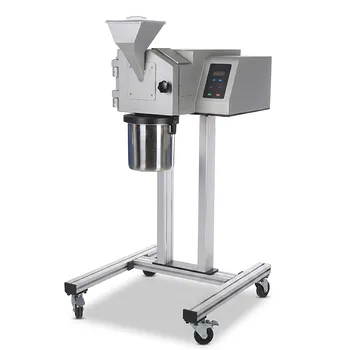
Cross Beater Mill for Brittle Material Grinding and Continuous Fine Crushing Industrial Sample Preparation
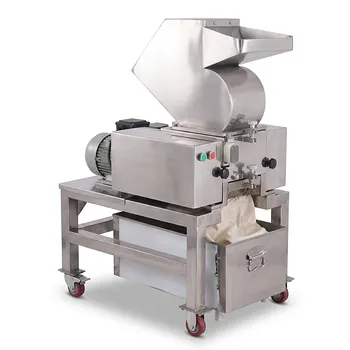
Stainless Steel Coarse Crusher for Pharmaceutical Food and Plastic Material Processing
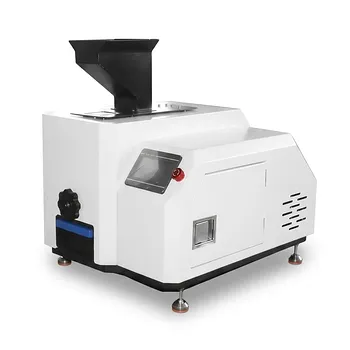
Laboratory Jaw Crusher 2025 Model for Ore and Brittle Material Crushing
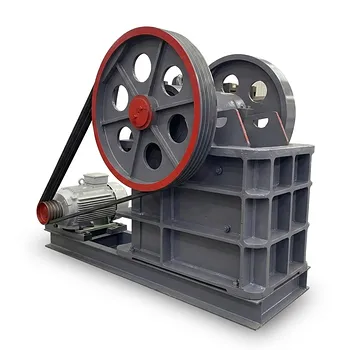
250x400mm Jaw Crusher Medium Crushing Equipment for Mining Mineral Sample Preparation
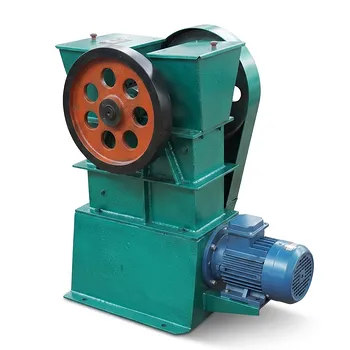
150×125mm Laboratory Jaw Crusher for Medium and Fine Crushing of Brittle Materials
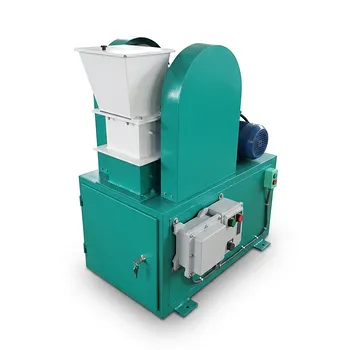
Custom Explosion-Proof Sealed Jaw Crusher for Laboratory and Industrial Sample Preparation
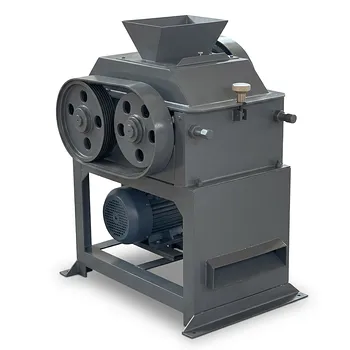
Sealed Laboratory Double Roll Crusher for Coal, Mineral, Ore Sample Preparation
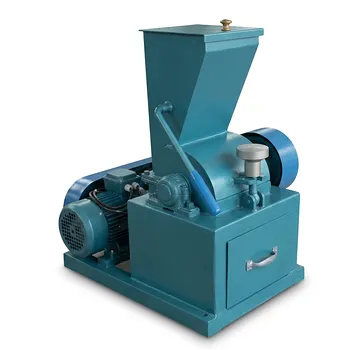
Small Hammer Crusher for Brittle Material Crushing in Mining Metallurgy and Lab Sample Preparation
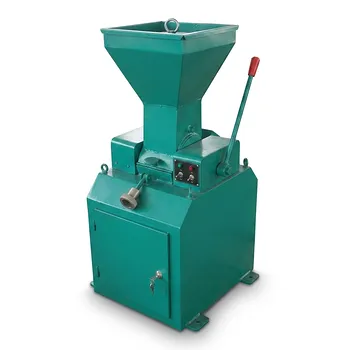
Laboratory Sealed Hammer Crusher for Coal and Mineral Sample Preparation
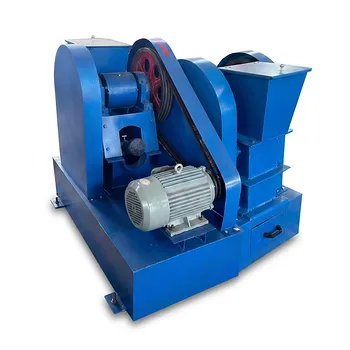
Horizontal Jaw Crusher Medium Hard Material Crushing Laboratory Sample Preparation Equipment