What is the primary function of industrial crushing equipment in recycled aggregate preparation? Master Material Recovery
Updated 5 months ago
The primary function of industrial crushing equipment in recycled aggregate preparation is the mechanical transformation of large-scale construction waste into standardized, reusable granular materials.
By applying intense mechanical force—typically through compression—crushers like jaw crushers break down bulky demolition debris such as concrete slabs, beams, and columns. This process reduces these heterogeneous materials into specific particle size ranges, such as 20mm to 40mm, which are necessary for high-performance construction applications and standardized material testing.
Industrial crushing serves as the critical physical link between demolition waste and resource recovery. It converts raw construction debris into homogenous Recycled Concrete Aggregate (RCA) by precisely controlling particle size distribution through mechanical force.
The Role of Mechanical Size Reduction
Breaking Down Structural Components
Waste concrete from demolished buildings is often too large and irregular for immediate reuse. Industrial crushers apply the necessary mechanical compression to dissociate these hardened structures into smaller fragments.
Achieving Particle Size Consistency
The equipment uses a preset discharge opening to ensure the output meets specific construction standards. This consistency is vital for maintaining the physical performance and predictable behavior of the final concrete mixture.
Transforming Waste into Resource
This stage is the core of waste resource utilization, turning inert mineral components like bricks and stones into valuable raw materials. By adjusting the crushing ratio, operators can produce a variety of "recycled stones" or sand.
Impact on Material Quality and Utility
Preparation for Standardized Testing
Mechanical crushing provides the uniform experimental samples required for rigorous physical property testing. This allows researchers to compare recycled aggregates against natural stone under standardized conditions.
Versatility Across Material Types
Industrial crushers are not limited to standard concrete; they also process Recycled Asphalt Pavement (RAP) and high-strength concrete. By adjusting the crushing gap, materials can be tailored for specific uses, such as drainage systems requiring a maximum particle size of 4.75mm.
Support for Specialized Concrete
In the production of pervious or fiber-reinforced concrete, primary crushing is the first step in reclaiming materials. It allows for the subsequent grading and screening necessary to produce high-performance, sustainable alternatives to traditional aggregates.
Understanding the Trade-offs
Particle Shape and Micro-Cracking
While mechanical crushing efficiently reduces size, the high-pressure impact can sometimes induce micro-cracks within the aggregate. These internal fractures can lead to higher water absorption rates compared to natural stone.
Equipment Wear and Maintenance
Processing high-strength concrete or materials containing macro-synthetic fibers increases the rate of wear on the crusher's internal components. Constant monitoring of the discharge opening is required to prevent the particle size distribution from drifting over time.
Energy Consumption vs. Yield
Achieving very fine particle sizes requires more energy and multiple crushing stages. Operators must balance the desired fineness of the recycled sand against the operational costs of the machinery.
Optimizing Your Crushing Strategy
When selecting or configuring crushing equipment for recycled aggregates, your approach should align with the intended application of the final product.
- If your primary focus is structural concrete production: Prioritize a jaw crusher setting that produces coarse aggregates in the 20mm to 40mm range to ensure the structural integrity of the new mix.
- If your primary focus is drainage or asphalt systems: Adjust the discharge opening to a smaller gap to ensure a finer gradation, typically targeting a maximum particle size of 4.75mm.
- If your primary focus is fiber-reinforced concrete recovery: Utilize primary crushing to dissociate the concrete matrix, which facilitates the later stage of fiber recovery and aggregate grading.
Effective industrial crushing is the essential first step in closing the loop of the construction lifecycle, turning yesterday's debris into tomorrow's foundation.
Summary Table:
| Key Function | Mechanical Action | Primary Benefit |
|---|---|---|
| Size Reduction | High-pressure compression of bulky debris | Converts irregular waste into manageable granules |
| Standardization | Adjustable discharge for specific grading | Ensures consistent particle size (e.g., 20mm-40mm) |
| Resource Recovery | Dissociation of concrete and mineral matrices | Turns demolition waste into high-value raw materials |
| Sample Preparation | Creation of uniform experimental aggregates | Enables accurate standardized material property testing |
Optimize Your Material Recovery with Professional Sample Preparation Solutions
Transforming construction debris into high-quality recycled aggregates requires precision and durability. At our core, we provide complete laboratory sample preparation solutions for material science, specializing in heavy-duty powder processing and compaction equipment designed for rigorous research and industrial applications.
Whether you are processing recycled asphalt pavement (RAP), high-strength concrete, or fiber-reinforced materials, our extensive product line ensures you achieve the exact particle size distribution and material consistency your project demands. Our solutions include:
- Crushing & Grinding: High-performance jaw and roll crushers, liquid nitrogen cryogenic grinders, and planetary ball/jet mills.
- Sizing & Mixing: Vibratory and air-jet sieve shakers for precise grading, plus powder and defoaming mixers.
- Advanced Compaction: A full spectrum of hydraulic presses, including Cold/Warm Isostatic Presses (CIP/WIP), XRF pellet presses, and vacuum hot presses.
Ready to elevate your lab's efficiency and material quality? Contact us today to find the perfect equipment for your recycled aggregate research!
References
- NAVEEN KUMAR NADIGATLA. EXPERIMENTAL INVESTIGATION AND COMPARISON BETWEEN DEMOLISHED AGGREGATES AND ORIGINAL AGGREGATES. DOI: 10.55041/ijsrem25950
Mentioned Products
- Heavy Duty Industrial Jaw Crusher for Primary Ore Crushing and High Capacity Mineral Material Size Reduction
- 150x250mm Laboratory Jaw Crusher for Medium Hard Material Crushing and Sample Preparation
- Heavy-Duty Jaw Crusher for Medium-Hard Ore and Industrial Mineral Crushing
- 150×125mm Laboratory Jaw Crusher for Medium and Fine Crushing of Brittle Materials
- 250x400 Jaw Crusher for Primary Crushing of Ores and Bulk Materials
People Also Ask
- What role does an industrial jaw crusher play in gangue slurry processing? Essential Primary Size Reduction Insights
- What is the function of an industrial jaw crusher in the primary processing of ironstone? Key to Efficient Reduction
- What is the role of industrial crushers and standard test sieves in biomass pyrolysis? Optimize Heat Transfer & Yield
- What is the function of a jaw crusher in reservoir sediment geopolymer synthesis? Primary Size Reduction Explained
- What is the role of jaw or roll crushers in the initial processing of copper ore samples? Essential Prep for Analysis

Tech Team · PowderPreparation
Last updated on May 14, 2026
Related Products
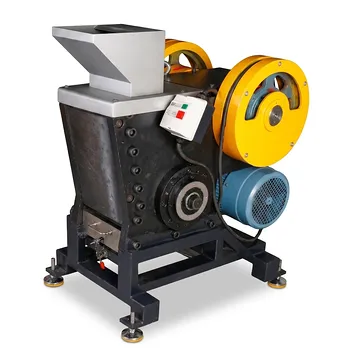
Heavy Duty Industrial Jaw Crusher for Primary Ore Crushing and High Capacity Mineral Material Size Reduction
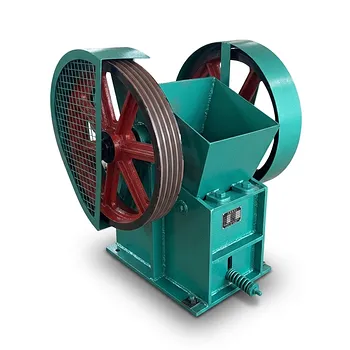
150x250mm Laboratory Jaw Crusher for Medium Hard Material Crushing and Sample Preparation
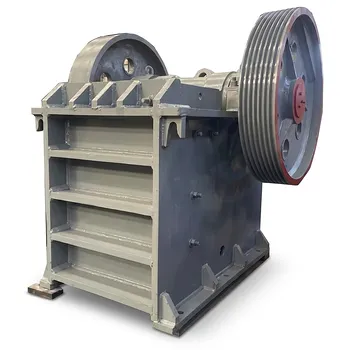
Heavy-Duty Jaw Crusher for Medium-Hard Ore and Industrial Mineral Crushing
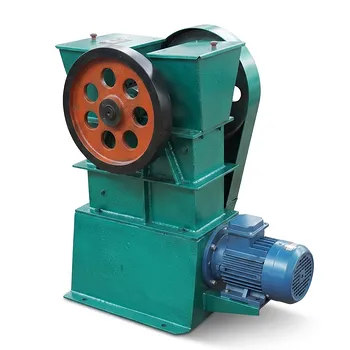
150×125mm Laboratory Jaw Crusher for Medium and Fine Crushing of Brittle Materials
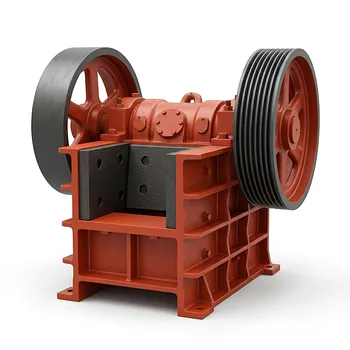
250x400 Jaw Crusher for Primary Crushing of Ores and Bulk Materials
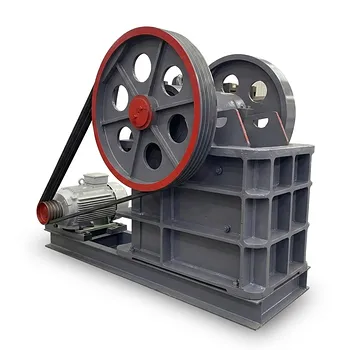
250x400mm Jaw Crusher Medium Crushing Equipment for Mining Mineral Sample Preparation
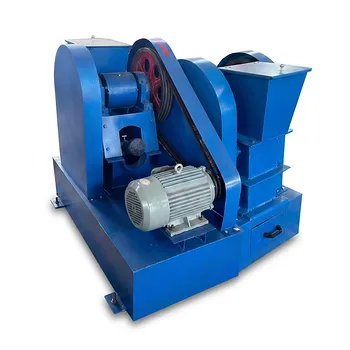
Horizontal Jaw Crusher Medium Hard Material Crushing Laboratory Sample Preparation Equipment
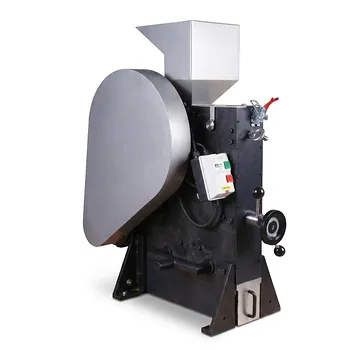
Heavy Duty Industrial Laboratory Jaw Crusher for Primary Sample Preparation and Hard Material Size Reduction
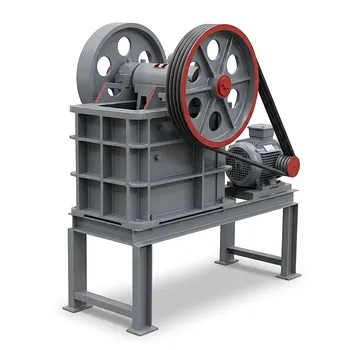
Laboratory Jaw Crusher 200x300mm Opening for Primary Crushing of Ores and Aggregates
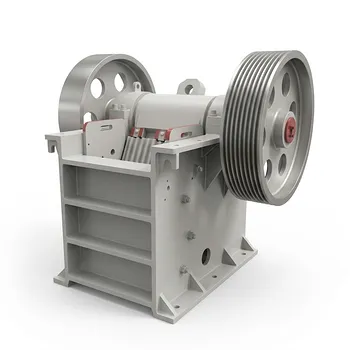
Jaw Crusher with 400x600mm Feed Opening for Primary Rock Crushing in Mining and Construction
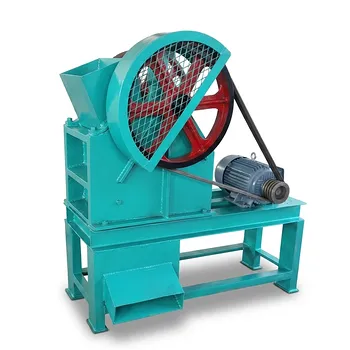
150x250mm Custom Laboratory Jaw Crusher for Coal Ore Mineral Crushing
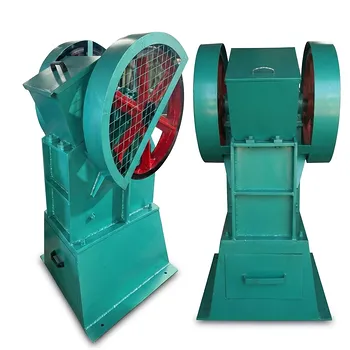
Sealed Jaw Crusher for Laboratory Material Crushing and Sample Preparation
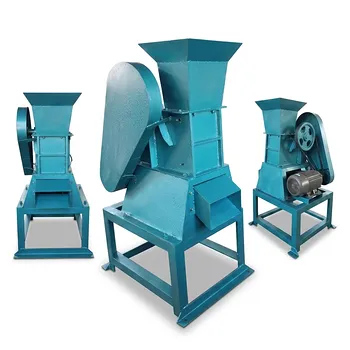
Custom Raised Height Laboratory Jaw Crusher for Precision Sample Preparation in Material Science
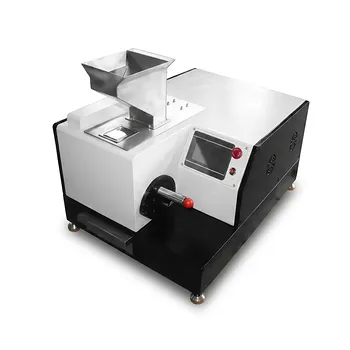
Experimental Jaw Crusher for Laboratory Ore Crushing and Sample Preparation
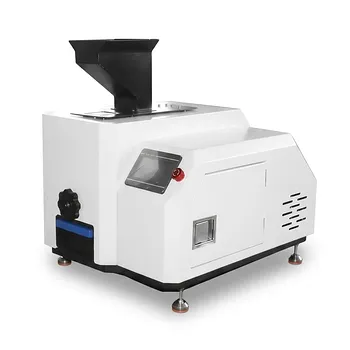
Laboratory Jaw Crusher 2025 Model for Ore and Brittle Material Crushing
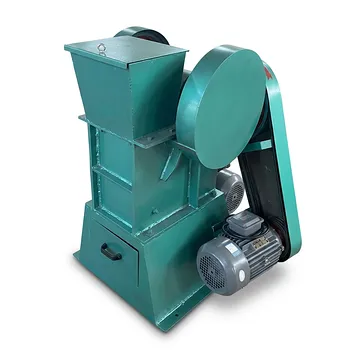
Small Laboratory Jaw Crusher 150x200mm Feed Opening for Sample Preparation and Medium Fine Crushing
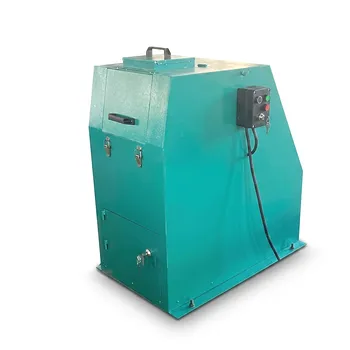
Environmentally Friendly Sealed Jaw Crusher for Laboratory Sample Preparation
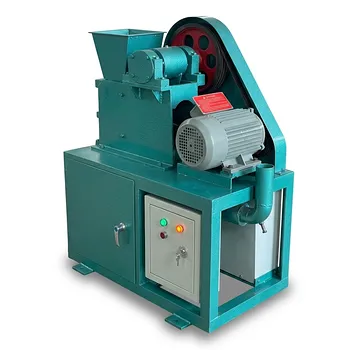
EP-B Type Sealed Jaw Crusher for Laboratory Sample Preparation
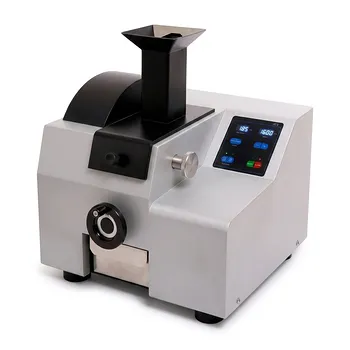
Laboratory Benchtop Jaw Crusher for Hard Brittle Materials Primary Size Reduction and Sample Preparation