What is the primary function of jaw crushers and cone crushers? Optimize Pyrophyllite Coating Material Preparation
Updated 5 months ago
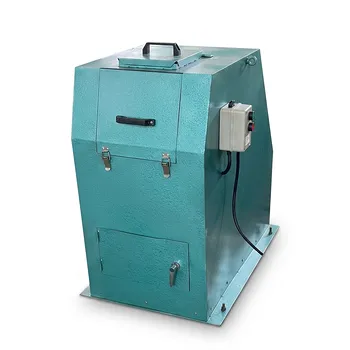
Jaw and cone crushers serve as the critical primary stage for size reduction in the preparation of pyrophyllite-based raw materials. These industrial machines convert large, irregular mineral blocks into smaller, uniform sub-samples that meet the strict feed requirements of fine-grinding equipment. This initial reduction is the fundamental step required to achieve controllable filler particle sizes and ensure the successful homogenization of the final protective coating.
The core function of these crushers is to bridge the gap between raw ore extraction and fine powder production. By utilizing mechanical compression to reduce material volume, they create a consistent feed that allows for representative sampling and high-efficiency downstream processing.
The Role of Mechanical Size Reduction
In the production of pyrophyllite-based coatings, the raw ore arrives in large, high-strength blocks that cannot be processed directly by fine-milling tools.
Breaking Structural Integrity
Jaw crushers utilize powerful mechanical compression to overcome the compressive strength of the pyrophyllite ore. This process breaks down the internal structure of the mineral, transforming bulk chunks into a granular form that is easier to handle and transport.
Multi-Stage Processing Efficiency
A single stage of crushing is rarely sufficient for protective coating standards. A multi-stage approach—often involving a jaw crusher for primary reduction and a cone crusher for secondary refinement—ensures the material is gradually reduced to a size suitable for fine grinding without overworking the machinery.
Impact on Downstream Coating Quality
The performance of a protective coating depends heavily on the consistency of its raw materials. The crushing stage dictates how well the subsequent processes will function.
Enabling Particle Size Control
By producing a consistent sub-sample size, these crushers allow manufacturers to maintain controllable filler particle sizes. This precision is vital because the particle size distribution directly influences the coating’s density, flow characteristics, and protective capabilities.
Facilitating Material Homogenization
Uniformity is essential for the "batching" phase of production. Initial crushing ensures that the pyrophyllite particles can be mixed uniformly with other additives, preventing clumping and ensuring the protective material has a consistent chemical composition throughout.
Ensuring Representative Sampling
For quality control, the crushed material must be representative of the entire ore batch. Mechanical crushing provides a homogenized feed that allows technicians to take accurate samples, ensuring the raw material meets the required specifications for refractory or construction applications.
Understanding the Trade-offs and Constraints
While jaw and cone crushers are essential, they are not universal tools and come with specific operational limitations.
Limitation on Final Fineness
These machines are designed for coarse and intermediate reduction, not fine powder production. Attempting to use them beyond their intended reduction ratio leads to excessive wear on the crushing plates and increased energy consumption without a proportional gain in material fineness.
Maintenance and Wear Costs
The high-pressure environment inside a jaw or cone crusher results in significant abrasive wear on the manganese steel liners. Failure to monitor the gap settings (the "close-side setting") can lead to inconsistent particle sizes, which disrupts the efficiency of the subsequent fine-grinding stage.
How to Optimize Your Preparation Workflow
To achieve the best results in pyrophyllite processing, you must align your crushing equipment with your specific production goals.
- If your primary focus is maximizing throughput: Prioritize a high-capacity jaw crusher with a wide feed opening to handle the largest possible ore blocks without the need for manual pre-breaking.
- If your primary focus is precision in filler size: Utilize a cone crusher in the secondary stage, as its design offers better control over the final grain shape and size distribution compared to a jaw crusher alone.
- If your primary focus is energy efficiency: Use mathematical models to determine the optimal installed power based on the compressive strength of your specific pyrophyllite ore to avoid over-engineering the system.
The successful preparation of pyrophyllite coatings begins with a disciplined crushing strategy that transforms raw ore into a predictable, high-quality feed.
Summary Table:
| Equipment Type | Primary Function | Key Benefit | Process Stage |
|---|---|---|---|
| Jaw Crusher | Mechanical compression | Breaks down large, high-strength ore blocks | Primary Reduction |
| Cone Crusher | Secondary refinement | Precise control over grain shape and size | Secondary Stage |
| Combined System | Multi-stage reduction | Creates consistent feed for fine-grinding | Workflow Optimization |
Elevate Your Material Research with Precision Sample Preparation
Achieving superior pyrophyllite-based coatings requires absolute consistency from the very first crush. At our core, we provide complete laboratory sample preparation solutions tailored for material science, specializing in advanced powder processing and compaction technology.
Our extensive equipment lineup is designed to handle every stage of your workflow:
- Crushing & Grinding: High-performance jaw and roll crushers, liquid nitrogen cryogenic grinders, and specialized mills (planetary ball, jet, sand/bead, disc, rotor).
- Sieving & Mixing: Vibratory and air-jet sieve shakers, along with high-efficiency powder and defoaming mixers.
- Advanced Compaction: A full spectrum of hydraulic presses, including Cold/Warm Isostatic Presses (CIP/WIP), standard lab presses, XRF pellet presses, and vacuum hot presses.
Whether you are refining raw minerals or developing high-tech coatings, our tools ensure representative sampling and controllable particle sizes. Contact our technical team today to discuss your specific application and find the perfect equipment solution.
References
- Marko Pavlović, Enita Kurtanović. Application of waste raw materials as a reinforcement for protective coatings based on pyrophyllite. DOI: 10.2298/ciceq240410029p
Mentioned Products
- Heavy Duty Industrial Jaw Crusher for Primary Ore Crushing and High Capacity Mineral Material Size Reduction
- 150x250mm Laboratory Jaw Crusher for Medium Hard Material Crushing and Sample Preparation
- Heavy-Duty Jaw Crusher for Medium-Hard Ore and Industrial Mineral Crushing
- 150×125mm Laboratory Jaw Crusher for Medium and Fine Crushing of Brittle Materials
- 250x400 Jaw Crusher for Primary Crushing of Ores and Bulk Materials
People Also Ask
- What role does an industrial jaw crusher play in gangue slurry processing? Essential Primary Size Reduction Insights
- What is the function of an industrial jaw crusher in the primary processing of ironstone? Key to Efficient Reduction
- What is the role of industrial crushers and standard test sieves in biomass pyrolysis? Optimize Heat Transfer & Yield
- What is the function of a jaw crusher in reservoir sediment geopolymer synthesis? Primary Size Reduction Explained
- What is the role of jaw or roll crushers in the initial processing of copper ore samples? Essential Prep for Analysis

Tech Team · PowderPreparation
Last updated on May 14, 2026
Related Products
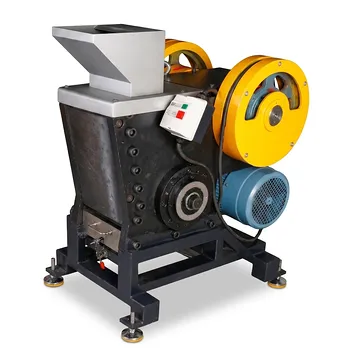
Heavy Duty Industrial Jaw Crusher for Primary Ore Crushing and High Capacity Mineral Material Size Reduction
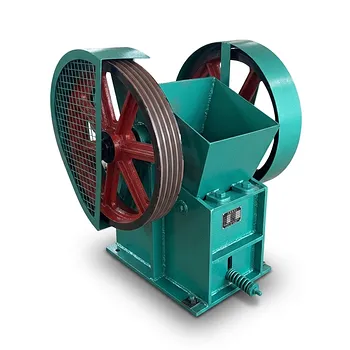
150x250mm Laboratory Jaw Crusher for Medium Hard Material Crushing and Sample Preparation
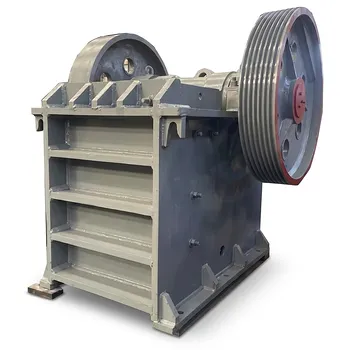
Heavy-Duty Jaw Crusher for Medium-Hard Ore and Industrial Mineral Crushing
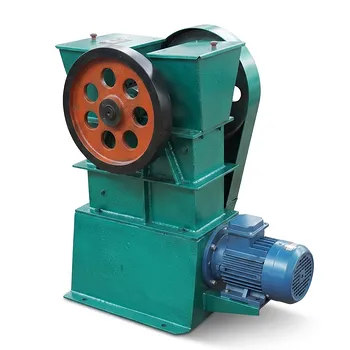
150×125mm Laboratory Jaw Crusher for Medium and Fine Crushing of Brittle Materials
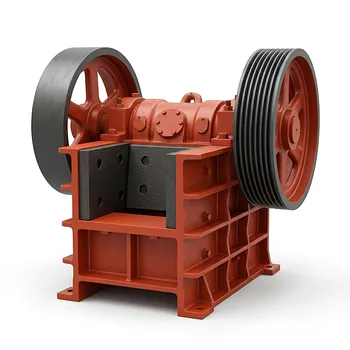
250x400 Jaw Crusher for Primary Crushing of Ores and Bulk Materials
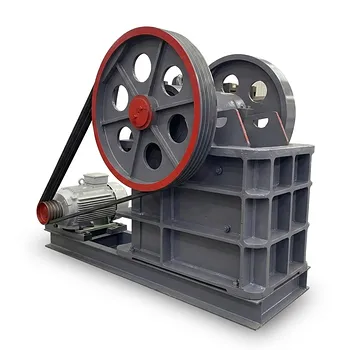
250x400mm Jaw Crusher Medium Crushing Equipment for Mining Mineral Sample Preparation
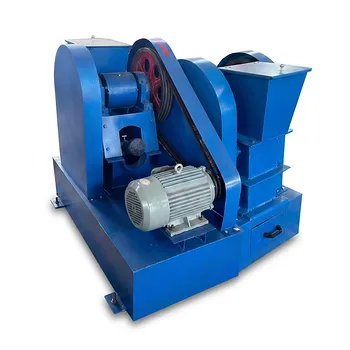
Horizontal Jaw Crusher Medium Hard Material Crushing Laboratory Sample Preparation Equipment
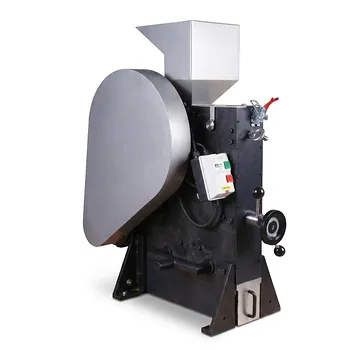
Heavy Duty Industrial Laboratory Jaw Crusher for Primary Sample Preparation and Hard Material Size Reduction
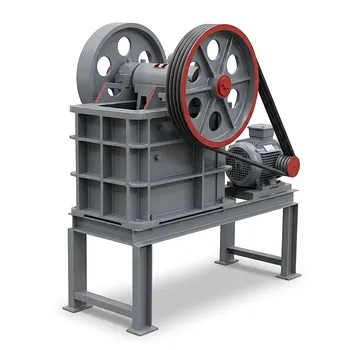
Laboratory Jaw Crusher 200x300mm Opening for Primary Crushing of Ores and Aggregates
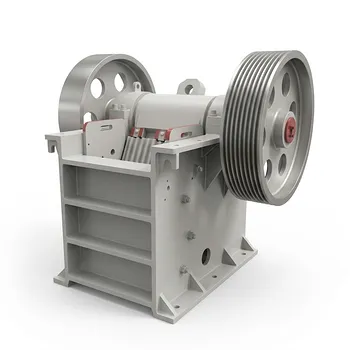
Jaw Crusher with 400x600mm Feed Opening for Primary Rock Crushing in Mining and Construction
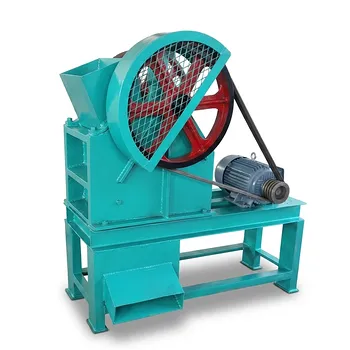
150x250mm Custom Laboratory Jaw Crusher for Coal Ore Mineral Crushing
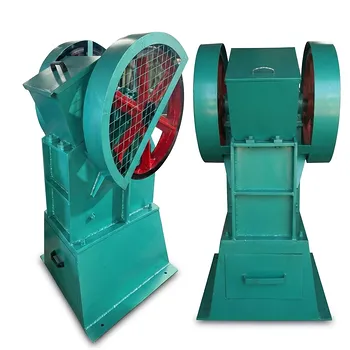
Sealed Jaw Crusher for Laboratory Material Crushing and Sample Preparation
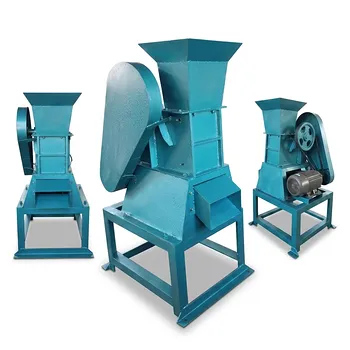
Custom Raised Height Laboratory Jaw Crusher for Precision Sample Preparation in Material Science
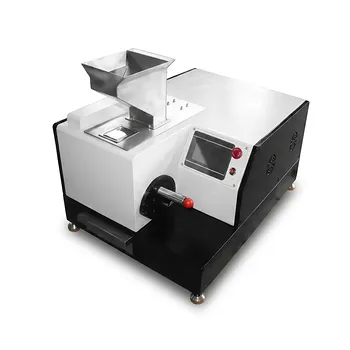
Experimental Jaw Crusher for Laboratory Ore Crushing and Sample Preparation
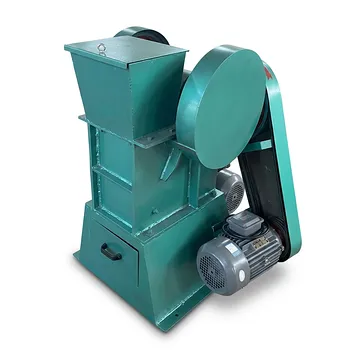
Small Laboratory Jaw Crusher 150x200mm Feed Opening for Sample Preparation and Medium Fine Crushing
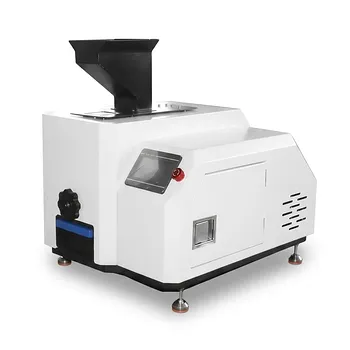
Laboratory Jaw Crusher 2025 Model for Ore and Brittle Material Crushing
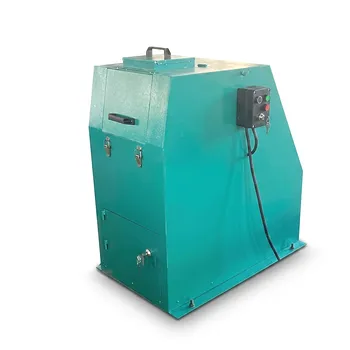
Environmentally Friendly Sealed Jaw Crusher for Laboratory Sample Preparation
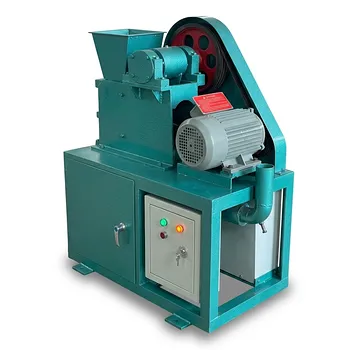
EP-B Type Sealed Jaw Crusher for Laboratory Sample Preparation
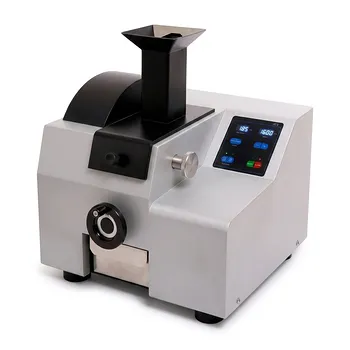
Laboratory Benchtop Jaw Crusher for Hard Brittle Materials Primary Size Reduction and Sample Preparation