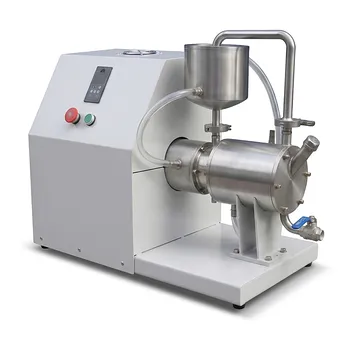
What are the technical advantages of using a vertical stirred mill for ultra-fine talc? Boost Efficiency & Precision
Updated 5 months ago
The technical advantage of the vertical stirred mill lies in its superior energy density and shear-driven breakage mechanism. This equipment outperforms traditional ball mills in ultra-fine talc processing by utilizing a rotating shaft to agitate media, creating intense friction that refines coarse powder to a d50 of 1.85μm with a significantly narrower particle size distribution.
Core Takeaway: Vertical stirred mills are the definitive solution for secondary talc processing because they replace inefficient gravity-driven impact with high-intensity shear, resulting in lower energy consumption and superior control over sub-micron particle morphology.
The Mechanics of Superior Particle Refinement
Shear and Friction vs. Impact Force
Traditional ball mills rely on the gravity-induced "cascading" of large media to break particles via impact. In contrast, a vertical stirred mill uses a high-speed internal agitator to drive the grinding media, shifting the primary breakage mechanism to shear and attrition.
This shift is critical for talc, a soft, platy mineral. Intense friction forces are more effective than blunt impact at delaminating and refining talc into ultra-fine dimensions without destroying its natural crystalline structure.
Achieving Precise Sub-Micron Dimensions
The high energy density of the stirred mill allows it to reach a d50 of 1.85μm in a much shorter duration than traditional methods. The equipment is specifically engineered to handle the challenges of the secondary grinding stage, where the goal is to transform coarse powder into sub-micron grades.
Because the media motion is forced by an agitator rather than gravity, the mill can use smaller grinding media (often 3mm or less). Smaller media provide more contact points per unit volume, which is the primary driver for achieving a high specific surface area (SSA).
Operational and Energy Efficiency
Radical Reduction in Energy Consumption
For ultra-fine grinding (particles 10 micrometers or smaller), traditional drum ball mills become exponentially inefficient. Data suggests that a stirred mill can reduce energy consumption by 30% to 40% compared to a drum mill for the same output size.
This efficiency stems from the high energy density within the grinding chamber. By focusing energy directly on the media through the rotating shaft, the system minimizes the "dead zones" common in traditional mills where media is not actively grinding.
Narrower Particle Size Distribution (PSD)
One of the most significant technical advantages is the ability to produce a narrow particle size distribution. A narrow PSD ensures consistency in the final talc product, which is vital for industrial applications like plastics, paints, and paper coatings.
Traditional mills often produce "over-ground" fines and "under-ground" coarse particles simultaneously. The controlled environment of the vertical stirred mill ensures a more uniform energy application, leading to a highly predictable and consistent output.
Understanding the Trade-offs and Limitations
Feed Size Constraints
Vertical stirred mills are highly specialized for secondary and tertiary grinding. They are not designed to handle large, coarse feed material that a traditional ball mill might manage in a primary circuit.
If the input material is too large, it can cause excessive wear on the internal agitator and reduce the efficiency of the shear mechanism. Proper pre-processing of the talc is required to ensure the stirred mill operates within its optimal performance envelope.
Maintenance and Component Wear
Because the mill operates at high speeds with intense internal friction, the stirring rotor and liners are subject to significant stress. While these components are designed for high-intensity use, they require more specialized monitoring than the simpler shell of a traditional ball mill.
Choosing the right material for the grinding media and liners—such as silicon nitride or specialized ceramics—is essential to prevent product contamination and manage the operational costs associated with component replacement.
Strategic Implementation for Talc Processing
Making the Right Choice for Your Goal
- If your primary focus is sub-micron precision: The vertical stirred mill is the only viable option for consistently reaching a d50 below 2μm with a narrow distribution.
- If your primary focus is operational cost reduction: Transitioning to a stirred mill for the secondary stage can slash energy requirements by up to 40%, significantly improving the margin on ultra-fine products.
- If your primary focus is material reactivity: The high-frequency shear and impact forces increase the specific surface area and can induce lattice defects, enhancing the chemical reactivity of the talc.
By prioritizing energy density and mechanical shear over traditional impact, the vertical stirred mill represents the most technically advanced path for high-performance talc production.
Summary Table:
| Feature | Vertical Stirred Mill | Traditional Ball Mill |
|---|---|---|
| Breakage Mechanism | High-intensity shear & attrition | Gravity-driven impact (cascading) |
| Energy Efficiency | 30%–40% higher efficiency | Significant energy loss in "dead zones" |
| Particle Size (d50) | Achieves sub-micron (down to 1.85μm) | Typically limited to coarser grades |
| Particle Distribution | Narrow and highly consistent | Broad (prone to over/under-grinding) |
| Media Size | Small (≤3mm) for high contact points | Large, heavy media for impact force |
Elevate Your Material Processing with Precision Engineering
Are you looking to achieve superior particle refinement and energy efficiency in your laboratory or production line? At our facility, we provide complete laboratory sample preparation solutions for material science, specializing in advanced powder processing and compaction equipment designed to meet the most rigorous standards.
Our extensive product range includes:
- Advanced Milling & Grinding: High-efficiency mills (planetary ball, jet, sand/bead, disc, rotor) and liquid nitrogen cryogenic grinders.
- Crushing & Sieving: Jaw and roll crushers, vibratory/air-jet sieve shakers, and precision test sieves.
- Powder Handling: Specialized powder mixers and defoaming mixers for uniform consistency.
- Full Spectrum Pressing: High-performance hydraulic presses, including Cold/Warm Isostatic Presses (CIP/WIP), XRF pellet presses, and vacuum hot presses.
Whether you are refining ultra-fine talc or developing advanced ceramics, our equipment ensures a narrow particle size distribution and optimal material morphology. Contact us today to discuss your specific application and discover how our specialized solutions can enhance your research and production outcomes.
References
- Ömer GÜLEÇ, Metin Uçurum. Combination of Conventional Ball Mill and Stirred Mill to Obtain Ultra-Fine Talc. DOI: 10.21605/cukurovaumfd.1377725
Mentioned Products
- Ultra Centrifugal Mill for Rapid Laboratory Sample Preparation and Fine Powder Grinding
- 360° Rotating Omnidirectional Laboratory Planetary Ball Mill for Homogeneous Ultra-Fine Grinding and Mixing
- Vibratory Superfine Grinder for Ultra Fine Laboratory Powder Milling
- Vertical Production Planetary Ball Mill for High Throughput Powder Processing
- Small Laboratory Colloid Mill for Ultra-Fine Wet Grinding and Emulsification
People Also Ask
- What is the role of an ultra-centrifugal mill in cork research? Achieve uniform powder for high-precision analysis.
- How Does Sieve Ring Aperture Affect Microplastic Powder Prep? Ensure Precise Particle Size & Reproducibility
- What is the function of a centrifugal mill in dietary fiber processing? Ensure precise size & preserve fiber integrity
- What is the role of a high-speed centrifugal mill in the preparation of microplastic reference materials? Precision Guide
- What is the function of an ultra-centrifugal mill and ring sieve? Optimize Wood Powder for Better Wet Extrusion

Tech Team · PowderPreparation
Last updated on May 14, 2026
Related Products
Ultra Centrifugal Mill for Rapid Laboratory Sample Preparation and Fine Powder Grinding
360° Rotating Omnidirectional Laboratory Planetary Ball Mill for Homogeneous Ultra-Fine Grinding and Mixing
Vibratory Superfine Grinder for Ultra Fine Laboratory Powder Milling
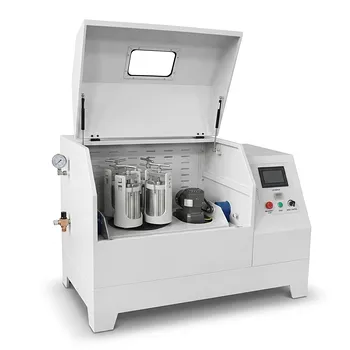
Vertical Production Planetary Ball Mill for High Throughput Powder Processing
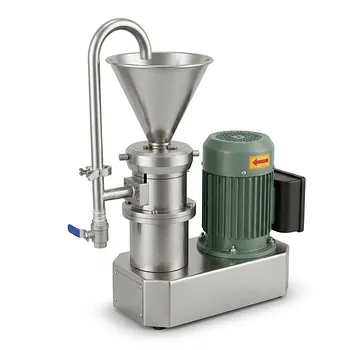
Small Laboratory Colloid Mill for Ultra-Fine Wet Grinding and Emulsification
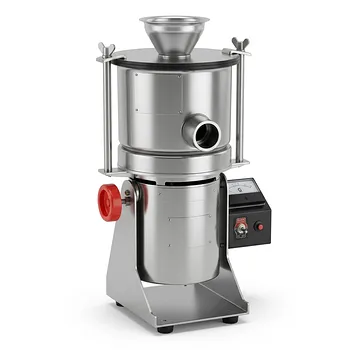
Laboratory Ultrafine Impact and Airflow Grinder for Precise Particle Size Control
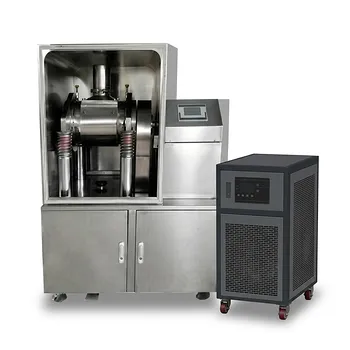
Ultra-low Temperature Vibratory Mill Ultrafine Grinder
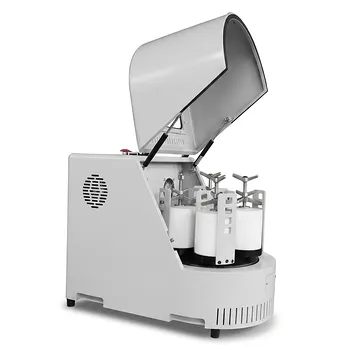
Vertical Semi Circular Planetary Ball Mill for Laboratory Precision Grinding
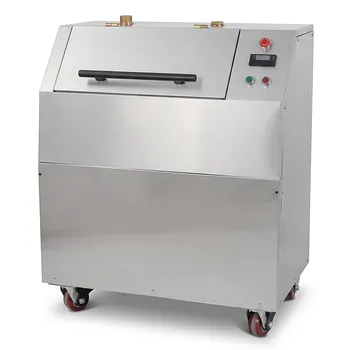
Vibratory Disc Mill for Rapid Fine Grinding and High Throughput Sample Preparation of Hard and Brittle Materials
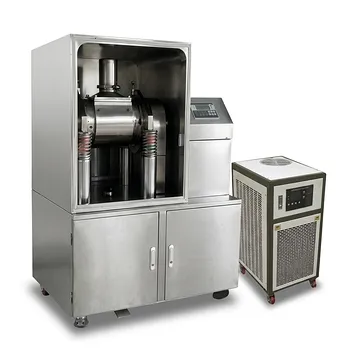
Small Vibrating Ultrafine Grinder for Traditional Chinese Medicine
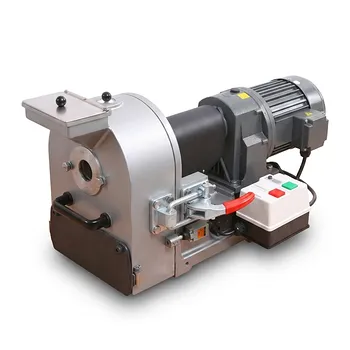
Laboratory Disc Mill for Fine Sample Preparation of Hard and Brittle Materials
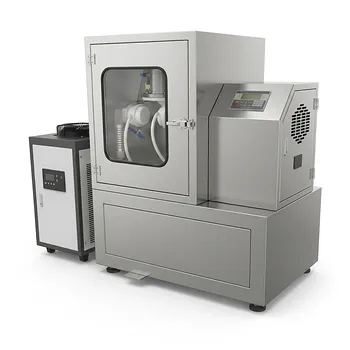
Vibratory Ultra-Low Temperature Ultrafine Grinder for Cryogenic Powder Processing
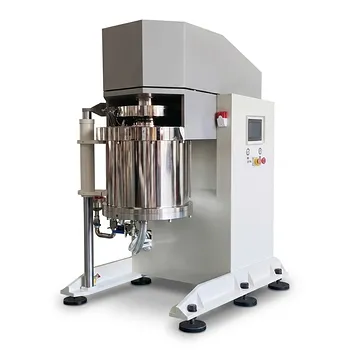
Vertical Nano Bead Mill for Ceramic Materials with Permanent Magnet Motor and High Efficiency Grinding
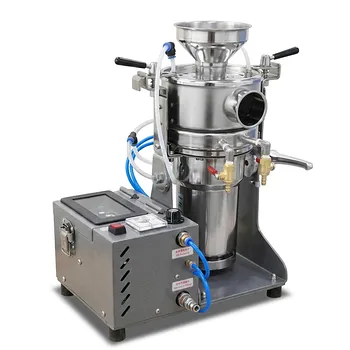
Water Cooled Pulse Jet Ultrafine Grinder
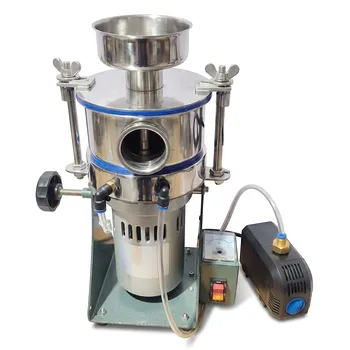
Water Cooled Airflow Ultra Fine Grinder for Low Temperature Material Processing
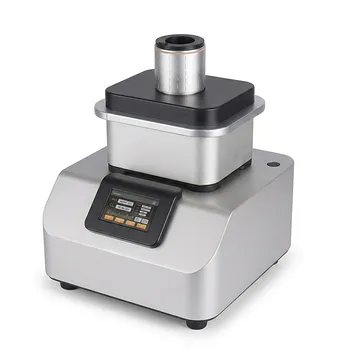
Ultra Centrifugal Mill High Speed Laboratory Grinder for Fibrous and Brittle Sample Preparation
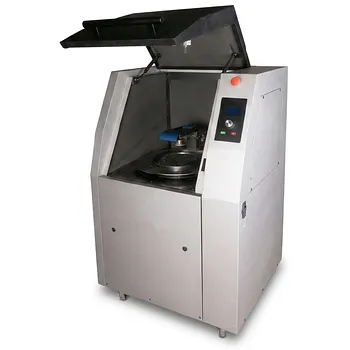
High Speed Vibratory Disc Mill for Spectral Analysis Sample Preparation and Rapid Powder Grinding
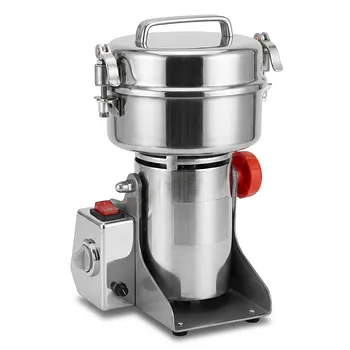
High Speed Laboratory Powder Grinder Small Batch Sample Preparation Mill
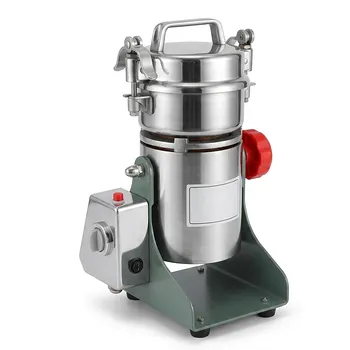
High Speed Swing Type Laboratory Pulverizer for Fine Powder Grinding and Sample Preparation