What are the requirements for fillers in high-energy mixing for CMCs? Optimize Particle Size for Slurry Impregnation
Updated 3 months ago
Optimal slurry impregnation for Ceramic Matrix Composites (CMCs) depends on the precise control of filler characteristics during high-energy mixing. To ensure maximum matrix density and fiber penetration, fillers—most commonly silicon carbide (SiC), alumina (Al2O3), or zirconia (ZrO2)—must maintain specific particle sizes, typically around 6 micrometers or sub-micron distributions. These requirements allow the slurry to infiltrate the tight spaces between fiber filaments, reducing porosity and enhancing the structural integrity of the final composite.
High-energy mixing for CMCs demands fillers with tightly controlled particle size distributions and high rheological stability. This combination ensures the slurry can penetrate deep into fiber bundles without clogging the preform surface, resulting in a dense, uniform matrix that protects the reinforcing fibers during subsequent thermal processing.
Dimensional and Structural Requirements
Precision Particle Sizing
Fillers must be sized specifically to navigate the architecture of the fiber preform. Primary data indicates that 6-micrometer and sub-micron silicon carbide powders are necessary to ensure the slurry fully penetrates the pores of carbon fiber fabrics.
Bimodal Particle Size Distribution
Utilizing a bimodal distribution—a mix of two distinct particle sizes—is often required for high-performance matrices like alumina and zirconia. This allows smaller particles to fill the interstices between larger ones, increasing the packing density and allowing the matrix to form at lower temperatures.
Refinement and De-agglomeration
High-energy mixing equipment, such as ball mills, uses shear forces to break down powder agglomerates. This refinement increases the surface reactivity of the raw materials, ensuring a high degree of compositional uniformity in the green body before molding.
Dispersion and Stability Requirements
Rheological Stability and Solid Content
The Slurry Impregnation Process (SIP) requires fillers that can maintain high solid content while remaining flowable. High-speed mixing ensures that these fine ceramic powders stay suspended in the solvent, achieving the rheological stability needed to prevent particle sedimentation during the infiltration stage.
Prevention of Surface Clogging
If fillers are not uniformly dispersed, they tend to aggregate and clog the surface of the fiber preform. Effective dispersion ensures that particles travel deep into the fiber bundles rather than acting as a filter cake on the exterior, which would leave the interior of the composite starved of matrix material.
Molecular-Level Uniformity
In complex systems containing multiple minerals like clay, quartz, or salt components, fillers must achieve molecular-level distribution. This homogeneity prevents composition segregation, which is critical for maintaining consistent thermophysical properties across the entire ceramic skeleton.
Understanding the Trade-offs
Reactivity vs. Viscosity
Increasing the fineness of a filler improves its surface reactivity and sintering behavior, but it also significantly increases the slurry viscosity. A slurry that is too viscous will fail to penetrate the smallest gaps in the fiber architecture, leading to internal voids despite a high degree of dispersion.
High-Energy Damage
While high-energy mixing is essential for de-agglomeration, excessive shear or impact can lead to media contamination or unintended particle morphology changes. Over-processing may also generate heat that destabilizes the polymer precursors or solvents used in the slurry.
Sintering Temperature and Fiber Integrity
A primary goal of using specific filler distributions is to lower the sintering temperature. If the filler requirements are not met, higher temperatures may be required to densify the matrix, which risks the thermal degradation of the reinforcing fibers, ultimately weakening the composite.
How to Optimize Filler Selection for Your Goal
Implementation Strategies
To achieve the best results with high-energy powder mixing, align your filler specifications with your specific performance targets:
- If your primary focus is maximum matrix density: Prioritize sub-micron particles and bimodal distributions to optimize particle packing and minimize final porosity.
- If your primary focus is protecting sensitive fibers: Select fillers that increase surface reactivity to allow for lower sintering temperatures, preventing high-temperature fiber degradation.
- If your primary focus is large-scale complex shapes: Ensure the filler is treated for high rheological stability to prevent sedimentation and clogging during long impregnation cycles.
The synergy between filler geometry and mixing energy is the fundamental driver of reliable, high-performance Ceramic Matrix Composites.
Summary Table:
| Requirement | Key Specification | Benefit for CMCs |
|---|---|---|
| Particle Size | 6μm or sub-micron | Ensures penetration into tight fiber filaments |
| Distribution | Bimodal distribution | Increases packing density; lowers sintering temp |
| Dispersion | High Rheological Stability | Prevents surface clogging and particle sedimentation |
| Uniformity | Molecular-level distribution | Prevents composition segregation and voids |
| State | De-agglomerated | Enhances surface reactivity and matrix homogeneity |
Elevate Your CMC Research with Precision Equipment
Achieving the perfect slurry for Ceramic Matrix Composites requires more than just the right fillers—it demands high-performance processing. At [Brand Name], we provide complete laboratory sample preparation solutions tailored for material science.
Our specialized range includes:
- High-Energy Milling: Planetary ball mills, jet mills, and disc mills for superior de-agglomeration and sub-micron particle sizing.
- Advanced Mixing: Powder and defoaming mixers to ensure high rheological stability and molecular-level uniformity.
- Precision Compaction: A full spectrum of hydraulic presses, including Cold/Warm Isostatic Presses (CIP/WIP), hot presses, and vacuum hot presses for high-density green bodies.
Ready to eliminate internal voids and enhance your composite’s structural integrity? Contact our experts today to find the ideal equipment for your laboratory's needs.
References
- Eric Eckstein, Paul M. Weaver. Thermally-Driven Morphing with High Temperature Composites. DOI: 10.2514/6.2016-1241
Mentioned Products
- High Energy Laboratory Planetary Ball Mill for Nano Grinding and Colloidal Mixing of Hard and Brittle Materials
- High Efficiency Vacuum Planetary Centrifugal Mixer and Defoaming Machine for Industrial Material Research and Precise Laboratory Powder Dispersion
- Multi Dimensional Universal Mixer for High Uniformity Powder Blending
- Vertical Production Planetary Ball Mill for High Throughput Powder Processing
- Small High-Speed Laboratory Grinder for Powder Processing
People Also Ask
- What role does a high-energy planetary ball mill play in processing quenched bioactive glass? Achieve Nano-Scale Precision
- What role does a high-energy planetary ball mill play in magnesium-based hydrogen storage alloy preparation?
- What is the primary function of a high-energy planetary ball mill in Ni2MnSn synthesis? Optimize Solid-State Alloying.
- What role does a planetary ball mill play in nano-mineral filler prep? Achieve Sub-100nm Precision & Performance
- What is the role of a high-energy planetary ball mill in Li2ZrO3 and LBS prep? Achieve Superior Electrolyte Density

Tech Team · PowderPreparation
Last updated on Jun 03, 2026
Related Products
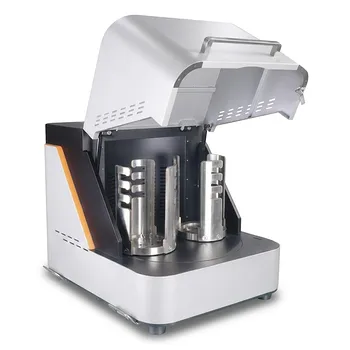
High Energy Laboratory Planetary Ball Mill for Nano Grinding and Colloidal Mixing of Hard and Brittle Materials
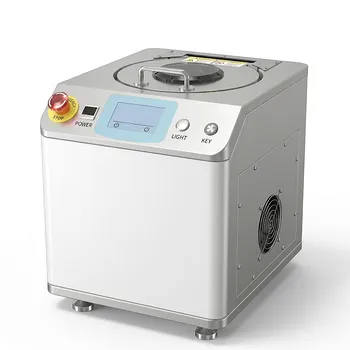
High Efficiency Vacuum Planetary Centrifugal Mixer and Defoaming Machine for Industrial Material Research and Precise Laboratory Powder Dispersion
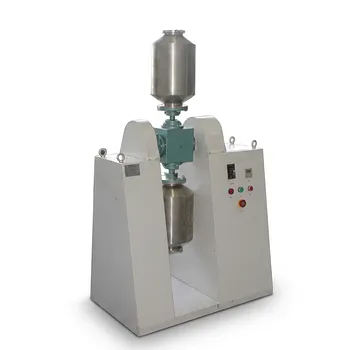
Multi Dimensional Universal Mixer for High Uniformity Powder Blending

Vertical Production Planetary Ball Mill for High Throughput Powder Processing
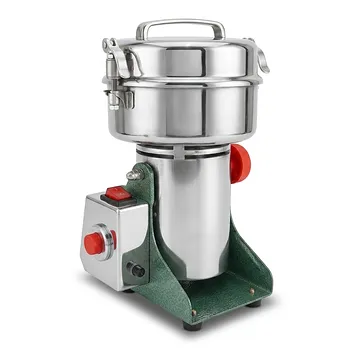
Small High-Speed Laboratory Grinder for Powder Processing

High Energy Omnidirectional Planetary Ball Mill 16L

High Energy Planetary Ball Mill for Nano Scale Grinding and Mechanical Alloying
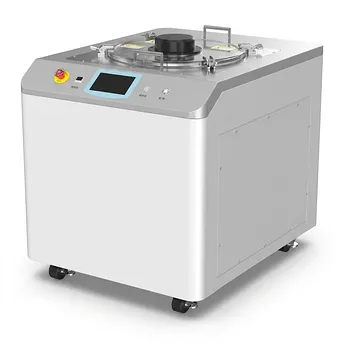
Industrial Planetary Centrifugal Vacuum Defoaming Mixer for High Viscosity Paste and Powder Homogenization
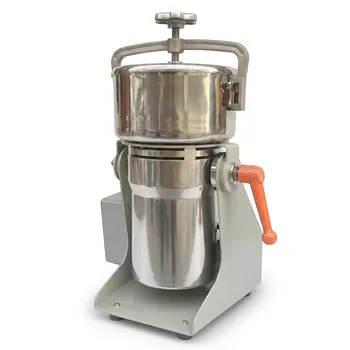
High Speed Laboratory Grinder Efficient Stainless Steel Powder Pulverizer Universal Material Science Mill for Sample Preparation
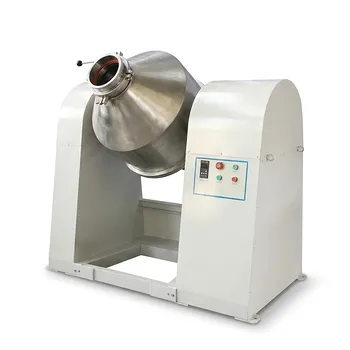
Industrial Double Cone Mixer for Powder Blending and Homogeneous Mixing
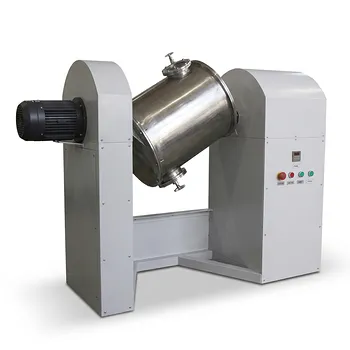
Inclined Mixer for Homogeneous Powder Blending and Grinding
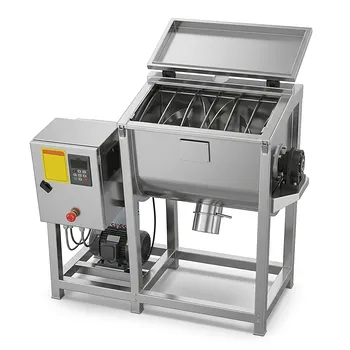
Horizontal Ribbon Mixer for Uniform Powder and Slurry Mixing
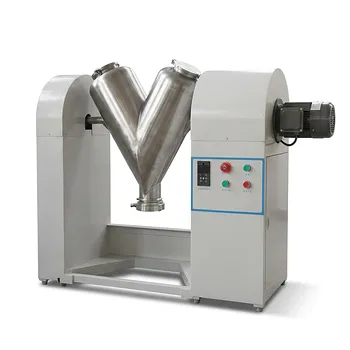
V-Type Powder Mixer for Uniform Blending of Dry Powders and Granules
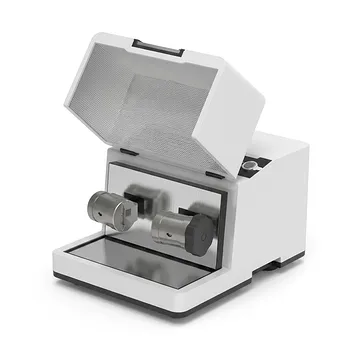
Heating Temperature Controlled High Energy Vibratory Ball Mill
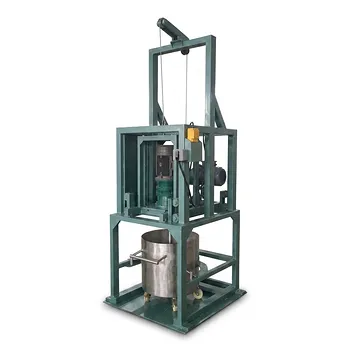
High-Speed Simple Disperser for Efficient Mixing, Dispersion, and Emulsification
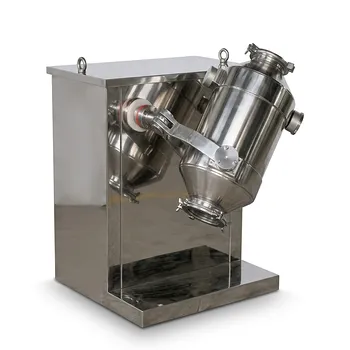
Three-Dimensional Motion Mixer for Laboratory Powder and Granule Blending
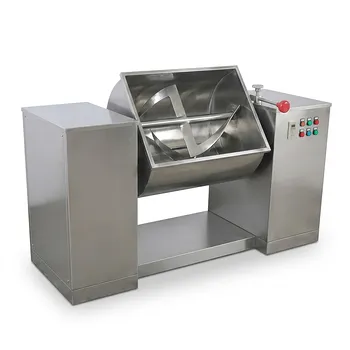
Horizontal Trough Mixer for Uniform Powder and Paste Blending
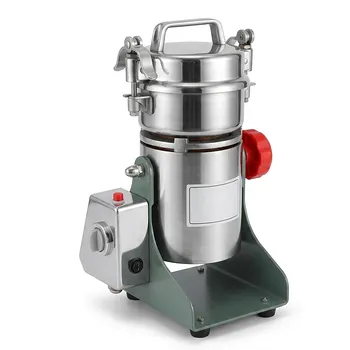
High Speed Swing Type Laboratory Pulverizer for Fine Powder Grinding and Sample Preparation
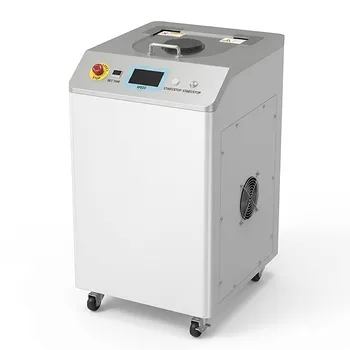
High Viscosity Planetary Centrifugal Vacuum Mixer for Material Defoaming and Uniform Mixing