What are the primary roles of industrial crushers and sieves in coconut cake processing? Optimize Fiber Production
Updated 4 months ago
Industrial crushers and sieving equipment serve as the essential mechanical foundation for coconut cake dietary fiber production. Their primary role is to convert dried coarse cake into a fine, uniform powder and grade it through a 40-mesh standard sieve. This preparation ensures physical consistency and significantly increases the material's surface area, which is vital for the efficiency of subsequent de-oiling, enzymatic hydrolysis, and acid treatment stages.
The mechanical processing of coconut cake is a strategic prerequisite that transforms bulk biomass into a highly reactive substrate. By controlling particle size and uniformity, manufacturers ensure that subsequent chemical and biological reactions occur consistently throughout the entire batch.
Optimizing Physical Foundations for Chemical Reactivity
Increasing Specific Surface Area
The transition from a coarse cake to a fine powder drastically increases the specific surface area of the coconut material. This mechanical reduction allows for greater exposure of the fiber's internal structure to external agents.
A higher surface area is critical because it facilitates better contact between the biomass and the reagents used in later stages. Without this step, the efficiency of enzymatic and acid treatments would be significantly compromised.
Facilitating Uniform Reagent Penetration
In the dietary fiber extraction process, materials must undergo de-oiling and hydrolysis. Industrial crushing ensures that these chemical reagents can penetrate the material evenly rather than just treating the surface of large clumps.
Uniform penetration prevents a common processing error where the exterior of a particle is over-processed while the interior remains unreacted. This lead to a more homogenous final product with consistent dietary fiber content.
Precision Grading and Particle Size Control
The Role of the 40-Mesh Standard Sieve
Sieving acts as the quality control gatekeeper after the initial crushing phase. By utilizing a 40-mesh standard sieve, producers ensure that every particle entering the next phase of production falls within a specific size range.
This grading process eliminates oversized particles that would otherwise resist enzymatic breakdown. It also ensures that the physical "flow" of the material through the production line remains predictable and efficient.
Achieving Homogeneity for Downstream Processes
Homogeneity is the primary goal of the sieving stage. A uniform particle distribution is fundamental for reducing defects in the final fiber texture and ensuring that the physical foundation for the final product is stable.
When particles are of a similar size, they react at the same rate. This synchronization is necessary to optimize the timing of the enzymatic hydrolysis and acid treatment cycles, maximizing factory throughput.
Understanding the Trade-offs
Mechanical Force vs. Material Integrity
While aggressive crushing increases surface area, excessive mechanical force can generate heat. This heat may potentially damage the delicate structures of the dietary fiber or lead to the degradation of heat-sensitive components within the coconut cake.
Finding the balance between the "fineness" of the powder and the "energy consumption" of the machinery is a constant challenge. Finer grinding requires more time and power, which can increase production costs without always providing a linear increase in reaction efficiency.
Sieve Blinding and Maintenance
Using fine sieves like the 40-mesh standard can lead to "blinding," where particles clog the mesh openings. This reduces grading efficiency and requires regular maintenance or specialized equipment (such as vibratory or ultrasonic sieves) to maintain continuous production.
How to Apply This to Your Process
Recommendations Based on Production Goals
- If your primary focus is maximizing reaction speed: Prioritize industrial crushers that can achieve high-finesse grinding to maximize surface area for enzymatic contact.
- If your primary focus is product consistency and quality: Invest in high-precision sieving equipment to ensure a tight particle size distribution, which prevents uneven chemical treatment.
- If your primary focus is operational cost-efficiency: Calibrate your crushing equipment to reach the 40-mesh threshold without over-grinding, as excessive refinement offers diminishing returns on reaction efficiency.
Effective mechanical preparation is the single most important factor in ensuring the success of the complex chemical and enzymatic stages that follow in dietary fiber production.
Summary Table:
| Processing Stage | Equipment Involved | Key Function | Impact on Fiber Extraction |
|---|---|---|---|
| Size Reduction | Industrial Crushers (Jaw/Roll) | Converts coarse cake to fine powder | Increases surface area for enzymatic/acid reactivity |
| Grading | 40-Mesh Standard Sieve | Ensures uniform particle size | Facilitates even reagent penetration and prevents defects |
| Quality Control | Sieve Shakers | Eliminates oversized particles | Optimizes downstream throughput and reaction synchronization |
| Refinement | Planetary Ball/Jet Mills | Achieving ultra-fine consistency | Maximizes exposure of internal fiber structures |
Elevate Your Material Processing with Precision Equipment
At our core, we provide complete laboratory sample preparation solutions tailored for material science and advanced food processing. Whether you are optimizing coconut cake dietary fiber or developing new biomass applications, our specialized equipment ensures consistency and efficiency at every stage.
Our extensive product lines include:
- Size Reduction: High-performance crushers (jaw/roll), liquid nitrogen cryogenic grinders, and specialized mills (planetary ball, jet, sand/bead, disc, rotor).
- Precision Sieving: Vibratory and air-jet sieve shakers with a full range of test sieves and meshes for accurate particle size distribution.
- Powder Handling: Advanced powder mixers and defoaming mixers for perfectly homogeneous batches.
- Compaction & Pressing: A full spectrum of hydraulic presses, including Cold/Warm Isostatic Presses (CIP/WIP), XRF pellet presses, and vacuum hot presses.
Ready to optimize your production workflow? Contact our experts today to find the perfect equipment solution for your lab or factory needs!
References
- Yajun Zheng, Fuge Niu. Adsorption activity of coconut (<i>Cocos nucifera</i> L.) cake dietary fibers: effect of acidic treatment, cellulase hydrolysis, particle size and pH. DOI: 10.1039/c7ra13332d
Mentioned Products
- Versatile Industrial Crusher for Laboratory Crushing and Material Processing
- Heavy Duty Industrial Jaw Crusher for Primary Ore Crushing and High Capacity Mineral Material Size Reduction
- Heavy-Duty Crusher for Laboratory and Industrial Material Size Reduction
- Heavy Duty Industrial Laboratory Jaw Crusher for Primary Sample Preparation and Hard Material Size Reduction
- Stainless Steel Coarse Crusher for Pharmaceutical Food and Plastic Material Processing
People Also Ask
- What is the purpose of using industrial crushers and vibratory sieve shakers in the pretreatment of coal gangue? Ensure Uniformity
- What is the role of industrial crushers and standard test sieves in biomass pyrolysis? Optimize Heat Transfer & Yield
- What is the function of industrial crushers in the initial preparation of silicate minerals? Enhance Sample Uniformity
- What is the function of an industrial crusher in CRSS filler preparation? Essential Size Reduction for Carbonization
- How do crushers and mills work together in gypsum recycling? Transform drywall waste into reactive ceramic materials.

Tech Team · PowderPreparation
Last updated on Jun 03, 2026
Related Products
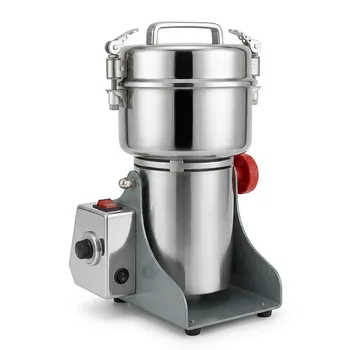
Versatile Industrial Crusher for Laboratory Crushing and Material Processing
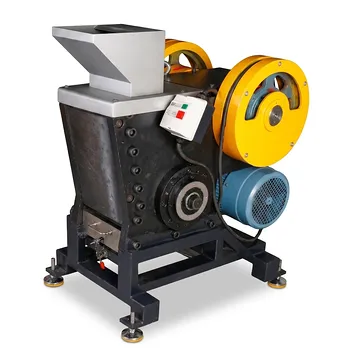
Heavy Duty Industrial Jaw Crusher for Primary Ore Crushing and High Capacity Mineral Material Size Reduction
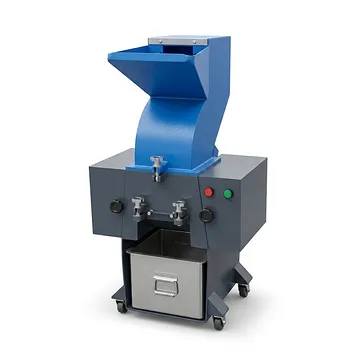
Heavy-Duty Crusher for Laboratory and Industrial Material Size Reduction
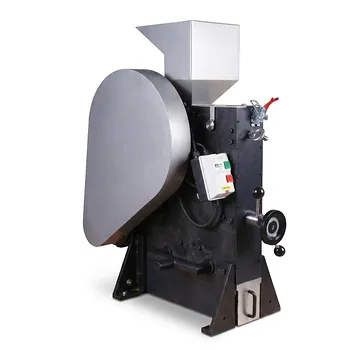
Heavy Duty Industrial Laboratory Jaw Crusher for Primary Sample Preparation and Hard Material Size Reduction
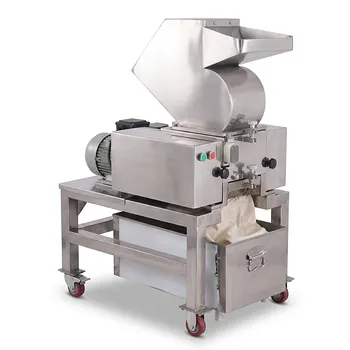
Stainless Steel Coarse Crusher for Pharmaceutical Food and Plastic Material Processing
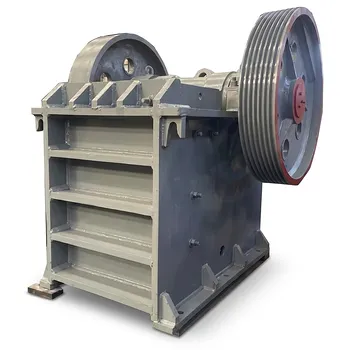
Heavy-Duty Jaw Crusher for Medium-Hard Ore and Industrial Mineral Crushing
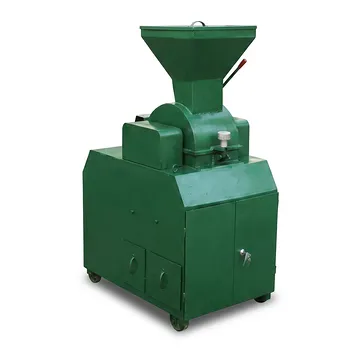
Industrial Sealed Hammer Knife Crusher for Mining Ore and Coal Sample Preparation
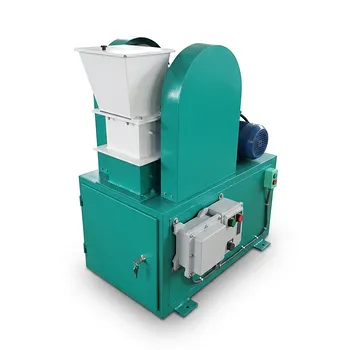
Custom Explosion-Proof Sealed Jaw Crusher for Laboratory and Industrial Sample Preparation
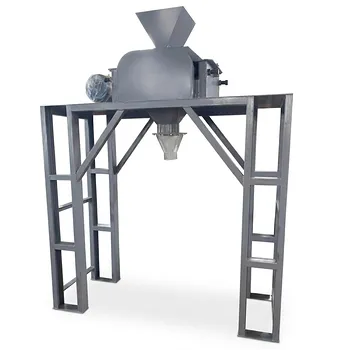
Heightened Customized Laboratory Double Roll Crusher for Coal Ore Rock Crushing
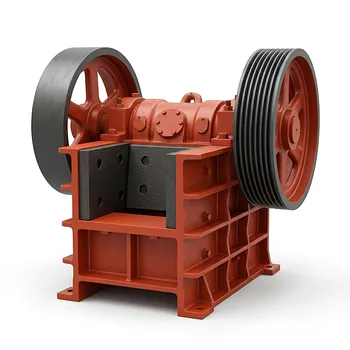
250x400 Jaw Crusher for Primary Crushing of Ores and Bulk Materials
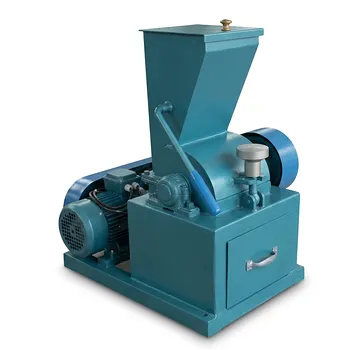
Small Hammer Crusher for Brittle Material Crushing in Mining Metallurgy and Lab Sample Preparation
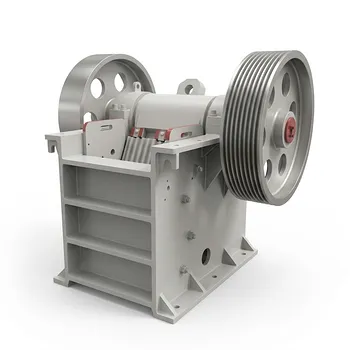
Jaw Crusher with 400x600mm Feed Opening for Primary Rock Crushing in Mining and Construction
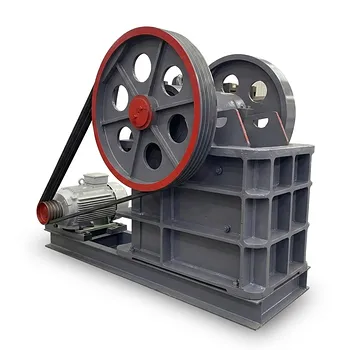
250x400mm Jaw Crusher Medium Crushing Equipment for Mining Mineral Sample Preparation
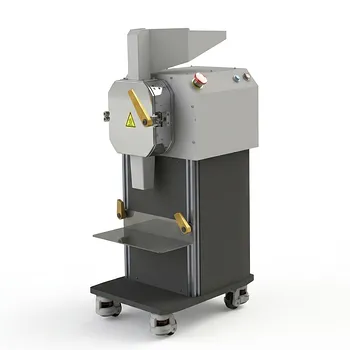
Small Laboratory Knife Crusher for Plastic Sample Preparation and Material Grinding
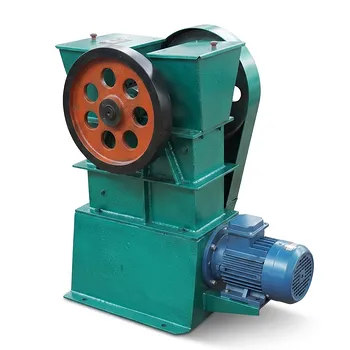
150×125mm Laboratory Jaw Crusher for Medium and Fine Crushing of Brittle Materials
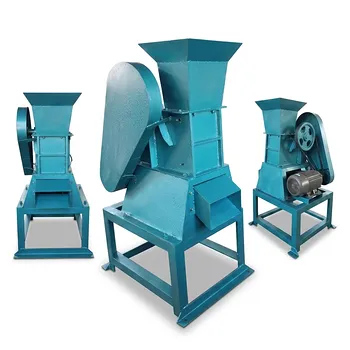
Custom Raised Height Laboratory Jaw Crusher for Precision Sample Preparation in Material Science

Stainless Steel Rotary Vibrating Sieve High Precision Circular Vibratory Separator Industrial Powder Grading Machine Multi Layer Sifting Equipment
Laboratory Sealed Hammer Crusher for Coal and Mineral Sample Preparation
Sealed Laboratory Double Roll Crusher for Coal, Mineral, Ore Sample Preparation
