What are the primary functions of a planetary ball mill in the synthesis of Mg2FeH6 through mechanical alloying?
Updated 4 months ago
The primary functions of a planetary ball mill in Mg2FeH6 synthesis are to provide high-energy mechanical impact for particle size reduction and to act as a mechanochemical reactor for solid-gas reactions. By utilizing the synchronized rotation and revolution of milling jars, the equipment transfers intense kinetic energy to grinding balls, which facilitates the nanocrystallization of magnesium and iron powders. This process enables the direct formation of complex hydrides by overcoming the immiscibility of the metals and promoting atomic-level diffusion under a controlled hydrogen atmosphere.
A planetary ball mill functions as more than a grinder; it is a high-energy chemical reactor that converts mechanical energy into the chemical potential required for solid-state alloying and hydrogenation. This process allows for the synthesis of Mg2FeH6 at room temperature, bypassing the thermodynamic barriers of traditional high-temperature sintering.
Mechanical Energy Transfer and Particle Refinement
High-Frequency Kinetic Impact and Shearing
The planetary motion of the mill generates intense centrifugal forces that cause the grinding balls to collide with the raw powders and jar walls at high speeds. These impact and shearing forces are the primary drivers for breaking down the metallic lattice structures of magnesium (Mg) and iron (Fe).
Micro-Nano Scale Particle Reduction
The continuous cycle of impact and friction reduces the raw materials to the micro-nano scale. This extreme refinement significantly increases the reactive surface area, which is a prerequisite for the rapid absorption of hydrogen.
Nanocrystallization and Grain Refinement
Extended milling leads to nanocrystallization, often reducing grain sizes to a range of 12–14 nm. Smaller grain sizes provide a higher density of grain boundaries, which act as high-speed pathways for the diffusion of hydrogen atoms.
Mechanochemical Activation and Diffusion
Continuous Exposure of Fresh Surfaces
As the milling balls fracture the metallic particles, they continuously expose fresh, unoxidized metal surfaces. These surfaces are highly reactive and allow hydrogen gas to interact directly with the metal atoms without having to penetrate an oxide layer.
Lattice Defects and Strain Energy
The intense mechanical action induces severe plastic deformation, creating numerous defects such as dislocations and vacancies within the crystal lattice. This stored strain energy increases the chemical activity of the powders, effectively lowering the activation energy required for the formation of Mg2FeH6.
Atomic-Level Mixing and Diffusion
Because magnesium and iron are immiscible, they do not naturally alloy; the planetary ball mill forces atomic-level mixing through repeated cold-welding and fracturing. This "mechanical alloying" enables solid-state diffusion, allowing the components to react at temperatures far below their melting points.
Environmental Control and Reactive Milling
High-Pressure Hydrogen Containment
A critical function of specialized planetary mills is the ability to maintain a high-pressure hydrogen atmosphere within the jars during the milling process. This enables "Reactive Ball Milling" (RBM), where the chemical reaction between the metal powders and the gas occurs simultaneously with the mechanical breakdown.
Overcoming Thermodynamic Constraints
By using mechanical energy to drive the reaction, the mill avoids the need for high-temperature sintering. This is vital for magnesium-based compounds, as magnesium has a high vapor pressure and a tendency to oxidize or evaporate at the temperatures traditionally required for complex hydride synthesis.
Understanding the Trade-offs and Limitations
Material Contamination
The high-energy nature of the process often leads to wear and tear of the grinding media and jar walls. Small amounts of chromium, iron, or carbon from the stainless steel milling tools can leach into the Mg2FeH6, potentially altering its hydrogen storage properties or purity.
Thermal Management Challenges
Significant heat is generated during high-speed collisions, which can lead to the thermal decomposition of the newly formed Mg2FeH6 if not managed. While some heat aids diffusion, excessive temperatures may reverse the hydrogenation process or cause unwanted grain growth.
Processing Time and Scalability
Achieving the necessary atomic diffusion and phase transformation often requires extended milling durations, sometimes lasting dozens of hours. This high energy consumption and the batch-processing nature of planetary mills present challenges for large-scale industrial production.
How to Apply This to Your Synthesis Project
Strategic Recommendations
- If your primary focus is maximizing hydride yield: Utilize high-pressure reactive ball milling (RBM) with a hydrogen overpressure to drive the solid-gas reaction to completion during the milling cycle.
- If your primary focus is improving desorption kinetics: Optimize milling time to reach the smallest possible nanocrystalline grain size (10–15 nm), as this increases the number of diffusion channels for hydrogen release.
- If your primary focus is material purity: Select grinding jars and balls made of tungsten carbide or other hardened materials to minimize contamination from the milling media during high-energy impacts.
By mastering the mechanical and chemical functions of the planetary ball mill, researchers can precisely engineer the microstructures necessary for advanced hydrogen storage materials.
Summary Table:
| Key Function | Mechanism | Impact on Mg2FeH6 Synthesis |
|---|---|---|
| Particle Refinement | High-speed impact & shearing | Reduces grain size to 12-14nm; increases reactive surface area. |
| Surface Activation | Continuous particle fracturing | Exposes fresh, unoxidized metal surfaces for direct H2 interaction. |
| Atomic Diffusion | Cold-welding & fracturing | Forces mixing of immiscible Mg and Fe at the atomic level. |
| Reactive Milling | High-pressure H2 containment | Drives solid-gas chemical reactions without high-temp sintering. |
Elevate Your Material Synthesis with Professional Laboratory Solutions
Achieving the precise nanocrystallization and atomic-level mixing required for advanced hydrides like Mg2FeH6 demands high-performance equipment. At our facility, we provide complete laboratory sample preparation solutions tailored for material science, specializing in high-energy powder processing and precision compaction.
Our extensive product range supports every stage of your research:
- Advanced Milling: Planetary ball mills, jet mills, and liquid nitrogen cryogenic grinders for extreme grain refinement.
- Material Compaction: A full spectrum of hydraulic presses, including Cold/Warm Isostatic Presses (CIP/WIP), vacuum hot presses, and XRF pellet presses.
- Sizing & Mixing: Jaw crushers, vibratory sieve shakers, and high-efficiency defoaming mixers.
Ready to optimize your synthesis process? Contact our technical team today to discuss how our specialized equipment can enhance your lab's efficiency and material purity.
References
- Alexandre Augusto Cesário Asselli, Jacques Huot. Investigation of Effect of Milling Atmosphere and Starting Composition on Mg2FeH6 Formation. DOI: 10.3390/met4030388
Mentioned Products
- 8L Planetary Ball Mill for Laboratory Grinding and Sample Preparation
- Vertical Square Planetary Ball Mill for Laboratory Sample Preparation and Nanoscale Grinding
- 360° Rotating Omnidirectional Laboratory Planetary Ball Mill for Homogeneous Ultra-Fine Grinding and Mixing
- Planetary Ball Mill 12L
- Horizontal Light Duty Planetary Ball Mill for Laboratory Sample Preparation
People Also Ask
- How does mechanized planetary ball milling compare to manual agate grinding? Optimize sulfide standard material precision.
- What role does a planetary ball mill play in the synthesis of Er-doped PMN-PT ceramics? Enhancing Homogeneity & Purity
- What is the role of a planetary ball mill in the synthesis of biomass-based CaO catalysts? Maximize Surface Activity
- What is the core role of a planetary ball mill in the preparation of modified cellulose fillers? Key Insights
- How does a planetary ball mill contribute to processing waste eggshells into biological fillers? Precision Refinement

Tech Team · PowderPreparation
Last updated on Jun 03, 2026
Related Products

8L Planetary Ball Mill for Laboratory Grinding and Sample Preparation
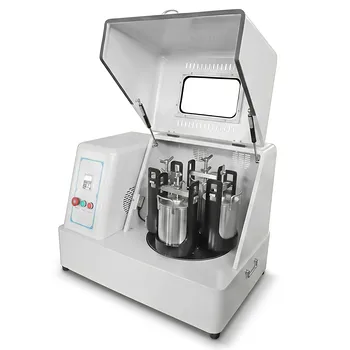
Vertical Square Planetary Ball Mill for Laboratory Sample Preparation and Nanoscale Grinding
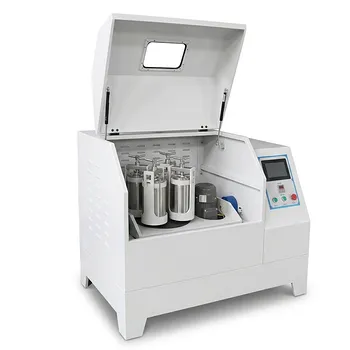
360° Rotating Omnidirectional Laboratory Planetary Ball Mill for Homogeneous Ultra-Fine Grinding and Mixing
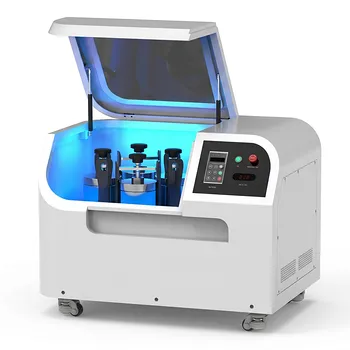
Planetary Ball Mill 12L
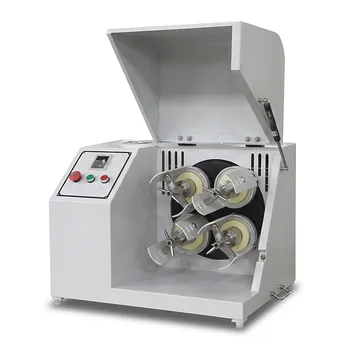
Horizontal Light Duty Planetary Ball Mill for Laboratory Sample Preparation

Miniature Planetary Ball Mill with Vacuum Grinding and High Efficiency for Laboratory Sample Preparation
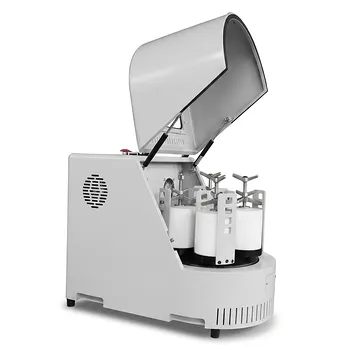
Vertical Semi Circular Planetary Ball Mill for Laboratory Precision Grinding
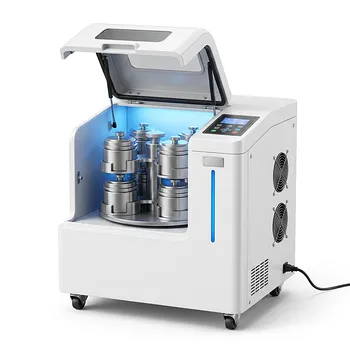
High Energy Omnidirectional Planetary Ball Mill 20L
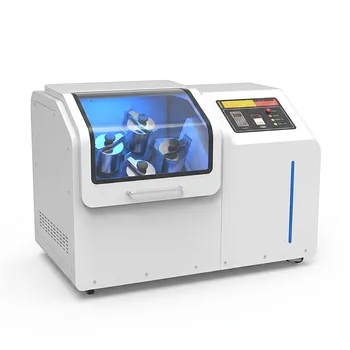
High Energy Omnidirectional Planetary Ball Mill 16L

High Energy Laboratory Planetary Ball Mill for Nano Grinding and Material Science Sample Preparation
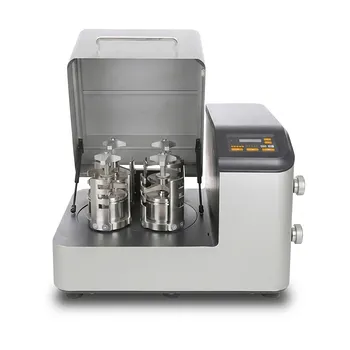
High Energy Planetary Ball Mill for Nano Scale Grinding and Colloidal Mixing in Material Science Research
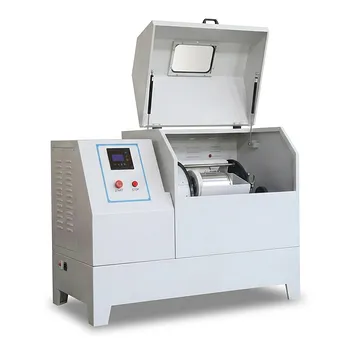
Heavy Duty Horizontal Planetary Ball Mill for Efficient Industrial Grinding and Sample Preparation
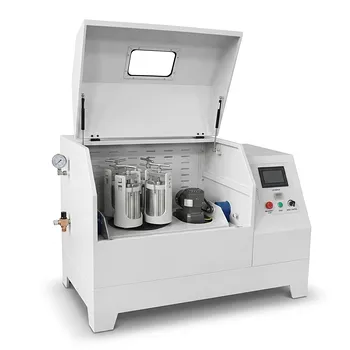
Vertical Production Planetary Ball Mill for High Throughput Powder Processing
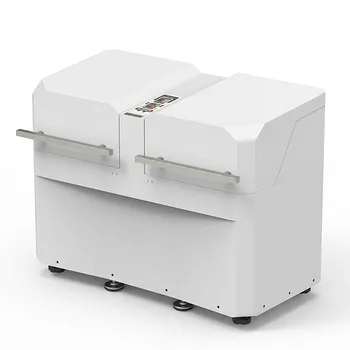
Dual Station Planetary Ball Mill 24L
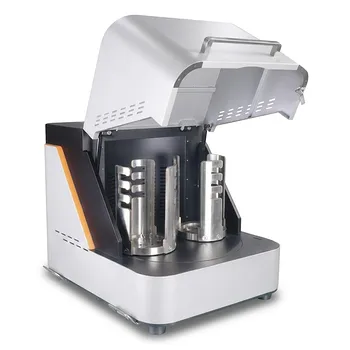
High Energy Laboratory Planetary Ball Mill for Nano Grinding and Colloidal Mixing of Hard and Brittle Materials

High Energy Planetary Ball Mill for Nano Scale Grinding and Mechanical Alloying
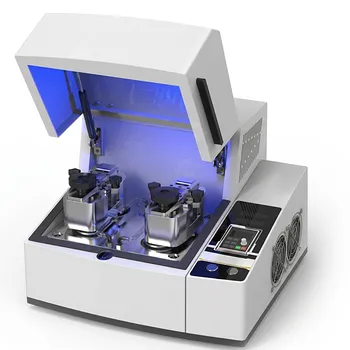
Laboratory Nano High Energy Ball Mill Ultrafine Grinding Mechanical Alloying

Multi-Platform Nanoscale High-Energy Vibratory Ball Mill
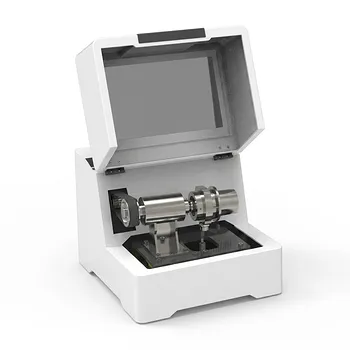
Single Tank High Energy Vibratory Ball Mill for Laboratory Grinding and Mixing