What are the equipment requirements for dispersing chemical pigments in ceramic glazes? Achieve Flawless Color Precision
Updated 4 months ago
Dispersing chemical pigments in ceramic glazes or bodies requires high-energy mixing equipment capable of achieving micron-level precision. To ensure consistent color and prevent surface defects, the machinery must generate sufficient shear force to uniformly distribute pigments within high-viscosity media. This precision is vital because the pigments must remain stable and evenly suspended throughout the high-temperature firing process.
Achieving high-quality ceramic finishes depends on reducing pigment particles to a micron level to ensure thermal stability and visual uniformity. Failure to reach this level of dispersion often leads to visible color spots, chromatic aberrations, and structural inconsistencies in the final product.
Critical Technical Requirements for Dispersion
Micron-Level Particle Reduction
To prevent color spotting, mixing equipment must be able to break down pigment agglomerates into individual micron-sized particles. This level of fineness ensures that the color is chemically and physically integrated into the glaze or body. Smaller particles provide a higher surface area, which leads to deeper and more vibrant color saturation after firing.
Management of High-Viscosity Media
Ceramic glazes and clay bodies are inherently dense and viscous, creating significant resistance during the mixing process. Standard stirrers often fail to move the material effectively, leading to "dead zones" where pigments remain clumped. High-torque, high-shear mixers are required to force the pigments into a homogenous state within these thick environments.
Maintenance of Thermal Stability
The equipment must facilitate a dispersion that respects the pigment's thermal limits. While pigments must be stable at high temperatures, the mixing process itself should not introduce excessive heat that might degrade the chemical structure of sensitive pigments. Proper dispersion ensures that the pigment is shielded within the media, allowing it to survive the kiln's peak temperatures.
Essential Equipment Features
High-Shear Agitation
High-shear mixers or "dissolvers" are the industry standard for dispersing pigments into liquid glazes. These machines use a high-speed blade to create intense turbulence and mechanical shear, which is necessary to tear apart pigment clusters. This process is the most efficient way to ensure that no "color seeds" or spots remain in the liquid.
Media Milling for Ultra-Fine Finishes
When absolute color precision is required, media mills (such as ball mills or bead mills) are employed. These machines use grinding media to mechanically crush pigments to a specific micron size through impact and attrition. This is particularly important for premium glazes where even the slightest chromatic aberration is unacceptable.
Wear-Resistant Components
Ceramic materials and pigments are often highly abrasive, which can lead to rapid equipment degradation. Professional-grade dispersion equipment must feature hardened steel or ceramic-lined contact parts to prevent metal contamination. If the mixing blade wears down into the glaze, it can cause graying or "dirtying" of the intended color.
Understanding the Trade-offs
Shear Force vs. Material Aeration
While high-shear mixing is necessary for dispersion, it often introduces air bubbles into the glaze or body. These bubbles can lead to pinholes or "pockmarks" on the ceramic surface if not properly managed through degassing or the use of chemical defoamers. Finding the balance between aggressive mixing and air entrapment is a constant challenge for technicians.
Processing Speed vs. Heat Generation
Faster mixing speeds lead to quicker dispersion but generate significant internal friction and heat. Excessive heat can alter the rheology of the glaze, making it too thin or causing certain chemical additives to break down prematurely. Cooling jackets or pulse-mixing techniques are often required to maintain a stable temperature during long dispersion cycles.
Implementing Your Dispersion Strategy
Choosing the Right Tool for Your Application
The choice of equipment depends entirely on your final production goals and the specific characteristics of your ceramic media.
- If your primary focus is liquid glaze preparation: Use a high-shear blade mixer to achieve rapid homogenization and prevent pigment settling in the tank.
- If your primary focus is bulk clay body coloration: Utilize high-torque sigma blade mixers or intensive pug mills to force pigments into the dense, plastic mass of the clay.
- If your primary focus is high-end artistic or technical ceramics: Employ a bead mill to ensure sub-micron dispersion and the highest possible level of color consistency.
By matching your equipment to the viscosity of your media and the required particle fineness, you ensure a defect-free finish that remains stable through the rigors of the kiln.
Summary Table:
| Equipment Type | Primary Application | Key Technical Benefit |
|---|---|---|
| High-Shear Mixers | Liquid glaze preparation | Breaks pigment clusters with intense turbulence |
| Media Mills (Bead/Ball) | Ultra-fine artistic finishes | Achieves sub-micron precision via mechanical impact |
| Sigma/Pug Mills | Bulk clay body coloration | Handles high-viscosity media with high-torque force |
| Wear-Resistant Parts | Contamination prevention | Hardened liners prevent graying of vibrant colors |
| Defoaming Mixers | Surface quality control | Removes air bubbles to prevent pinholes and pockmarks |
Elevate Your Ceramic Precision with Expert Sample Preparation
Achieving consistent, vibrant ceramic finishes requires more than just mixing; it demands precision-engineered equipment that can handle high viscosity and achieve sub-micron particle distribution. We provide complete laboratory sample preparation solutions for material science, specializing in high-performance powder processing and compaction equipment.
Our extensive product line is designed to help you eliminate color spots and structural defects:
- Advanced Milling: Planetary ball mills, jet mills, and sand/bead mills for ultra-fine pigment reduction.
- Mixing Excellence: High-torque powder mixers and specialized defoaming mixers to ensure air-free, homogenous glazes.
- Material Processing: Industrial-grade crushers (jaw/roll) and vibratory/air-jet sieve shakers for precise particle sizing.
- Compaction Solutions: A full spectrum of hydraulic presses, including Cold/Warm Isostatic Presses (CIP/WIP), standard lab presses, and vacuum hot presses.
Don't let pigment agglomerates compromise your product quality. Contact our technical team today to find the perfect equipment configuration for your ceramic laboratory or production line!
References
- Jitesh Singh. Socio economic development versus ceramic industry in western Uttar Pradesh. DOI: 10.33545/27068919.2021.v3.i4a.629
Mentioned Products
- High Shear Laboratory Emulsifier for Mixing and Homogenization
- High-Speed Simple Disperser for Efficient Mixing, Dispersion, and Emulsification
- 非介入式材料均质机真空脱泡行星搅拌高粘度混合设备
- Industrial Rotor Beater Mill for High Speed Impact and Shear Grinding in Laboratory Sample Preparation
- High Viscosity Planetary Centrifugal Vacuum Mixer for Material Defoaming and Uniform Mixing
People Also Ask
- Why is a high-shear laboratory mixer necessary for TiO2 cement paste? Achieve Perfect Nanoparticle Dispersion
- What is the function of a high-shear mixer in the preparation of CuCl2-doped graphene powder? Achieve Uniform Doping
- What role does high-shear mixing equipment play in the preparation of silicone inks? Optimize Dispersion and Rheology
- What is the function of additives like cellulose or wax in lab mixers? Enhance Pellet Integrity and Strength
- Why is a high-shear powder mixer utilized in the preparation of binary-mixed diatomaceous earth? Ensure Homogeneity

Tech Team · PowderPreparation
Last updated on Jun 03, 2026
Related Products
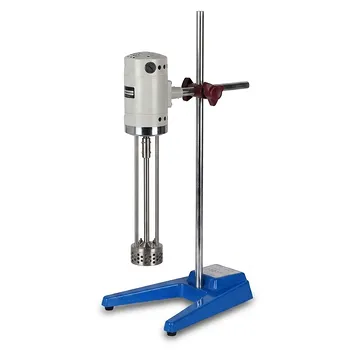
High Shear Laboratory Emulsifier for Mixing and Homogenization
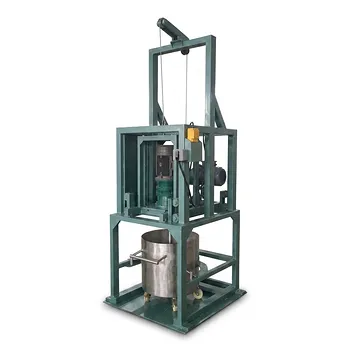
High-Speed Simple Disperser for Efficient Mixing, Dispersion, and Emulsification
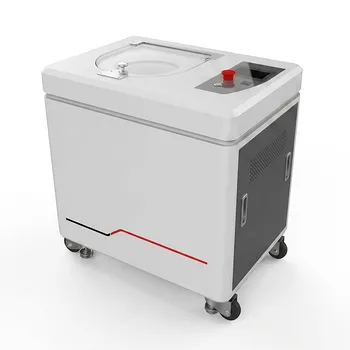
非介入式材料均质机真空脱泡行星搅拌高粘度混合设备
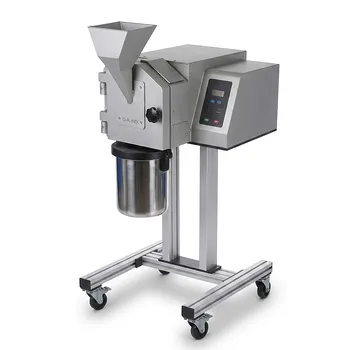
Industrial Rotor Beater Mill for High Speed Impact and Shear Grinding in Laboratory Sample Preparation
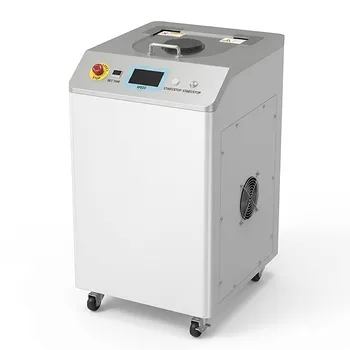
High Viscosity Planetary Centrifugal Vacuum Mixer for Material Defoaming and Uniform Mixing
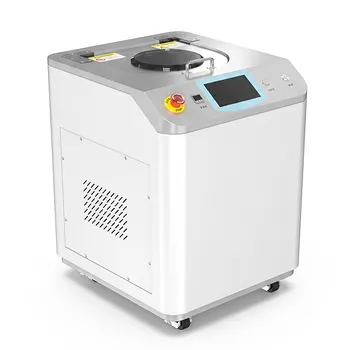
High Speed Vacuum Planetary Centrifugal Mixer and Defoamer for Industrial Paste Processing
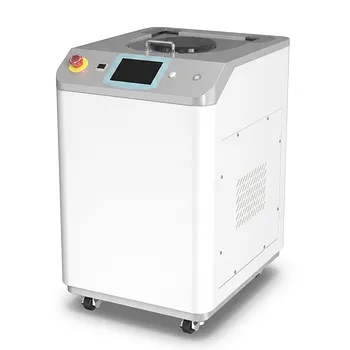
High Viscosity Planetary Centrifugal Mixing and Vacuum Defoaming Machine for Laboratory Material Preparation
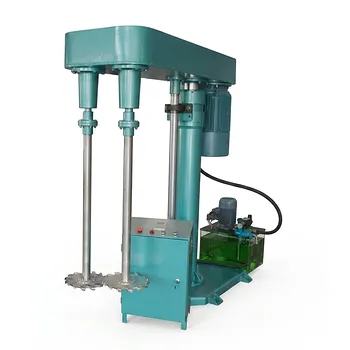
Hydraulic Double Shaft Disperser for High Viscosity Liquid Mixing and Dispersion
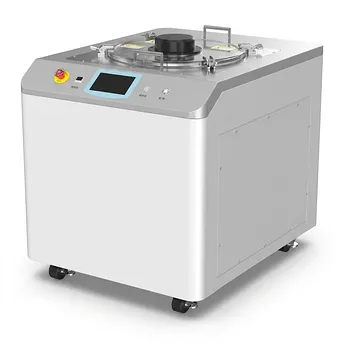
Industrial Planetary Centrifugal Vacuum Defoaming Mixer for High Viscosity Paste and Powder Homogenization
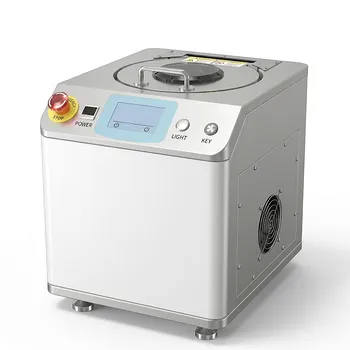
High Efficiency Vacuum Planetary Centrifugal Mixer and Defoaming Machine for Industrial Material Research and Precise Laboratory Powder Dispersion
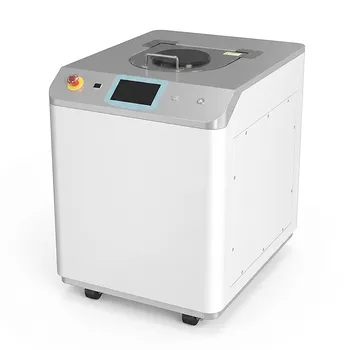
Industrial Planetary Centrifugal Vacuum Defoaming Mixer for High Viscosity Paste and Advanced Material Science
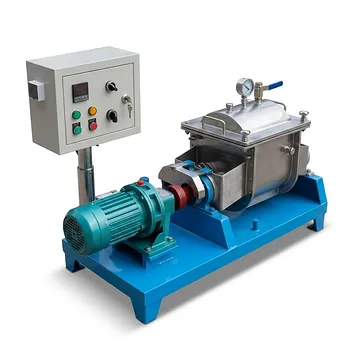
Industrial Vacuum Kneader for High-Viscosity Silicone, Rubber, and Compound Mixing
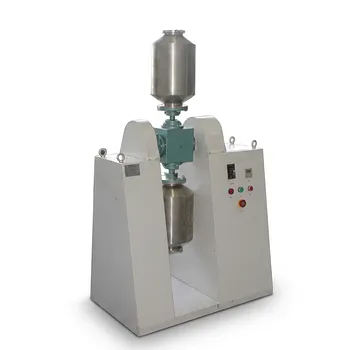
Multi Dimensional Universal Mixer for High Uniformity Powder Blending
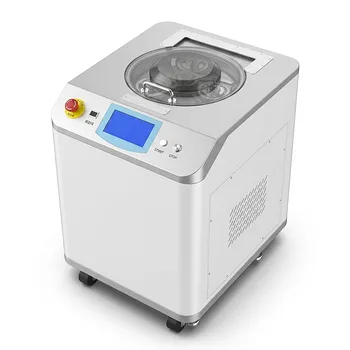
Dual Cup Vacuum Centrifugal Mixer Planetary Paste Defoaming Machine Industrial Material Processor
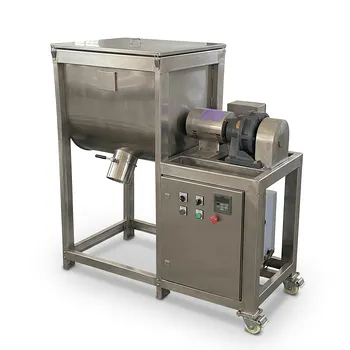
Horizontal Ribbon Mixer for Dry Powder and Slurry Blending
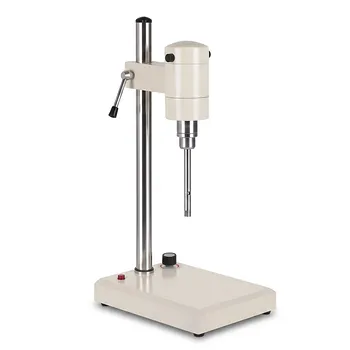
High Speed Dispersing Homogenizer for Laboratory Emulsification Dispersion and Cell Disruption
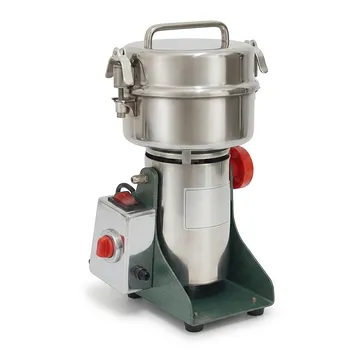
Small High Speed Grinder for Laboratory Sample Preparation
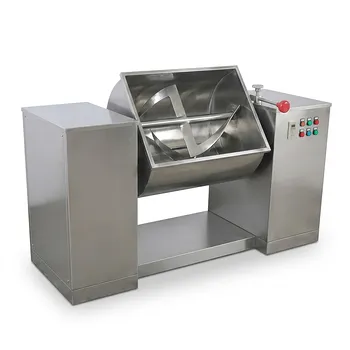
Horizontal Trough Mixer for Uniform Powder and Paste Blending
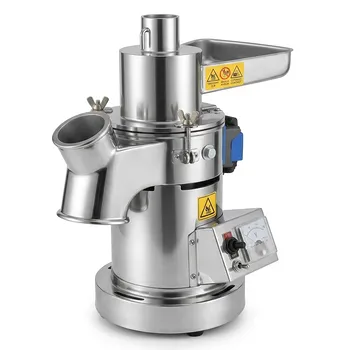
Continuous Feeding Grinder High Efficiency Pulverizer for Lab Sample Preparation