What are the benefits of using ethanol in wet ball milling of magnesium matrix composites? Enhance Yield and Purity
Updated 4 months ago
Ethanol serves as a multi-functional process control agent (PCA) that is essential for stabilizing the mechanical alloying process. By acting as both a coolant and a surfactant, ethanol prevents the oxidation of reactive magnesium powders while balancing the competing forces of cold welding and fracturing. This results in a higher powder yield, superior particle size distribution, and a more consistent microstructure in the final composite material.
In the production of magnesium matrix composites, ethanol functions as a critical regulator that minimizes thermal degradation and manages the surface energy of ductile particles to ensure efficient milling and high-quality powder output.
Thermal Regulation and Oxidation Control
Mitigating Localized Heat Generation
During high-energy ball milling, the impact between grinding media generates significant local temperatures. Ethanol acts as a grinding aid that absorbs and dissipates this heat, maintaining a more stable environment within the milling jar.
Preventing Powder Oxidation
Magnesium is highly reactive and prone to oxidation when exposed to elevated temperatures. By lowering the local temperature, the ethanol solution effectively inhibits the oxidation of magnesium alloy powders, preserving the chemical purity of the matrix.
Mechanical Behavior and Powder Morphology
Balancing Cold Welding and Fracturing
Magnesium is a ductile metal that tends to undergo excessive cold welding, where particles bond together rather than breaking down. Ethanol adsorbs onto the powder surfaces, regulating the balance between cold welding and fracturing to ensure the powder reaches the desired fineness.
Reducing Surface Energy and Agglomeration
Ethanol acts as a surfactant that reduces the surface tension and energy of the particles. This physical spacing effect prevents secondary agglomeration, allowing for the production of ultra-fine powders with a uniform particle size distribution.
Achieving Molecular-Level Dispersion
When preparing composites, achieving a uniform mix of reinforcements is difficult. The liquid medium facilitates ultra-fine dispersion and molecular-level mixing, ensuring that reinforcing elements (like titanium or oxides) are consistently distributed throughout the magnesium matrix.
Process Efficiency and Yield
Minimizing Adhesion to Milling Media
Without a process agent, ductile magnesium often cakes onto the grinding balls and the internal walls of the jar. Ethanol minimizes particle adhesion, which significantly increases the powder recovery rate and ensures the milling energy is directed at the powder rather than a stagnant layer of material.
Enhancing Powder Flowability
By preventing clumping and ensuring a controlled particle shape, ethanol treatment results in superior powder flowability. This is critical for subsequent manufacturing stages, such as die filling or cold pressing, where consistent density is required.
Understanding the Trade-offs
Solvent Removal and Contamination
While ethanol prevents oxidation during milling, it must be thoroughly removed before sintering. Incomplete drying can lead to residual hydrogen or carbon contamination, which may compromise the mechanical integrity of the final magnesium composite.
Handling and Safety Concerns
Utilizing ethanol in high-energy milling introduces risks associated with flammability and pressure buildup. The milling jars must be properly sealed and monitored to manage the vapor pressure generated by the volatile solvent during extended processing times.
How to Apply This to Your Project
When integrating ethanol into your wet ball milling workflow, tailor your approach based on the specific requirements of your magnesium composite:
- If your primary focus is maximizing powder yield: Use ethanol specifically to coat the grinding media, as this prevents the "caking" effect that typically traps a large percentage of the material inside the jar.
- If your primary focus is achieving nanometer particle size: Leverage ethanol's role as a surfactant to lower surface energy, which is the only way to prevent the secondary agglomeration that halts size reduction in dry milling.
- If your primary focus is preventing alloy degradation: Prioritize the cooling properties of the ethanol bath to keep the internal milling temperature below the threshold for magnesium oxidation or unwanted phase transformations.
By correctly leveraging ethanol as a process agent, you transform a chaotic mechanical process into a controlled chemical-mechanical synthesis of high-performance materials.
Summary Table:
| Key Benefit | Role of Ethanol | Practical Outcome |
|---|---|---|
| Thermal Regulation | Acts as a coolant/grinding aid | Prevents localized overheating and degradation |
| Oxidation Control | Lowers milling temperature | Maintains chemical purity of reactive Mg powders |
| Morphology Control | Balances welding vs. fracturing | Ensures desired fineness and uniform size distribution |
| Agglomeration Prevention | Reduces particle surface energy | Achieves ultra-fine, molecular-level dispersion |
| Process Efficiency | Minimizes adhesion to media/jars | Increases powder recovery rate and flowability |
Optimize Your Material Synthesis with Professional Lab Equipment
Achieving the perfect magnesium matrix composite requires more than just the right process agent—it requires precision engineering. At [Company Name], we provide complete laboratory sample preparation solutions for material science, specializing in high-performance powder processing and compaction equipment.
Our extensive product range includes:
- Size Reduction: Jaw/roll crushers, liquid nitrogen cryogenic grinders, and advanced mills (planetary ball, jet, sand/bead, disc, and rotor mills).
- Classification & Mixing: Sieve shakers (vibratory/air-jet) with precision test sieves, plus powder and defoaming mixers.
- Compaction & Sintering: A full spectrum of hydraulic presses, including Cold/Warm Isostatic Presses (CIP/WIP), standard lab presses, XRF pellet presses, and vacuum hot presses.
Whether you are scaling up production or conducting fundamental research, our equipment ensures consistent, high-quality results. Contact our experts today to find the ideal solution for your magnesium processing needs!
References
- Olugbenga Ogunbiyi, Michael O. Daramola. Empirical Prediction of Optimum Process Conditions of Spark Plasma-Sintered Magnesium Composite (AZ91D-Ni-GNPs) Using Response Surface Methodology (RSM) Approach. DOI: 10.1007/s13369-022-07012-z
Mentioned Products
- Single Tank High Energy Vibratory Ball Mill for Laboratory Grinding and Mixing
- Vertical Square Planetary Ball Mill for Laboratory Sample Preparation and Nanoscale Grinding
- Horizontal Bead Mill for Nanoscale Grinding and Advanced Material Powder Processing
- Vertical Production Planetary Ball Mill for High Throughput Powder Processing
- Industrial Swing Granulator for Powder Processing in Pharma Food and Chemical Industries
People Also Ask
- What is the primary purpose of using a vibratory ball mill in the preparation of respirable carbon fiber fragments?
- What is the purpose of using a vibratory ball mill for Al-Ni-Fe alloy ribbons? Achieve High Catalytic Activity
- Why is a vibratory ball mill preferred over a planetary ball mill for rapid powder particle refinement? High-Speed Impact
- How does a high-energy vibratory ball mill improve the performance of MgH2? Optimize Hydrogen Storage Kinetics
- What role do high-energy ball mills play in the preparation of reinforcements for hybrid metal matrix composites?

Tech Team · PowderPreparation
Last updated on Jun 03, 2026
Related Products
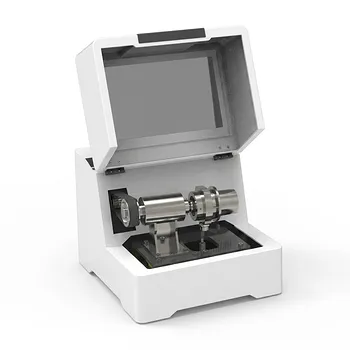
Single Tank High Energy Vibratory Ball Mill for Laboratory Grinding and Mixing
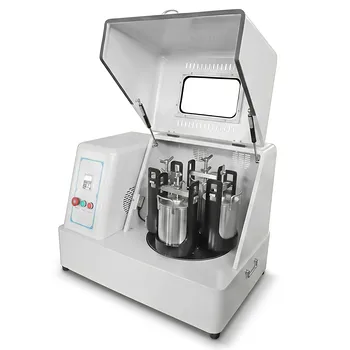
Vertical Square Planetary Ball Mill for Laboratory Sample Preparation and Nanoscale Grinding
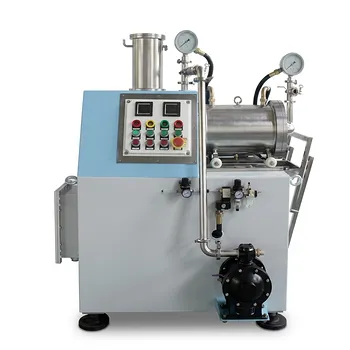
Horizontal Bead Mill for Nanoscale Grinding and Advanced Material Powder Processing

Vertical Production Planetary Ball Mill for High Throughput Powder Processing
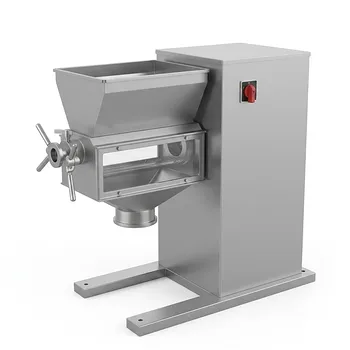
Industrial Swing Granulator for Powder Processing in Pharma Food and Chemical Industries
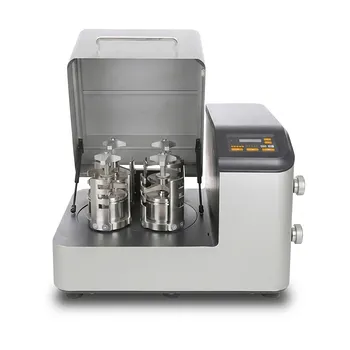
High Energy Planetary Ball Mill for Nano Scale Grinding and Colloidal Mixing in Material Science Research
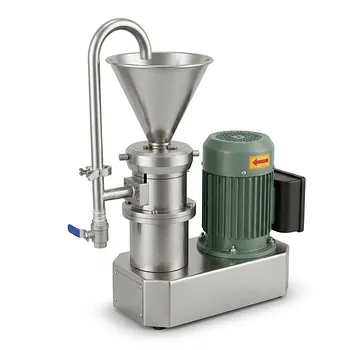
Small Laboratory Colloid Mill for Ultra-Fine Wet Grinding and Emulsification
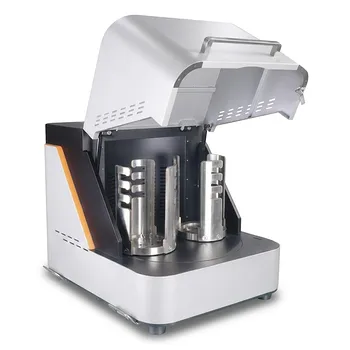
High Energy Laboratory Planetary Ball Mill for Nano Grinding and Colloidal Mixing of Hard and Brittle Materials
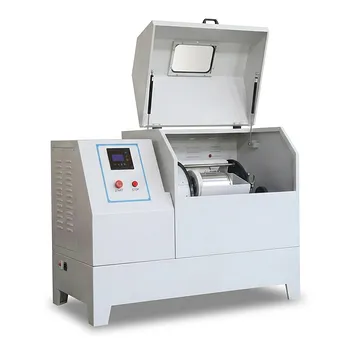
Heavy Duty Horizontal Planetary Ball Mill for Efficient Industrial Grinding and Sample Preparation
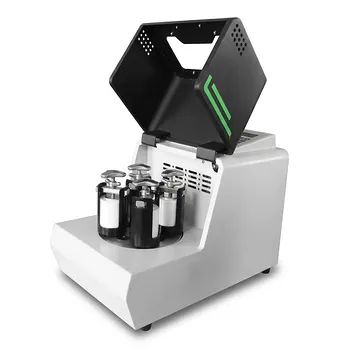
Miniature Planetary Ball Mill with Vacuum Grinding and High Efficiency for Laboratory Sample Preparation
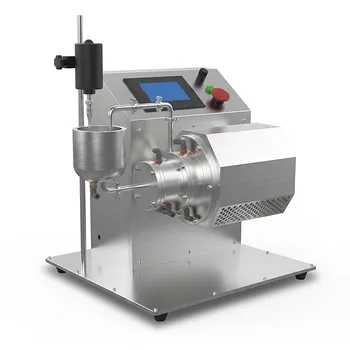
Laboratory Horizontal Pin Nano Sand Mill
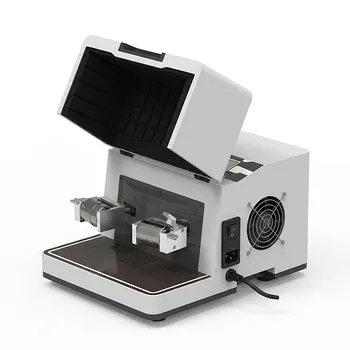
High Energy Hybrid Vibratory Ball Mill for Grinding Mixing and Cell Disruption
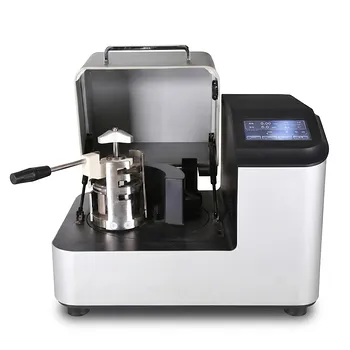
High Energy Laboratory Planetary Ball Mill for Nano Grinding and Material Science Sample Preparation
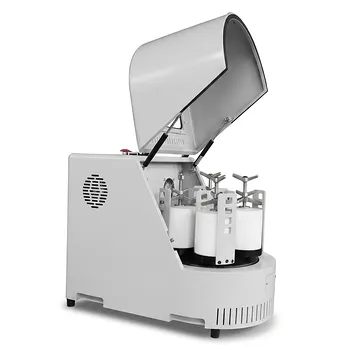
Vertical Semi Circular Planetary Ball Mill for Laboratory Precision Grinding
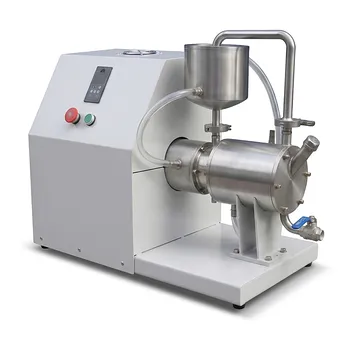
Laboratory Small Horizontal Sand Mill for Nano Materials Wet Grinding
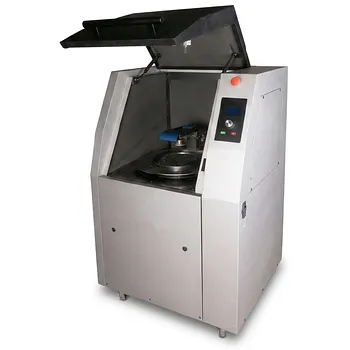
High Speed Vibratory Disc Mill for Spectral Analysis Sample Preparation and Rapid Powder Grinding

360° Rotating Omnidirectional Laboratory Planetary Ball Mill for Homogeneous Ultra-Fine Grinding and Mixing
High Energy Planetary Ball Mill for Nano Scale Grinding and Mechanical Alloying
Nanoscale High-Energy Vibratory Ball Mill for Laboratory Sample Preparation, Mechanochemistry, and Mechanical Alloying