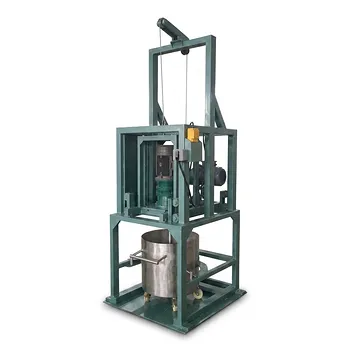
What are the advantages of a customized dual-blade mixer? High-Shear Mixing for High-Viscosity Pastes
Updated 5 months ago
A customized dual-blade mixer provides a specialized mechanical environment that mimics the high-stress conditions of a three-roll mill. For high-viscosity conductive pastes, this design utilizes the synergy between intense shear forces and surface tension to achieve superior particle dispersion while simultaneously eliminating trapped air. This dual-action approach allows for the preparation of uniform, bubble-free materials without the requirement for dedicated vacuum defoaming equipment.
Core Takeaway: The primary advantage of a customized dual-blade mixer lies in its ability to combine high-intensity solid dispersion with integrated defoaming, offering a high-efficiency and cost-effective alternative to complex milling and vacuum systems for laboratory-scale production.
Engineering the Optimal Stress Environment
Simulating the Three-Roll Mill Effect
Traditional mixers often lack the localized intensity required to break down agglomerates in high-viscosity pastes. The customized dual-blade design creates a specific stress environment that replicates the mechanical action of a three-roll mill. By leveraging shear forces and surface tension, it forces the conductive particles to distribute evenly throughout the organic binder.
Integrated Defoaming Without Vacuum
Entrapped air is a critical failure point in conductive pastes, as bubbles can lead to discontinuities in the final printed circuit. Unlike standard equipment that may require a separate vacuum step, this mixer eliminates air bubbles during the stirring process. This makes it an ideal solution for lab-scale environments where space and budget for specialized vacuum defoaming are limited.
Achieving Rheological Consistency
High-viscosity pastes require a delicate balance of wetting agents and binders to maintain stability. The dual-blade system ensures that solid particles are not just moved, but thoroughly wetted by the medium. This level of dispersion is essential for maintaining consistent rheological properties, ensuring the paste behaves predictably during extrusion or printing.
Comparative Advantages Over Traditional Systems
Efficiency vs. Industrial Planetary Mixers
Industrial planetary mixers use a combination of revolution and rotation to handle high solid contents, often above 40 vol. %. While effective for large batches, the customized dual-blade mixer offers a more targeted stress profile for smaller, high-viscosity conductive samples. It provides similar results in terms of eliminating internal density gradients but with a more simplified mechanical setup.
Precision in Particle Distribution
In traditional stirring, "dead zones" can occur where the material remains stagnant. The dual-blade configuration is engineered to minimize these zones, ensuring every portion of the paste undergoes high-energy mixing. This results in a degree of visible uniformity and functional consistency that basic paddle mixers cannot match.
Cost-Effectiveness for Research and Development
For many laboratories, the cost of high-end milling or planetary defoaming equipment is prohibitive. The dual-blade mixer serves as a high-efficiency alternative that delivers professional-grade results. It bridges the gap between manual preparation and industrial-scale manufacturing, providing a reliable path to high-purity mixing.
Understanding the Trade-offs
Mechanical Friction and Heat Generation
Because the dual-blade system relies on high shear, mechanical friction can generate significant heat within the paste. If the conductive paste is sensitive to temperature, this heat can prematurely age the organic binders or alter the viscosity. Users must monitor the mixing duration to avoid thermal degradation of the material.
Potential for Material Contamination
Unlike blade-less planetary mixers, which use fluid precession to mix material in a sealed container, dual-blade systems involve direct contact. This mechanical interaction can lead to material attachment to paddles and, in some cases, contamination from the blades themselves. For ultra-high-purity applications, the wear on the blades must be strictly managed.
Making the Right Choice for Your Goal
Selecting the right mixing technology depends on your specific material requirements and the scale of your production.
- If your primary focus is lab-scale efficiency: Use the customized dual-blade mixer to achieve three-roll mill results and defoaming in a single, cost-effective step.
- If your primary focus is high-volume ceramic pastes: Consider an industrial planetary mixer to manage high solid contents and eliminate density gradients across large batches.
- If your primary focus is ultra-high purity and zero contamination: A blade-less planetary mixer is the superior choice, as it eliminates friction-based contamination and blade dead zones.
- If your primary focus is improving sintering productivity: High-energy intensive mixers are best for optimizing the contact between moisture and fine concentrates to enhance bed permeability.
By matching the mechanical action of your mixer to the specific rheological needs of your conductive paste, you ensure a stable, high-performance material ready for precision application.
Summary Table:
| Feature | Customized Dual-Blade Mixer | Traditional Mixing Equipment |
|---|---|---|
| Shear Intensity | High (Simulates Three-Roll Mill) | Moderate to Low |
| Air Removal | Integrated defoaming (No vacuum) | Often requires separate vacuum |
| Uniformity | High rheological consistency | High risk of "dead zones" |
| Best For | Lab-scale conductive pastes | Low-viscosity/General mixing |
Elevate Your Material Preparation with Precision Mixing
At our core, we provide complete laboratory sample preparation solutions for material science, specializing in high-performance powder processing and compaction equipment. Our customized dual-blade mixers offer a high-efficiency, cost-effective alternative to complex milling systems, ensuring your high-viscosity conductive pastes are uniform and bubble-free.
Our extensive product lines support every stage of your workflow:
- Grinding & Milling: Jaw/roll crushers, liquid nitrogen cryogenic grinders, and planetary ball/jet mills.
- Sieving & Mixing: Vibratory sieve shakers, powder mixers, and advanced defoaming mixers.
- Compaction Solutions: A full spectrum of hydraulic presses, including Cold/Warm Isostatic Presses (CIP/WIP), XRF pellet presses, and vacuum hot presses.
Whether you are refining R&D processes or seeking superior rheological consistency, our expertise ensures you have the right tools for the job. Contact us today to discuss your project needs!
References
- Alena Pietriková, Peter Nemergut. Effect of mechanochemical milling on the properties of Ag₂O self-reducing pastes for conductive layers in flexible electronics. DOI: 10.1007/s10854-025-14893-x
Mentioned Products
- Industrial Planetary Centrifugal Vacuum Defoaming Mixer for High Viscosity Paste and Advanced Material Science
- Industrial Planetary Centrifugal Vacuum Defoaming Mixer for High Viscosity Paste and Powder Homogenization
- Dual Cup Vacuum Centrifugal Mixer Planetary Paste Defoaming Machine Industrial Material Processor
- 非介入式材料均质机真空脱泡行星搅拌高粘度混合设备
- Hydraulic Double Shaft Disperser for High Viscosity Liquid Mixing and Dispersion
People Also Ask
- What are the advantages of planetary centrifugal mixers for LSM-CeO2 slurries? Superior Results
- What process advantages do planetary gravity mixers provide for r-GO/RuO2 electrodes? Achieve Superior Nanoscale Dispersion
- Why is a planetary centrifugal defoaming mixer essential in battery slurry? Achieve High Homogeneity & Degassing
- What is the function of industrial planetary centrifugal mixers in 3D printing inks? Achieve Perfect Homogenization
- What core functions does a planetary centrifugal mixer perform? Optimize Hard Carbon Anode Slurry & Degassing

Tech Team · PowderPreparation
Last updated on May 14, 2026
Related Products
Industrial Planetary Centrifugal Vacuum Defoaming Mixer for High Viscosity Paste and Advanced Material Science
Industrial Planetary Centrifugal Vacuum Defoaming Mixer for High Viscosity Paste and Powder Homogenization
Dual Cup Vacuum Centrifugal Mixer Planetary Paste Defoaming Machine Industrial Material Processor
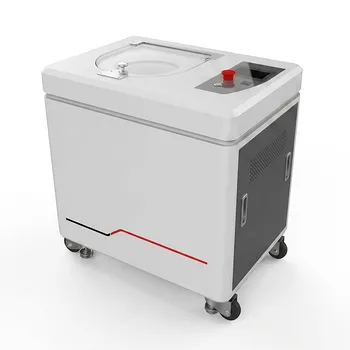
非介入式材料均质机真空脱泡行星搅拌高粘度混合设备
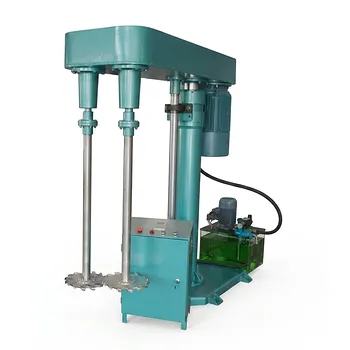
Hydraulic Double Shaft Disperser for High Viscosity Liquid Mixing and Dispersion
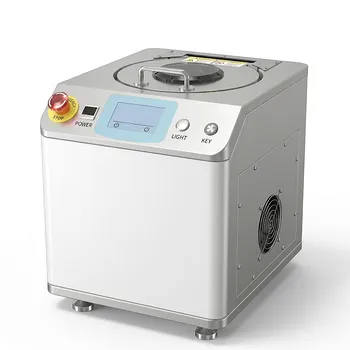
High Efficiency Vacuum Planetary Centrifugal Mixer and Defoaming Machine for Industrial Material Research and Precise Laboratory Powder Dispersion
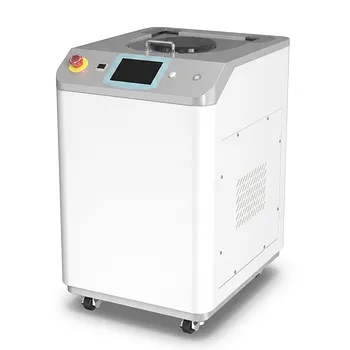
High Viscosity Planetary Centrifugal Mixing and Vacuum Defoaming Machine for Laboratory Material Preparation
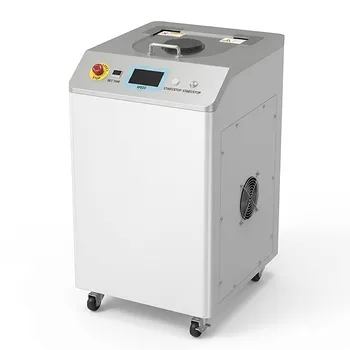
High Viscosity Planetary Centrifugal Vacuum Mixer for Material Defoaming and Uniform Mixing
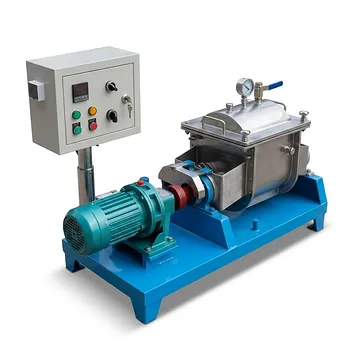
Industrial Vacuum Kneader for High-Viscosity Silicone, Rubber, and Compound Mixing
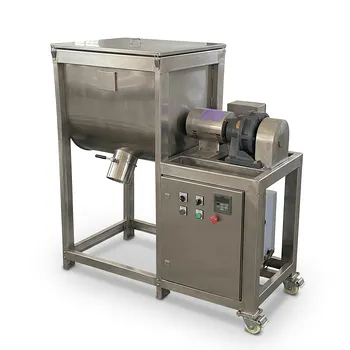
Horizontal Ribbon Mixer for Dry Powder and Slurry Blending
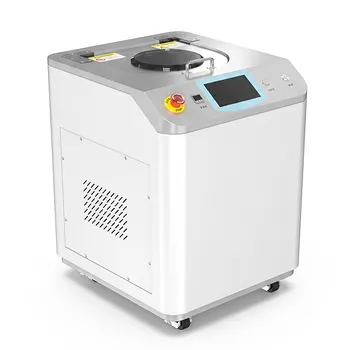
High Speed Vacuum Planetary Centrifugal Mixer and Defoamer for Industrial Paste Processing
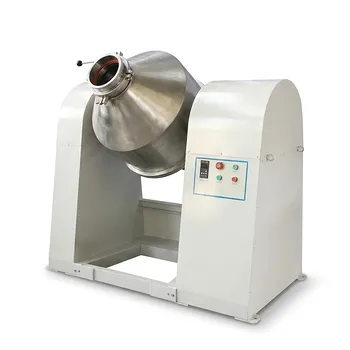
Industrial Double Cone Mixer for Powder Blending and Homogeneous Mixing
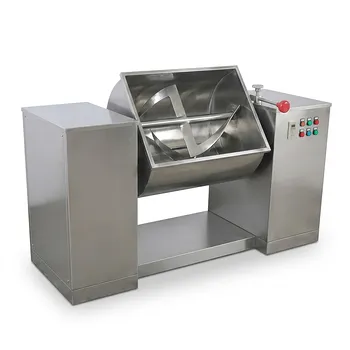
Horizontal Trough Mixer for Uniform Powder and Paste Blending
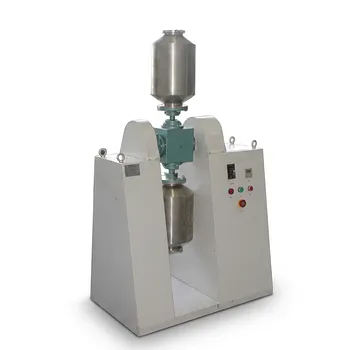
Multi Dimensional Universal Mixer for High Uniformity Powder Blending
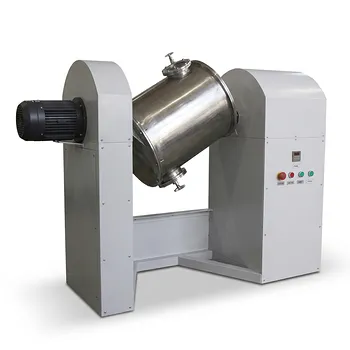
Inclined Mixer for Homogeneous Powder Blending and Grinding
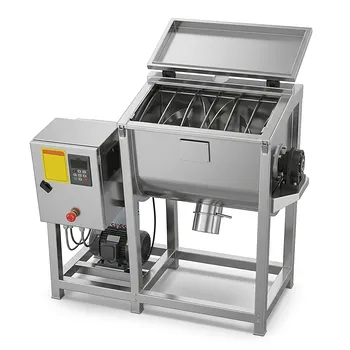
Horizontal Ribbon Mixer for Uniform Powder and Slurry Mixing
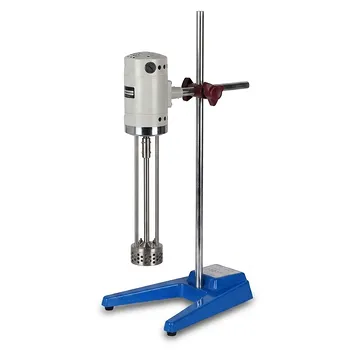
High Shear Laboratory Emulsifier for Mixing and Homogenization
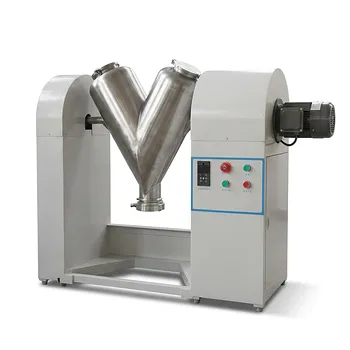
V-Type Powder Mixer for Uniform Blending of Dry Powders and Granules