How does equipment selection influence B4C-SiC-TiC-TiB2 performance? Optimize Microstructure & Mechanical Strength
Updated 4 months ago
The selection of powder processing equipment determines the fundamental microstructural architecture of B4C-SiC-TiC-TiB2 composites. By controlling the spatial distribution of raw materials and the physical geometry of individual grains, these tools dictate the balance between the final material's mechanical strength and its chemical stability.
The core influence of processing equipment lies in its ability to maintain an optimal crystal shape factor and ensure high spatial uniformity. Precise selection prevents excessive grain deformation while enabling the formation of complex phase networks necessary for high-performance ceramic applications.
Controlling the Crystal Shape Factor and Grain Geometry
Preservation of Particle Aspect Ratios
The primary role of mixing equipment is to ensure material dispersion without causing undesirable changes to the particle aspect ratio. High-intensity methods, such as aggressive planetary ball milling, can inadvertently alter the initial chemical activity or fragment grains into inefficient shapes.
Optimizing the Shape Factor for Strength
Maintaining a crystal shape factor (typically not exceeding 3) is critical for the structural integrity of the composite. This geometric control allows for a precise balance between flexural strength and compressive strength, ensuring the ceramic can withstand diverse mechanical loads.
Achieving Uniformity and Phase Distribution
Preventing Compositional Segregation
Selection of high-precision mixers, such as three-dimensional mixers, ensures high spatial uniformity of the reactive precursors. This uniformity prevents compositional segregation, which is vital for maintaining consistent wear resistance and preventing "weak spots" within the sintered matrix.
Engineering Core-Shell Structures
Specific equipment can be used to facilitate mechanical coating, where fine secondary particles (like TiB2) are attached to the surface of matrix particles (like SiC). This creates a core-shell structure that pre-positions phases to form continuous, mesh-like conductive or reinforcing channels during the sintering process.
Influencing Reaction Kinetics and Stability
Control of In-Situ Chemical Reactions
The thoroughness of the mixing process directly influences the in-situ chemical reactions that occur during sintering. When precursors are mixed with high spatial precision, the resulting phases are more predictable, leading to a more stable and high-performing final product.
Impact on Antioxidant Stability
Uniformity achieved during the powder stage carries over to the final microstructure, which significantly impacts antioxidant stability. A homogeneous distribution of TiC and TiB2 phases ensures that the protective oxide layers formed at high temperatures are continuous and effective.
Understanding the Trade-offs
Mechanical Intensity vs. Material Integrity
While high-energy milling provides excellent homogenization, it introduces the risk of media contamination and excessive grain refinement. Over-processing can lead to increased surface energy that makes the powder prone to uncontrolled oxidation or agglomeration before sintering.
Mixing Time vs. Homogeneity
Longer mixing cycles in lower-energy equipment may improve uniformity but can lead to particle rounding. This loss of angularity can negatively affect the interlocking mechanism between grains, potentially reducing the fracture toughness of the final B4C-SiC-TiC-TiB2 composite.
Making the Right Choice for Your Goal
Appropriate equipment selection depends on the specific mechanical or functional requirements of your ceramic application.
- If your primary focus is maximum mechanical toughness: Prioritize equipment that maintains a crystal shape factor below 3 to balance flexural and compressive loads.
- If your primary focus is electrical conductivity or thermal paths: Use mechanical coating techniques to create core-shell structures that facilitate continuous phase networks.
- If your primary focus is chemical and antioxidant stability: Utilize high-precision three-dimensional mixers to ensure the highest possible spatial uniformity of reactive precursors.
The right processing equipment transforms a simple mixture of powders into a highly engineered composite with predictable, high-performance characteristics.
Summary Table:
| Processing Factor | Influence on Composite | Key Performance Benefit |
|---|---|---|
| Crystal Shape Factor | Maintains grain aspect ratio (≤ 3) | Balanced flexural and compressive strength |
| Spatial Uniformity | Prevents compositional segregation | Consistent wear resistance and stability |
| Mechanical Coating | Creates core-shell structures | Improved phase networks and conductivity |
| Mixing Precision | Controls in-situ reaction kinetics | Enhanced antioxidant and chemical stability |
| Energy Control | Minimizes media contamination | Preserves material integrity and purity |
Elevate Your Material Research with Expert Sample Prep Solutions
Achieving the perfect microstructural architecture for B4C-SiC-TiC-TiB2 composites requires precision at every stage of powder processing. At [Company Name], we provide complete laboratory sample preparation solutions tailored for material science.
Our extensive range of equipment is designed to optimize your material performance:
- Advanced Milling: Planetary ball mills, jet mills, and cryogenic grinders for precise particle refinement.
- High-Precision Mixing: 3D mixers and defoaming mixers to ensure maximum spatial uniformity and core-shell structure formation.
- Superior Compaction: A full spectrum of hydraulic presses, including Cold/Warm Isostatic Presses (CIP/WIP), hot presses, and vacuum hot presses for high-density sintering.
Whether you are a researcher aiming for high fracture toughness or a manufacturer seeking consistent antioxidant stability, our tools provide the control you need.
Contact our technical team today to find the ideal equipment for your workflow!
References
- Zviad Kovziridze, Nino Darakhvelidze. Multifunctional Composite in the B<sub>4</sub>C-SiC-TiC-TiB<sub>2</sub> System. DOI: 10.4236/jectc.2025.141001
Mentioned Products
- Small High-Speed Laboratory Grinder for Powder Processing
- Vertical Production Planetary Ball Mill for High Throughput Powder Processing
- Inclined Mixer for Homogeneous Powder Blending and Grinding
- Industrial Double Cone Mixer for Powder Blending and Homogeneous Mixing
- Universal Laboratory Pulverizer Grinder for Small Batch Powder Processing and Material Science Research
People Also Ask
- What role does a laboratory grinder play in the pretreatment of sunflower seed shell-based adsorbents? Boost Efficiency.
- How does a laboratory grinder or mill enhance the adsorption performance of agricultural waste materials? Boost Surface Area
- What is the role of laboratory grinding equipment in the preparation of waste glass powder for eco-friendly red bricks?
- Why is grinding equipment necessary for SnO2-Sb2O3 xerogels? Maximize surface area and photocatalytic activity.
- What is the primary role of grinding equipment in BLA preparation? Enhance Reactivity & Material Uniformity

Tech Team · PowderPreparation
Last updated on Jun 03, 2026
Related Products
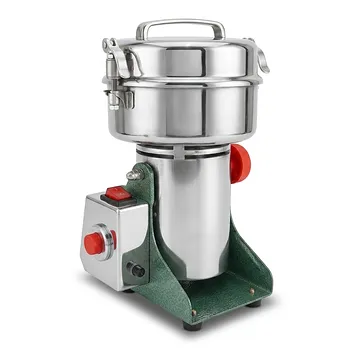
Small High-Speed Laboratory Grinder for Powder Processing

Vertical Production Planetary Ball Mill for High Throughput Powder Processing
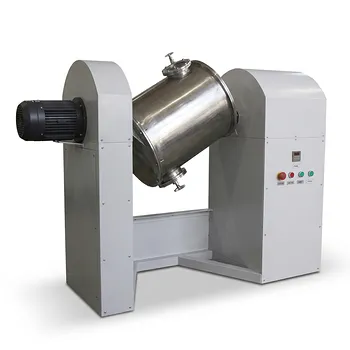
Inclined Mixer for Homogeneous Powder Blending and Grinding
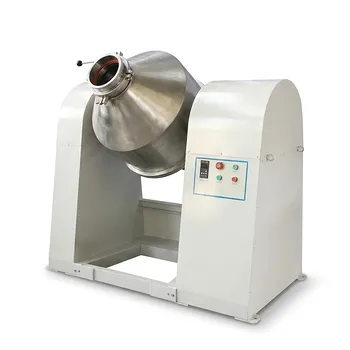
Industrial Double Cone Mixer for Powder Blending and Homogeneous Mixing
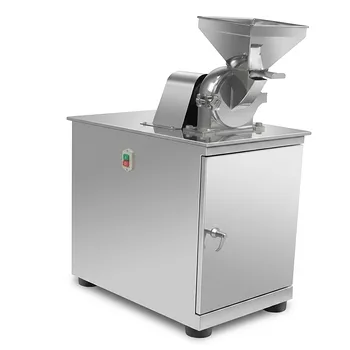
Universal Laboratory Pulverizer Grinder for Small Batch Powder Processing and Material Science Research
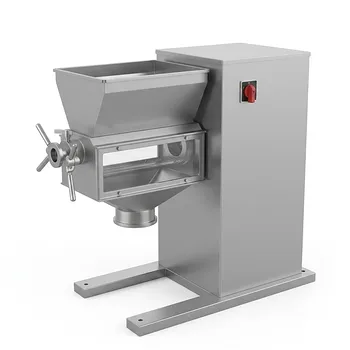
Industrial Swing Granulator for Powder Processing in Pharma Food and Chemical Industries
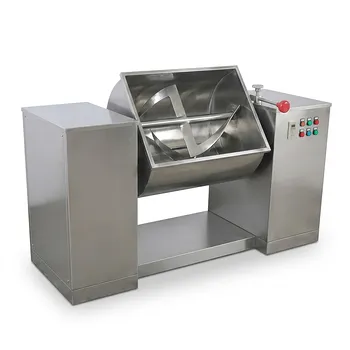
Horizontal Trough Mixer for Uniform Powder and Paste Blending
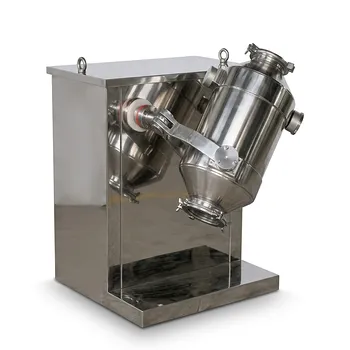
Three-Dimensional Motion Mixer for Laboratory Powder and Granule Blending
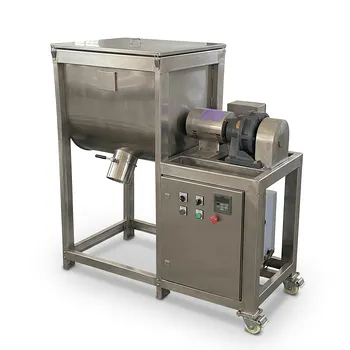
Horizontal Ribbon Mixer for Dry Powder and Slurry Blending
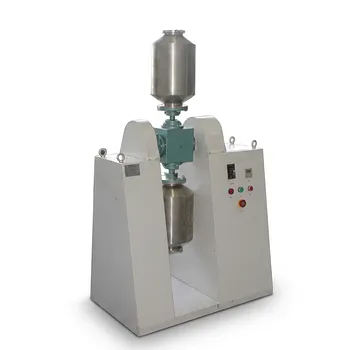
Multi Dimensional Universal Mixer for High Uniformity Powder Blending
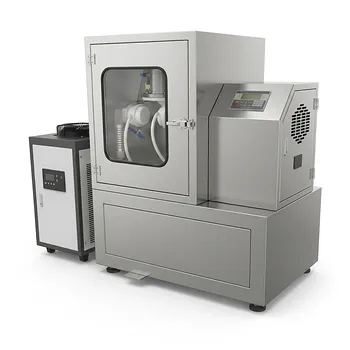
Vibratory Ultra-Low Temperature Ultrafine Grinder for Cryogenic Powder Processing
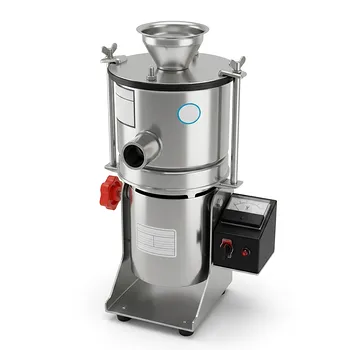
Air Guided Ultrafine Pulverizer High Speed Laboratory Powder Grinder for Chemical and Material Processing
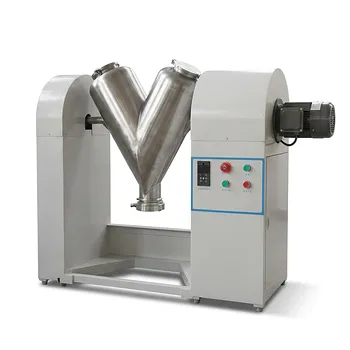
V-Type Powder Mixer for Uniform Blending of Dry Powders and Granules
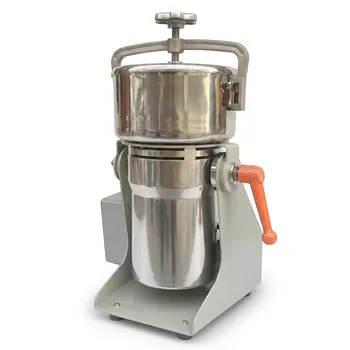
High Speed Laboratory Grinder Efficient Stainless Steel Powder Pulverizer Universal Material Science Mill for Sample Preparation
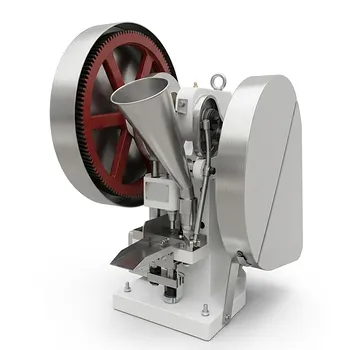
6-Ton Small Single-Punch Tablet Press — Laboratory Powder & Granule Tableting Equipment / Tablet Forming Machine
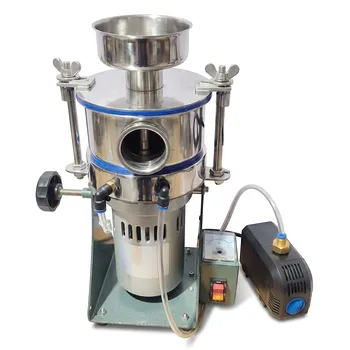
Water Cooled Airflow Ultra Fine Grinder for Low Temperature Material Processing
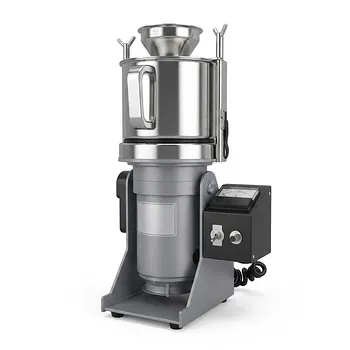
High Speed Air Induced Ultrafine Pulverizer Laboratory Superfine Powder Mill for Pharmaceutical and Material Science Sample Preparation
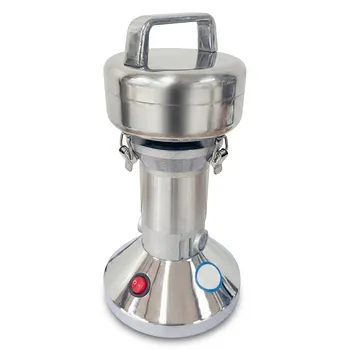
Small Trace Sample High Speed Pulverizer Grinder Laboratory Powder Mill
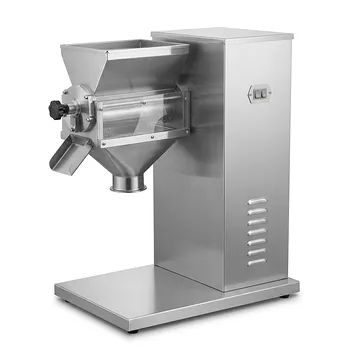
Small Swing Granulator Efficient Powder Granulation for Pharmaceutical Chemical Food Industries