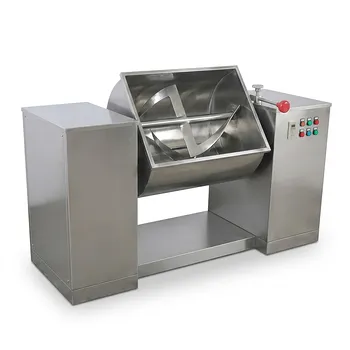
How does planetary centrifugal mixing achieve defoaming? Master bubble-free high-viscosity slurry preparation.
Updated 3 months ago
Planetary centrifugal mixing achieves defoaming through the synergy of revolution-induced centrifugal force and rotation-induced convective circulation. This dual-motion mechanism forces low-density air bubbles toward the surface by leveraging specific gravity differences while simultaneously cycling the material to ensure all trapped air is exposed to the surface to burst.
The core mechanism relies on centrifugal force to separate air from high-density liquids and convective flow to bring deep-seated bubbles to the surface. This blade-free process removes micro-bubbles from high-viscosity slurries that would otherwise remain trapped by internal friction.
The Role of Revolution and Centrifugal Force
Density-Driven Separation
The revolution of the mixing container generates powerful centrifugal forces that act on the material based on its mass. High-density liquid components are pressed outward against the container walls, effectively squeezing lower-density air bubbles toward the center and the surface.
Buoyancy Amplification
Under high G-forces, the effective "weight" of the liquid increases, which significantly magnifies the upward buoyancy acting on micro-bubbles. This enables bubbles to overcome the high flow resistance (viscosity) of the slurry, allowing them to migrate to the surface much faster than they would under standard gravity.
Convective Circulation and Surface Exposure
Three-Dimensional Flow Patterns
The independent rotation of the container—often set at a specific angle—creates a complex three-dimensional convective circulation. The slurry is forced to flow downward along the outer walls and rise through the center in a continuous loop.
Constant Surface Renewal
This "vortex" motion acts as an internal pump that constantly brings material from the bottom of the container to the top. By repeatedly cycling the deep layers to the liquid-air interface, the mechanism ensures that even the smallest bubbles are eventually exposed to the surface where they can burst.
High-Shear Mixing Without Blades
Elimination of Micro-Agglomerates
The planetary motion generates intense internal shear forces as different layers of the slurry move at varying velocities. These forces break down micro-agglomerates and clusters that often harbor tiny pockets of air, ensuring a more homogenous and air-free structure.
Prevention of Re-Aeration
Unlike traditional mixers, this equipment is blade-free (non-contact). Because there are no impellers cutting through the surface of the liquid, there is no risk of drawing new air into the mixture during the process, which is a common failure point in high-speed vacuum stirring.
Understanding the Trade-offs
Heat Generation from Friction
The high kinetic energy required to move high-viscosity slurries at high speeds generates internal friction, which translates into heat. For temperature-sensitive materials, such as fast-curing resins or biological agents, this temperature rise must be carefully managed to avoid premature hardening.
Viscosity Limits and Cycle Times
While effective for high-viscosity media, extremely "stiff" materials may require extended cycle times or higher G-forces to facilitate bubble migration. If the viscosity is too high for the chosen settings, micro-bubbles may remain suspended despite the centrifugal force, requiring a balance between speed and processing time.
How to Apply This to Your Project
Making the Right Choice for Your Goal
- If your primary focus is optical clarity or mechanical strength: Prioritize higher revolution speeds to maximize the centrifugal force, ensuring even the smallest micro-bubbles are expelled to prevent light scattering or internal defects.
- If your primary focus is processing fast-curing materials: Use shorter, high-intensity bursts to achieve homogenization and defoaming quickly before the material’s viscosity increases due to chemical reaction.
- If your primary focus is protecting delicate material structures: Leverage the blade-free nature of the mixer to achieve uniformity without the high-impact mechanical stress caused by traditional stirring paddles.
By mastering the balance between revolution and rotation, you can achieve a perfectly dense, bubble-free slurry that serves as a high-quality foundation for any subsequent manufacturing process.
Summary Table:
| Mechanism | Action Type | Key Benefit for High-Viscosity Slurries |
|---|---|---|
| Revolution | Centrifugal Force | Forces low-density bubbles to the surface via density separation. |
| Rotation | Convective Flow | Cycles material to ensure deep-seated bubbles reach the interface. |
| Blade-free Mixing | Internal Shear | Breaks down micro-agglomerates without introducing new air. |
| 3D Motion | Surface Renewal | Continuous loop motion prevents air re-entrainment and promotes homogeneity. |
Elevate Your Material Preparation with Precision Solutions
Achieving a perfectly dense, bubble-free slurry is critical for high-performance materials. At [Your Brand Name], we provide complete laboratory sample preparation solutions tailored for material science. We specialize in advanced powder processing and compaction equipment designed to meet the most rigorous research and production standards.
Our extensive product lines include:
- Advanced Mixing: Planetary centrifugal defoaming mixers, powder mixers, and high-energy mills (planetary ball, jet, and disc mills).
- Size Reduction: Precision crushers (jaw/roll), liquid nitrogen cryogenic grinders, and sieve shakers.
- Compaction & Pressing: A full spectrum of hydraulic presses, including Cold/Warm Isostatic Presses (CIP/WIP), vacuum hot presses, and XRF pellet presses.
Whether you are processing high-viscosity resins or developing advanced ceramics, our equipment ensures uniformity and structural integrity. Contact our experts today to discuss your specific application and find the ideal solution for your laboratory needs!
References
- Yuanyuan Li, Bin Liang. Study on the Centrifugal Mixing Process of PBX Simulants. DOI: 10.1088/1742-6596/2891/5/052003
Mentioned Products
- High Viscosity Planetary Centrifugal Vacuum Mixer for Material Defoaming and Uniform Mixing
- High Efficiency Vacuum Planetary Centrifugal Mixer and Defoaming Machine for Industrial Material Research and Precise Laboratory Powder Dispersion
- High Speed Vacuum Planetary Centrifugal Mixer and Defoamer for Industrial Paste Processing
- Industrial Planetary Centrifugal Vacuum Defoaming Mixer for High Viscosity Paste and Powder Homogenization
- High Viscosity Planetary Centrifugal Mixing and Vacuum Defoaming Machine for Laboratory Material Preparation
People Also Ask
- What core functions does a planetary centrifugal mixer perform? Optimize Hard Carbon Anode Slurry & Degassing
- Why is a planetary centrifugal mixer recommended for geopolymer slurries? Achieve high-shear, air-free homogenization.
- Why is a planetary centrifugal mixer utilized for wood powder and HPMC? Achieve uniform dispersion & rapid defoaming.
- Why is an industrial-grade planetary centrifugal mixer used for secondary stirring? Achieve Void-Free Filler Dispersion
- How does the tilt angle of the container influence fluid flow within a planetary centrifugal mixer? Master 3D Convection

Tech Team · PowderPreparation
Last updated on May 14, 2026
Related Products
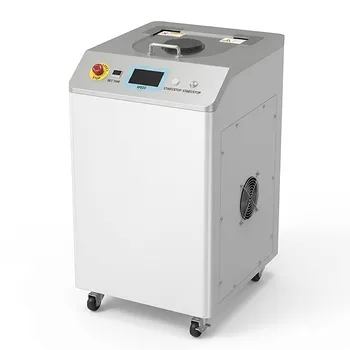
High Viscosity Planetary Centrifugal Vacuum Mixer for Material Defoaming and Uniform Mixing
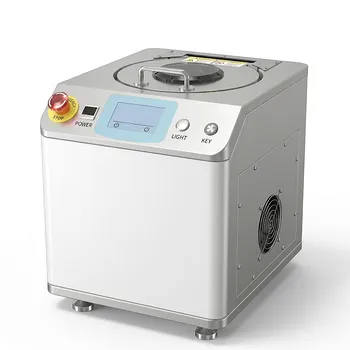
High Efficiency Vacuum Planetary Centrifugal Mixer and Defoaming Machine for Industrial Material Research and Precise Laboratory Powder Dispersion
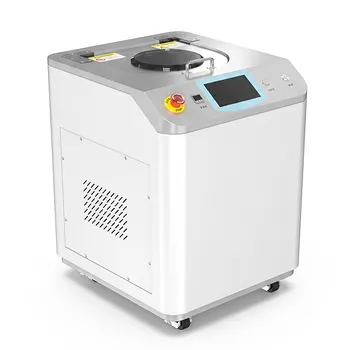
High Speed Vacuum Planetary Centrifugal Mixer and Defoamer for Industrial Paste Processing
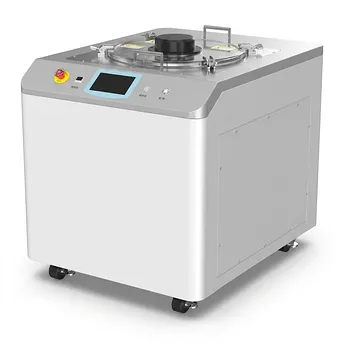
Industrial Planetary Centrifugal Vacuum Defoaming Mixer for High Viscosity Paste and Powder Homogenization
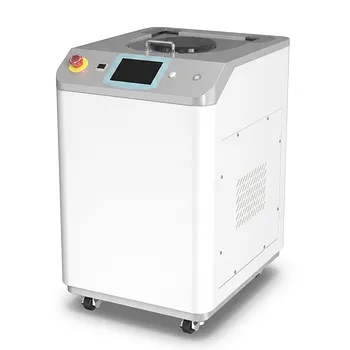
High Viscosity Planetary Centrifugal Mixing and Vacuum Defoaming Machine for Laboratory Material Preparation
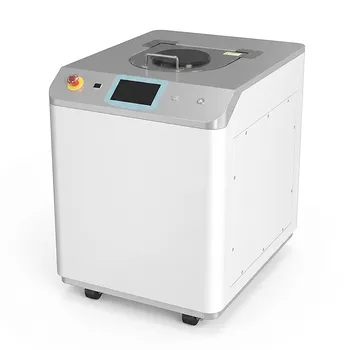
Industrial Planetary Centrifugal Vacuum Defoaming Mixer for High Viscosity Paste and Advanced Material Science
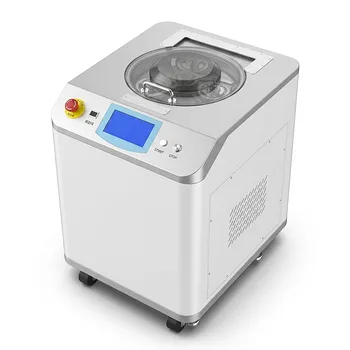
Dual Cup Vacuum Centrifugal Mixer Planetary Paste Defoaming Machine Industrial Material Processor
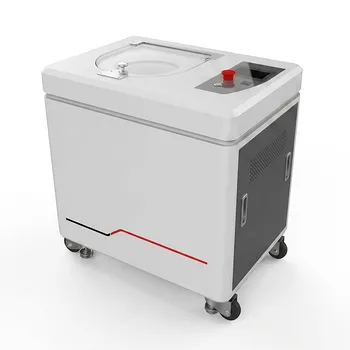
非介入式材料均质机真空脱泡行星搅拌高粘度混合设备
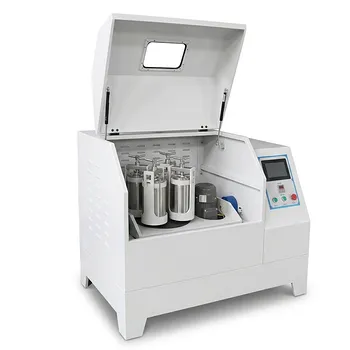
360° Rotating Omnidirectional Laboratory Planetary Ball Mill for Homogeneous Ultra-Fine Grinding and Mixing
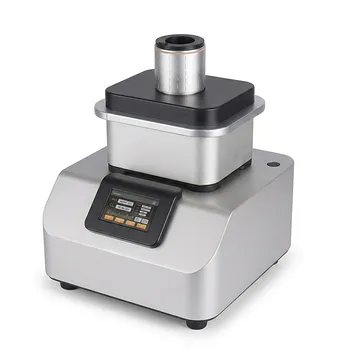
Ultra Centrifugal Mill High Speed Laboratory Grinder for Fibrous and Brittle Sample Preparation
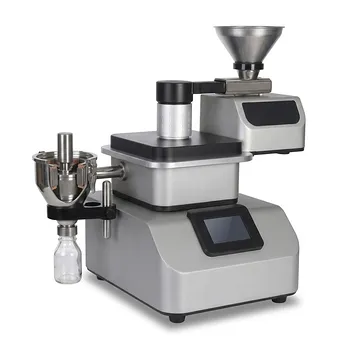
Ultra Centrifugal Mill for Rapid Laboratory Sample Preparation and Fine Powder Grinding
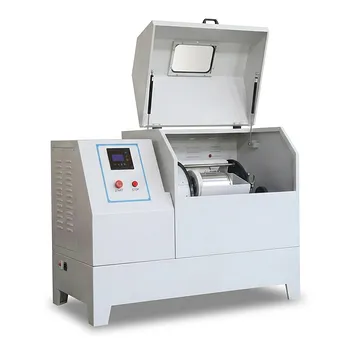
Heavy Duty Horizontal Planetary Ball Mill for Efficient Industrial Grinding and Sample Preparation
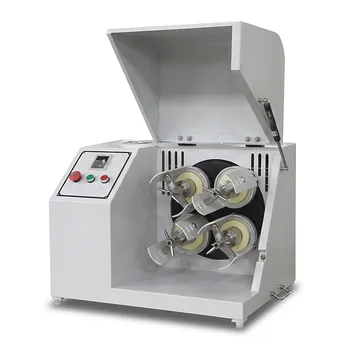
Horizontal Light Duty Planetary Ball Mill for Laboratory Sample Preparation
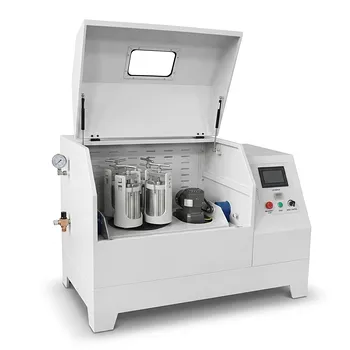
Vertical Production Planetary Ball Mill for High Throughput Powder Processing
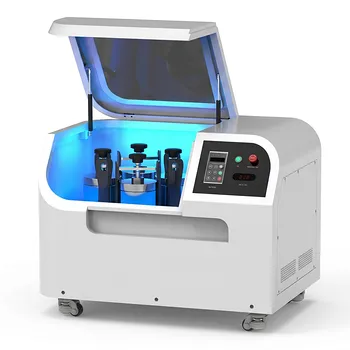
Planetary Ball Mill 12L
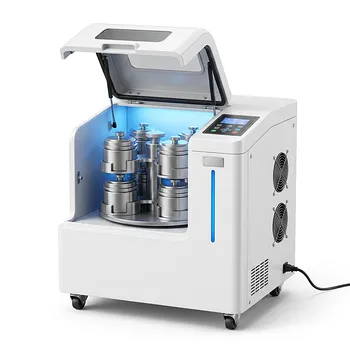
High Energy Omnidirectional Planetary Ball Mill 20L
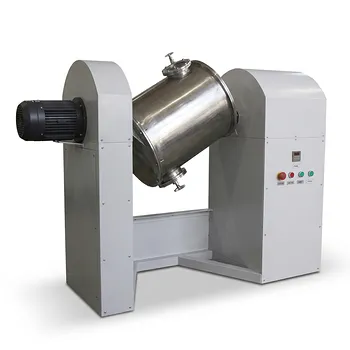
Inclined Mixer for Homogeneous Powder Blending and Grinding
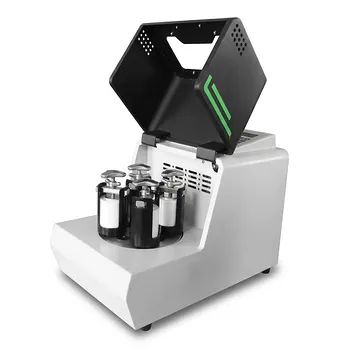
Miniature Planetary Ball Mill with Vacuum Grinding and High Efficiency for Laboratory Sample Preparation
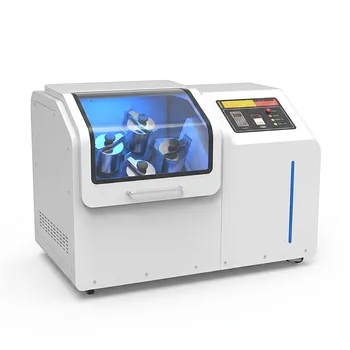
High Energy Omnidirectional Planetary Ball Mill 16L