How does mechanical mixing compare to ultrasonic mixing for NiMnO3/rGO hybrid electrodes? Optimize Interface Stability
Updated 3 months ago
Mechanical mixing is the superior method for constructing NiMnO3/rGO hybrid interfaces because it establishes more robust micro-contact points and ensures long-term structural integrity. While ultrasonication is a common laboratory technique for dispersion, mechanical mixing produces electrodes with lower internal resistance and significantly better capacity retention in alkaline electrolytes.
While ultrasonic mixing may appear effective for initial component dispersion, it fails to create the durable interfacial bond required for high-performance electrodes. Mechanical mixing optimizes the micro-contact structure between NiMnO3 and rGO, preventing component detachment and maintaining low interfacial resistance during extended cycling.
Structural Integrity of the Micro-Contact Interface
The Advantage of Firm Particle Contact
Mechanical mixing applies direct physical force that effectively presses NiMnO3 particles into the rGO network. This creates a firmer contact structure that facilitates efficient charge transfer across the interface.
Preventing Component Detachment
Unlike ultrasonic methods, mechanical force ensures that the rGO remains securely anchored to the oxide particles. This prevents the active materials from separating during the physical stresses of electrochemical cycling.
Superior Component Distribution
Mechanical mixing provides a more uniform distribution of components throughout the electrode matrix. This homogeneous dispersion ensures that the entire surface area of the hybrid material contributes to energy storage.
Electrochemical Implications of Mixing Techniques
Reducing Internal Resistance (IR Drop)
Electrodes prepared via mechanical mixing demonstrate a significantly lower IR drop. This is a direct result of the superior micro-contact structure, which minimizes the barriers to electron flow.
Enhancing Long-Term Capacity Retention
In 6M KOH electrolytes, mechanically mixed hybrids maintain higher capacity over time. The structural stability of the interface ensures that the electrical network remains intact even after hundreds of charge-discharge cycles.
Impact of the Electrolyte Environment
The choice of mixing method is particularly critical in 6M KOH electrolytes, where ion movement is intense. Mechanical mixing provides the mechanical robustness needed to withstand the rigors of this high-concentration environment.
Understanding the Trade-offs and Pitfalls
The Limitations of Ultrasonic Mixing
While ultrasonic treatment is excellent for breaking up large agglomerates, it often lacks the force necessary to create a permanent bond. Over time, the rGO sheets tend to detach from the oxide particles, leading to a sudden spike in interfacial resistance.
Interfacial Resistance Growth
The primary pitfall of ultrasonic mixing is the gradual degradation of the interface. As the rGO detaches, the interfacial resistance increases, which rapidly diminishes the power density of the hybrid electrode.
Mechanical Force vs. Material Stress
While mechanical mixing is superior for contact, excessive force can potentially damage the crystalline structure of the NiMnO3. It is vital to balance the mixing intensity to ensure contact without inducing material fatigue.
How to Apply This to Your Project
When choosing a fabrication strategy for NiMnO3/rGO hybrid electrodes, your decision should be guided by your ultimate performance requirements.
- If your primary focus is long-cycle stability: Utilize mechanical mixing to ensure the rGO remains bonded to the oxide particles throughout the life of the electrode.
- If your primary focus is minimizing internal resistance: Prioritize mechanical mixing to optimize the micro-contact points and reduce the IR drop during high-rate discharge.
- If your primary focus is rapid initial screening: Ultrasonic mixing may be used for quick dispersion, but be aware that performance will likely degrade faster during long-term testing.
Selecting mechanical mixing over ultrasonic treatment provides the structural foundation necessary for high-capacity, low-resistance hybrid energy storage systems.
Summary Table:
| Feature | Mechanical Mixing | Ultrasonic Mixing |
|---|---|---|
| Interface Bond | Firm, robust micro-contact points | Weak, prone to component detachment |
| Internal Resistance | Significantly lower IR drop | Increases rapidly during cycling |
| Capacity Retention | Superior in alkaline (6M KOH) | Degrades quickly due to material separation |
| Structural Integrity | High; particles anchored to rGO | Low; leads to interfacial resistance growth |
| Best Use Case | Long-term stability & high-rate performance | Rapid initial screening & simple dispersion |
Elevate Your Electrode Research with Precision Mixing Solutions
Achieving a robust NiMnO3/rGO interface requires more than just dispersion—it demands professional-grade mechanical force. [Your Brand Name] provides complete laboratory sample preparation solutions for material science, specializing in the high-performance powder processing equipment you need to ensure structural integrity in your energy storage devices.
Our extensive range includes planetary ball mills, jet mills, and specialized powder mixers designed to optimize micro-contact structures and minimize internal resistance. To complete your workflow, we also offer a full spectrum of hydraulic presses, including Cold/Warm Isostatic Presses (CIP/WIP) and vacuum hot presses for high-density electrode fabrication.
Don't let poor interfacial contact limit your research outcomes. Contact us today to find the perfect milling or mixing solution for your next-generation battery and supercapacitor projects!
References
- Svetlana Veleva, Radostina Stoyanova. Mixing Approaches in Enhancing the Capacitive Performance of rGO-Based Hybrid Electrodes. DOI: 10.3390/ma18112460
Mentioned Products
- Three-Dimensional Motion Mixer for Laboratory Powder and Granule Blending
- Multi Dimensional Universal Mixer for High Uniformity Powder Blending
- Industrial Double Cone Mixer for Powder Blending and Homogeneous Mixing
- Inclined Mixer for Homogeneous Powder Blending and Grinding
- Dual Cup Vacuum Centrifugal Mixer Planetary Paste Defoaming Machine Industrial Material Processor
People Also Ask
- Why is a 3D Motion Mixer employed when preparing binary powder mixtures for tableting? Achieve Superior Homogeneity
- What role does an industrial 3D mixer play in the preparation of diamond tool segment raw materials? Achieve Homogeneity
- What is the role of a 3D mixer in Ti2SnC synthesis? Optimize Precursor Homogeneity for High-Purity MAX Phases
- How does a 3D mixer with tungsten balls contribute to magnesium composite mixing? Achieve Superior Macro-Homogeneity
- What are the advantages of using a 3D powder mixer? Boost Tablet Consistency with Advanced Mixing Technology

Tech Team · PowderPreparation
Last updated on Jun 03, 2026
Related Products
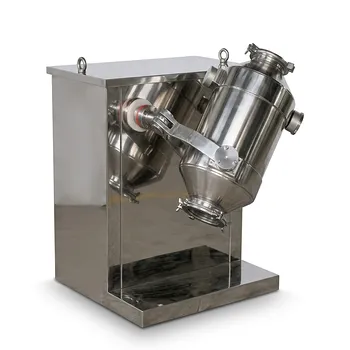
Three-Dimensional Motion Mixer for Laboratory Powder and Granule Blending
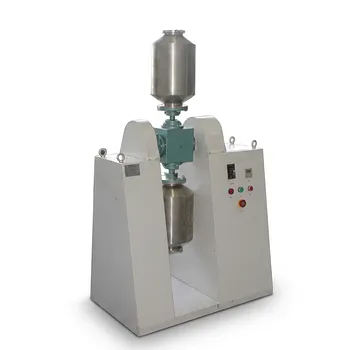
Multi Dimensional Universal Mixer for High Uniformity Powder Blending
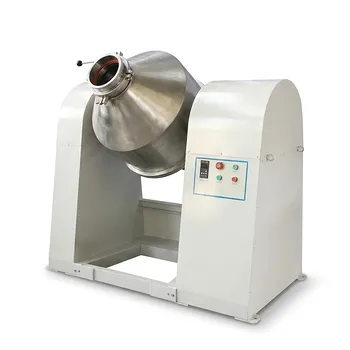
Industrial Double Cone Mixer for Powder Blending and Homogeneous Mixing
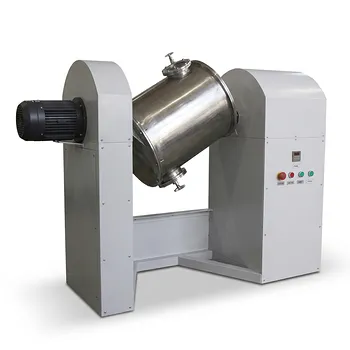
Inclined Mixer for Homogeneous Powder Blending and Grinding
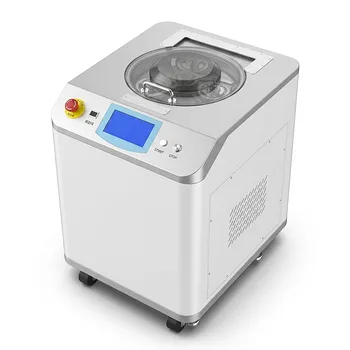
Dual Cup Vacuum Centrifugal Mixer Planetary Paste Defoaming Machine Industrial Material Processor
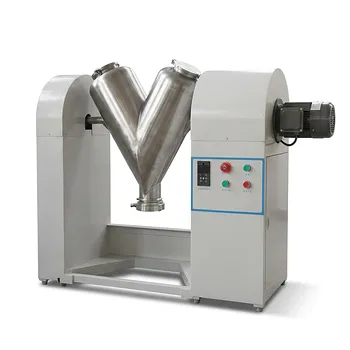
V-Type Powder Mixer for Uniform Blending of Dry Powders and Granules
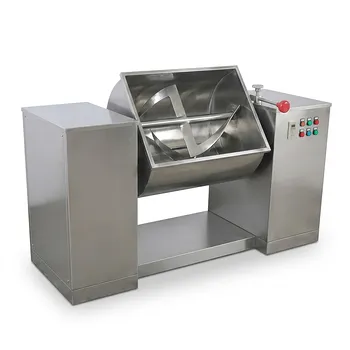
Horizontal Trough Mixer for Uniform Powder and Paste Blending
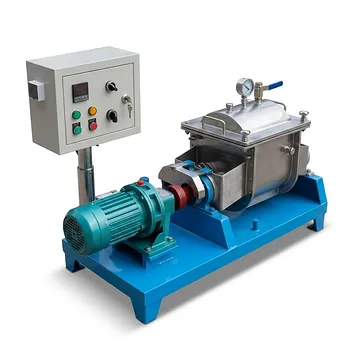
Industrial Vacuum Kneader for High-Viscosity Silicone, Rubber, and Compound Mixing
非介入式材料均质机真空脱泡行星搅拌高粘度混合设备
Industrial Planetary Centrifugal Vacuum Defoaming Mixer for High Viscosity Paste and Powder Homogenization
High Speed Vacuum Planetary Centrifugal Mixer and Defoamer for Industrial Paste Processing
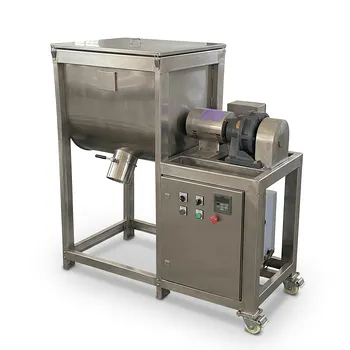
Horizontal Ribbon Mixer for Dry Powder and Slurry Blending
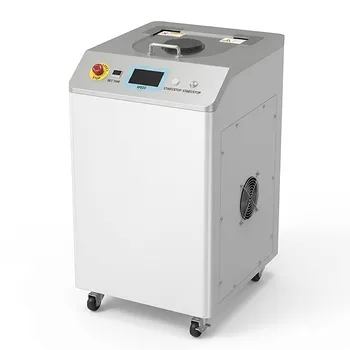
High Viscosity Planetary Centrifugal Vacuum Mixer for Material Defoaming and Uniform Mixing
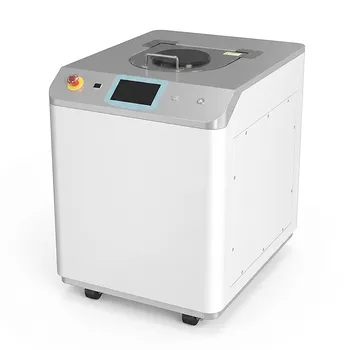
Industrial Planetary Centrifugal Vacuum Defoaming Mixer for High Viscosity Paste and Advanced Material Science
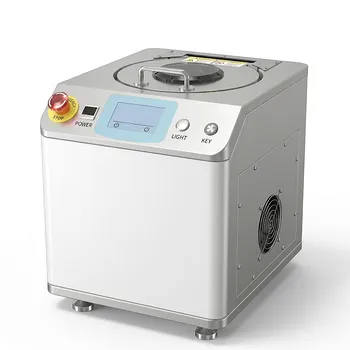
High Efficiency Vacuum Planetary Centrifugal Mixer and Defoaming Machine for Industrial Material Research and Precise Laboratory Powder Dispersion
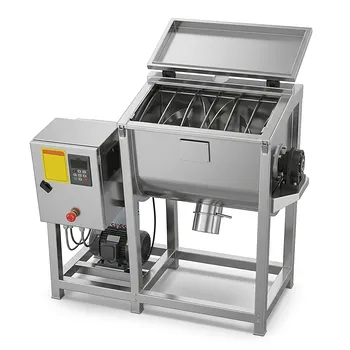
Horizontal Ribbon Mixer for Uniform Powder and Slurry Mixing
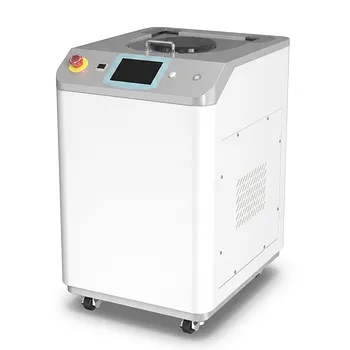
High Viscosity Planetary Centrifugal Mixing and Vacuum Defoaming Machine for Laboratory Material Preparation
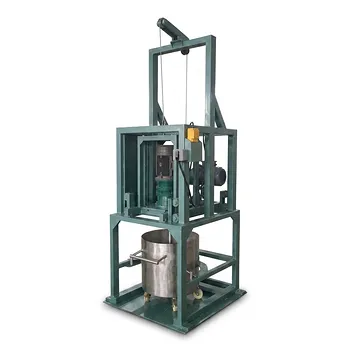
High-Speed Simple Disperser for Efficient Mixing, Dispersion, and Emulsification
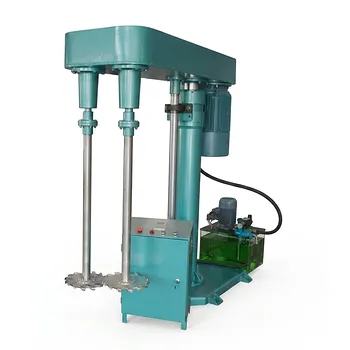
Hydraulic Double Shaft Disperser for High Viscosity Liquid Mixing and Dispersion