How does jet milling achieve particle size reduction for wheat powder? Explore Cold-Process Micron Precision
Updated 4 months ago
Jet milling achieves particle size reduction through high-velocity fluid energy rather than mechanical impact. By using high-pressure compressed gas to create a supersonic vortex, the mill accelerates wheat particles to extreme speeds. This environment forces the particles to collide with one another and the chamber walls, fracturing them into the 10-micron range while maintaining a strictly controlled, low-temperature environment.
Core Takeaway: Jet milling utilizes "autogenous" or self-grinding mechanics driven by high-pressure airflow to reduce wheat to a superfine state. This process eliminates mechanical heat, ensuring the powder retains its nutritional integrity while significantly increasing its specific surface area.
The Mechanics of Fluid Energy
High-Velocity Vortex Generation
Unlike traditional mills that use rotating blades or balls, jet milling relies entirely on fluid dynamics. High-pressure gas is injected into a grinding chamber, creating a high-velocity vortex that serves as the medium for transport and impact.
Autogenous Grinding and Attrition
Within this vortex, particle size reduction occurs primarily through particle-on-particle collisions. As wheat particles strike each other at supersonic speeds, they fracture along their natural crystal planes or structural weak points, a process known as self-grinding.
Hydrodynamic Impact
In addition to colliding with each other, particles are driven against the walls of the grinding chamber. This secondary hydrodynamic impact ensures that even the most resilient components of the wheat kernel are reduced to a uniform, superfine consistency.
The Structural Impact on Wheat Powder
Achieving Micron-Level Precision
The intense energy of the jet mill can consistently reduce wheat particles to the 10-micron range. This level of fineness is difficult to achieve with mechanical milling without causing significant damage to the material's molecular structure.
Increased Specific Surface Area
By breaking the wheat down into such small fragments, the process dramatically increases the specific surface area of the powder. This change improves the powder's reactivity, absorption rates, and how it interacts with other ingredients in food formulations.
Mechanical Stress and Material Transformation
The high-frequency collisions create intense mechanical stress on the wheat particles. While used in pharmaceuticals to alter solubility, in wheat, this stress can influence the physical properties of the starch and protein, potentially affecting the powder's functional performance.
Preserving Quality Through Thermal Control
Prevention of Frictional Heat
Traditional mechanical milling generates significant heat through friction between the equipment and the grain. Jet milling avoids this by using the expansion of compressed gas to maintain a low-temperature environment, typically between 0°C and 5°C.
Protection of Heat-Sensitive Nutrients
The low-temperature operation prevents the thermal degradation of vitamins, minerals, and enzymes found in wheat. This ensures that the resulting superfine powder retains the same nutritional profile as the original raw material.
Understanding the Trade-offs
Energy Intensity and Operating Costs
The primary drawback of jet milling is its high energy consumption. Generating the high-pressure airflow required for supersonic speeds requires significantly more electricity than standard mechanical grinding methods.
Equipment Maintenance and Material Wear
While there are no moving parts in the grinding zone, the high-speed impact of particles can cause abrasive wear on the chamber walls over time. Selecting specialized liners or materials is often necessary to prevent contamination and ensure longevity.
How to Apply This to Your Project
Making the Right Choice for Your Goal
- If your primary focus is nutritional preservation: Jet milling is the superior choice because its low-temperature environment prevents the loss of heat-sensitive vitamins and oils.
- If your primary focus is texture and solubility: Use jet milling to reach the 10-micron threshold, which ensures a smooth mouthfeel and faster hydration in liquid applications.
- If your primary focus is high-volume, low-cost production: Consider traditional mechanical milling first, as the energy costs of jet milling may be prohibitive for basic flour production.
By leveraging fluid energy instead of mechanical force, jet milling provides a precise, cold-process solution for creating high-performance wheat superfine powders.
Summary Table:
| Feature | Jet Milling (Fluid Energy) | Traditional Mechanical Milling |
|---|---|---|
| Mechanism | Supersonic vortex & particle collisions | Rotating blades, balls, or plates |
| Operating Temp | Low (0°C - 5°C) due to gas expansion | High due to mechanical friction |
| Particle Size | Superfine (~10 microns) | Typically coarser (>50 microns) |
| Nutrient Impact | Preserves heat-sensitive vitamins/enzymes | Risk of thermal degradation |
| Energy Source | High-pressure compressed gas | Electric motors/mechanical drive |
Elevate Your Material Processing with Precision Solutions
Achieving the perfect particle size while maintaining material integrity is critical for advanced research and production. At [Your Brand Name], we provide complete laboratory sample preparation solutions tailored for material science.
Whether you are preparing wheat superfine powder or processing advanced ceramics, our extensive equipment line ensures superior results:
- Advanced Milling: Jet mills for cold-process micronization, planetary ball mills, and cryogenic grinders.
- Size Reduction: High-performance jaw and roll crushers.
- Compaction & Pressing: A full spectrum of hydraulic presses, including Cold/Warm Isostatic Presses (CIP/WIP), vacuum hot presses, and XRF pellet presses.
- Mixing & Sieving: Precision powder mixers, defoaming mixers, and vibratory/air-jet sieve shakers.
Ready to optimize your lab's efficiency? Contact our experts today to find the ideal equipment for your specific application and benefit from our specialized expertise in powder processing and material transformation.
References
- Erqi Guan, Ke Bian. Ultrafine grinding of wheat flour: Effect of flour/starch granule profiles and particle size distribution on falling number and pasting properties. DOI: 10.1002/fsn3.1431
Mentioned Products
- Benchtop Micro Air Jet Mill for Ultrafine Grinding of High Value Powders
- High Speed Air Induced Ultrafine Pulverizer Laboratory Superfine Powder Mill for Pharmaceutical and Material Science Sample Preparation
- Laboratory Classification Jet Mill for Ultrafine Powder Grinding
- Laboratory Air Jet Sieving Machine for Fine Powder Particle Size Analysis and Deagglomeration
- Vibratory Superfine Grinder for Ultra Fine Laboratory Powder Milling
People Also Ask
- How does an air-jet mill enhance the performance of Mo2N when used as an electrocatalyst? Optimize Electrode Efficiency
- Why is secondary jet milling necessary for products processed through HME? Achieve Precision for Inhalation Delivery
- Why is a jet mill used for the co-milling of inhalable Itraconazole microparticles? Optimize Pulmonary Drug Delivery
- What are the advantages of a jet mill vs. a ball mill for high-purity ceramics? Achieve superior purity and precision.
- What are the advantages of using a jet mill compared to a ball mill for Sm-Co magnets? Purity vs. Performance

Tech Team · PowderPreparation
Last updated on Jun 03, 2026
Related Products
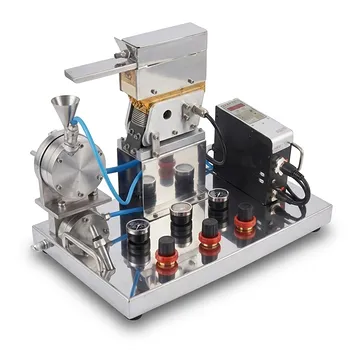
Benchtop Micro Air Jet Mill for Ultrafine Grinding of High Value Powders
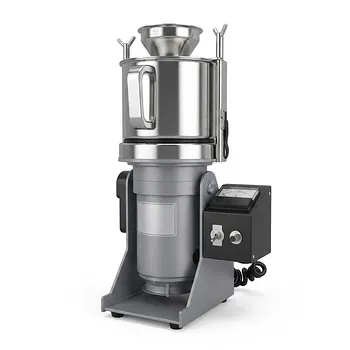
High Speed Air Induced Ultrafine Pulverizer Laboratory Superfine Powder Mill for Pharmaceutical and Material Science Sample Preparation
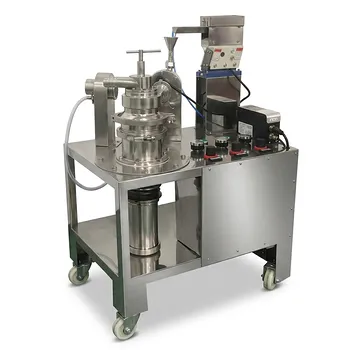
Laboratory Classification Jet Mill for Ultrafine Powder Grinding
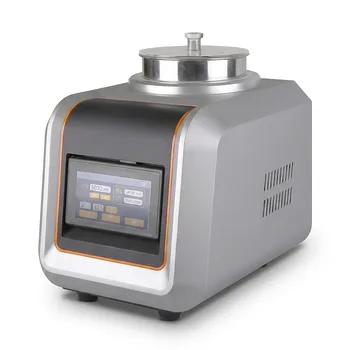
Laboratory Air Jet Sieving Machine for Fine Powder Particle Size Analysis and Deagglomeration
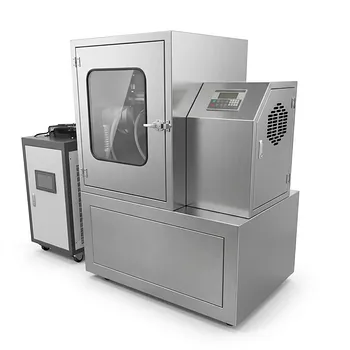
Vibratory Superfine Grinder for Ultra Fine Laboratory Powder Milling
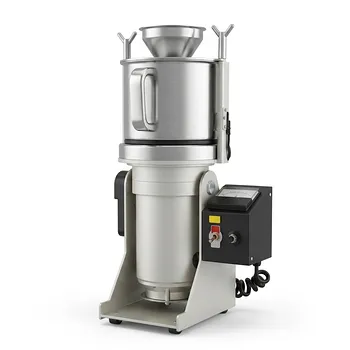
Water Cooled Pulse Jet Ultra Fine Pulverizer for Continuous Grinding
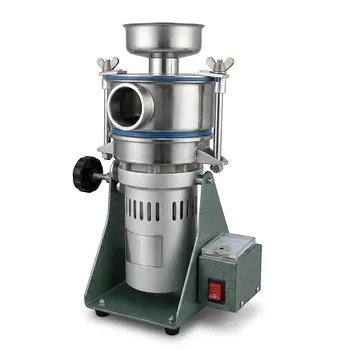
Small Airflow Ultra-Fine Grinder for Laboratory Sample Preparation
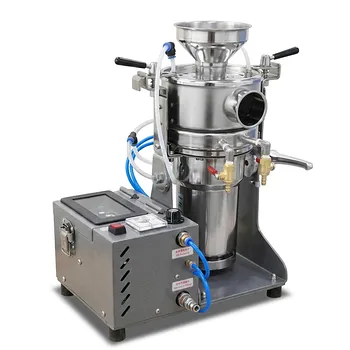
Water Cooled Pulse Jet Ultrafine Grinder
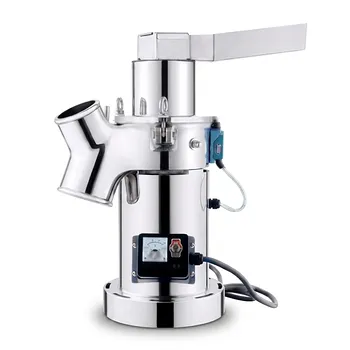
Airflow Ultrafine Pulverizer for Laboratory Ultra-fine Grinding
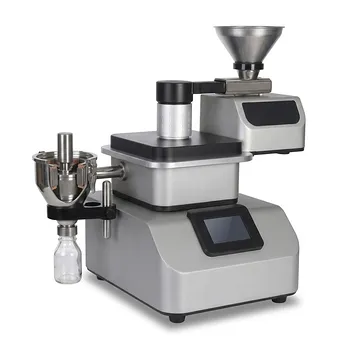
Ultra Centrifugal Mill for Rapid Laboratory Sample Preparation and Fine Powder Grinding
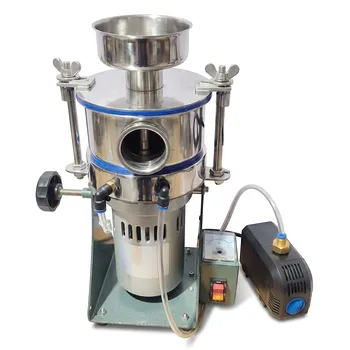
Water Cooled Airflow Ultra Fine Grinder for Low Temperature Material Processing
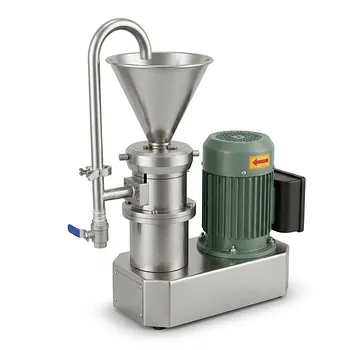
Small Laboratory Colloid Mill for Ultra-Fine Wet Grinding and Emulsification
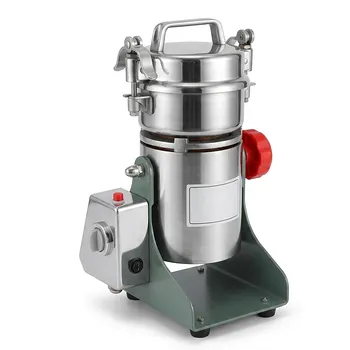
High Speed Swing Type Laboratory Pulverizer for Fine Powder Grinding and Sample Preparation
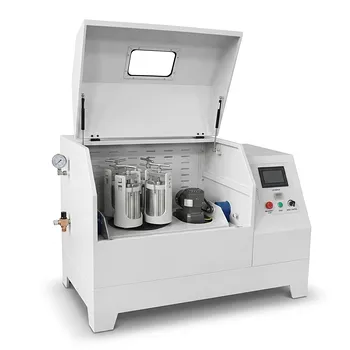
Vertical Production Planetary Ball Mill for High Throughput Powder Processing
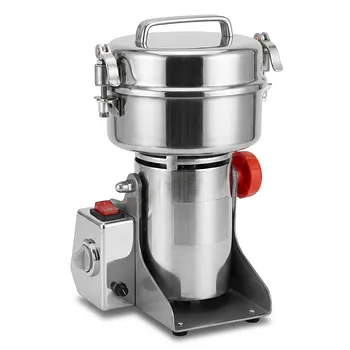
High Speed Laboratory Powder Grinder Small Batch Sample Preparation Mill
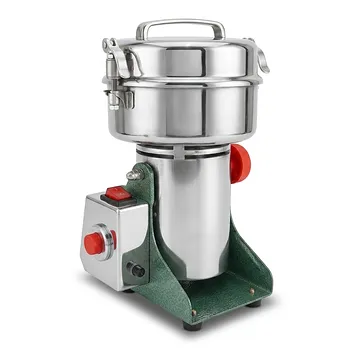
Small High-Speed Laboratory Grinder for Powder Processing
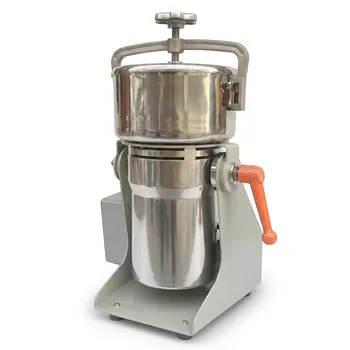
High Speed Laboratory Grinder Efficient Stainless Steel Powder Pulverizer Universal Material Science Mill for Sample Preparation
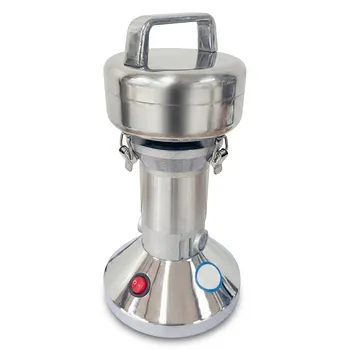
Small Trace Sample High Speed Pulverizer Grinder Laboratory Powder Mill
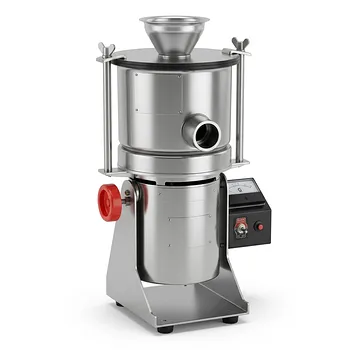
Laboratory Ultrafine Impact and Airflow Grinder for Precise Particle Size Control