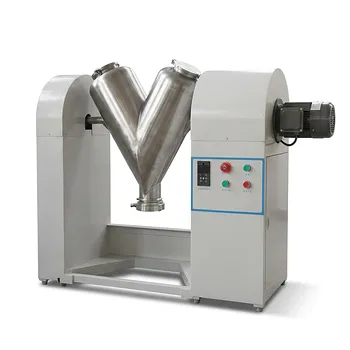
How does high-precision mixing ensure phase stability in BaO–MgO–ZrO2 ceramics? Achieve Pure Dielectric Performance
Updated 4 months ago
High-precision mixing equipment ensures phase stability by achieving microscopic uniformity of oxide components, which keeps the chemical composition strictly within the intended BaZrO3–MgO–ZrO2 ternary regions. This level of control is necessary because the BaO–MgO–ZrO2 system contains complex eutectic points and multiple subsystems that are highly sensitive to even minor composition imbalances. By preventing localized fluctuations, the equipment eliminates the risk of forming low-stability phases that would otherwise compromise the material’s thermal and dielectric performance.
High-precision mixing acts as the foundational safeguard against phase decomposition. By ensuring every cubic millimeter of the ceramic precursor maintains the correct stoichiometric ratio, it prevents the formation of parasitic phases and guarantees consistent thermal stability across the final product.
Maintaining Equilibrium in Complex Ternary Systems
Navigating Intricate Eutectic Points
The BaO–MgO–ZrO2 system is characterized by a complex landscape of subsystems and eutectic points where multiple phases can coexist. High-precision mixing ensures that the ratio of barium, magnesium, and zirconium oxides remains consistent throughout the entire volume of the material.
Preventing Localized Composition Shifts
Without high-precision blending, localized "hot spots" of a specific oxide can occur. These shifts move the material out of the stable BaZrO3–MgO–ZrO2 ternary region and into unstable territory, leading to unpredictable ceramic behavior during sintering.
Ensuring Stoichiometric Accuracy
Phase stability depends on the precise atomic ratio of the starting materials. High-performance equipment achieves a degree of homogeneity that allows the solid-state reactions to proceed exactly as designed, maintaining the intended crystalline structure.
Eliminating the Risk of Unstable Secondary Phases
The Ba3Zr2O7 Formation Risk
A primary threat to stability in this system is the accidental generation of Ba3Zr2O7. This specific phase is known for its low stability and can form easily if the barium-to-zirconium ratio is slightly imbalanced at the microscopic level.
Impact of Composition Imbalances
Even a minor excess of BaO in a local area can trigger the formation of undesirable phases. High-precision mixing ensures that these components are so thoroughly dispersed that no single area has the chemical "fuel" required to create these parasitic structures.
Securing Thermal Stability
By maintaining a pure phase distribution, the equipment ensures the ceramic can withstand high-temperature environments. This phase purity is the direct result of preventing the "segregation" of components during the initial preparation stages.
Optimizing the Sintering and Diffusion Process
Enhancing Atomic Diffusion
High-efficiency mixing refines the particle size and distributes components at a near-molecular level. This proximity allows atoms to diffuse more efficiently during high-temperature heat treatments, ensuring a complete and uniform reaction.
Building a Uniform Microstructure
The consistency of the "green body" (the unsintered ceramic) is determined by the mixing quality. A uniform distribution of particles prevents the formation of voids or structural discontinuities that could lead to mechanical or dielectric failure.
Establishing Structural Continuity
In complex ceramic systems, the uniformity of the initial blend determines the continuity of the final phase. High-precision equipment ensures that the dielectric properties are consistent throughout the entire component, rather than varying from one section to another.
Understanding the Trade-offs
Equipment Cost vs. Phase Purity
The primary trade-off for high-precision mixing is the significant initial investment in advanced machinery and the increased energy costs associated with longer or more intensive mixing cycles. However, these costs are typically offset by a dramatic reduction in material scrap and a higher yield of high-quality, stable ceramics.
Processing Time and Contamination Risk
Extended mixing or high-energy ball milling can achieve superior uniformity but may increase the risk of contamination from the mixing media (such as wear from alumina or zirconia balls). Engineers must balance the duration of the mixing process with the purity requirements of the final dielectric material.
Complexity of Scale-up
Achieving microscopic uniformity in a laboratory environment is significantly easier than maintaining that same precision at an industrial scale. Transitioning to mass production requires sophisticated equipment that can handle large volumes without sacrificing the stoichiometric control necessary for phase stability.
How to Apply This to Your Project
Selecting the Right Mixing Strategy
- If your primary focus is phase purity: Utilize high-energy ball milling or planetary mixers to ensure the finest possible distribution of BaO and ZrO2 to suppress Ba3Zr2O7 formation.
- If your primary focus is thermal stability: Prioritize equipment that offers high-precision weight dosing and automated slurry homogenization to maintain the material within the BaZrO3–MgO–ZrO2 ternary region.
- If your primary focus is production yield: Invest in high-efficiency mixing solutions that reduce localized composition fluctuations, thereby minimizing the rejection rate of sintered parts due to phase instability.
By prioritizing microscopic homogeneity during the initial mixing stage, manufacturers can effectively "lock in" the desired phase stability and ensure the long-term reliability of BaO–MgO–ZrO2 dielectric ceramics.
Summary Table:
| Key Mechanism | Function in Preparation | Impact on Phase Stability |
|---|---|---|
| Microscopic Uniformity | Prevents localized oxide concentration shifts | Eliminates the formation of unstable Ba3Zr2O7 phases. |
| Stoichiometric Control | Maintains BaZrO3–MgO–ZrO2 ternary ratios | Guarantees consistent thermal and dielectric performance. |
| Atomic Diffusion | Refines particle size for better heat treatment | Ensures complete solid-state reactions and uniform microstructure. |
| Homogenization | Prevents component segregation in slurry | Ensures structural continuity throughout the final ceramic component. |
Master Phase Stability with Precision Sample Preparation
Achieving the perfect BaO–MgO–ZrO2 phase requires more than just a formula; it requires absolute microscopic uniformity. We provide complete laboratory sample preparation solutions for material science, specializing in the powder processing and compaction equipment needed to eliminate parasitic phases and ensure dielectric reliability.
Our extensive product lines are designed to handle every stage of your ceramic workflow:
- Advanced Milling: Planetary ball mills, jet mills, and disc mills for molecular-level homogenization.
- Preparation Tools: Jaw/roll crushers, liquid nitrogen cryogenic grinders, and precision sieve shakers.
- Mixing & Blending: High-efficiency powder mixers and defoaming mixers to prevent segregation.
- Compaction Excellence: A full spectrum of hydraulic presses, including Cold/Warm Isostatic Presses (CIP/WIP), vacuum hot presses, and standard lab presses for high-density green bodies.
Don't let composition shifts compromise your material's performance. Contact us today to optimize your ceramic synthesis and discover how our high-precision equipment can increase your research precision and production yield.
References
- О. Н. Борисенко, Oleksandr Tymchenko. SUBSOLIDUS STRUCTURE OF THE SYSTEM BaO – MgO – ZrO2. DOI: 10.20998/2413-4295.2025.03.06
Mentioned Products
- High Efficiency Vacuum Planetary Centrifugal Mixer and Defoaming Machine for Industrial Material Research and Precise Laboratory Powder Dispersion
- 非介入式材料均质机真空脱泡行星搅拌高粘度混合设备
- Multi Dimensional Universal Mixer for High Uniformity Powder Blending
- High-Speed Simple Disperser for Efficient Mixing, Dispersion, and Emulsification
- High Viscosity Planetary Centrifugal Vacuum Mixer for Material Defoaming and Uniform Mixing
People Also Ask
- Why is a planetary centrifugal mixer recommended for geopolymer slurries? Achieve high-shear, air-free homogenization.
- What core functions does a planetary centrifugal mixer perform? Optimize Hard Carbon Anode Slurry & Degassing
- Why is a planetary centrifugal mixer utilized for wood powder and HPMC? Achieve uniform dispersion & rapid defoaming.
- What role does a planetary centrifugal mixer play in flexible sensor inks? Achieve Nano-Scale Homogenization
- What is the role of a planetary centrifugal mixer in preparing DCPD resin-based matrices? Ensure Flawless Homogeneity

Tech Team · PowderPreparation
Last updated on Jun 03, 2026
Related Products
High Efficiency Vacuum Planetary Centrifugal Mixer and Defoaming Machine for Industrial Material Research and Precise Laboratory Powder Dispersion
非介入式材料均质机真空脱泡行星搅拌高粘度混合设备
Multi Dimensional Universal Mixer for High Uniformity Powder Blending
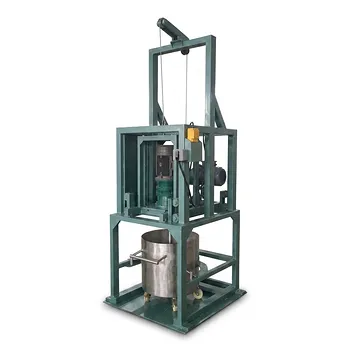
High-Speed Simple Disperser for Efficient Mixing, Dispersion, and Emulsification
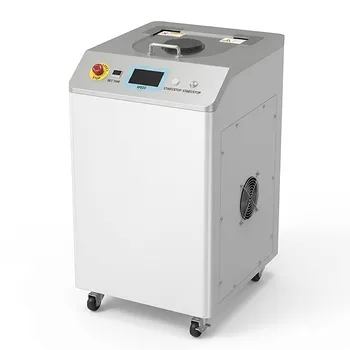
High Viscosity Planetary Centrifugal Vacuum Mixer for Material Defoaming and Uniform Mixing
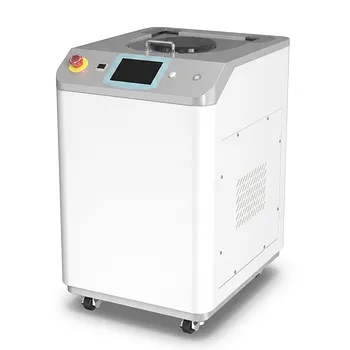
High Viscosity Planetary Centrifugal Mixing and Vacuum Defoaming Machine for Laboratory Material Preparation
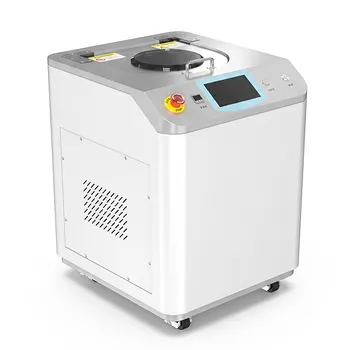
High Speed Vacuum Planetary Centrifugal Mixer and Defoamer for Industrial Paste Processing
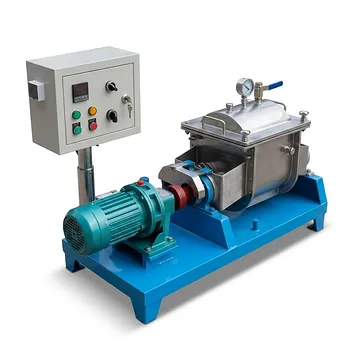
Industrial Vacuum Kneader for High-Viscosity Silicone, Rubber, and Compound Mixing
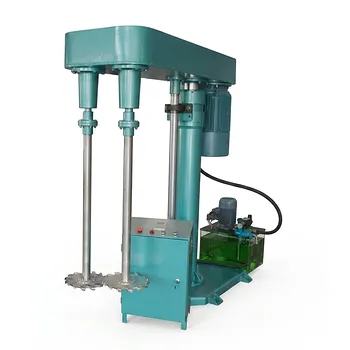
Hydraulic Double Shaft Disperser for High Viscosity Liquid Mixing and Dispersion
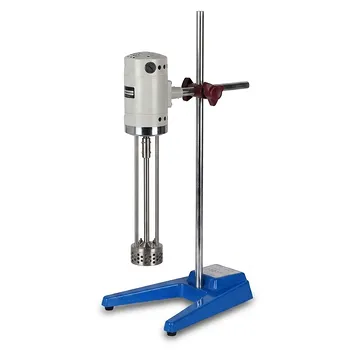
High Shear Laboratory Emulsifier for Mixing and Homogenization
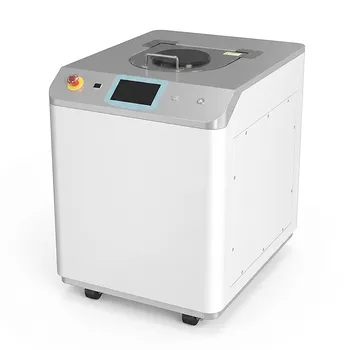
Industrial Planetary Centrifugal Vacuum Defoaming Mixer for High Viscosity Paste and Advanced Material Science
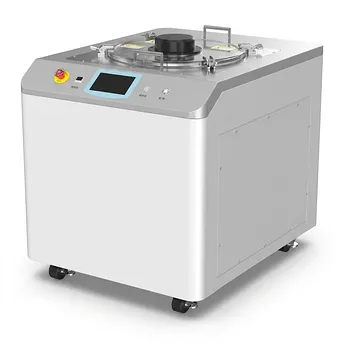
Industrial Planetary Centrifugal Vacuum Defoaming Mixer for High Viscosity Paste and Powder Homogenization
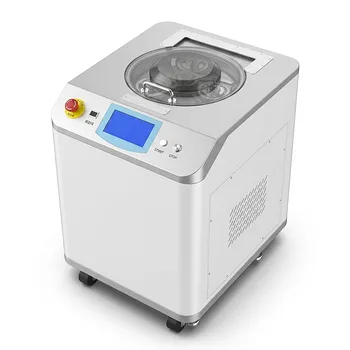
Dual Cup Vacuum Centrifugal Mixer Planetary Paste Defoaming Machine Industrial Material Processor
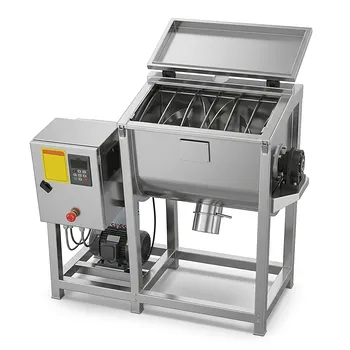
Horizontal Ribbon Mixer for Uniform Powder and Slurry Mixing
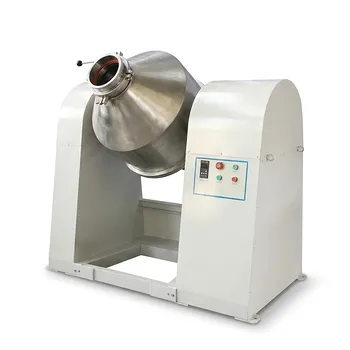
Industrial Double Cone Mixer for Powder Blending and Homogeneous Mixing
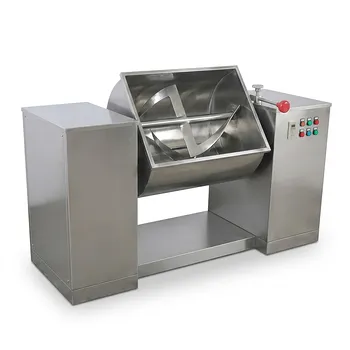
Horizontal Trough Mixer for Uniform Powder and Paste Blending
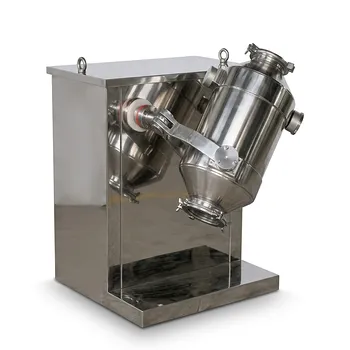
Three-Dimensional Motion Mixer for Laboratory Powder and Granule Blending
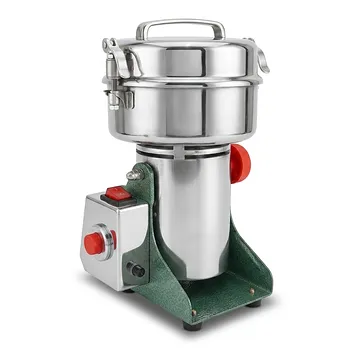
Small High-Speed Laboratory Grinder for Powder Processing
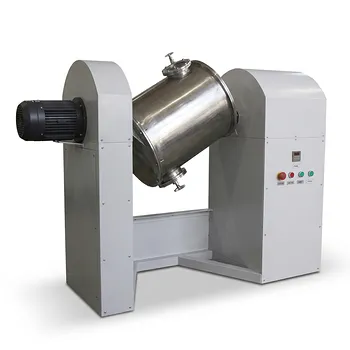
Inclined Mixer for Homogeneous Powder Blending and Grinding