How does an industrial grinding mill contribute to groundnut shell powder preparation? Enhance Polymer Filler Performance
Updated 5 months ago
Industrial grinding mills serve as the critical bridge between raw biomass and high-performance polymer composites. By applying high-intensity mechanical shear and impact forces, these mills reduce treated groundnut shells into a standardized fine powder. This process is essential for achieving the precise particle size required for uniform dispersion within a plastic or resin matrix.
The mechanical reduction of groundnut shells into fine powder is a surface area optimization process. By increasing the specific surface area, the mill directly dictates the structural integrity and bonding quality of the final polymer composite.
The Mechanics of Particle Size Reduction
High-Intensity Mechanical Forces
The industrial grinding mill utilizes a combination of shear and impact forces to fracture the cellular structure of the groundnut shell. This mechanical action breaks down the tough, fibrous biomass into a manageable powdered form.
Achieving Uniform Particle Distribution
Consistency is vital for industrial applications to ensure the composite material has predictable physical properties. The mill allows for controlled processing, ensuring that the resulting fine powder meets specific mesh size requirements for different polymer grades.
Enhancing the Interaction with Polymers
Increasing Specific Surface Area
As the mill reduces the particle size, it exponentially increases the specific surface area of the groundnut shell biomass. This provides a larger landscape for the polymer resin to contact the filler during the compounding process.
Strengthening Interfacial Bonding
The primary benefit of a high surface area is the enhancement of interfacial bonding strength. Better contact between the powder and the polymer matrix ensures that mechanical loads are transferred efficiently, preventing premature structural failure.
Understanding the Trade-offs
Energy Consumption vs. Particle Fineness
Achieving extremely fine particle sizes requires higher energy inputs and longer processing times. You must balance the energy costs of the mill with the performance requirements of the final composite to maintain cost-effectiveness.
Risks of Thermal Degradation
High-intensity grinding can generate significant frictional heat, which may damage the organic components of the groundnut shells. If the temperature is not managed, it can lead to discoloration or a reduction in the filler's reinforcing capabilities.
How to Apply This to Your Project
When integrating groundnut shell powder into your manufacturing workflow, your choice of grinding parameters should align with your material goals.
- If your primary focus is Maximum Structural Reinforcement: Prioritize a finer particle size to maximize surface area and ensure the strongest possible interfacial bond with the polymer.
- If your primary focus is Production Cost-Efficiency: Aim for the coarsest particle size that still meets your minimum mechanical requirements to reduce the energy consumption of the grinding mill.
- If your primary focus is Aesthetic Uniformity: Ensure the mill is calibrated for high consistency to prevent "clumping" or visible graininess in the finished polymer product.
Understanding the synergy between mechanical processing and material science allows for the transformation of agricultural waste into high-value, sustainable composite materials.
Summary Table:
| Feature | Impact on Groundnut Shell Powder | Benefit to Polymer Composite |
|---|---|---|
| Mechanical Shear/Impact | Breaks down fibrous biomass into fine powder | Ensures uniform dispersion in resin matrix |
| Particle Size Control | Increases specific surface area | Enhances interfacial bonding and strength |
| Consistency Management | Prevents clumping and ensures mesh uniformity | Predictable physical and aesthetic properties |
| Process Optimization | Balances energy input vs. thermal degradation | Cost-effective production with high material quality |
Elevate Your Material Research with Precision Powder Solutions
Transforming agricultural waste into high-performance polymer fillers requires precise control over particle morphology. At [Company Name], we provide complete laboratory sample preparation solutions for material science, specializing in high-performance powder processing and compaction equipment.
Whether you are optimizing groundnut shells or advanced ceramics, our extensive lines include crushers (jaw/roll), liquid nitrogen cryogenic grinders, and a variety of mills (planetary ball, jet, sand/bead, disc, rotor) to achieve the exact fineness your project demands. We also offer sieve shakers (vibratory/air-jet), powder mixers, and a full spectrum of hydraulic presses—including Cold/Warm Isostatic Presses (CIP/WIP), vacuum hot presses, and XRF pellet presses—to support your entire workflow from raw powder to finished composite.
Ready to optimize your composite performance? Contact our technical experts today to find the perfect equipment for your material goals!
References
- Farhana Afroz, M. A. Gafur. Synthesis of Hybrid Composites from Bio-Based Fillers: Chicken Feather, Groundnut Shell, Sawdust. DOI: 10.37934/mjcsm.13.1.126135
Mentioned Products
- Heavy Duty Horizontal Planetary Ball Mill for Efficient Industrial Grinding and Sample Preparation
- Mass Production Nano Sand Mill for Industrial Nanomaterial Grinding and Dispersion
- Cross Beater Mill for Brittle Material Grinding and Continuous Fine Crushing Industrial Sample Preparation
- Continuous Feeding Grinding Mill for Dry Fibrous Tough and Hard Materials in Laboratory and Small Production
- Horizontal Bead Mill for Nanoscale Grinding and Advanced Material Powder Processing
People Also Ask
- Why grind lime-pozzolan specimens for TG/DTA for 3 mins? Master sample prep for high-precision thermal analysis.
- What is the role of a planetary ball mill in the mechanical activation of ZTA powder? Boost Sintering Performance
- What is the function of a planetary ball mill in wollastonite ceramic prep? Achieve Molecular Homogenization & Reactivity
- How does a planetary ball mill contribute to the homogenization of trace elements? Achieve Sub-Micron Uniformity
- What is the function of a high-performance planetary ball mill in AMZ laminates? Master Ceramic Homogenization.

Tech Team · PowderPreparation
Last updated on May 14, 2026
Related Products
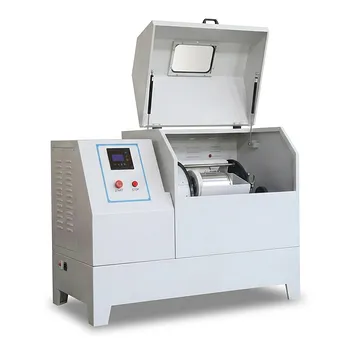
Heavy Duty Horizontal Planetary Ball Mill for Efficient Industrial Grinding and Sample Preparation
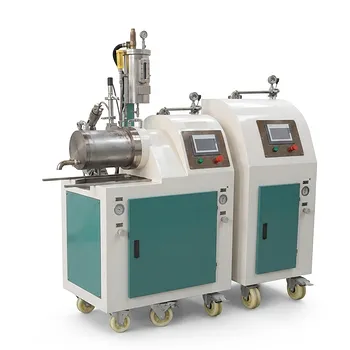
Mass Production Nano Sand Mill for Industrial Nanomaterial Grinding and Dispersion
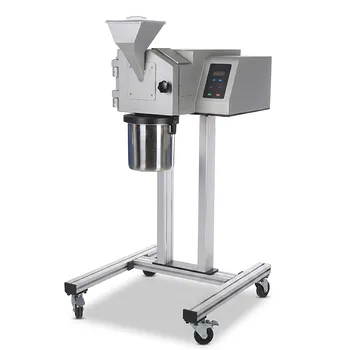
Cross Beater Mill for Brittle Material Grinding and Continuous Fine Crushing Industrial Sample Preparation
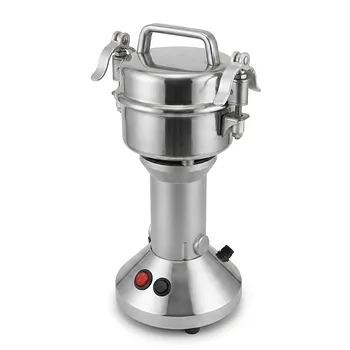
Continuous Feeding Grinding Mill for Dry Fibrous Tough and Hard Materials in Laboratory and Small Production
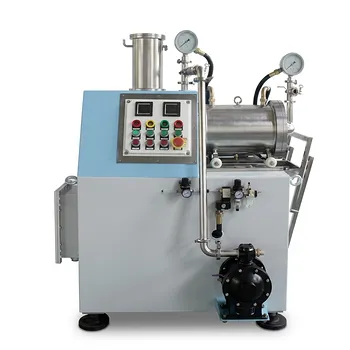
Horizontal Bead Mill for Nanoscale Grinding and Advanced Material Powder Processing

Vertical Square Planetary Ball Mill for Laboratory Sample Preparation and Nanoscale Grinding
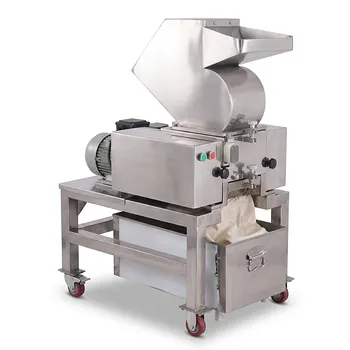
Stainless Steel Coarse Crusher for Pharmaceutical Food and Plastic Material Processing
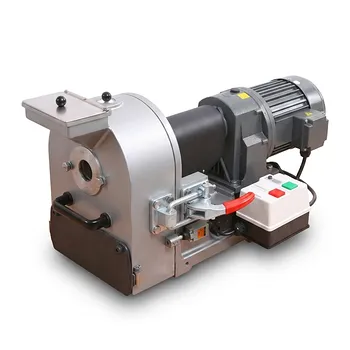
Laboratory Disc Mill for Fine Sample Preparation of Hard and Brittle Materials
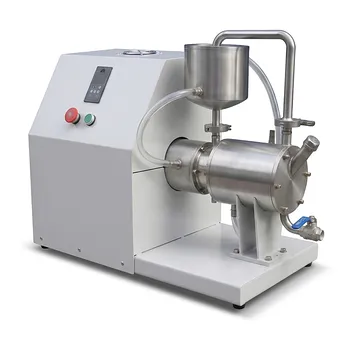
Laboratory Small Horizontal Sand Mill for Nano Materials Wet Grinding
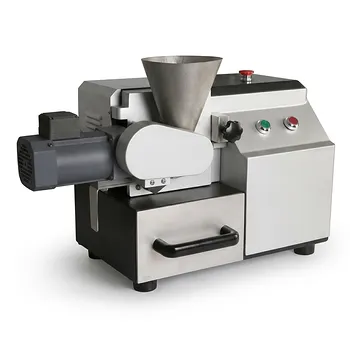
Laboratory Hammer Mill for Coal Quality Analysis and Brittle Mineral Grinding

High Energy Laboratory Planetary Ball Mill for Nano Grinding and Material Science Sample Preparation

Ultra Centrifugal Mill High Speed Laboratory Grinder for Fibrous and Brittle Sample Preparation
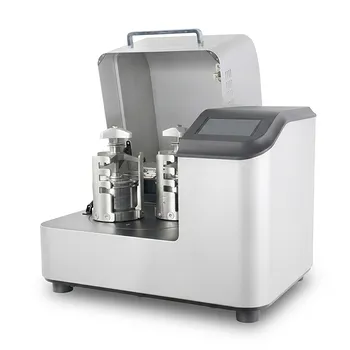
High Energy Planetary Ball Mill for Nano Scale Grinding and Mechanical Alloying
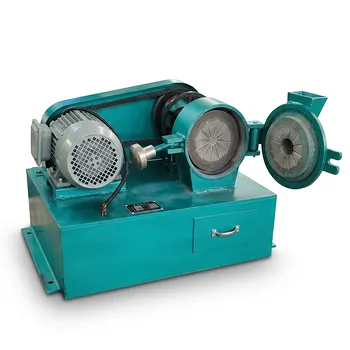
Laboratory Disc Mill Medium Hard Material Grinding Coal Coke Ore Pulverizer
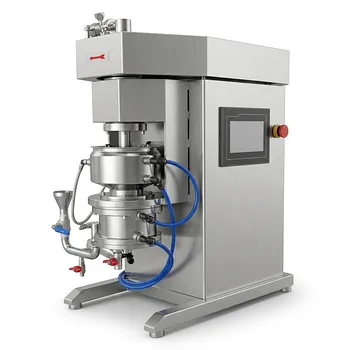
Small Ceramic Structure Laboratory Sand Mill Nanoscale Grinding Dispersion Equipment Seal-less Screen-less Design
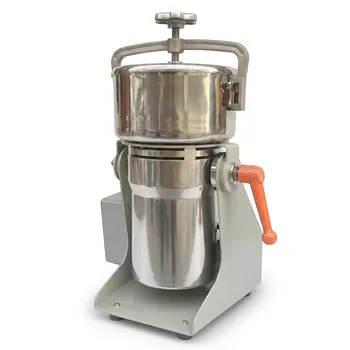
High Speed Laboratory Grinder Efficient Stainless Steel Powder Pulverizer Universal Material Science Mill for Sample Preparation
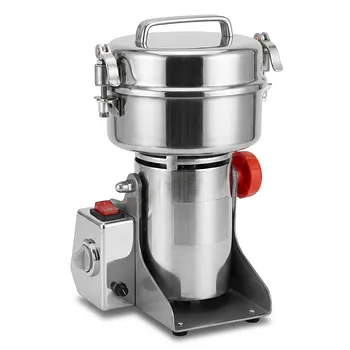
High Speed Laboratory Powder Grinder Small Batch Sample Preparation Mill

High Energy Omnidirectional Planetary Ball Mill 16L
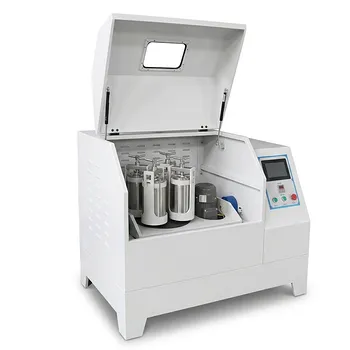
360° Rotating Omnidirectional Laboratory Planetary Ball Mill for Homogeneous Ultra-Fine Grinding and Mixing