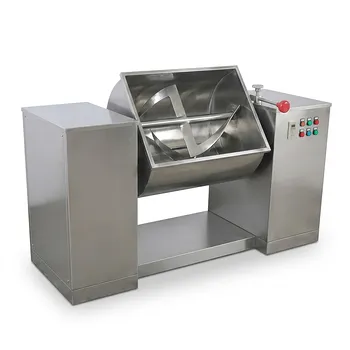
How does a planetary centrifugal mixer contribute to Al2O3/Ti slurry quality? Achieve Void-Free Microstructural Uniformity
Updated 3 months ago
A planetary centrifugal mixer is the critical link in achieving microstructural uniformity. In the secondary homogenization of alumina-titanium (Al2O3/Ti) composite slurries, this equipment utilizes simultaneous revolution and rotation to eliminate micro-agglomerates and perform vacuum degassing. These actions prevent void defects during slip casting, ensuring the final green body achieves maximum density and structural integrity.
Core Takeaway: By combining high-intensity shear forces with simultaneous defoaming, planetary centrifugal mixers transform raw composite mixtures into stable, air-free slurries. This dual-action process is essential for preventing structural weaknesses in Al2O3/Ti components.
The Mechanics of Dual-Action Mixing
Simultaneous Revolution and Rotation
The mixer operates by rotating the material container while it simultaneously revolves around a central axis. This dual-motion generates powerful centrifugal forces that drive the material in a complex, three-dimensional flow pattern.
Intense Kinetic Energy
The combination of these forces creates high-intensity shear within the slurry. This energy is far greater than that produced by standard stirring, allowing the mixer to process high-viscosity ceramic slurries that would otherwise remain unmixed.
Enhancing Microstructural Uniformity
Eliminating Micro-Agglomerates
After the initial ball milling stage, microscopic clusters of powder—known as micro-agglomerates—often persist. The planetary centrifugal mixer applies sufficient force to break these clusters apart, ensuring a molecular-level distribution of Al2O3 and Ti particles.
Managing Dissimilar Materials
Alumina and titanium often have significant differences in particle size and density. The high-energy environment of a planetary mixer prevents the heavier titanium particles from settling, maintaining a uniform suspension throughout the homogenization phase.
Uniform Particle Distribution
Achieving a 40 vol.% to 70 vol.% powder concentration requires precise dispersion into the resin or binder. The mixer ensures that every alumina particle is fully wetted and distributed, which is an essential prerequisite for high-quality green bodies.
Critical Degassing and Defoaming
Removing Microscopic Air Bubbles
Air bubbles are often introduced during the initial mixing or ball milling phases. The planetary centrifugal mixer performs a vital vacuum degassing operation, pulling microscopic bubbles to the surface where they are eliminated by centrifugal force.
Preventing Void Defects
If air remains trapped in the Al2O3/Ti slurry, it manifests as internal voids or surface pits during the slip casting process. Removing these bubbles ensures the structural integrity and high density of the resulting ceramic-metal composite.
Optimizing Rheological Stability
By removing air and ensuring uniform dispersion, the mixer stabilizes the slurry's rheological properties. This leads to consistent flowability and thixotropy, which are necessary for precision casting and 3D printing applications.
Understanding the Trade-offs
Heat Generation
The high-intensity kinetic energy required for homogenization can generate significant friction and heat within the slurry. In some cases, this may affect the stability of temperature-sensitive binders or initiators if not properly managed through cooling cycles.
Processing Time vs. Tool Wear
While planetary mixers are significantly faster than traditional methods, over-processing can lead to unnecessary wear on the mixing vessels. Finding the exact "sweet spot" for secondary homogenization is required to balance slurry quality with equipment longevity.
How to Apply This to Your Project
Making the Right Choice for Your Goal
To maximize the quality of your alumina-titanium composites, tailor your mixing parameters to your specific production requirements.
- If your primary focus is Maximum Density: Prioritize the vacuum degassing function and longer rotation cycles to ensure every microscopic void is eliminated before casting.
- If your primary focus is High-Volume Production: Focus on optimizing the revolution-to-rotation ratio to achieve rapid homogenization of micro-agglomerates in the shortest possible timeframe.
- If your primary focus is Complex Geometry: Ensure the slurry achieves high thixotropy through intense shear, which allows the material to flow perfectly into intricate molds without settling.
Properly integrated planetary centrifugal mixing is the most reliable method for bridging the gap between raw powder mixtures and high-performance composite components.
Summary Table:
| Feature | Mechanism | Benefit for Al2O3/Ti Composites |
|---|---|---|
| Dual-Action Motion | Simultaneous revolution and rotation | Generates high shear to process high-viscosity ceramic slurries. |
| De-agglomeration | High-intensity kinetic energy | Breaks microscopic clusters for molecular-level particle distribution. |
| Vacuum Degassing | Centrifugal air elimination | Removes microscopic bubbles to prevent internal voids and structural defects. |
| Suspension Control | 3D flow patterns | Prevents heavy titanium particles from settling, ensuring a uniform mixture. |
| Rheology Optimization | Precise dispersion | Stabilizes flowability and thixotropy for precision casting or 3D printing. |
Elevate Your Material Research with Precision Engineering
Achieving the perfect Al2O3/Ti composite requires more than just mixing—it requires a complete, integrated approach to sample preparation. As specialists in material science laboratory solutions, we provide the high-performance equipment you need to ensure structural integrity and maximum density in every batch.
Our extensive product range includes:
- Advanced Mixing: Planetary centrifugal mixers, vacuum defoaming mixers, and powder mixers.
- Milling & Grinding: Planetary ball mills, jet mills, and liquid nitrogen cryogenic grinders.
- Sample Preparation: Crushers (jaw/roll) and vibratory sieve shakers.
- Compaction & Pressing: A full spectrum of hydraulic presses, including Cold/Warm Isostatic Presses (CIP/WIP), hot presses, and XRF pellet presses.
Ready to optimize your secondary homogenization process? Contact our technical team today to discuss how our powder processing and compaction equipment can enhance your lab's efficiency and product quality.
References
- Marcin Wachowski, Lucjan Śnieżek. Study on Manufacturing via Slip Casting and Properties of Alumina-Titanium Composite Enhanced by Thialite Phase. DOI: 10.3390/ma16010079
Mentioned Products
- High Viscosity Planetary Centrifugal Vacuum Mixer for Material Defoaming and Uniform Mixing
- High Efficiency Vacuum Planetary Centrifugal Mixer and Defoaming Machine for Industrial Material Research and Precise Laboratory Powder Dispersion
- High Speed Vacuum Planetary Centrifugal Mixer and Defoamer for Industrial Paste Processing
- Industrial Planetary Centrifugal Vacuum Defoaming Mixer for High Viscosity Paste and Powder Homogenization
- High Viscosity Planetary Centrifugal Mixing and Vacuum Defoaming Machine for Laboratory Material Preparation
People Also Ask
- What core functions does a planetary centrifugal mixer perform? Optimize Hard Carbon Anode Slurry & Degassing
- Why is a planetary centrifugal mixer recommended for geopolymer slurries? Achieve high-shear, air-free homogenization.
- Why is a planetary centrifugal mixer utilized for wood powder and HPMC? Achieve uniform dispersion & rapid defoaming.
- Why is an industrial-grade planetary centrifugal mixer used for secondary stirring? Achieve Void-Free Filler Dispersion
- How does the tilt angle of the container influence fluid flow within a planetary centrifugal mixer? Master 3D Convection

Tech Team · PowderPreparation
Last updated on Jun 03, 2026
Related Products
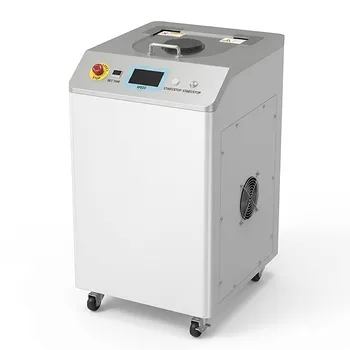
High Viscosity Planetary Centrifugal Vacuum Mixer for Material Defoaming and Uniform Mixing
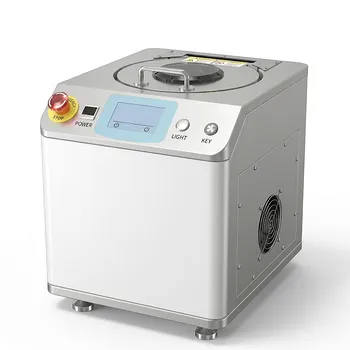
High Efficiency Vacuum Planetary Centrifugal Mixer and Defoaming Machine for Industrial Material Research and Precise Laboratory Powder Dispersion
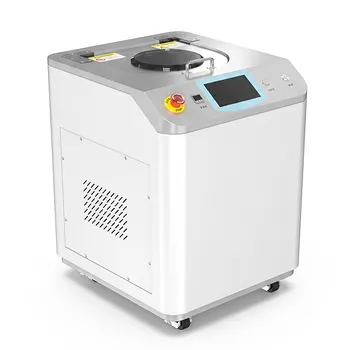
High Speed Vacuum Planetary Centrifugal Mixer and Defoamer for Industrial Paste Processing
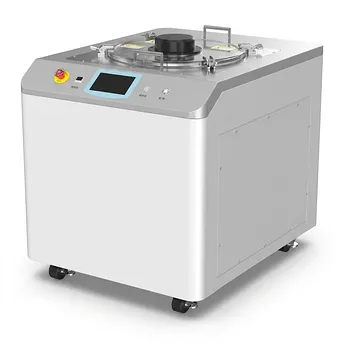
Industrial Planetary Centrifugal Vacuum Defoaming Mixer for High Viscosity Paste and Powder Homogenization
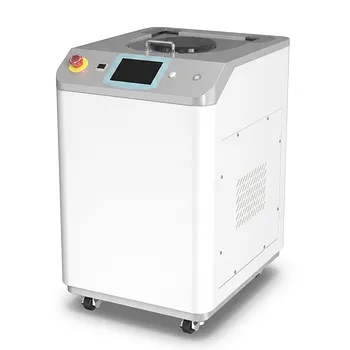
High Viscosity Planetary Centrifugal Mixing and Vacuum Defoaming Machine for Laboratory Material Preparation
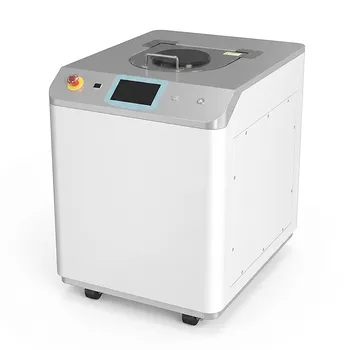
Industrial Planetary Centrifugal Vacuum Defoaming Mixer for High Viscosity Paste and Advanced Material Science
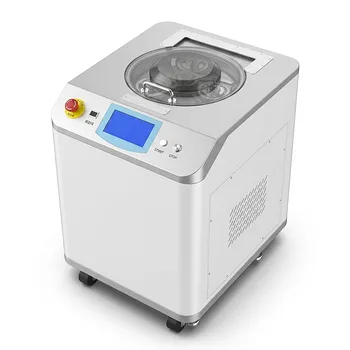
Dual Cup Vacuum Centrifugal Mixer Planetary Paste Defoaming Machine Industrial Material Processor
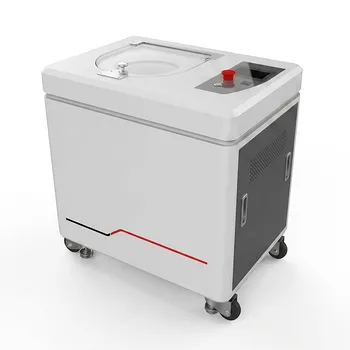
非介入式材料均质机真空脱泡行星搅拌高粘度混合设备
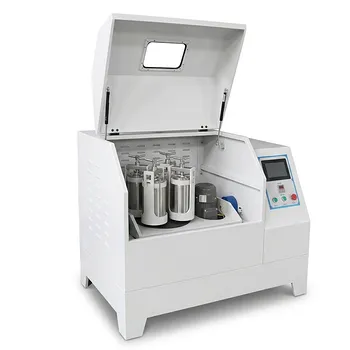
360° Rotating Omnidirectional Laboratory Planetary Ball Mill for Homogeneous Ultra-Fine Grinding and Mixing
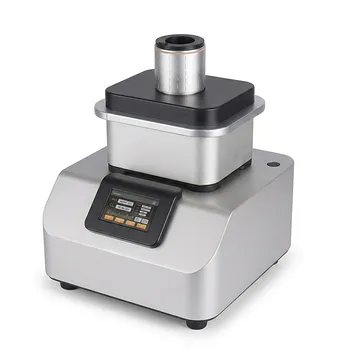
Ultra Centrifugal Mill High Speed Laboratory Grinder for Fibrous and Brittle Sample Preparation
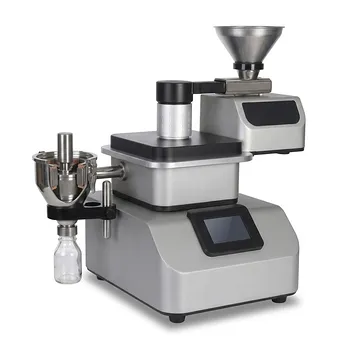
Ultra Centrifugal Mill for Rapid Laboratory Sample Preparation and Fine Powder Grinding
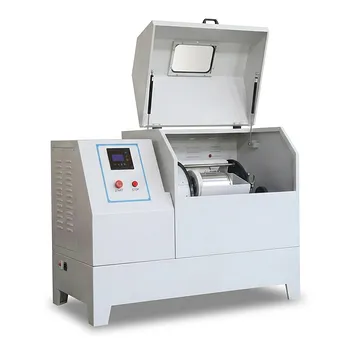
Heavy Duty Horizontal Planetary Ball Mill for Efficient Industrial Grinding and Sample Preparation
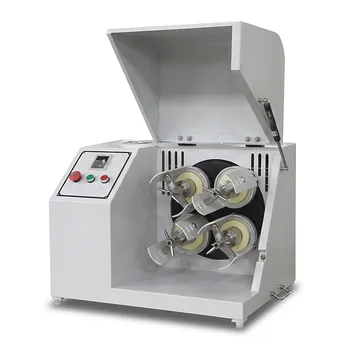
Horizontal Light Duty Planetary Ball Mill for Laboratory Sample Preparation
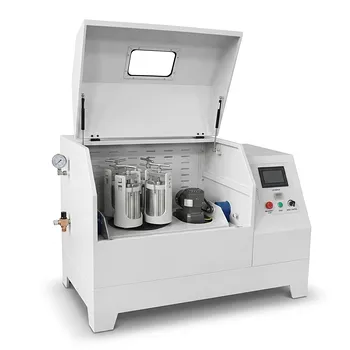
Vertical Production Planetary Ball Mill for High Throughput Powder Processing
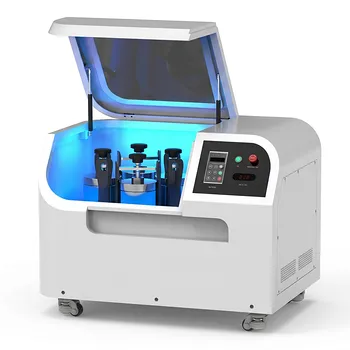
Planetary Ball Mill 12L
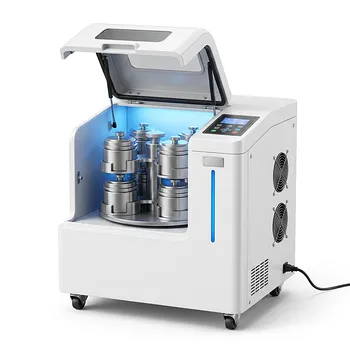
High Energy Omnidirectional Planetary Ball Mill 20L
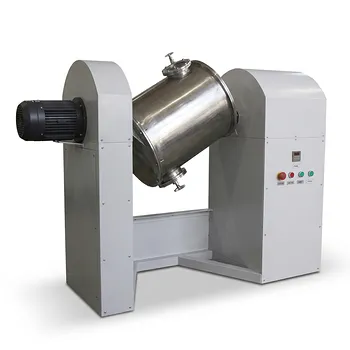
Inclined Mixer for Homogeneous Powder Blending and Grinding
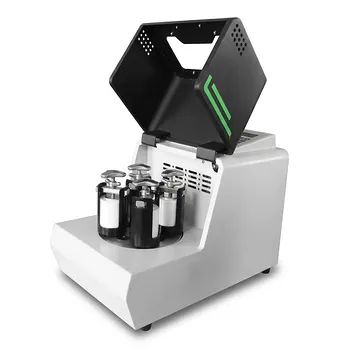
Miniature Planetary Ball Mill with Vacuum Grinding and High Efficiency for Laboratory Sample Preparation
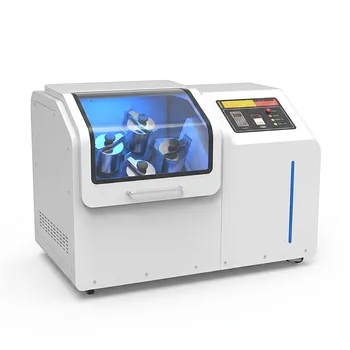
High Energy Omnidirectional Planetary Ball Mill 16L