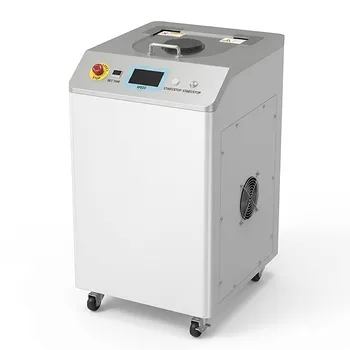
How does a laboratory-scale batch mixer contribute to the preparation of PLA and cellulose composite materials?
Updated 4 months ago
The laboratory-scale batch mixer is the critical bridge between raw biopolymers and high-performance functional composites.
The mixer provides a controlled, high-temperature, and high-shear environment necessary to melt the polylactic acid (PLA) matrix and integrate cellulose fillers. By utilizing counter-rotating blades, the equipment ensures that cellulose is uniformly dispersed at the micron level, facilitating the physical entanglement and chemical interactions required for a stable composite.
The batch mixer transforms discrete PLA and cellulose components into a homogenous biocomposite by leveraging mechanical shear and thermal energy. This process is fundamental for achieving the micron-level dispersion required for superior mechanical and chemical material properties.
Facilitating the Melt-Blending Process
Controlled Thermal Energy Application
The batch mixer uses a heated mixing chamber to reach the precise melting point of the PLA resin. Melting the polymer particles first is an essential step, as it creates a fluid medium that can effectively coat and interact with the filler materials.
High-Shear Mechanical Action
Counter-rotating blades generate the intense shear forces required to break down filler clusters. This mechanical action is vital for overcoming the high viscosity of the PLA melt, ensuring that the cellulose fillers are incorporated rather than remaining as isolated aggregates.
Optimized Addition Sequences
In a batch process, the timing of material addition is strictly controlled. By adding ball-milled cellulose only after the PLA has achieved a full melt, the mixer ensures a more uniform distribution and prevents the premature degradation of the organic fillers.
Enhancing Material Homogeneity and Performance
Micron-Level Dispersion
The primary contribution of the mixer is achieving uniform dispersion of the filler at the micron level within the polyester matrix. Consistent distribution is the key to preventing "weak spots" and ensuring the final material exhibits predictable physical properties.
Promoting Interfacial Bonding
The melt-blending process creates the ideal conditions for physical entanglement between polymer chains and cellulose fibers. These mechanical bonds, alongside potential chemical interactions, are what give the composite its structural integrity and enhanced performance characteristics.
Minimizing Internal Defects
Effective mechanical stirring prevents the agglomeration of biomass fillers, which is a common cause of internal porosity. By reducing these defects, the batch mixer maximizes the reinforcing effect of the cellulose, leading to a denser and more resilient material.
Understanding the Trade-offs
Thermal Degradation Risks
Extended residence time in the heated chamber can lead to the thermal degradation of both the PLA and the cellulose. Precise control over temperature and mixing duration is necessary to prevent the material from losing molecular weight, which would compromise its strength.
Viscosity and Torque Limitations
High loadings of cellulose significantly increase the viscosity of the mixture, placing immense strain on the mixer's motor. If the shear forces are too aggressive, they may inadvertently shorten the cellulose fibers, potentially reducing the reinforcing potential of the biomass.
Optimizing the Mixing Strategy for Your Project
To achieve the best results with PLA-cellulose composites, your mixing parameters must be tailored to the specific requirements of your end-use application.
- If your primary focus is mechanical reinforcement: Prioritize high shear forces and thorough dispersion to ensure the cellulose fibers are fully integrated and able to distribute mechanical stress.
- If your primary focus is moisture resistance: Focus on achieving homogenous distribution of the biomass to optimize the water absorption properties and prevent localized swelling.
- If your primary focus is material purity: Implement precise temperature monitoring to avoid overheating, ensuring the biopolymer matrix does not undergo thermal discolouration or degradation.
Mastering the dynamics of the batch mixer allows researchers to unlock the full potential of sustainable biocomposite materials through superior interfacial bonding.
Summary Table:
| Feature | Function | Benefit for PLA-Cellulose Composites |
|---|---|---|
| Heated Chamber | Precise thermal control | Ensures full PLA melting for effective filler coating |
| Counter-rotating Blades | High-shear mechanical action | Achieves micron-level dispersion of cellulose clusters |
| Batch Processing | Optimized addition sequence | Prevents thermal degradation of organic fillers |
| Shear Intensity | Interfacial bonding | Enhances structural integrity and mechanical strength |
Elevate Your Biocomposite Research with KINTEK SOLUTION
Unlock the full potential of your material science projects with KINTEK SOLUTION’s comprehensive laboratory sample preparation systems. We specialize in precision powder processing and compaction equipment designed for high-performance results.
Whether you need to achieve micron-level dispersion with our advanced mixers, refine particles with our planetary ball and jet mills, or consolidate materials using our full spectrum of hydraulic presses (including CIP/WIP, XRF, and Vacuum Hot Presses), we have the expertise to optimize your workflow.
Contact us today to discover how our tailored solutions can enhance your lab's efficiency and material performance!
References
- Roberta Capuano, Maria Emanuela Errico. Enhancement of Stability Towards Aging and Soil Degradation Rate of Plasticized Poly(lactic Acid) Composites Containing Ball-Milled Cellulose. DOI: 10.3390/polym17152127
Mentioned Products
- Universal Laboratory Pulverizer Grinder for Small Batch Powder Processing and Material Science Research
- Horizontal Ribbon Mixer for Uniform Powder and Slurry Mixing
- Three-Dimensional Motion Mixer for Laboratory Powder and Granule Blending
- Micro Solid Sample Grinder High Speed Pulverizer for Laboratory Small Batch Grinding
- High Viscosity Planetary Centrifugal Mixing and Vacuum Defoaming Machine for Laboratory Material Preparation
People Also Ask
- What is the function of a laboratory pulverizer in Boerhavia diffusa-based adsorbent prep? Maximize Surface Area
- What role does a laboratory grinder play in the pretreatment of sunflower seed shell-based adsorbents? Boost Efficiency.
- How does a laboratory grinder or mill enhance the adsorption performance of agricultural waste materials? Boost Surface Area
- What is the function of laboratory-scale pulverizing equipment in bio-adsorptive film prep? Maximize Surface Area
- Why must soil samples be ground before XRD or XRF analysis? Ensure Precision & Homogeneity in Lab Results

Tech Team · PowderPreparation
Last updated on Jun 03, 2026
Related Products
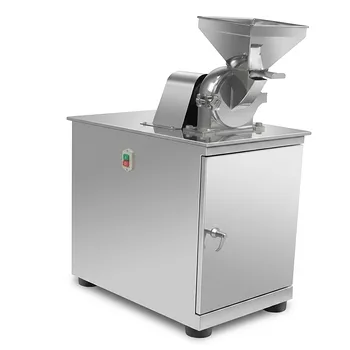
Universal Laboratory Pulverizer Grinder for Small Batch Powder Processing and Material Science Research
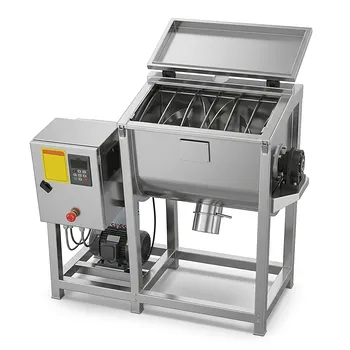
Horizontal Ribbon Mixer for Uniform Powder and Slurry Mixing
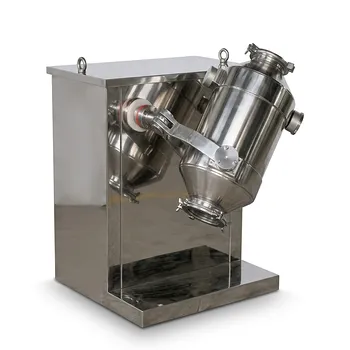
Three-Dimensional Motion Mixer for Laboratory Powder and Granule Blending
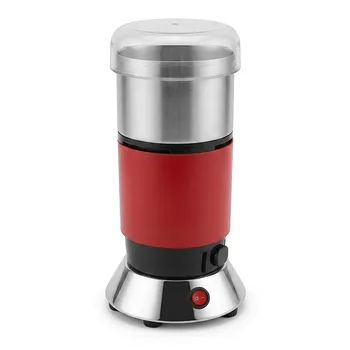
Micro Solid Sample Grinder High Speed Pulverizer for Laboratory Small Batch Grinding
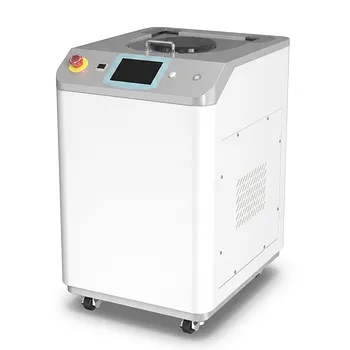
High Viscosity Planetary Centrifugal Mixing and Vacuum Defoaming Machine for Laboratory Material Preparation
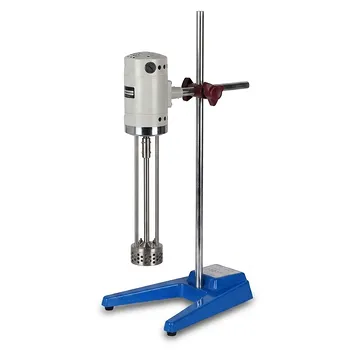
High Shear Laboratory Emulsifier for Mixing and Homogenization
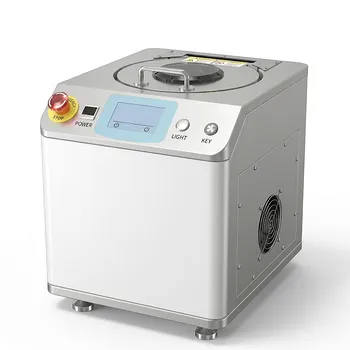
High Efficiency Vacuum Planetary Centrifugal Mixer and Defoaming Machine for Industrial Material Research and Precise Laboratory Powder Dispersion
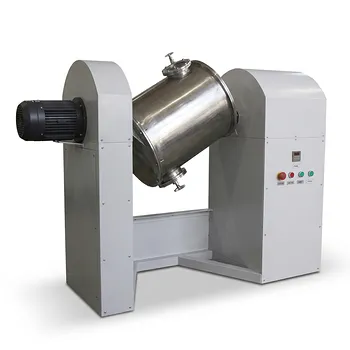
Inclined Mixer for Homogeneous Powder Blending and Grinding
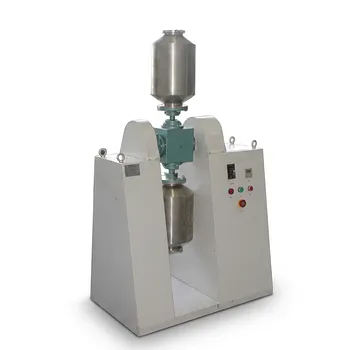
Multi Dimensional Universal Mixer for High Uniformity Powder Blending
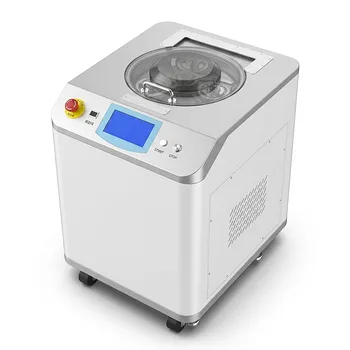
Dual Cup Vacuum Centrifugal Mixer Planetary Paste Defoaming Machine Industrial Material Processor
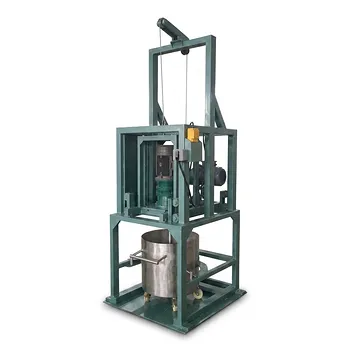
High-Speed Simple Disperser for Efficient Mixing, Dispersion, and Emulsification
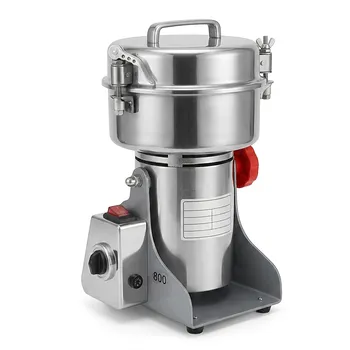
Small High-Speed Laboratory Grinder for Rapid Sample Preparation
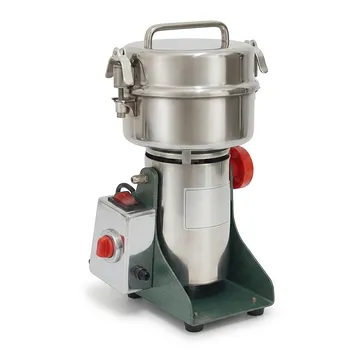
Small High Speed Grinder for Laboratory Sample Preparation
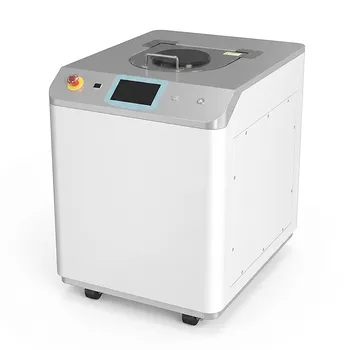
Industrial Planetary Centrifugal Vacuum Defoaming Mixer for High Viscosity Paste and Advanced Material Science
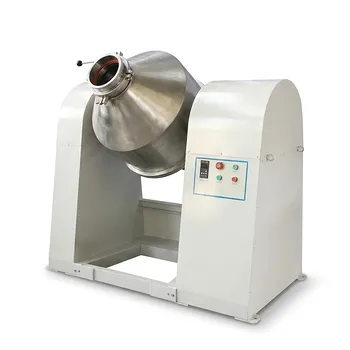
Industrial Double Cone Mixer for Powder Blending and Homogeneous Mixing
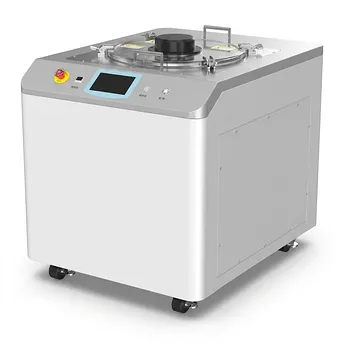
Industrial Planetary Centrifugal Vacuum Defoaming Mixer for High Viscosity Paste and Powder Homogenization
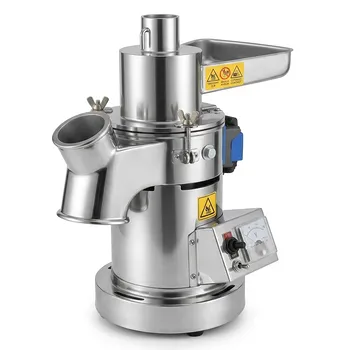
Continuous Feeding Grinder High Efficiency Pulverizer for Lab Sample Preparation
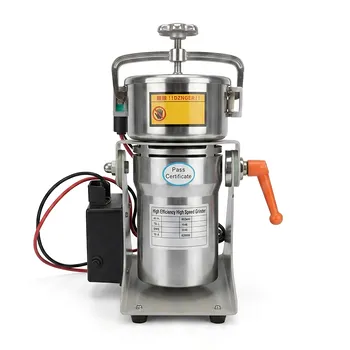
High Efficiency High Speed Grinder Laboratory Mill 1300W 25000rpm
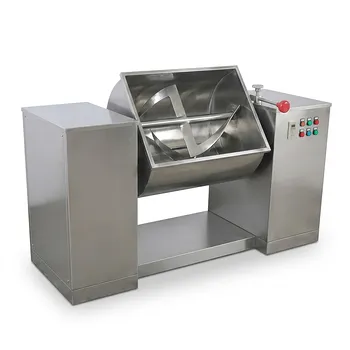
Horizontal Trough Mixer for Uniform Powder and Paste Blending