How does a lab hot press form thermal pathways in Al2O3/MGN/SR films? Optimize Composite Performance.
Updated 4 months ago
The laboratory hot press acts as the primary catalyst for thermal network formation by simultaneously applying mechanical pressure and controlled heat to the composite mixture. This process forces the alumina fillers and multilayer graphene nanosheets into intimate physical contact, transforming isolated particles into continuous 'Al2O3-MGN-Al2O3' heat conduction pathways within the silicone resin matrix.
The laboratory hot press facilitates thermal conductivity by using high pressure to maximize filler contact probability and heat to drive resin curing. This dual action eliminates air gaps and creates a dense, interconnected filler bridge that is essential for efficient phonon transport.
The Physical Mechanism of Network Formation
Filler Compaction and Contact Probability
The hot press applies stable mechanical pressure that physically reduces the distance between the binary alumina fillers and multilayer graphene nanosheets (MGN). This compaction is critical because it overcomes the natural dispersion of fillers within the silicone resin, significantly increasing the contact probability between disparate particles.
Building the 'Al2O3-MGN-Al2O3' Bridge
As the fillers are pressed together, they form a macro-level network often referred to as an 'Al2O3-MGN-Al2O3' conduction pathway. The graphene nanosheets act as highly conductive bridges between the larger alumina particles, creating a low-resistance route for heat to flow through the composite film.
Densification and Air Elimination
High pressure during the molding process serves to densify the material and expel residual air trapped within the mixture. By eliminating these air pockets, which act as thermal insulators, the hot press ensures that the resulting film has a high degree of structural integrity and minimal thermal resistance.
The Role of Thermal Energy in Matrix Integration
Facilitating Resin Curing and Cross-linking
The elevated temperatures provided by the hot press—typically around 120°C for silicone-based composites—are essential for the chemical curing of the resin. This heat triggers the cross-linking process, which locks the filler network into a permanent, stable configuration within the polymer matrix.
Promoting Matrix Flow and Encapsulation
Heat reduces the viscosity of the silicone resin, allowing it to flow more freely around the alumina and graphene particles. This ensures that the fillers are tightly encapsulated, which improves interlayer adhesion and reduces the risk of interfacial thermal resistance between the fillers and the resin.
Achieving Uniform Thickness and Flatness
By precisely controlling the mold gap and pressure, the hot press produces composite sheets with a uniform thickness (often between 1 and 2 mm). This geometric precision is vital for consistent thermal performance across the entire surface of the film, ensuring there are no "hot spots" caused by material thinning.
Understanding the Trade-offs
Pressure Sensitivity and Filler Damage
While high pressure is necessary for pathway formation, excessive force can lead to the structural degradation of the multilayer graphene nanosheets. Over-compaction may also cause the resin to be squeezed out of the mold, resulting in a brittle film with a filler-to-matrix ratio that deviates from the intended design.
Thermal Management During Cooling
The rate at which the hot press cools after the curing cycle can significantly impact the crystallization behavior and internal stress of the film. Rapid cooling may lead to warping or micro-cracks, while controlled cooling helps maintain the flatness and long-term mechanical stability of the composite.
How to Apply This to Your Project
When utilizing a laboratory hot press to manufacture Al2O3/MGN/SR composite films, your strategy should shift based on your specific performance requirements:
- If your primary focus is maximum thermal conductivity: Prioritize higher molding pressures to maximize filler-to-filler contact, ensuring you stay below the threshold where graphene nanosheets undergo mechanical fracture.
- If your primary focus is mechanical flexibility: Optimize the curing temperature and duration to ensure complete cross-linking of the silicone resin, which provides the elasticity needed to maintain the conduction network under strain.
- If your primary focus is production consistency: Implement a precise preheating and controlled cooling cycle to eliminate residual air and ensure uniform thickness across all experimental specimens.
By mastering the balance between mechanical compaction and thermal curing, you can reliably engineer composite films with optimized heat dissipation properties.
Summary Table:
| Hot Press Action | Physical Mechanism | Impact on Thermal Conductivity |
|---|---|---|
| Mechanical Pressure | Filler Compaction | Maximizes contact between Alumina and Graphene particles. |
| Thermal Energy | Resin Curing & Flow | Drives cross-linking and eliminates interfacial resistance. |
| Vacuum/High Pressure | Air Elimination | Expels insulating air pockets to densify the composite. |
| Precision Molding | Thickness Control | Ensures uniform heat dissipation across the entire film. |
Precision Equipment for Advanced Material Synthesis
Achieving the perfect thermal conduction pathway requires more than just high pressure—it requires precision and reliability. At our company, we provide complete laboratory sample preparation solutions for material science, specializing in high-performance powder processing and compaction equipment designed to meet the rigorous standards of Al2O3/MGN/SR composite research.
Our extensive product range supports every stage of your workflow:
- Compaction Solutions: Full spectrum of hydraulic presses, including Cold/Warm Isostatic Presses (CIP/WIP), vacuum hot presses, and XRF pellet presses.
- Powder Processing: Advanced planetary ball mills, jet mills, and cryogenic grinders for optimal filler dispersion.
- Mixing & Analysis: High-efficiency powder and defoaming mixers, plus vibratory sieve shakers for precise particle sizing.
Whether you are a researcher aiming for maximum thermal conductivity or a manufacturer seeking production consistency, our equipment ensures your materials achieve their full potential.
Ready to upgrade your lab's capabilities? Contact us today to discuss your project!
References
- Yutan Shen, Chang Liu. Multi‐layer graphene nanosheets bridging binary aluminium oxide for the synergistic enhancement of thermal conductivity and electrical insulation of silicone resin composite. DOI: 10.1049/ema3.70000
Mentioned Products
- 6-Ton Small Single-Punch Tablet Press — Laboratory Powder & Granule Tableting Equipment / Tablet Forming Machine
- 5 Ton Single Punch Tablet Press Laboratory Small Batch Production
- Manual Tablet Press with Dual Scale Pressure Gauge for Pharmaceutical Food Chemical Laboratory Sample Preparation
- 6 Ton Variable Frequency Single Punch Tablet Press
- High Speed Swing Type Laboratory Pulverizer for Fine Powder Grinding and Sample Preparation
People Also Ask
- What is the function of a laboratory press in Cr-Ti alloy evaluation? Quantify Fracture Stress & Strength
- What is the function of a laboratory press in assessing the hydrophobic performance of modified vermiculite fillers?
- What is the core function of a laboratory press in the forming of ceramic filter element green bodies? Maximize Density.
- What is the function of a laboratory press in the preparation of ceramic feed rods? Master Density and Precision
- Why is vacuum sealing and flexible packaging necessary for Aluminum Titanate powders during CIP? Ensure Peak Density

Tech Team · PowderPreparation
Last updated on Jun 03, 2026
Related Products
6-Ton Small Single-Punch Tablet Press — Laboratory Powder & Granule Tableting Equipment / Tablet Forming Machine
5 Ton Single Punch Tablet Press Laboratory Small Batch Production
Manual Tablet Press with Dual Scale Pressure Gauge for Pharmaceutical Food Chemical Laboratory Sample Preparation
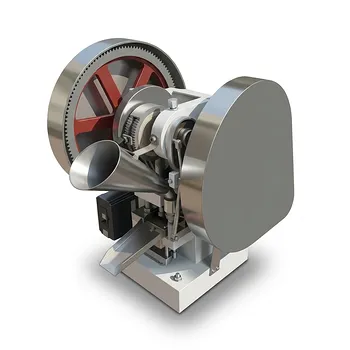
6 Ton Variable Frequency Single Punch Tablet Press
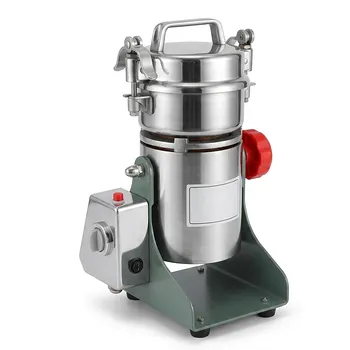
High Speed Swing Type Laboratory Pulverizer for Fine Powder Grinding and Sample Preparation
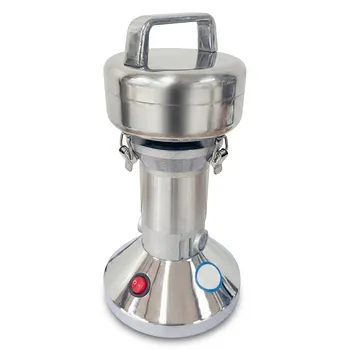
Small Trace Sample High Speed Pulverizer Grinder Laboratory Powder Mill
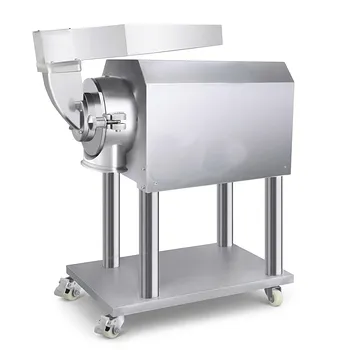
High Speed Small Laboratory Crusher for Dry Material Sample Preparation
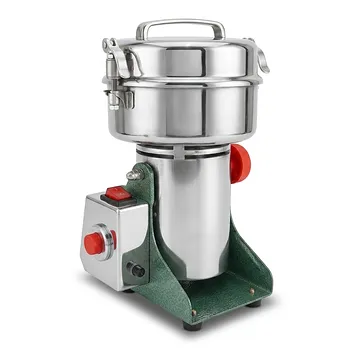
Small High-Speed Laboratory Grinder for Powder Processing
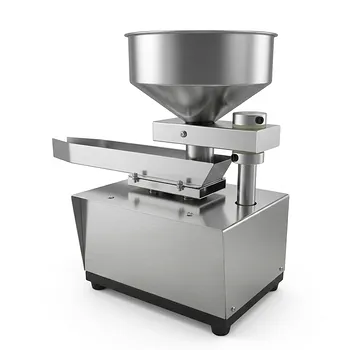
Automatic Vibrating Powder Feeder for Laboratory Material Processing Precision Vibratory Hopper Feeder for Granular and Powder Material Handling Industrial Grade Vibrating Tray Feeder for Consistent Material Sample Preparation
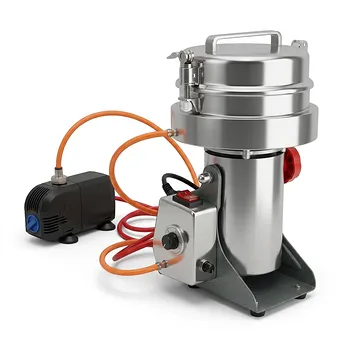
Water Cooled High Speed Grinder with Cryogenic Option for Laboratory Sample Preparation
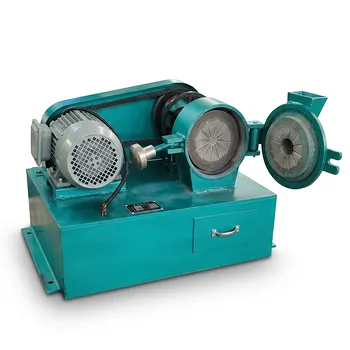
Laboratory Disc Mill Medium Hard Material Grinding Coal Coke Ore Pulverizer
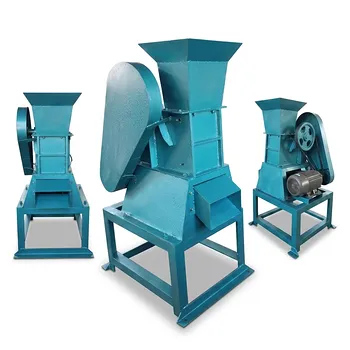
Custom Raised Height Laboratory Jaw Crusher for Precision Sample Preparation in Material Science
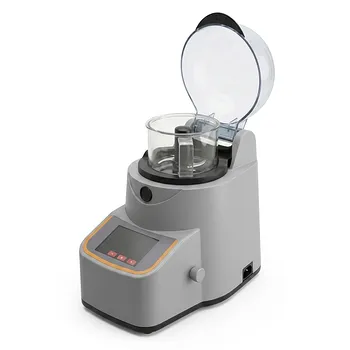
Industrial Knife Mill for Food and Biological Sample Preparation High Speed Laboratory Homogenizer
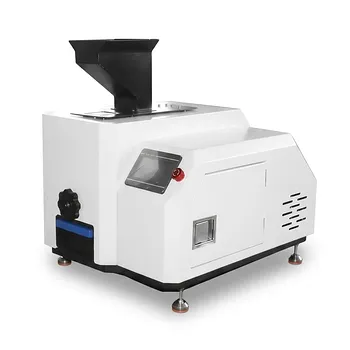
Laboratory Jaw Crusher 2025 Model for Ore and Brittle Material Crushing
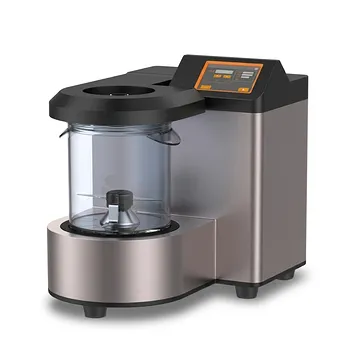
Laboratory Knife Mill for Large Volume Sample Homogenization and Food Preparation
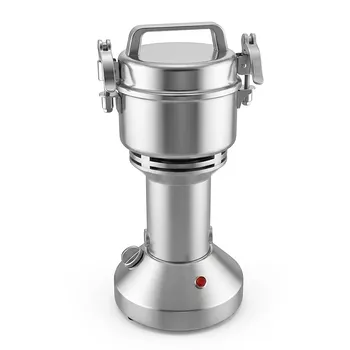
Small High Speed Upright Grinder for Laboratory Sample Preparation
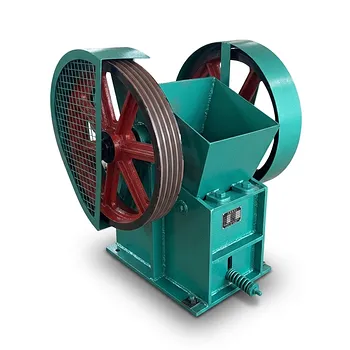
150x250mm Laboratory Jaw Crusher for Medium Hard Material Crushing and Sample Preparation
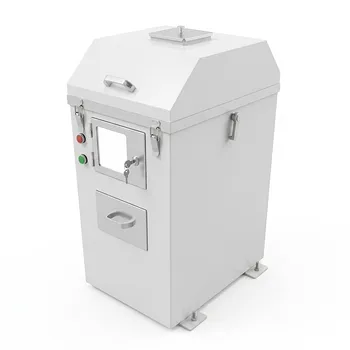
Sealed Double Roll Crusher for Laboratory Sample Preparation of Medium Hardness Materials
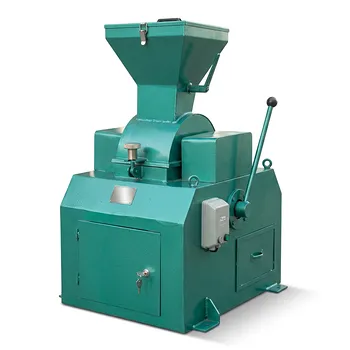
Laboratory Sealed Hammer Blade Crusher Divider for High Hardness Sample Preparation