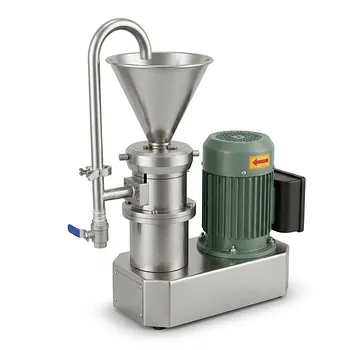
How does a high-energy sand mill contribute to the dispersion of silica in PU coatings? Enhance Nano-Scale Dispersion
Updated 5 months ago
High-energy sand mills are the mechanical engine for achieving nanometer-scale dispersion. They utilize high-speed grinding media to generate intense shear and impact forces that physically break apart silica nanoparticle agglomerates. This process transforms clumped additives into a uniform sub-micron distribution within the polyurethane (PU) matrix, which is essential for superior film performance.
Effective silica dispersion in polyurethane depends on overcoming the high surface energy of nanoparticles. High-energy sand milling provides the necessary mechanical force to de-agglomerate particles, ensuring the interfacial bonding required for enhanced mechanical properties.
The Mechanics of Nano-Scale Dispersion
Breaking Down Particle Agglomerates
Silica nanoparticles naturally clump together into large "agglomerates" due to their high surface energy. A sand mill uses small grinding media to apply direct mechanical pressure, shearing these clusters back into individual sub-micron particles.
The Role of Kinetic Energy
High-speed rotation within the mill accelerates the grinding media to create a high-frequency impact environment. This kinetic energy is transferred to the silica, crushing it down to the nano-scale and ensuring it is thoroughly wetted by the polyurethane resin.
Achieving Uniform Distribution
By maintaining a consistent energy input, the mill prevents the silica from re-clumping during the mixing process. This results in a homogeneous polymer matrix where the silica is evenly spaced, rather than concentrated in localized weak spots.
Impact on Coating Performance
Enhancing Interfacial Bonding
Uniformly distributed silica allows for more consistent contact points between the silica surface and the polyurethane chains. This leads to stronger interfacial bonding, which directly improves the tensile strength and durability of the cured film.
Increasing Specific Surface Area
Reducing particle size to the nanoscale significantly increases the specific surface area of the silica. This heightened surface activity facilitates "oriented attachment-driven reactions," which help the coating adhere more effectively to the substrate.
Improving Mechanical Properties
A well-dispersed silica-PU system exhibits better resistance to abrasion and impact. The nano-scale distribution ensures that the silica particles act as reinforcing agents throughout the entire thickness of the coating.
Understanding the Trade-offs and Technical Limits
Heat Generation and Resin Stability
The intense friction required for high-energy milling generates significant thermal energy. If not managed with cooling systems, this heat can trigger premature cross-linking or degradation of the polyurethane resin.
Media Contamination and Wear
Extended milling times can lead to the physical wear of the grinding beads themselves. Small fragments of the media may contaminate the coating, potentially affecting the optical clarity or chemical purity of the final product.
Energy Consumption vs. Particle Size
There is a point of diminishing returns where additional milling time does not significantly reduce particle size further. Over-processing consumes excessive energy and may eventually lead to particle re-aggregation due to increased surface charge.
How to Optimize Your Dispersion Process
To achieve the best results when integrating silica into polyurethane coatings, consider your specific performance requirements:
- If your primary focus is maximum mechanical strength: Prioritize longer milling cycles at moderate speeds to ensure complete de-agglomeration and robust interfacial bonding.
- If your primary focus is optical clarity: Use the smallest available high-density grinding media to reach a fine nano-scale distribution that minimizes light scattering.
- If your primary focus is production throughput: Optimize the bead loading ratio to maximize impact frequency, allowing you to reach the target particle size in fewer passes.
By precisely calibrating the mechanical forces of the sand mill, you can transform raw silica and polyurethane into a high-performance nanocomposite.
Summary Table:
| Feature | Mechanical Impact on Silica/PU | Key Performance Result |
|---|---|---|
| De-agglomeration | High shear forces break nanoparticle clusters | Uniform sub-micron distribution |
| Kinetic Energy | High-frequency impact ensures resin wetting | Enhanced interfacial bonding |
| Surface Activity | Increased specific surface area | Improved adhesion and durability |
| Process Control | Controlled energy input prevents re-clumping | Consistent mechanical reinforcement |
Elevate Your Coating Performance with Precision Dispersion
Achieving the perfect nano-scale dispersion requires more than just high speed—it requires precision-engineered equipment. At [Brand Name], we provide complete laboratory sample preparation solutions tailored for material science.
We specialize in high-performance powder processing equipment, including:
- Advanced Mills: High-energy sand/bead mills, planetary ball mills, jet mills, and rotor mills for sub-micron particle reduction.
- Sample Prep: Crushers (jaw/roll), liquid nitrogen cryogenic grinders, and sieve shakers.
- Compaction & Thermal: A full spectrum of hydraulic presses including Cold/Warm Isostatic Presses (CIP/WIP), vacuum hot presses, and XRF pellet presses.
- Mixing: Powder mixers and vacuum defoaming mixers for air-free, homogeneous results.
Whether you are aiming for maximum mechanical strength or superior optical clarity in your PU coatings, our technical experts are here to help you select the right tools for your application.
Contact our experts today to optimize your lab workflow
References
- J.Y. Liu, Ruoyu Hong. Effect of Organo-Functionalized Silica Particles on the Mechanical Properties of PU. DOI: 10.2991/emcpe-16.2016.116
Mentioned Products
- Laboratory Disperser and Sand Mill for Grinding Dispersing Emulsifying
- Mass Production Nano Sand Mill for Industrial Nanomaterial Grinding and Dispersion
- High Speed Laboratory Grinder Efficient Stainless Steel Powder Pulverizer Universal Material Science Mill for Sample Preparation
- Vertical Production Planetary Ball Mill for High Throughput Powder Processing
- Small Ceramic Structure Laboratory Sand Mill Nanoscale Grinding Dispersion Equipment Seal-less Screen-less Design
People Also Ask
- Why is a sand mill used to process solid carbon-forming agents like PPVA and PER? Enhance Dispersion & Flame Retardancy
- How does the bead filling rate affect the grinding performance and equipment wear in a bead mill? Optimization Guide
- Why is it necessary to precisely control the grinding media loading ratio? Master Nanosuspension Yield & API Stability
- What is the role of a high-speed sand mill in zinc phosphate modified epoxy coatings? Achieve Superior Uniformity
- Why is a ceramic lining preferred over stainless steel for a bead mill? Protect Enzymes and Ensure Biomass Purity

Tech Team · PowderPreparation
Last updated on May 14, 2026
Related Products
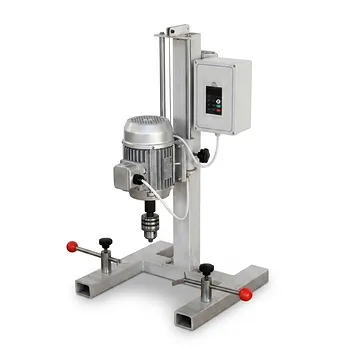
Laboratory Disperser and Sand Mill for Grinding Dispersing Emulsifying
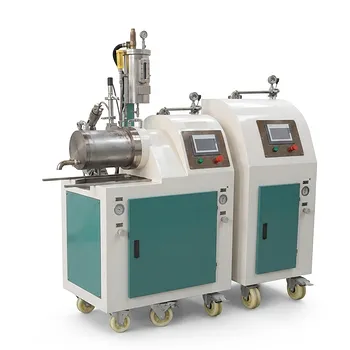
Mass Production Nano Sand Mill for Industrial Nanomaterial Grinding and Dispersion
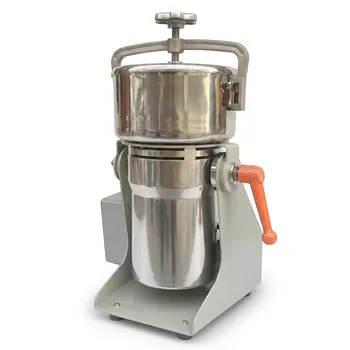
High Speed Laboratory Grinder Efficient Stainless Steel Powder Pulverizer Universal Material Science Mill for Sample Preparation
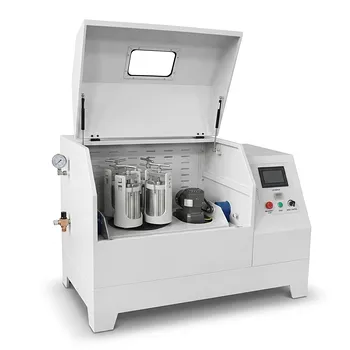
Vertical Production Planetary Ball Mill for High Throughput Powder Processing
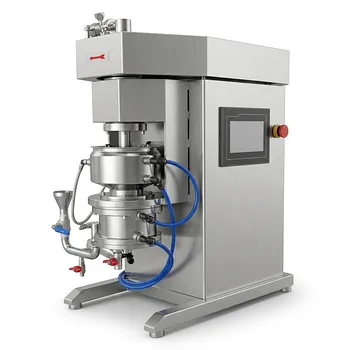
Small Ceramic Structure Laboratory Sand Mill Nanoscale Grinding Dispersion Equipment Seal-less Screen-less Design
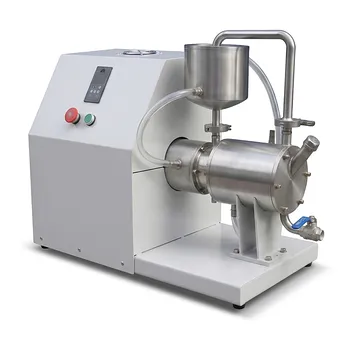
Laboratory Small Horizontal Sand Mill for Nano Materials Wet Grinding
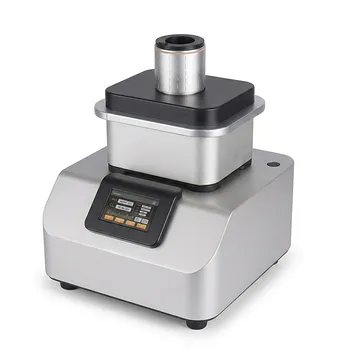
Ultra Centrifugal Mill High Speed Laboratory Grinder for Fibrous and Brittle Sample Preparation
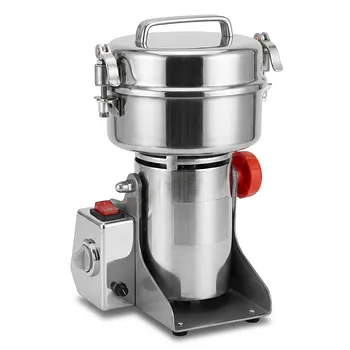
High Speed Laboratory Powder Grinder Small Batch Sample Preparation Mill
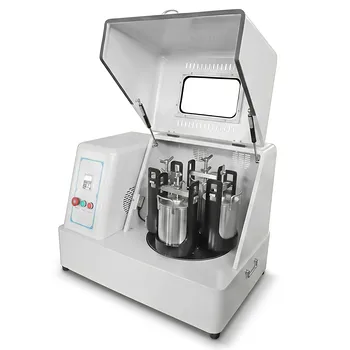
Vertical Square Planetary Ball Mill for Laboratory Sample Preparation and Nanoscale Grinding
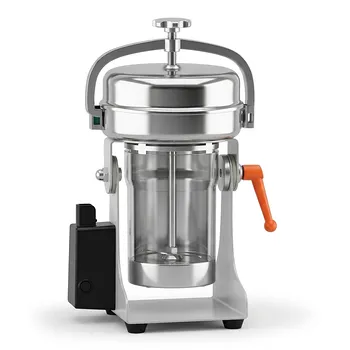
High Efficiency High Speed Grinder 2200W 25000 RPM Laboratory Sample Preparation
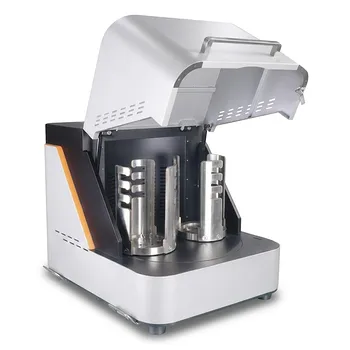
High Energy Laboratory Planetary Ball Mill for Nano Grinding and Colloidal Mixing of Hard and Brittle Materials
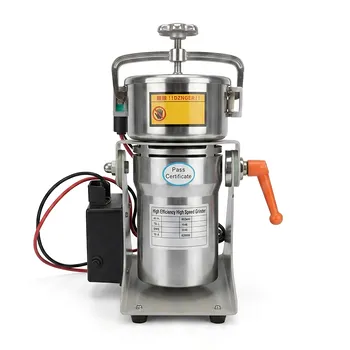
High Efficiency High Speed Grinder Laboratory Mill 1300W 25000rpm
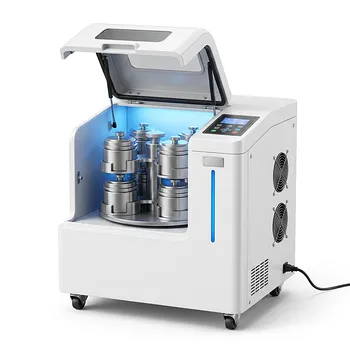
High Energy Omnidirectional Planetary Ball Mill 20L
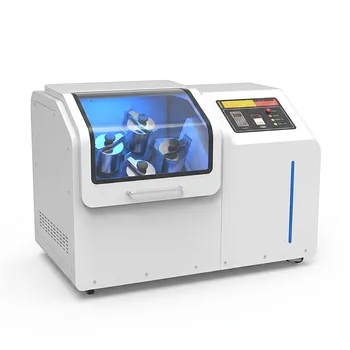
High Energy Omnidirectional Planetary Ball Mill 16L
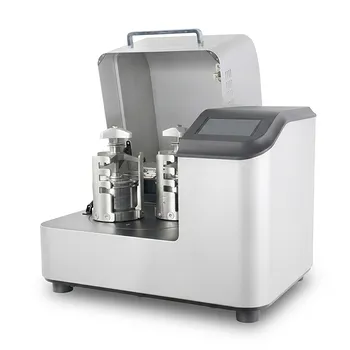
High Energy Planetary Ball Mill for Nano Scale Grinding and Mechanical Alloying
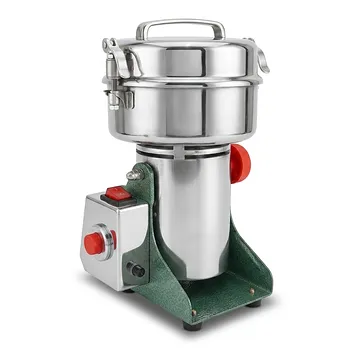
Small High-Speed Laboratory Grinder for Powder Processing
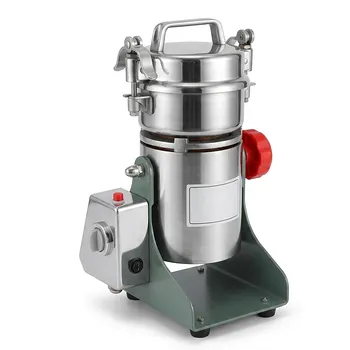
High Speed Swing Type Laboratory Pulverizer for Fine Powder Grinding and Sample Preparation
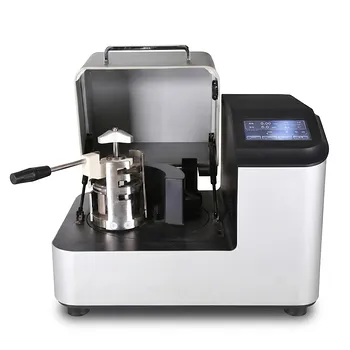
High Energy Laboratory Planetary Ball Mill for Nano Grinding and Material Science Sample Preparation
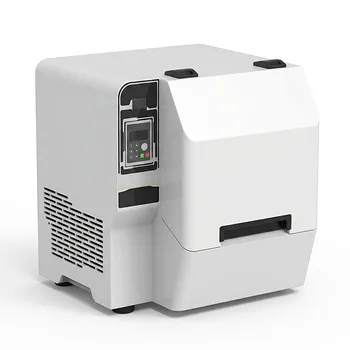
Nano High Energy Vibratory Ball Mill for Laboratory Sample Preparation