How do steel ball grinding media influence the formation of nanocrystalline powders? Optimize Energy & Grain Refinement
Updated 5 months ago
Steel ball grinding media are the fundamental engines of energy transfer in high-energy ball milling. They transform the kinetic energy of the mill into concentrated mechanical work, capturing and compressing powder particles to induce the structural changes required for nanocrystallization.
Steel balls facilitate nanocrystallization by delivering high-density mechanical energy that drives powders through repeated cycles of deformation, fracturing, and cold welding. This process creates high-density lattice defects and grain boundaries, forcing the material into a stable nanometer-scale structure.
The Mechanism of Mechanical Energy Transfer
Kinetic Energy Conversion
Steel balls act as the primary vehicle for kinetic energy. As the mill rotates or vibrates at high frequencies, the balls gain momentum and strike the powder particles trapped between individual balls or against the vial walls.
Precision Energy Control
The ball-to-powder ratio (BPR) is a critical variable that dictates the mechanical energy density input. By adjusting this ratio, operators can precisely control the amount of energy applied to the powder volume, ensuring the refinement process remains efficient without overheating the material.
High-Frequency Impact and Shear
The formation of nanocrystals relies on intense impact and shear forces. These forces break down the initial powder morphology and facilitate atomic-level homogenization, which is essential for creating uniform alloy structures.
Structural Evolution and Grain Refinement
Induced Plastic Deformation
The mechanical action of the steel balls induces severe plastic deformation (SPD) within the powder. This deformation creates local shear bands and a high density of dislocations within the crystal lattice.
Rearrangement into Nanostructures
As milling progresses, these high-density dislocations rearrange into low-angle grain boundaries and sub-grains. Eventually, these structures evolve into high-angle grain boundaries, resulting in the nanocrystallization of the entire powder volume, typically reaching grain sizes between 25–45 nm.
Cold Welding and Fracturing
In ductile materials, the high-hardness steel balls facilitate repeated cycles of cold welding and fracturing. This continuous mechanical alloying process ensures that the components are mixed at the atomic scale, creating non-equilibrium solid solutions.
The Role of Media Material Properties
Hardness and Density
High-hardness bearing steel balls are selected to provide the impact energy necessary to deform tough or ductile powders. The high density of steel ensures that collisions are effective, maximizing the kinetic energy transferred during each strike.
Surface Interaction and Morphology
The mechanical action of the balls causes surface depressions and micro-cracks in the particles. This increased surface area and defect density enhance the reaction activity of the powder, which is vital for subsequent processing steps like sintering or coating.
Understanding the Trade-offs: Wear and Contamination
Introduction of Metallic Impurities
The intense friction and impact between the balls, jar walls, and powder inevitably lead to trace amounts of media wear. This can introduce impurities such as iron, chromium, and silicon into the final nanocrystalline powder.
Impact on Material Purity
For high-purity applications, these microscopic debris particles can reduce the chemical purity of the synthesized nano-powders. In some materials, like glass-ceramics, these impurities can cause significant color changes or scattering, even if the primary functional properties remain intact.
Mitigation Through Quality
To minimize contamination, it is critical to use industrial-grade grinding media with superior wear resistance. Selecting the highest possible hardness for the media reduces the rate of degradation and limits the mass of impurities added to the final product.
How to Apply This to Your Project
When configuring your ball milling process for nanocrystalline production, your choice of media and parameters should align with your material requirements.
- If your primary focus is maximum grain refinement: Use a higher ball-to-powder ratio and high-density steel balls to increase the frequency and energy of impacts.
- If your primary focus is high chemical purity: Select premium, high-hardness bearing steel balls and limit milling duration to the minimum required for nanocrystallization.
- If your primary focus is atomic homogenization: Prioritize high-frequency rotation and shear forces to drive the cold-welding and fracturing cycles.
The strategic selection and control of steel grinding media are the most effective ways to dictate the final structure and performance of nanocrystalline powders.
Summary Table:
| Influence Factor | Role in Nanocrystallization | Key Optimization Parameter |
|---|---|---|
| Energy Transfer | Converts kinetic energy into mechanical work for particle fracture. | Ball-to-Powder Ratio (BPR) |
| Deformation | Induces severe plastic deformation (SPD) and lattice defects. | Milling Frequency/Speed |
| Grain Refinement | Drives dislocation rearrangement into sub-grains (25–45 nm). | Milling Duration |
| Material Properties | High density and hardness maximize collision impact energy. | Media Material (e.g., Chrome Steel) |
| Contamination | Potential introduction of Fe/Cr/Si impurities through media wear. | Media Hardness & Quality |
Elevate Your Material Research with Precision Sample Preparation
Achieving consistent nanocrystalline structures requires more than just high energy—it demands precision equipment. We provide complete laboratory sample preparation solutions for material science, specializing in high-performance powder processing and compaction technology.
Whether you are refining grain sizes or developing non-equilibrium alloys, our extensive equipment lines are designed to meet the most rigorous standards:
- Advanced Milling: Planetary ball mills, jet mills, and liquid nitrogen cryogenic grinders for optimal energy transfer.
- Powder Processing: Sieve shakers, powder mixers, and defoaming mixers to ensure sample uniformity.
- Superior Compaction: A full spectrum of hydraulic presses, including Cold/Warm Isostatic Presses (CIP/WIP), vacuum hot presses, and XRF pellet presses for high-density consolidation.
Ready to optimize your laboratory workflow? Contact us today to discuss your specific application and discover how our specialized equipment can enhance your material processing results.
References
- Mark A. Tschopp, K. Darling. “Bulk” Nanocrystalline Metals: Review of the Current State of the Art and Future Opportunities for Copper and Copper Alloys. DOI: 10.1007/s11837-014-0978-z
Mentioned Products
- Vertical Semi Circular Planetary Ball Mill for Laboratory Precision Grinding
- Vertical Square Planetary Ball Mill for Laboratory Sample Preparation and Nanoscale Grinding
- Heavy Duty Horizontal Planetary Ball Mill for Efficient Industrial Grinding and Sample Preparation
- Small High-Speed Laboratory Grinder for Powder Processing
- High Energy Laboratory Planetary Ball Mill for Nano Grinding and Material Science Sample Preparation
People Also Ask
- What role does a planetary ball mill play in the synthesis of Li6PS5Cl (LPSCl)? Unlock High Ionic Conductivity
- Why is a planetary ball mill essential for SiBCN-rGO wet-spinning? Achieve Superior Dispersion and Spinnability
- Why is an intermittent grinding process required for perovskites in a planetary ball mill? Ensure Stability & Purity
- Why is a planetary ball mill required for PET micronization? Ensure Accurate Chemical Analysis of Reprocessed PET
- How does mechanized planetary ball milling compare to manual agate grinding? Optimize sulfide standard material precision.

Tech Team · PowderPreparation
Last updated on May 14, 2026
Related Products
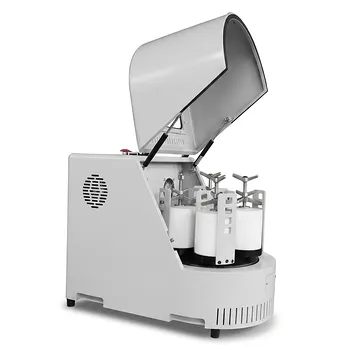
Vertical Semi Circular Planetary Ball Mill for Laboratory Precision Grinding
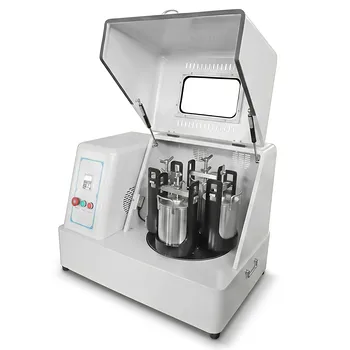
Vertical Square Planetary Ball Mill for Laboratory Sample Preparation and Nanoscale Grinding
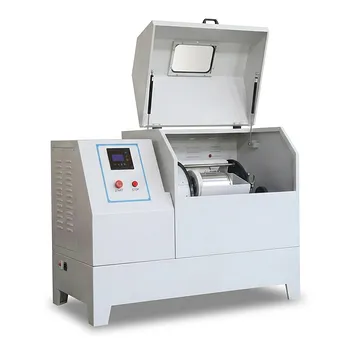
Heavy Duty Horizontal Planetary Ball Mill for Efficient Industrial Grinding and Sample Preparation
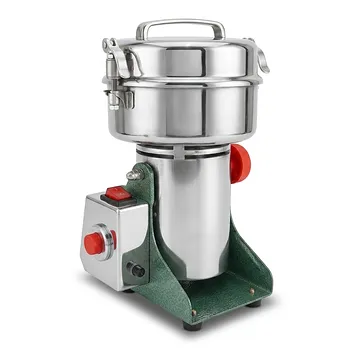
Small High-Speed Laboratory Grinder for Powder Processing
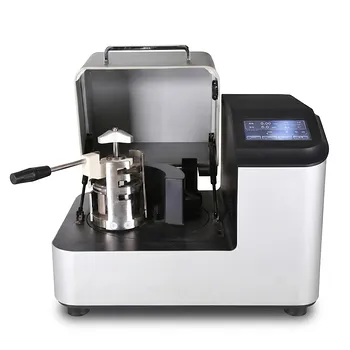
High Energy Laboratory Planetary Ball Mill for Nano Grinding and Material Science Sample Preparation
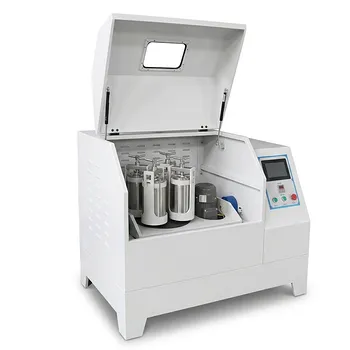
360° Rotating Omnidirectional Laboratory Planetary Ball Mill for Homogeneous Ultra-Fine Grinding and Mixing

8L Planetary Ball Mill for Laboratory Grinding and Sample Preparation
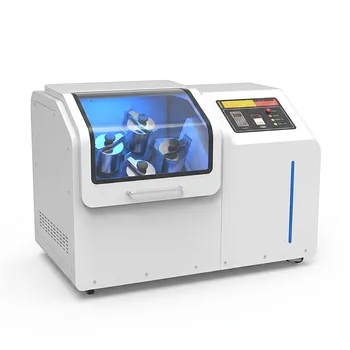
High Energy Omnidirectional Planetary Ball Mill 16L
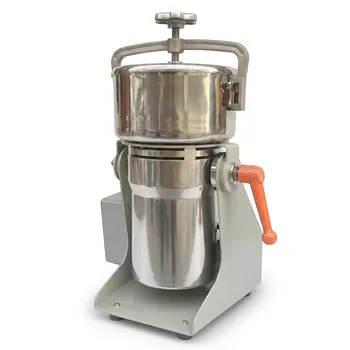
High Speed Laboratory Grinder Efficient Stainless Steel Powder Pulverizer Universal Material Science Mill for Sample Preparation
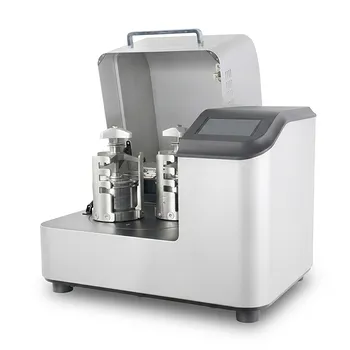
High Energy Planetary Ball Mill for Nano Scale Grinding and Mechanical Alloying
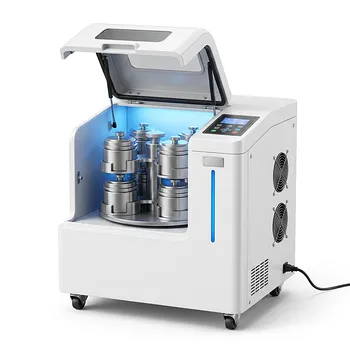
High Energy Omnidirectional Planetary Ball Mill 20L
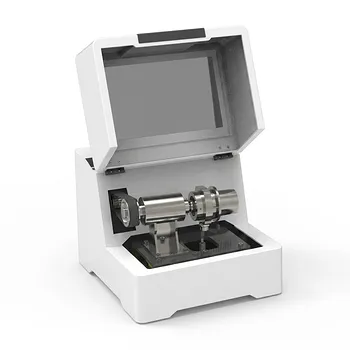
Single Tank High Energy Vibratory Ball Mill for Laboratory Grinding and Mixing
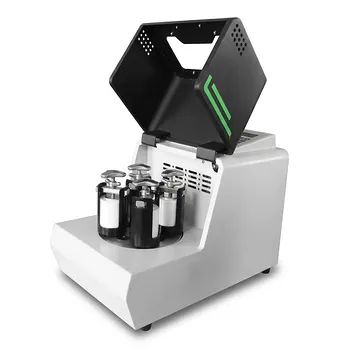
Miniature Planetary Ball Mill with Vacuum Grinding and High Efficiency for Laboratory Sample Preparation
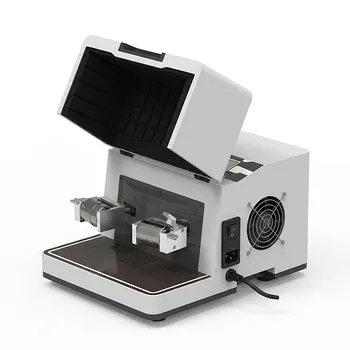
High Energy Hybrid Vibratory Ball Mill for Grinding Mixing and Cell Disruption
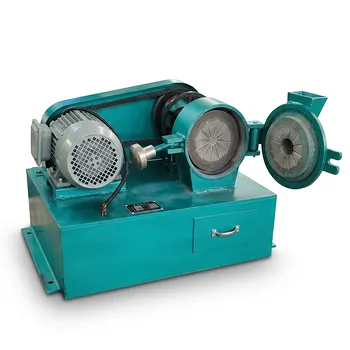
Laboratory Disc Mill Medium Hard Material Grinding Coal Coke Ore Pulverizer